
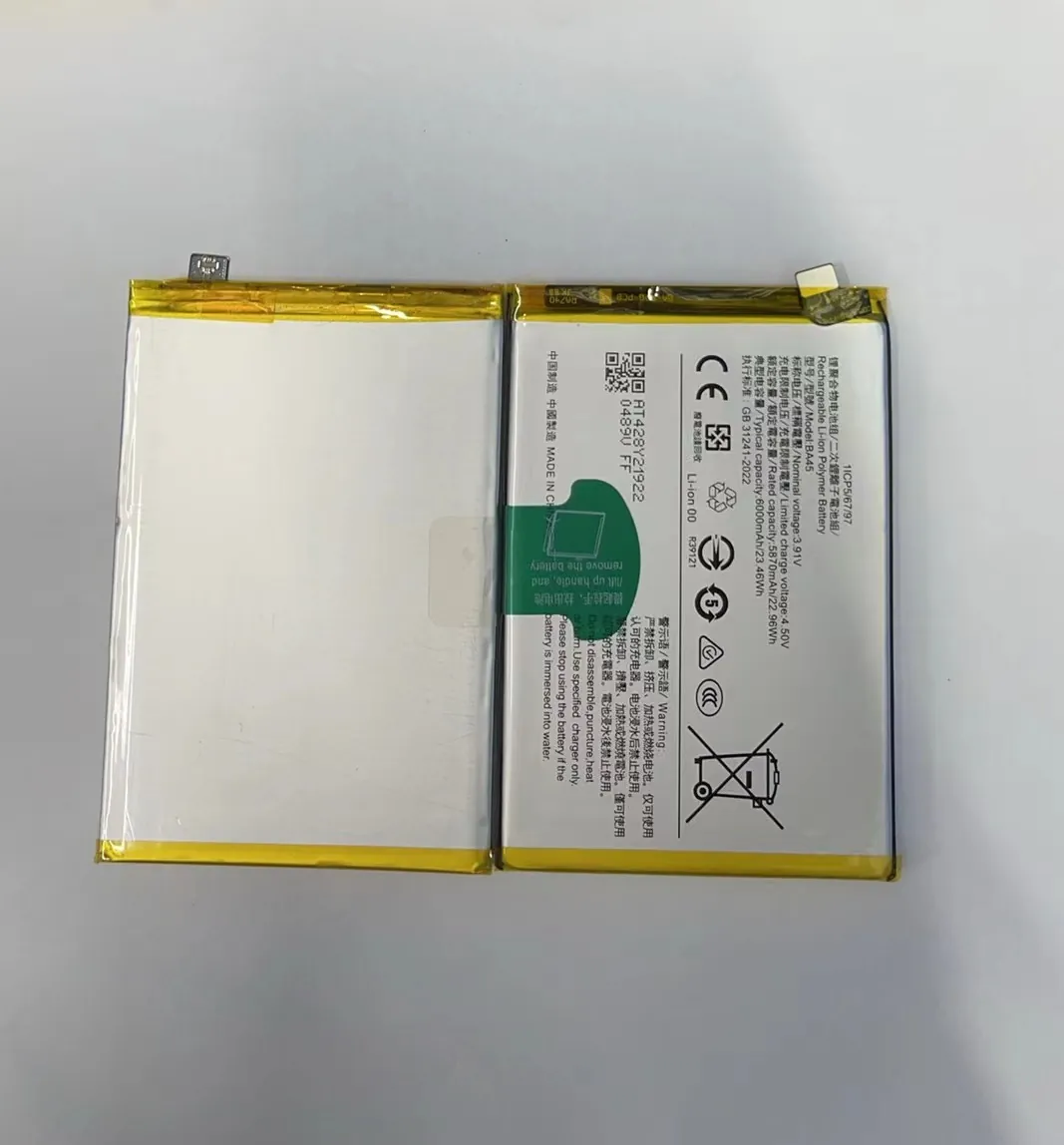
I notice many phone users worry about battery health. The battery may fail suddenly. That can ruin the day.
You can check battery health with built‑in settings or apps for Android. On iPhone, built‑in “Battery Health” works, or you use a computer tool if needed.
If you want to be sure about battery status, keep reading. I explain apps, battery cycles, accuracy, and signs of battery trouble.
Which apps can test battery health?
I often hear: “Is there an app that tells me battery health?” Many apps exist that claim to test battery status.
Some apps like AccuBattery or Battery HD give an estimate of battery health by measuring charge and discharge patterns.

In Android world, apps show battery wear by tracking how much capacity the battery holds over time. Among popular ones:
- AccuBattery — It tracks how much mAh the battery really accepts while charging, and estimates battery health.
- Battery HD — Gives information on battery level, temperature, and usage stats.
- CPU-Z — A general hardware info app that also reports battery details like voltage, temperature, and health status label from the OS.
- GSam Battery Monitor — Offers detailed graphs of battery usage and can help identify apps draining battery, which may falsely signal battery degradation.
On iOS, most third‑party apps cannot get real battery health info because of system restrictions. iOS shows battery health only in Settings → Battery → Battery Health. Some people use computer tools (on Mac or PC) once they connect the iPhone via cable. These tools read battery cycle count and health from the phone.
Why apps are limited
Apps cannot directly read internal battery wear level. They use indirect data like:
- Capacity accepted during charge.
- Time phone lasts under certain tasks.
- Voltage and temperature during usage.
These data give estimates. That means two limitations:
- If you just installed the app, it has no prior data. So first results may be misleading.
- If phone use is irregular, the estimate may be off. Heavy use or heat will affect numbers.
Because of that, treat app results as rough guide — not absolute fact. Use app data to track trends over weeks. If health seems dropping fast, then battery may be wearing out.
Can you check battery cycles on your phone?
Many ask: “Can I see how many cycles my battery had?” Sometimes yes. Sometimes no.
Most phones do not show cycle count directly. Some devices and desktop tools can read cycle count.

Here is a quick device‑type table:
| Device / OS type | Cycle count visible in settings? | Alternative method |
|---|---|---|
| iPhone (iOS) | No | Use computer tool after connect |
| Android phone | Rarely | Some OEM diagnostic menus or apps |
| Laptop battery | Often yes | System info or battery software |
| Tablets / others | Varies | Depends on OS and support |
For a regular Android phone, there is usually no built‑in place to see cycle count. Some advanced Android models or custom ROMs might store it. But average user cannot see that number.
For iPhone, Apple does not display cycle count on device. People use computer tools like “coconutBattery” (on Mac) or similar on Windows. That reads the internal battery data and shows cycle count, battery design capacity, current full charge capacity, health percentage.
Even those methods work only if the phone allows battery data reading. If battery firmware blocks access, or if phone locks down for privacy, cycle count stays hidden.
If you need cycle count for resale, warranty, or repair — use the desktop tool method. If tool cannot read battery info, then you can only rely on indirect signs (see next sections).
How accurate are battery diagnostics?
People expect battery apps to give exact health numbers. Reality is different.
Battery diagnostics—especially via apps—give rough estimates. The real internal battery wear may differ.
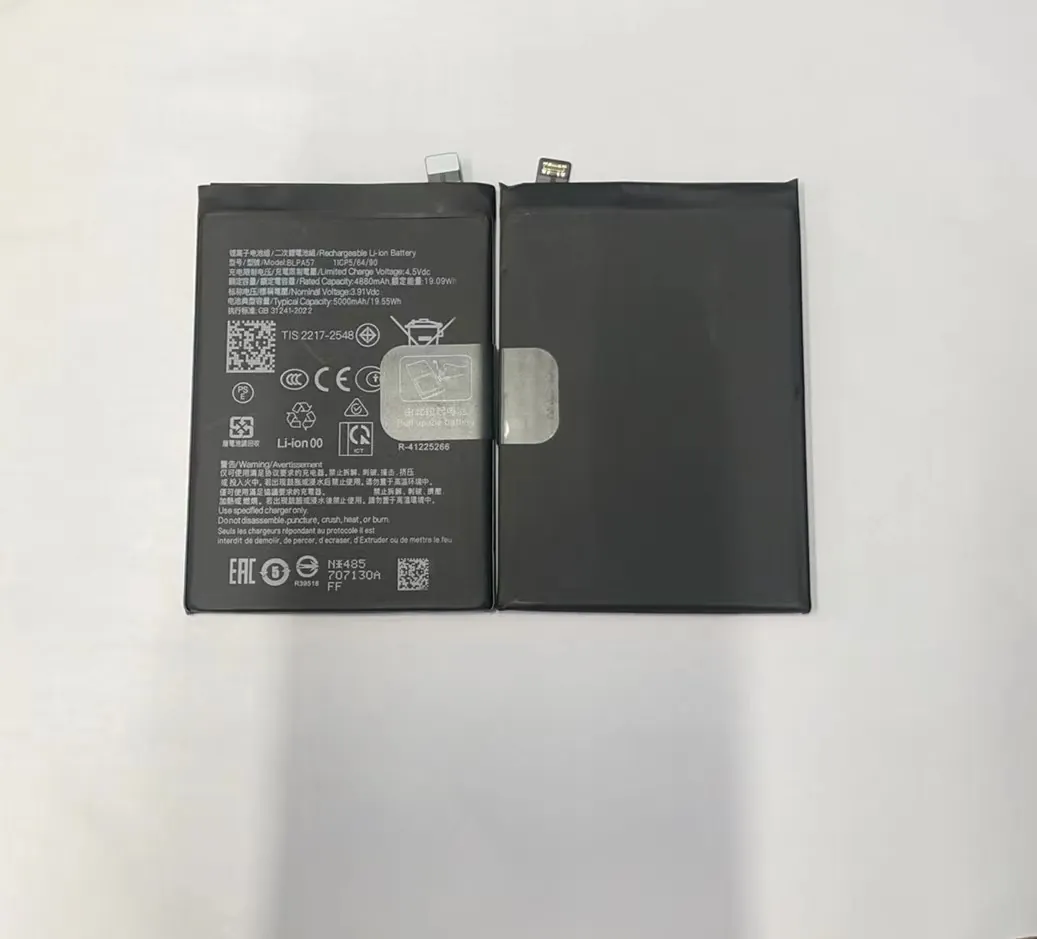
Here are factors that affect accuracy:
| Factor | How it changes result |
|---|---|
| Charging habits | Fast charge or partial charge skews capacity data |
| Phone usage pattern | Rare heavy use or varying load hides wear signs |
| Temperature during use | Heat or cold distorts readings of voltage and capacity |
| Background drain or apps | Apps using power hide battery decline |
| Battery calibration state | If battery meter is not calibrated, percent is wrong |
Charging habits: if you often use quick charger or stop charging at 50–60%, apps may report low health. Real battery might be fine. On the other hand, if you mostly charge to 100% slowly, readings may seem better.
Usage pattern: If your phone is rarely used — say only for calls — app sees low drain and may think battery is great. But internal battery degradation depends on cycles and calendar age, not just use.
Temperature: Battery chemistry is sensitive. If battery is very hot during use or charging, capacity drops temporarily. Apps may see this as wear. Real wear may be less.
Background drain & apps: If some hidden app uses power, battery drains faster. Diagnostic may show poor health while battery is fine.
Calibration: Battery percentage meter may drift. If meter is wrong, then capacity data derived from it become wrong.
Because of these, I trust diagnostics only when they show a trend over time. Single reading seldom means much. Watch over weeks or months. If battery capacity falls steadily — that signals real wear.
For better accuracy, sometimes do a full cycle calibration:
- Charge phone to 100%.
- Let battery drain to near 0%.
- Charge again to 100%.
This helps battery meter and may give more stable data. Repeat after a few cycles.
Still this is only a rough method. True internal battery wear needs hardware-level readout. For some phones, only service centers or repair tools can give that.
What are signs of a faulty battery?
Some symptoms tell that battery has real trouble. You can notice them without any app.
Sudden shut down, fast drain, swelling, overheating, or big capacity drop — these are clear signs of a failing battery.

Here are common signs:
- Phone drains from 100% to 20% in a few hours without heavy use.
- Phone shuts down while showing 30–50% battery.
- Phone heats up even during light tasks or standby.
- Battery becomes swollen; phone’s back or screen bulges.
- Charging gets very slow or stops before it reaches 100%.
- Battery percent jumps (for example, 40% → 10% in few minutes).
- Battery life falls quickly after a short time following full charge.
Some issues appear gradually. For example short battery life. Others show suddenly.
What to do if you see these signs
- Stop using phone under heavy load until battery is checked.
- Back up data in case phone shuts off.
- Do a calibration cycle (full charge → full drain → full charge). See if issue persists.
- If battery is swollen or phone heats excessively — do not charge further.
- Use repair service to check internal battery condition.
Swelling is especially dangerous. It can damage screen or battery. It can even cause leaks or short circuits. In that case battery must be replaced immediately.
If phone still works but battery life is poor — replacement is wise. Cheap replacement battery with unknown quality may cause risks. Choose quality battery from trusted source.
Conclusion
Knowing battery health matters for safety and performance. You can use apps or built‑in tools to get rough estimates. Battery cycles are rarely visible on phones. Diagnostics give rough data. Real signs of wear show in quick drain, shutdowns, swelling or heat. Watch these signs. If battery fails, change it quickly.
