

Mobile phones lose battery life over time. Many people do not know how to check the real capacity. This guide helps you measure and understand your battery health.
You can check battery capacity using apps, voltage readings, and system info to see how much a battery has degraded. Knowing your battery’s real capacity helps you decide if it needs replacement or care.
Phones show basic battery info, but real capacity and health need more tools. This article explains the apps, readings, and why matching specs matters.
What apps measure capacity?
Many apps show battery details like current capacity, design capacity, and health. These apps work on Android and iOS, but tools on each platform differ.
Apps measure battery capacity by reading internal sensors and logging data. They translate that data so you can see how strong your battery is now vs. when it was new.

Battery apps work by reading the battery management system inside your phone. This system constantly tracks charge, voltage, current, and temperature. Apps do not measure capacity directly. Instead, they read the data the phone already records and estimate capacity from it.
Popular battery apps on Android
Android gives more access to battery info than Apple. You can choose from many apps that support capacity readings.
Here are a few well‑known Android apps:
| App name | Main use | Notes |
|---|---|---|
| AccuBattery | Estimates health and capacity | Easy to use |
| Battery HD+ | Shows detailed info | Good for basic checks |
| Ampere | Shows current charge/discharge | Great for real‑time values |
These apps use battery data and history. They often ask to track usage for a few charges before giving an accurate capacity estimate.
iOS battery apps and tools
Apple restricts access to battery sensors for third‑party apps. Because of this, iOS apps cannot show capacity as clearly as Android.
Still, the following can help:
- Battery Life: Shows simple health info
- CoconutBattery (macOS app for iPhone): Connect phone to Mac to see real capacity
The best built‑in iOS tool is the Battery Health screen:
Settings > Battery > Battery Health shows maximum capacity compared to original. This is the most reliable source on iPhones.
How these apps estimate capacity
Apps like AccuBattery estimate capacity by observing how much charge flows in and out during a full cycle. They track:
- Charge added (mAh)
- Charge removed (mAh)
- Temperature during charge
- Battery voltage
After several cycles, the app averages these values to estimate the real capacity.
Because phones vary in how they report battery data, capacity estimates are not exact. But they give a clear trend of aging.
When to use apps
Use these apps when:
- Your battery drains faster
- You want to know real capacity
- You plan to replace the battery soon
Apps help you see if your battery truly lost capacity or if other issues exist.
How does voltage indicate health?
Battery voltage tells you how much potential the battery has at a given moment. It is not the full picture of health, but it helps.
The voltage of a battery under load and at rest can show if a battery is weak or struggling. Healthy batteries tend to maintain voltage better under load.
Voltage is measured in volts (V). Most phone batteries are lithium‑ion and operate around 3.7–4.2V when charging.
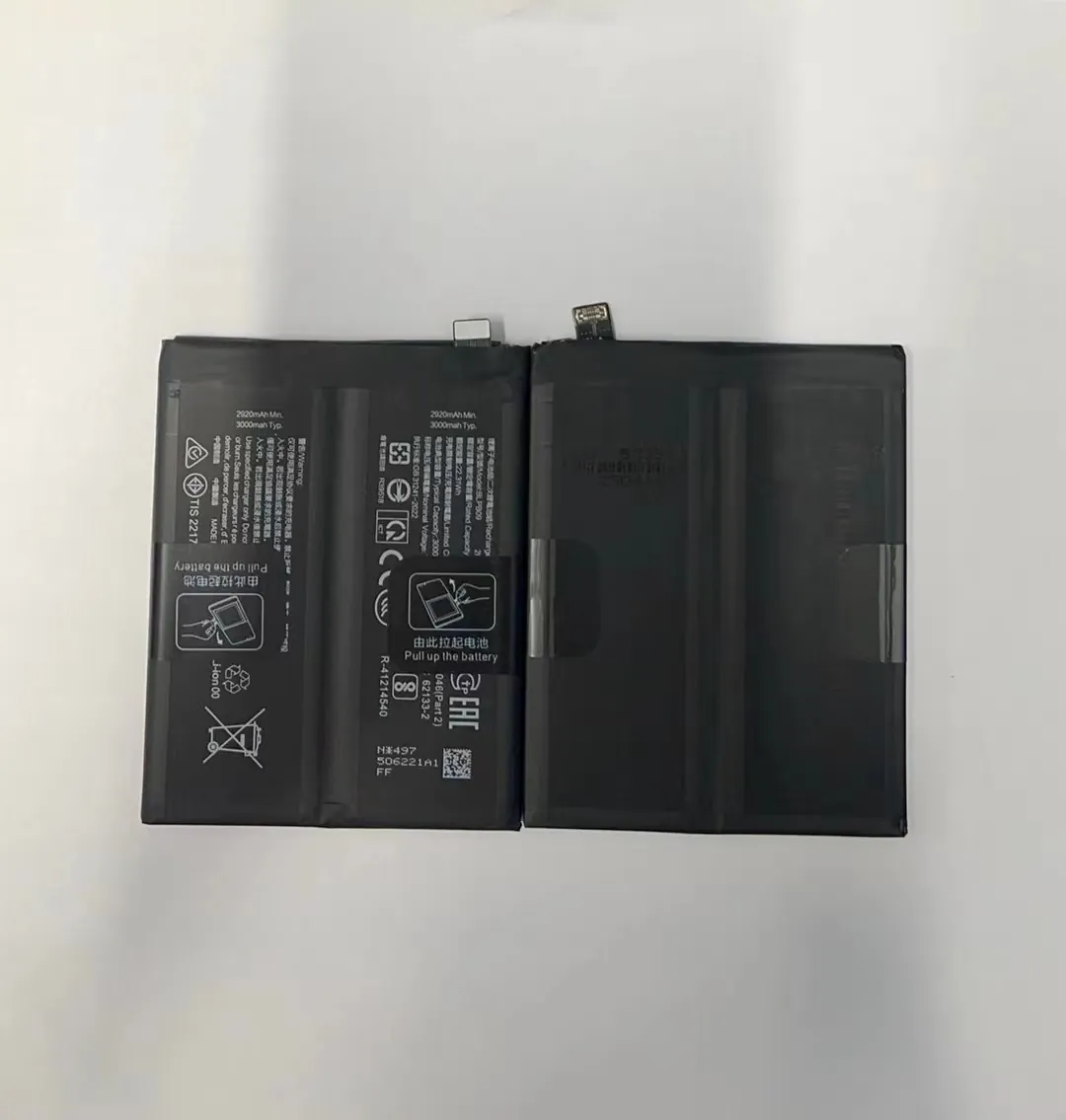
Understanding voltage basics
When you check battery voltage:
- Open‑circuit voltage (no load): The battery is not powering the phone. This shows resting voltage.
- Load voltage: The phone is active and drawing power. This shows how well the battery holds under load.
A healthy battery will drop less voltage under load. A weak battery drops more.
What numbers to look for
Here is a basic voltage guide:
| Condition | Resting voltage | Load voltage |
|---|---|---|
| Full battery | ~4.2V | ~4.0–4.1V |
| Mid charge | ~3.8–3.9V | ~3.7–3.8V |
| Low charge | ~3.5V | ~3.2–3.4V |
| Very weak/aging battery | Lower than expected or drops fast | Drops quickly under load |
A battery that drops too fast under load is likely aged. This is because internal resistance increases with age. High resistance causes voltage to drop faster when the phone is active.
How to check voltage on Android
Many Android phones let you see detailed battery info under:
Settings > Battery > Battery Info or using a service menu code.
Apps like Ampere and AccuBattery also show voltage.
iOS and voltage
iOS does not show voltage directly on the phone. You need external tools like battery testers connected to the phone’s battery connector, or a Mac app like CoconutBattery when connected.
Why voltage matters for health
Voltage drops show internal problems. A new battery holds voltage well when the phone is active. An old battery shows:
- Larger voltage drops
- Lower resting voltage after discharge
These signs mean the battery cannot hold energy as well. So voltage is a good health indicator.
Which readings show degradation?
Degradation means the battery no longer holds the same charge as when new. There are several readings and signs that show this.
Degradation shows in reduced capacity, changes in voltage under load, and more frequent voltage drops. These readings tell you the battery’s health and aging.

Capacity vs. design capacity
Capacity indicates how much charge the battery holds now. Design capacity is how much it held when new.
When you check with an app:
| Term | Meaning |
|---|---|
| Current capacity | Battery can hold now |
| Design capacity | Battery could hold when new |
| Health % | Ratio of current to design capacity |
If current capacity is 80% of design capacity, health is 80%. This means the battery holds less than before.
Voltage under load
As explained earlier, degradation increases internal resistance. This makes voltage fall more under load. So the phone:
- Drains quicker under heavy use
- Gets hotter
- Shuts down earlier at low battery
These are signs of degradation.
Charge cycle count
A cycle is one full charge and discharge. Batteries wear with cycles.
Typical lithium‑ion batteries last around 300–1000 cycles before significant degradation. After 500 cycles, many batteries are around 80% health.
Some apps show cycle count. This helps estimate how aged the battery is.
Temperature effects
High temperature speeds degradation. If battery runs hot often, capacity drops faster.
Apps may show historical temperature. Consistently high temps are a red flag.
Discharge rate
If battery drops from 60% to 40% in a few minutes, and then stays low, this could show internal aging. A healthy battery drops more linearly.
Practical signs of degradation
Real‑world signs include:
- Phone dies at 30% or 20%
- Battery percent jumps around
- Phone feels warm while idle
- Charge does not last as long
These signs come with lower capacity readings.
Why compare capacity to original specs?
Comparing current capacity to original specs tells you how much the battery degraded. The original spec is what the phone maker promised when new.
Original specs are your baseline to see how much life the battery lost. This comparison helps decide if you need battery replacement.

Where to find original specs
You can find original battery capacity in:
- Phone box or manual
- Manufacturer website
- Battery apps that list design capacity
Original specs are usually in milliampere‑hours (mAh). For example:
| Phone model | Design capacity |
|---|---|
| Example A | 3000 mAh |
| Example B | 4000 mAh |
| Example C | 5000 mAh |
How to compare
If your battery now shows 2500 mAh and the design was 3000 mAh:
Health % = (2500 / 3000) × 100 = ~83%
This means the battery lost 17% of its capacity.
Why this matters
A battery at 83% health still works, but:
- Lasts less than before
- May drain faster under load
- May heat more
If health drops under 80%, many people replace the battery for better performance.
When to replace the battery
Replace when:
- Capacity drops below ~80%
- Phone dies suddenly
- Phone gets too warm
- Battery swells (physical danger)
Replacing restores original battery life and helps phone run better.
Summary of capacity comparison
Comparing to specs helps you:
- Know real health
- Plan replacement
- Understand degradation rate
- See if usage habits affect health
By tracking capacity, voltage, and usage patterns with apps, you get a clear picture of battery condition. This helps you take steps to extend life or replace the battery when needed.
