

Have you ever wondered why some phones die early? Many phone owners blame bad luck. The truth is phone batteries can be harmed by daily habits.
A phone battery loses capacity when people do damaging things. This article explains common ways people shorten battery life and how each action hurts the battery.
Bad battery life can make tasks harder. People may think the battery is just old, but in many cases habits cause the problem. Knowing what harms a battery helps avoid those problems and keep the phone working longer.
What actions lead to battery degradation?
Battery degradation means the capacity of the battery drops over time. Every lithium‑ion battery has a limited life. But certain actions speed up that decline.
Battery degradation happens when the battery goes through stress. High heat, deep discharge, fast charging, and cheap power parts all make the battery wear out faster.
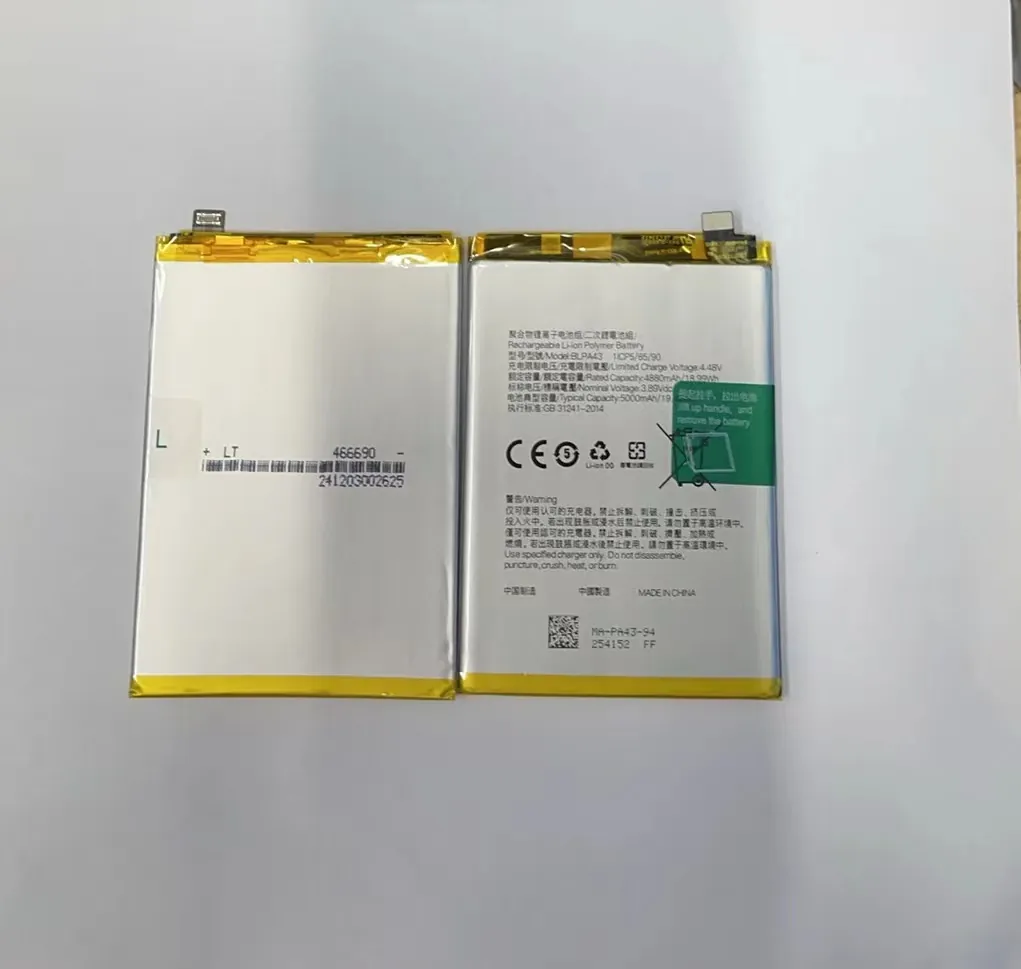
Let’s look deeper at the things that cause battery wear. I have seen phones with batteries drop to half their capacity within a year. The owner did not know the habits that caused this.
What happens inside a battery
Lithium‑ion batteries work by moving ions back and forth between electrodes. This process is normal. But when the battery gets hot or goes too low or high in charge, the chemical reactions inside become unstable. That leads to plating of metal, breakdown of the electrolyte, and loss of active material. Each of these changes makes the battery weaker. The result is shorter battery life and less capacity.
High temperature exposure
Heat is one of the worst enemies of a phone battery. When the battery gets hot, the internal chemical balance changes. High temperatures speed up all reactions in the battery. Some of these reactions are harmful. They cause the electrodes to degrade faster and the electrolyte to break down.
Here is a simple table showing how heat affects battery life:
| Temperature range | Effect on battery |
|---|---|
| Below 0 °C | Reduced immediate capacity |
| 20 °C–30 °C | Normal operating range |
| 40 °C–50 °C | Faster degradation |
| Above 60 °C | Severe permanent damage |
Heat can come from outside or inside the phone. Leaving your phone in a hot car or direct sun can push the battery into harmful temperature ranges. Also heavy gaming or long video streaming raises internal temperature. When the battery stays hot for long periods, it degrades faster.
Deep discharge and high charge levels
Batteries like to stay in a middle range of charge. When you let the battery drop to very low levels, or keep it at very high levels (like always at 100 %), stress increases.
Here is another simple table:
| State of charge | Battery stress level |
|---|---|
| 20 %–80 % | Lower stress |
| 0 %–20 % | Higher stress |
| 80 %–100 % | Higher stress |
Frequent deep discharge forces the battery to do more heavy cycles. Each full cycle wears the battery. Over time, the battery loses capacity faster.
Fast charging and stress
Fast charging pushes more current into the battery in a short time. This can help you get to 50 % quickly, but it also increases the heat inside the battery. Higher current and heat speed up battery wear over months of use.
Poor charging habits combined
When a phone regularly runs hot while charging, stays at 100 % for long periods, and goes down to very low levels, the battery deteriorates faster. Many people use their phones while charging. This keeps the phone warm. This combination is bad for battery life.
Does overheating harm battery cells permanently?
Heat affects battery chemistry. The more heat the battery sees, the faster its useful life drops.
Overheating can permanently reduce capacity. If the battery gets too hot, the chemicals inside break down and cannot return to their original state. That means lost capacity and shorter life.
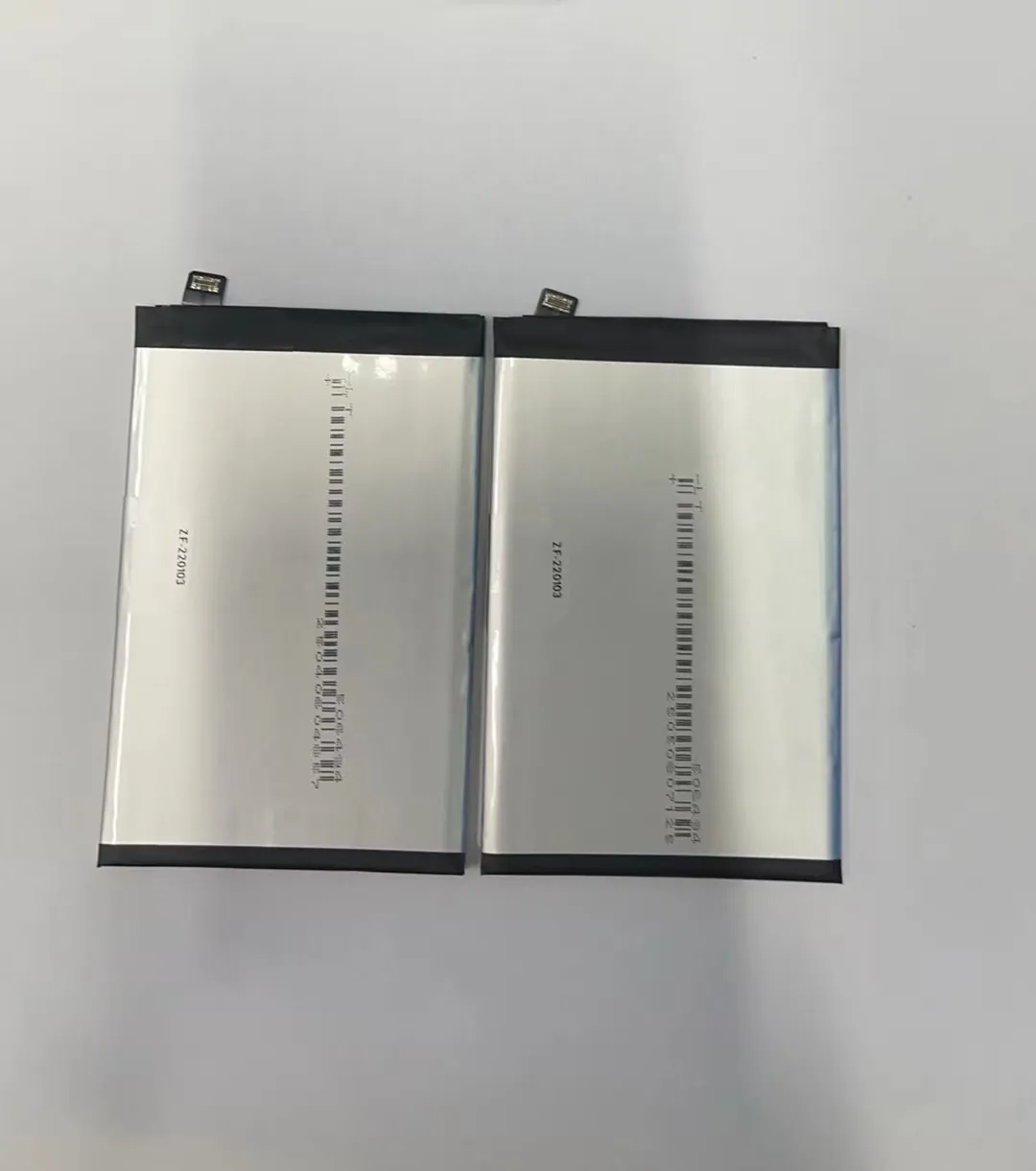
What “overheating” means
A phone can heat up for many reasons. High ambient temperature, high CPU use, or heavy charging can raise the phone’s temperature. When the phone gets above a safe range (usually above ~40–45 °C), the battery chemistry goes into a harmful zone.
Some phones temporarily throttle performance to reduce heat. But repeated exposure to high temperatures still damages the battery.
How heat damages internal components
Inside a lithium‑ion battery, many parts work together. The electrodes, electrolyte, and separator must remain stable. High heat can:
- Break down the electrolyte. This makes it harder for ions to move.
- Thin the separator. This raises the risk of short circuits.
- Damage the electrodes. This lowers the total amount of active material.
Once these components are damaged, they do not repair themselves. The battery’s maximum capacity drops. Eventually the battery cannot hold much charge even when new.
Real use examples
Let’s consider two normal scenarios:
-
Phone left in hot car: In summer, a car can reach 60 °C or higher. A phone inside will also get that hot. Even short exposure can damage the battery. If this happens often, the battery life drops fast.
-
Heavy gaming session: Playing high‑intensity games generates CPU heat. If the phone is in a pocket or a warm place, it cannot cool down. The battery temperature rises above safe levels. Over time, this repeated stress speeds up degradation.
What permanent damage looks like
Permanent damage from overheating means the battery capacity drops and stays low. You will notice:
- The battery drains quickly.
- The phone shuts down at higher percentages.
- The phone gets warm even during light use.
These signs show the battery cannot perform as it used to. A new battery or repair is needed to restore full use.
Can overcharging damage your phone battery?
People often worry about “overcharging.” Modern phones have circuits to stop charging at 100 %. So in theory, leaving a phone plugged in overnight should be safe.
Even though phones stop charging at 100 %, keeping the battery at high charge levels for long times still stresses the battery and speeds up wear.

Why 100 % charge is stressful
When a battery is at its highest charge level, the chemical potential is high. That means the cells are under stress even if no current flows. The stress grows when the phone stays at this high charge for hours.
Repeated cycles of topping up to 100 % and staying there raise the average stress on the battery.
Trickle charging
Phones often use “trickle charging” when close to 100 %. This means they add a small amount of charge to keep the battery at full. Each tiny cycle wears the battery. Doing this night after night increases battery wear over time.
Heat while charging
Charging itself raises battery temperature. If the phone is in a warm place or under a case that traps heat, the temperature can go higher during charging. High temperature plus high state of charge is one of the worst conditions for battery life.
Overnight charging and daily routine
Many people plug in their phone before sleep and unplug in the morning. That means many hours at 100 % charge. The battery stays under stress long after it is full. Over months, this pattern reduces the total life.
Signs of overcharge wear
Signs that frequent high charge levels have damaged the battery include:
- Capacity drops faster than expected.
- The battery gets warm while charging even at low power use.
- The battery shows swelling in rare cases.
Swelling is serious and needs immediate attention. This can happen when internal gases form because of chemical damage.
How to reduce overcharge stress
To reduce this, people can try:
- Charge to around 80 % or 90 % instead of 100 %.
- Avoid overnight charging when possible.
- Use optimized charging settings if the phone supports them.
These practices keep the battery at lower average stress levels and help it last longer.
Why does using cheap chargers hurt the battery?
Not all chargers are equal. A cheap charger may not follow proper safety and power standards. This can harm the battery and the phone.
Cheap chargers can deliver unstable power, wrong voltage, and high current spikes that stress the battery and internal circuits. Over time, this speeds up battery degradation and can even damage the phone.
What a good charger should do
A good charger must provide stable voltage and current. It also needs to match the phone’s charging protocol. The phone and charger communicate to decide the best current to use. Quality chargers handle this properly.
Risks with cheap chargers
Cheap chargers sometimes:
- Lack proper voltage regulation.
- Deliver spikes of high current.
- Use low‑quality components that get hot.
- Do not support proper communication.
These issues can cause the phone to draw more current than it needs. High current raises battery temperature. High temperature speeds up wear as explained before.
When voltage fluctuates, the battery cells experience uneven charge cycles. This also degrades them faster.
Example problems
Here are common problems with cheap chargers:
| Problem type | Effect on phone battery |
|---|---|
| High current spikes | Extra heat, stress on cells |
| Voltage instability | Uneven charging cycles |
| Poor regulator design | Overheating of charger and phone |
| No safety features | Risk of short circuit or damage |
Charger heat and safety
A cheap charger that gets hot means energy is wasted as heat. Heat transfers to the phone. Over time, this heat builds up inside. Battery damage gets worse. Worse chargers can even fail completely and cause safety issues.
Phone and charger communication
Modern phones use smart charging. This means the phone tells the charger how much current to send. Cheap chargers may not support these signals. The result is the phone and charger miscommunicate. The phone may draw more current than safe.
Third‑party charger quality
Not all third‑party chargers are bad. But they must meet standards. Brands that test and certify their chargers are safer. Cheap, unbranded devices are often risky. They may save money at first but cost more in battery health loss.
Adapter and cable quality
It’s not only the charger block that matters. The cable matters too. A low‑quality cable can lose power through resistance. That forces the phone to draw more power. That again raises heat.
What to choose instead
To protect battery health:
- Use original chargers or high‑quality certified ones.
- Avoid ultra‑cheap no‑name chargers.
- Check for safety certifications (e.g., CE, UL).
These simple steps improve battery health and safety over the long run.
Conclusion
Phone batteries suffer from heat, high charge, deep discharge, and bad power parts. These factors cut battery life faster. By avoiding extreme heat, overcharge stress, and cheap chargers, people can slow battery degradation and keep their phones working longer.
