
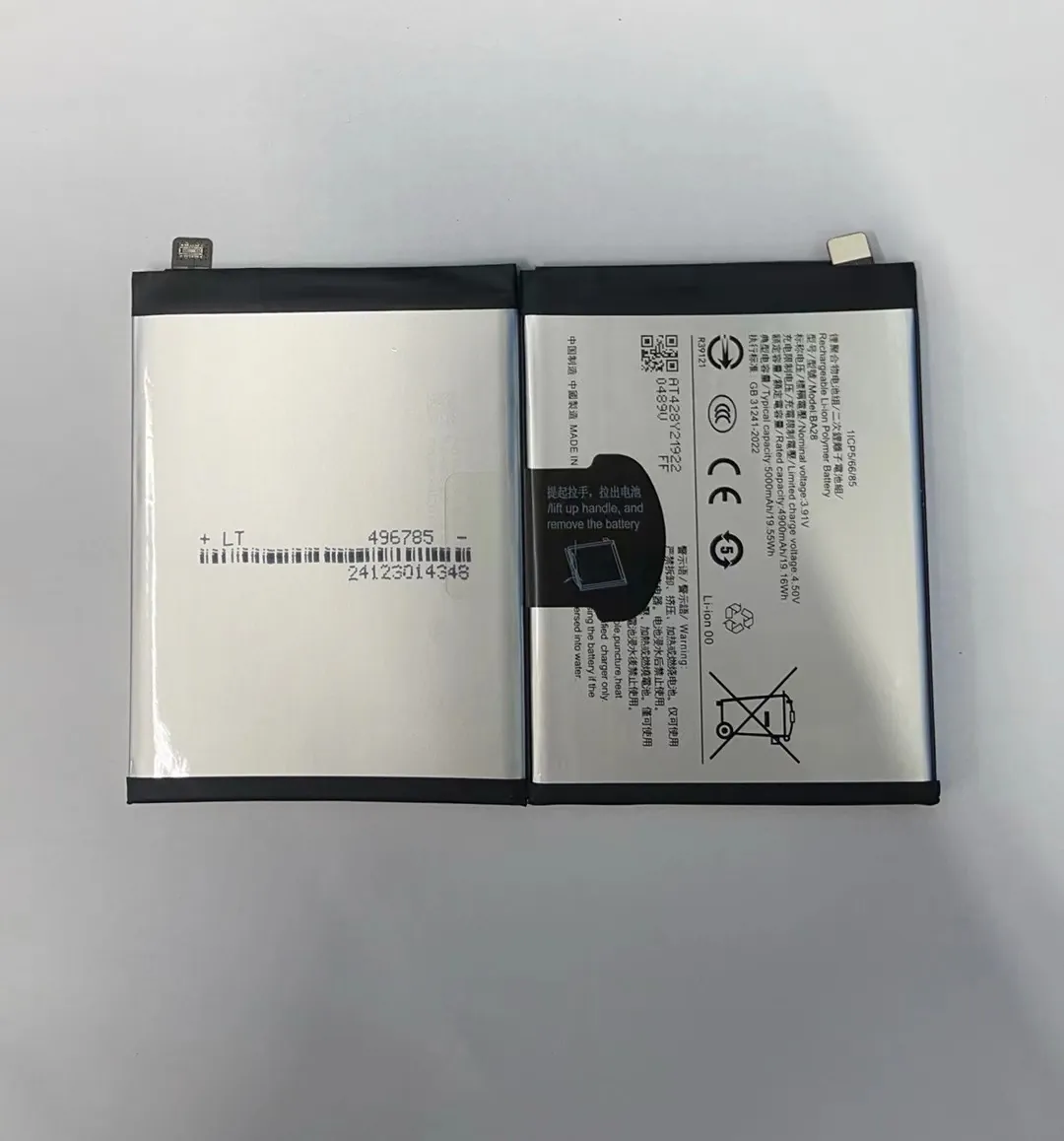
Most people want to get rid of old phone batteries, but they don't know how. Some even try dangerous methods that can cause fires or health risks.
You can safely disable a mobile phone battery using methods like deep discharge or puncture in a controlled setting, but the best option is always professional recycling.
Many people don’t realize the danger hidden inside a tiny battery. But if you don’t handle it the right way, it can explode, leak toxic chemicals, or catch fire. Let me explain all the safe and unsafe ways, based on my years in the phone parts business.
What methods can safely disable a battery?
People often search for ways to "destroy" a battery at home. Some do it out of curiosity, others for disposal. Most methods found online are dangerous.
The safest methods to disable a battery include deep discharge, applying saltwater for passive drainage, or using professional equipment that neutralizes lithium cells.
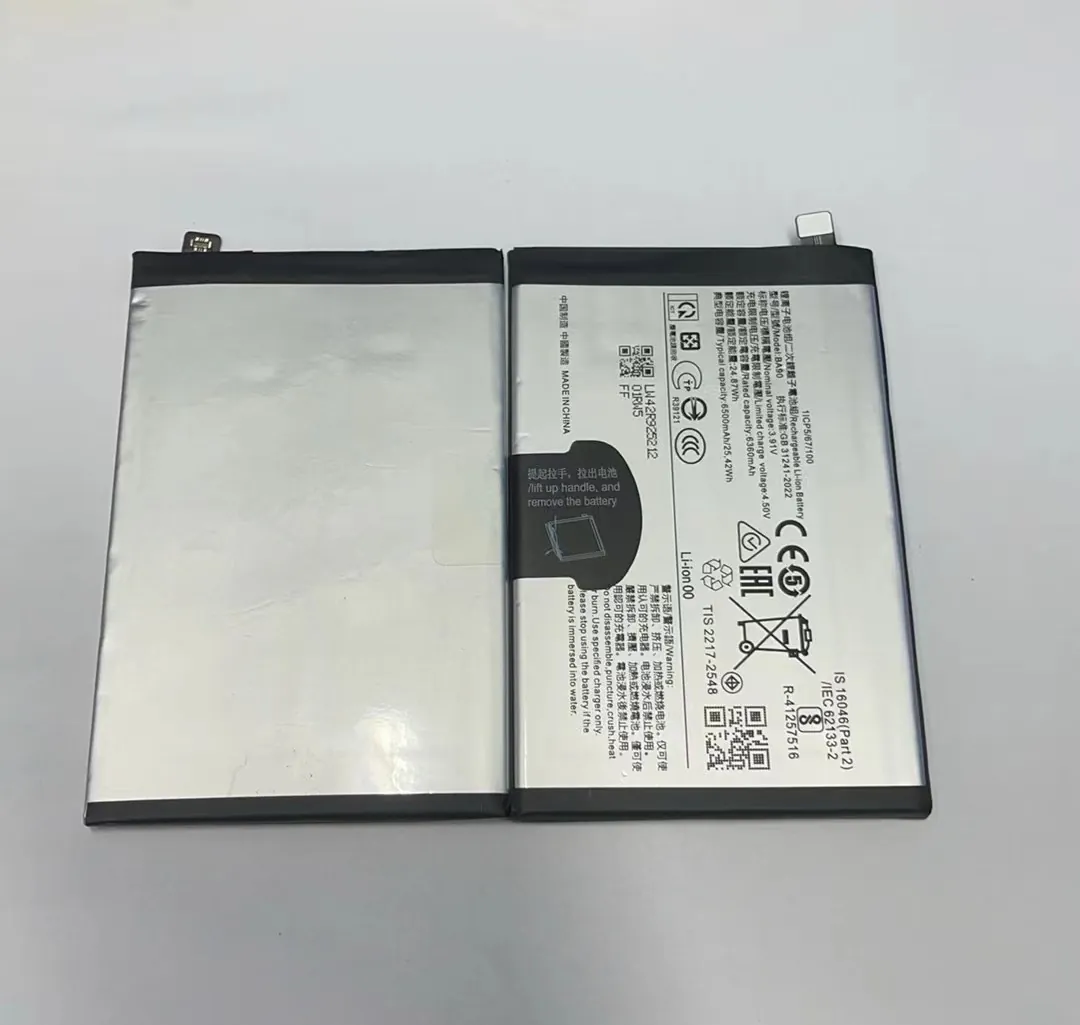
Why you should avoid violent methods
A lithium-ion battery stores a large amount of energy. Puncturing it or exposing it to heat can release that energy all at once. That causes fires or even explosions. So if you're thinking about smashing or burning a phone battery—don’t.
Method comparison table
| Method | Safe at Home | Fire Risk | Environmental Risk | Difficulty |
|---|---|---|---|---|
| Deep Discharge | Yes | Low | Low | Easy |
| Saltwater Submersion | Medium | Low | Medium | Moderate |
| Physical Puncture | No | High | High | Easy |
| Incineration | No | Extreme | Extreme | Easy |
| Professional Neutralization | No | None | None | Hard |
My tested method: deep discharge
In my repair shop, when we need to safely disable batteries before disposal, we use the deep discharge method. This means we drain the battery to zero by letting it run without charging. Then we leave it unused for several days. This drops the charge low enough that it becomes inert.
If you want to try this at home:
- Connect the battery to a low-voltage load (like a small light).
- Let it run until the light goes out.
- Store it in a dry place for at least a week.
Always use gloves and avoid touching any exposed terminals directly.
Why is improper disposal dangerous?
Most people throw old batteries in the trash. They don’t think twice. But batteries are not normal trash. When not disposed of correctly, they become dangerous.
Improper disposal can lead to fire, chemical leaks, and serious environmental pollution.
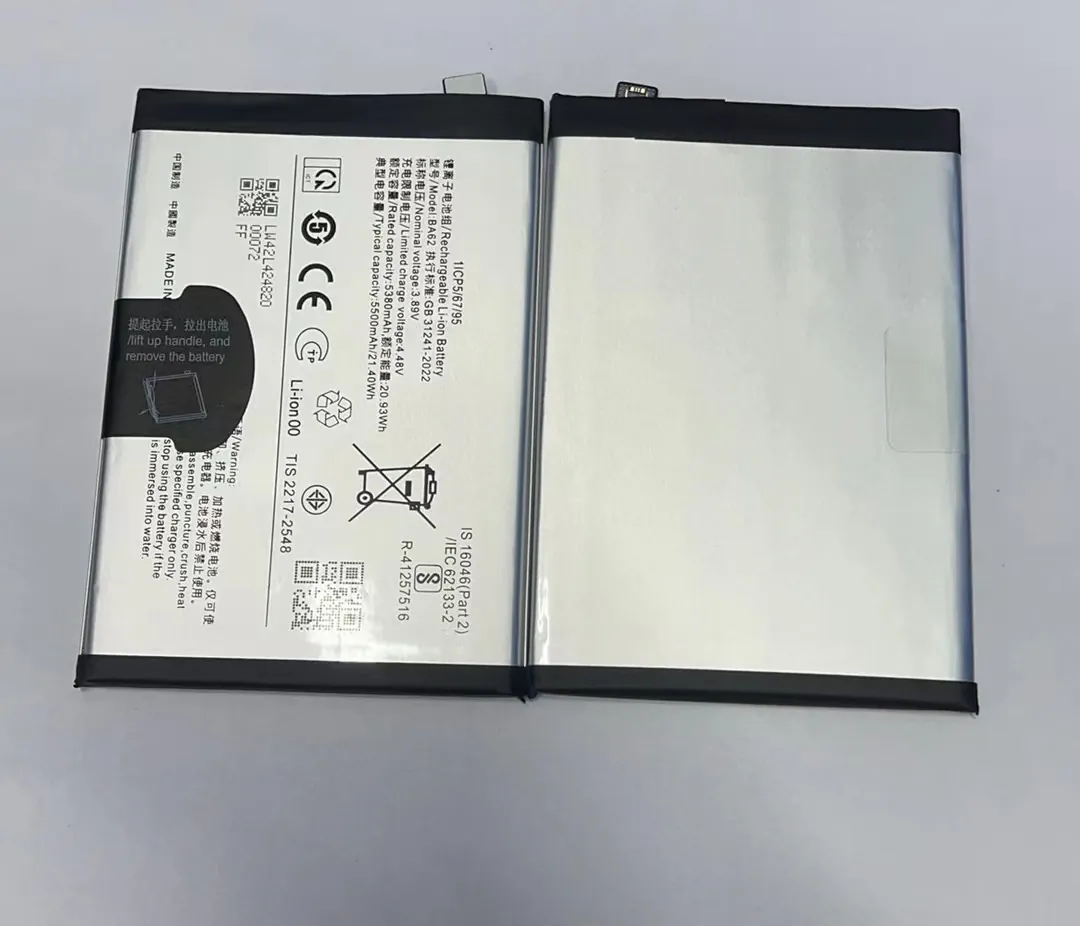
The risk to people and nature
A phone battery contains lithium, cobalt, and other metals. When crushed in a garbage truck, it can spark a fire. When left in a landfill, it can leak harmful chemicals into the ground. These chemicals don’t just stay underground. They enter water supplies. They affect plants, animals, and even people.
Health concerns
If a battery leaks or burns:
- It releases hydrogen fluoride gas, which is highly toxic.
- It can cause skin burns or eye damage.
- Inhaling fumes can damage lungs.
That’s why I always tell my customers: treat batteries like chemicals. Not like trash.
Disposal warning table
| Risk Type | Example Incident | Result |
|---|---|---|
| Fire Risk | Crushed battery in trash compactor | Warehouse fire |
| Chemical Hazard | Leaking battery in landfill | Soil and water pollution |
| Health Risk | Battery burst in home | Lung injury from fumes |
| Environmental | Illegal burning of batteries | Air pollution, toxins |
Can a battery be destroyed without fire risk?
Sometimes, customers ask if they can destroy batteries in water, or just cut them open. They believe it avoids fire. But the truth is, it’s more complex.
Yes, batteries can be destroyed without fire, but only under specific, controlled conditions like chemical neutralization or deep discharge.

Why fire is so common
A lithium battery’s electrolyte is flammable. That’s why physical damage, short circuits, or heat can start a fire. Fire risk increases when:
- The battery is fully charged.
- The battery casing is broken.
- It's exposed to heat or metal.
Safe vs unsafe fire-free methods
Safe:
- Deep Discharge: As mentioned, this removes charge and lowers risk.
- Chemical Neutralization: Used by recycling centers. Not practical at home.
Unsafe:
- Submerging in water: May seem safe, but if terminals short, it can still spark.
- Freezing or heating: Changes pressure inside. Can cause rupture.
My own story
Once, I had a batch of batteries left in a hot warehouse. One battery expanded, then caught fire overnight. Since then, I remind all staff: even unused batteries can be dangerous. We now always store batteries at room temperature and away from metal objects.
Should batteries be destroyed or recycled?
When a battery no longer holds charge, some people want to destroy it. They think it’s useless. But actually, old batteries still hold value.
Batteries should never be destroyed manually. They should always be recycled through proper channels to recover materials safely.
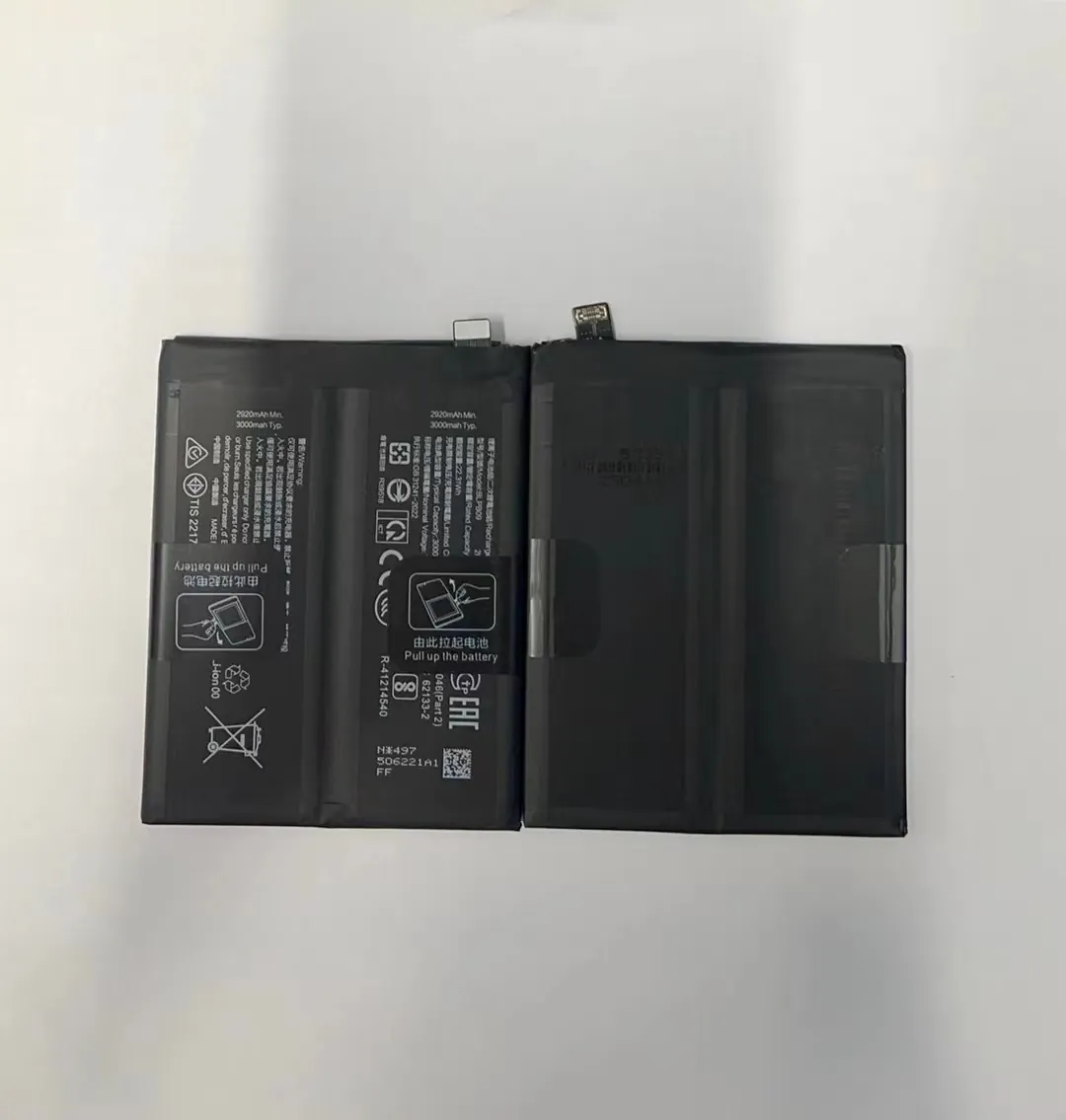
What happens during recycling?
Recycling separates valuable metals from waste. Professional recyclers use safe chemicals and machines to break down the battery without explosion risk.
Recovered materials:
- Lithium
- Cobalt
- Nickel
- Copper
- Aluminum
These are reused in new batteries. This lowers the need for mining and reduces pollution.
Why destroying is wasteful
If you destroy a battery, you throw away metals that are hard to get. You also risk harm. Recycling:
- Reduces waste
- Saves resources
- Prevents pollution
- Is often free or low cost
Where to recycle
Most countries have programs. In my city, we work with a certified recycler who collects our used batteries once a month. If you’re unsure where to go, check local electronics stores or recycling centers.
| Option | Description | Best For |
|---|---|---|
| Local Recycling Center | Government-run or private centers | Households |
| Electronics Store | Some stores collect used batteries | Casual users |
| Phone Repair Shops | Can collect and send in bulk | Businesses |
| Manufacturer Return | Some brands accept used batteries | Brand-loyal customers |
Conclusion
Destroying a phone battery is risky and often unnecessary. The best way to deal with old batteries is safe discharge followed by professional recycling. That protects both people and the planet.
