
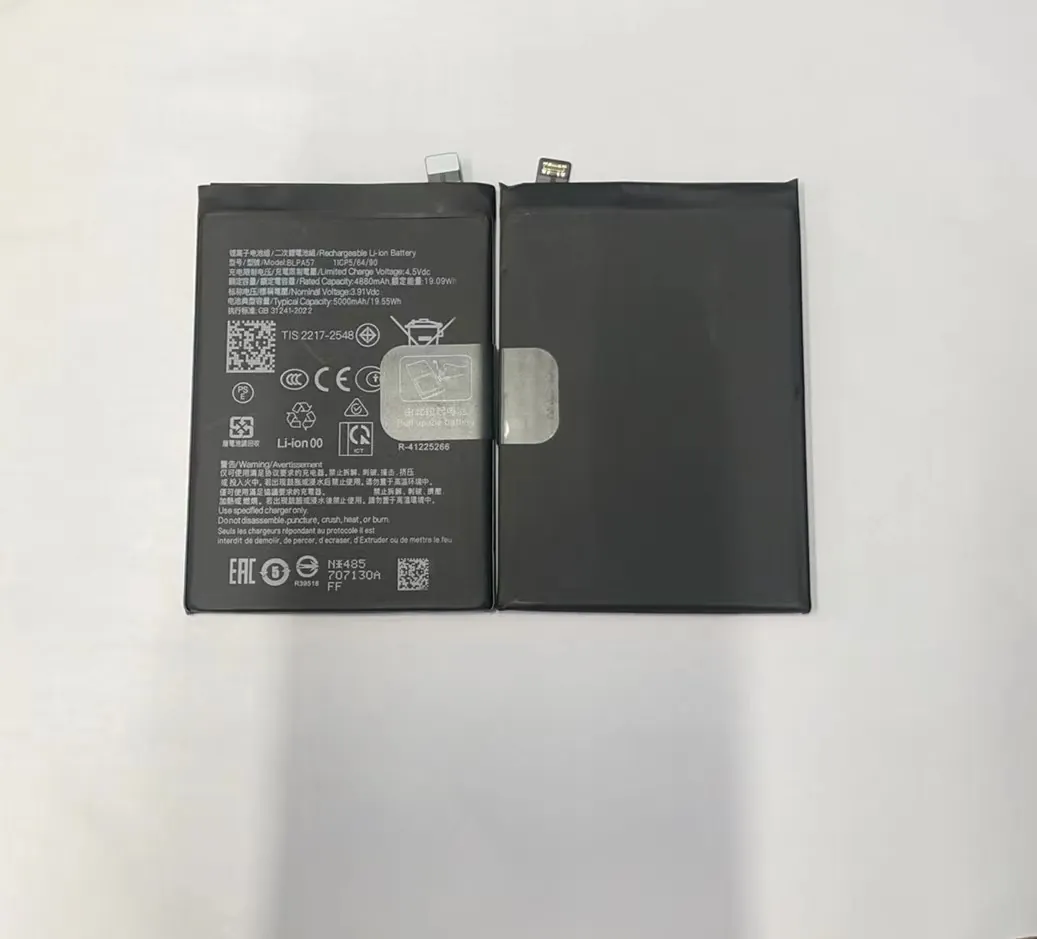
We’ve all faced it: your phone starts the day at 100%, but by mid-afternoon, it’s begging for a charger. That’s frustrating and avoidable.
To keep your mobile phone battery healthy, you need to adopt smart charging habits, avoid battery killers like heat, and use your device with awareness.
Many people unknowingly damage their batteries through everyday actions. If you want your phone battery to last longer, and save money on early replacements, let’s look deeper.
What are the key habits for battery health?
Many people treat phone batteries like they're invincible. But bad habits build up, and one day your battery doesn't last even half a day.
The key habits for battery health include avoiding full discharges, keeping the battery between 20% and 80%, and protecting it from heat.

Avoiding extreme battery levels
The first rule is simple: don’t let your battery go all the way down to 0%, and don’t charge it to 100% every time. Lithium-ion batteries, which most phones use, don’t like extremes. Keeping your phone between 20% and 80% helps reduce chemical stress inside the battery.
Keep the phone cool
Heat is the silent killer of batteries. Leaving your phone in a hot car, using it while charging, or gaming for hours warms up the internals. That weakens the battery fast. Try to use your phone in a cool environment and remove bulky cases when charging, especially during summer.
Unplug when full
Leaving your phone plugged in overnight was okay ten years ago. Now, fast charging and powerful batteries mean full charging happens quickly. If your phone stays at 100% and continues receiving power, it builds up heat and wears the battery faster.
Avoid heavy usage when charging
Many people watch videos or play games while the phone is charging. This causes "charging load stress" — the battery charges while discharging at the same time. That creates heat and drains battery health.
Here’s a quick table of good vs. bad battery habits:
| Good Habit | Bad Habit |
|---|---|
| Unplug around 80% | Charge to 100% every time |
| Charge when it hits 20% | Let battery drop to 0% often |
| Remove phone case while charging | Game or stream while charging |
| Keep away from direct sun | Leave phone in a hot car |
| Use original or certified chargers | Use cheap, unknown-brand cables |
How does charging cycle affect battery life?
If you charge your phone every night, you might be wondering if that’s killing your battery. It’s a smart question.
Each battery has a limited number of full charging cycles — usually around 400-500 — before it starts to lose capacity.
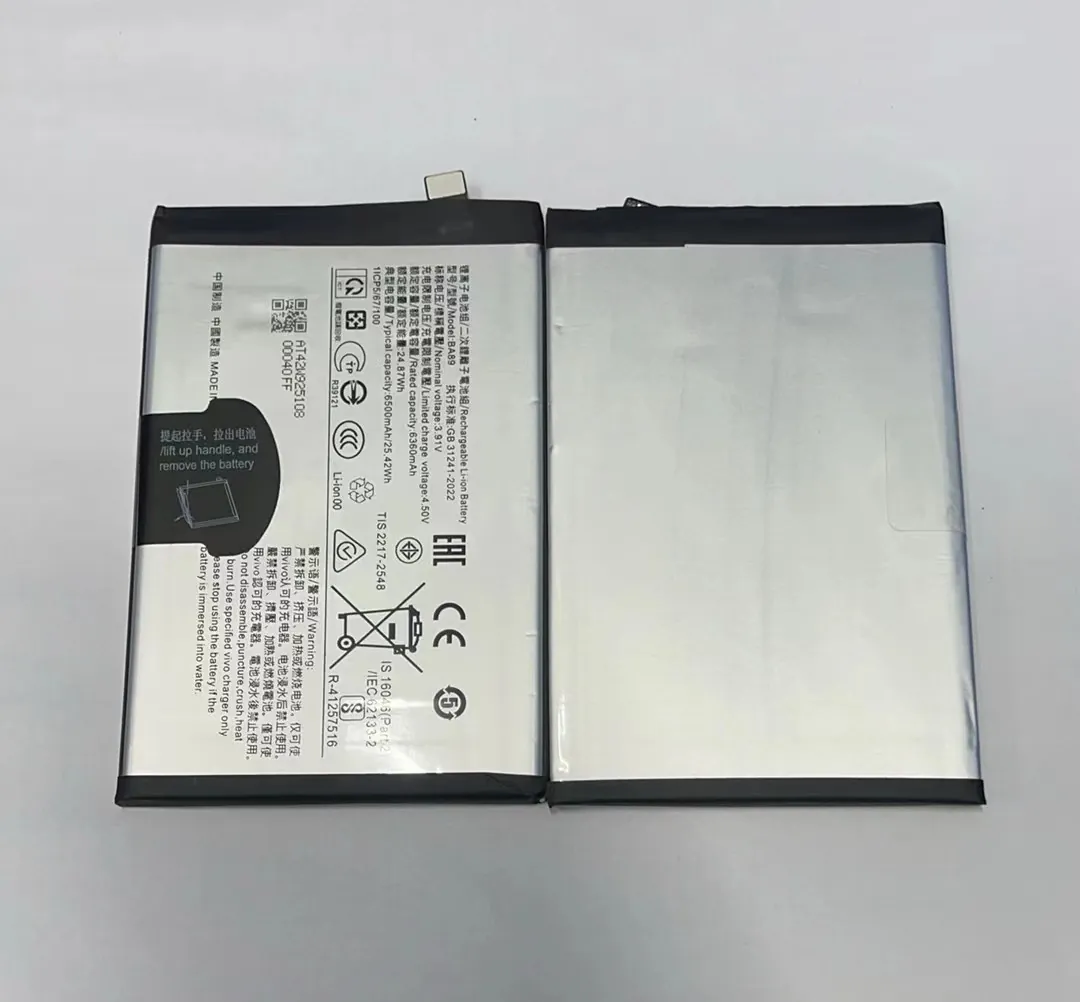
Understanding charging cycles
A charging cycle means using 100% of the battery’s capacity, not necessarily in one go. If you use 40% today, then 60% tomorrow, that’s one cycle.
The more cycles your battery goes through, the more its capacity drops. After 500 cycles, most batteries hold only around 80% of their original charge. That means if your phone used to last all day, it might last only 8-10 hours.
Avoid wasting cycles
Many people waste battery cycles on background apps, auto brightness, or by playing games even when the battery is low. Managing background activity and setting brightness manually can reduce unnecessary battery use.
Here’s a simplified table of how cycle count impacts battery health:
| Charging Cycles | Estimated Battery Capacity |
|---|---|
| 0 - 100 cycles | 100% |
| 100 - 300 cycles | 90% |
| 300 - 500 cycles | 80% |
| 500 - 800 cycles | 70% |
| 800+ cycles | 60% or less |
How to stretch out cycles
Use Wi-Fi instead of 5G when possible. Close unused apps. Use battery saver. Small actions delay the need for more frequent charging and stretch your battery’s useful life.
Can battery saver modes prevent degradation?
When the battery drops, many people hit “Battery Saver” but few understand what it actually does.
Battery saver modes reduce energy demand, helping slow down battery aging by lowering stress on power cells.

What does Battery Saver do?
Battery saver mode usually lowers screen brightness, disables background apps, reduces CPU performance, and turns off visual effects. This reduces power draw and heat, both of which slow battery degradation.
When to use Battery Saver
Don’t wait until 5% to turn it on. You can use battery saver even when you're above 50%, especially during long trips or meetings. Using it early keeps your phone cooler and helps avoid deep discharges, which harm the battery.
But it’s not magic
Battery saver helps reduce usage, but it doesn’t stop degradation completely. If you charge your phone to 100% and leave it plugged in for hours, battery saver won’t fix the damage. It's a helpful tool — not a cure-all.
Combine Battery Saver with smart habits
Using Battery Saver together with good habits (like not overcharging, and avoiding heat) provides the best results. Many phone brands also have extra battery features like adaptive charging or slow charge modes. Use them when available.
Is partial charging better than full charging?
Most people still think charging to 100% is always good. It feels right to start the day fully charged. But it comes with a hidden cost.
Yes, partial charging is better than full charging because it reduces voltage stress and heat, both of which damage battery cells.

Why 100% isn’t ideal
Charging to 100% puts more pressure on the battery. As the battery nears full, voltage increases and charging slows down. This is where heat builds up the most.
Over time, this adds stress to the battery’s internal structure. The battery wears out faster even if you don’t use it much.
80/20 rule
Keeping your battery between 20% and 80% avoids most of this stress. Many tech companies, including Apple and Samsung, have introduced features to limit full charging automatically when the user doesn’t need it.
You can also charge in short bursts. For example, if your phone is at 40%, charge it to 75% instead of going all the way to 100%.
My daily approach
Each morning, I unplug around 85%. If I know I’ll be outside all day, I let it go to 90%. I avoid overnight charging, and use a smart plug with a timer when needed. These small steps help keep battery health above 90% even after a year.
Use slow charging if possible
Fast charging is convenient but generates more heat. When you’re not in a hurry, use a slower charger. It’s easier on the battery. Some phones allow users to set charging speeds in the settings — check if yours does.
Conclusion
Keeping a mobile phone battery healthy is not difficult. It just needs a few smart choices: avoid heat, unplug before 100%, and use battery-saving tools. With good habits, your battery will stay strong for years.
