
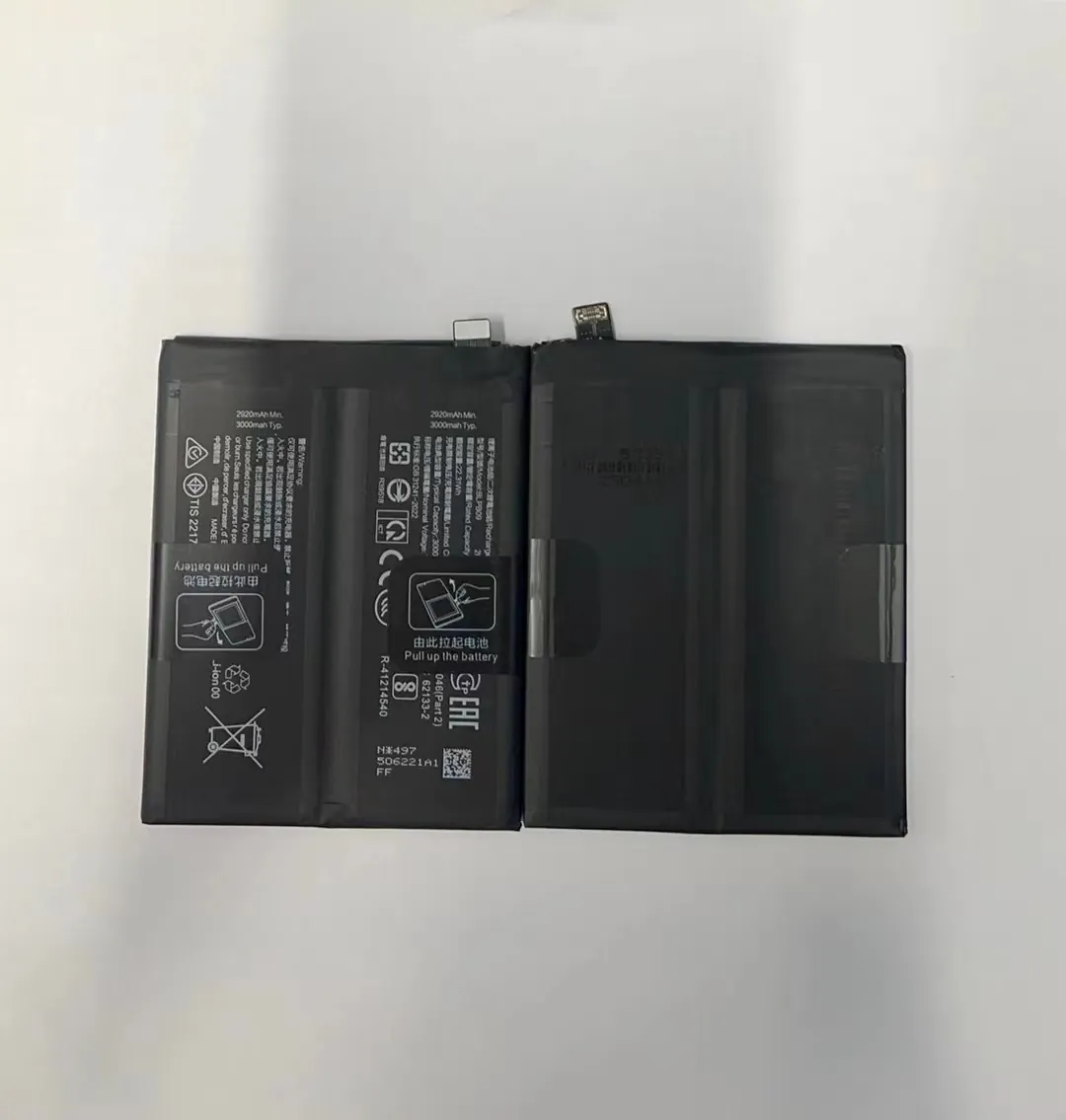
Do you know how a tiny battery inside your phone is made? It feels magical when a small battery powers heavy tasks. That magic hides many careful steps and real effort.
Manufacturing a mobile phone battery needs the right raw materials, precise cell assembly, strict quality control, and large‑scale factories. Each part of the process must match high standards. A small mistake can spoil the battery or cause danger.
Below I describe what you need to know. I break down the raw materials, how cells are built, why quality matters, and where factories carry out mass production. This helps you understand full battery making.
What materials are required?
Imagine putting random parts into a battery. That could be risky or give a weak battery. Good materials matter a lot.
Phone battery materials include metal foils for electrodes, chemical powders for active layers, separators, and electrolyte solution. Each material must match purity and safety standards to ensure proper capacity and safe operation.
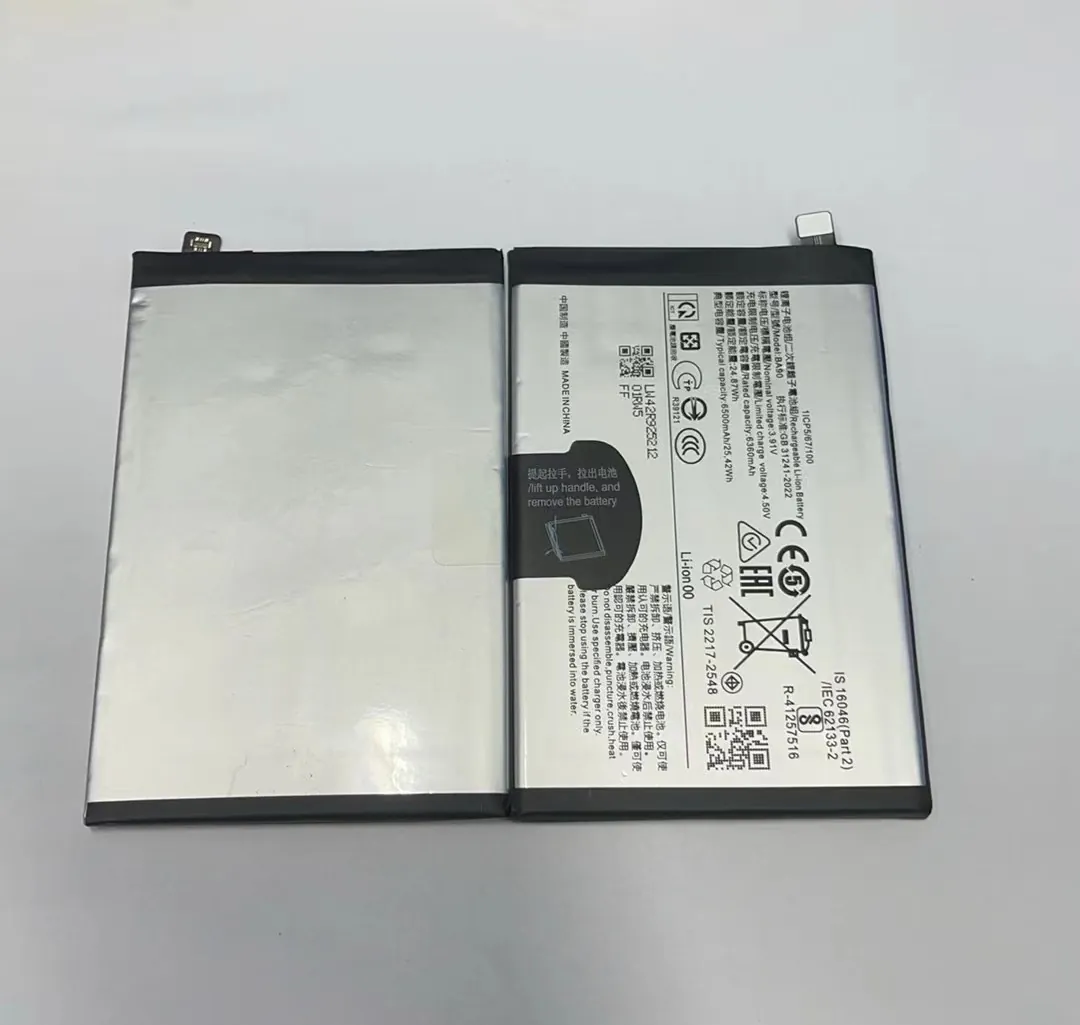
Building a mobile phone battery starts with basic materials. Without the right materials, the battery will fail or become unsafe. I list the main materials below and why each matters.
Key materials and why they matter
| Material | Purpose | Key Requirements |
|---|---|---|
| Anode foil (e.g. copper) | Negative electrode | High electrical conductivity, clean surface |
| Cathode foil (e.g. aluminum) | Positive electrode | Good conductivity, chemical stability |
| Active materials (e.g. lithium‑ion compounds) | Store and release electric charge | High purity, correct chemical mix |
| Separator film | Keep electrodes apart | Thin, uniform, no defects |
| Electrolyte solution | Ion carrier | Clean, stable, correct concentration |
| Binder and additives | Help active material stick | Safe, reliable chemicals |
Each material plays a role. The metal foils act as conductors. The active material holds the energy. The separator prevents short circuits. The electrolyte moves ions. If any part is poor, battery may underperform or fail.
Beyond the core parts, small elements also matter. For example: tiny tabs for welding terminals; insulating films for safety; packaging casings that hold cells; labels or stickers for information; and protective layers so battery handles stress. Using low‑quality foil may make the battery resist poorly. Using impure active powder may reduce capacity or cause dangerous reactions. Using a bad separator may cause short circuits.
Suppliers often test every batch of materials before using them. They check foil thickness, material purity, chemical composition, mechanical strength. Good factories reject poor materials. That helps keep final battery safe and stable.
I learned in practice that matching material standards is not optional. It is the base for everything. If materials are weak, no amount of good assembly will make a good battery.
In short: reliable raw materials give a reliable battery.
How are battery cells assembled?
Putting battery parts together looks simple. But small mistakes can break the cell or shorten its life. So assembly needs care.
Battery assembly follows steps: coat electrodes, cut foils, stack or roll layers, insert separators, add electrolyte, seal cell. Each step must follow precise order and strict conditions to make safe working cells.
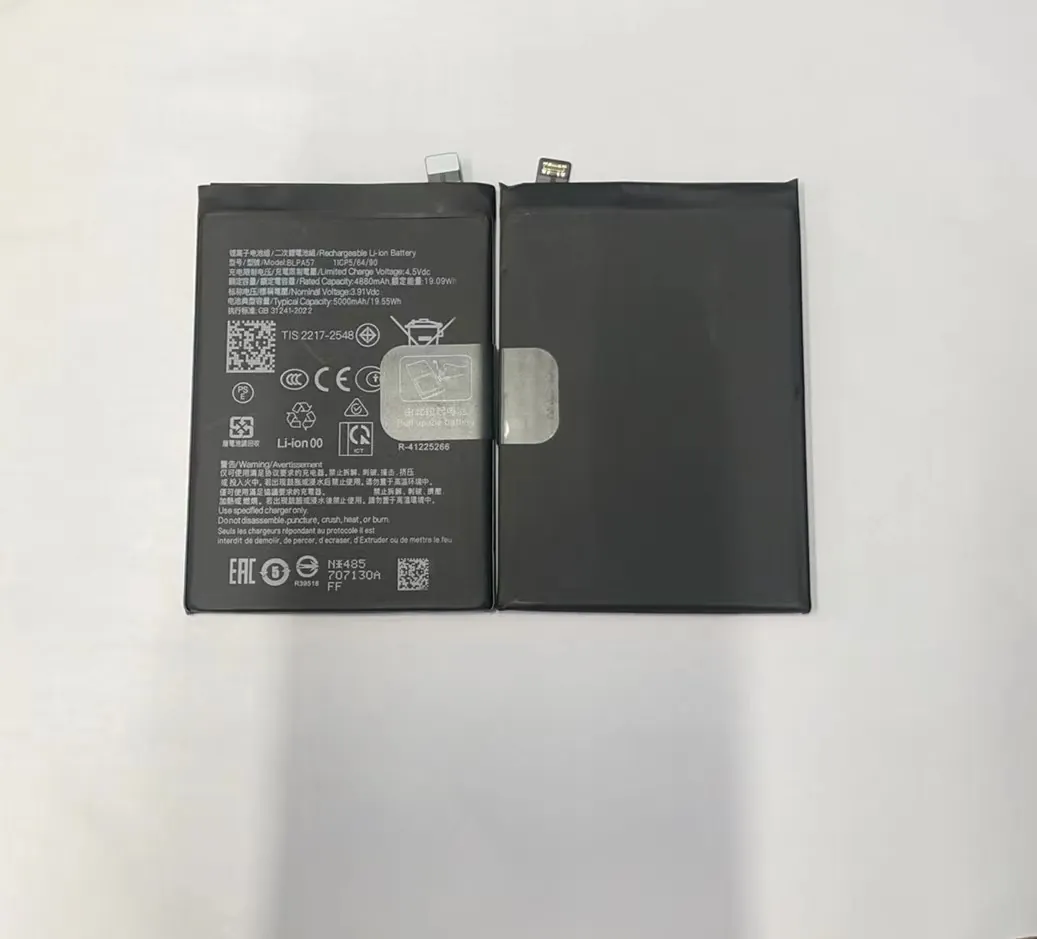
Making a battery cell involves several steps. Each step must follow strict rules. I describe key stages and why each matters. I also show how factories handle this.
Steps of cell assembly
- Electrode coating. The active material powder mixes with binder and solution. That mix coats onto metal foil. Then the coating dries under controlled temperature and humidity.
- Cutting foils. After drying, electrodes are cut into shapes for anode and cathode. Correct size matters for fitting and performance.
- Stack or roll layers. For many phone batteries, the cell uses a rolled design. Layers of cathode, separator, anode roll tightly. This creates many small energy units in compact form.
- Electrolyte filling. After sealing three sides of pouch or can, electrolyte solution adds. Then the cell rests so electrolyte spreads evenly. That ensures consistent ion flow.
- Final sealing and packaging. After filling, the cell is sealed fully. Then tabs are attached for external contact. Then the cell is tested electrically.
| Step | What is done | Typical control or check |
|---|---|---|
| Coating | Apply active layer to foil | Check coating thickness, uniformity |
| Cutting | Cut electrodes to size | Measure dimension precisely |
| Stacking/Rolling | Build layers | Control alignment and pressure |
| Electrolyte filling | Inject electrolyte | Control volume and avoid air pockets |
| Sealing | Seal pouch/can | Check seal integrity |
| Tab welding | Attach contact tabs | Check weld strength |
The coating must be even. If one spot is thinner, that cell area will work worse. The cut edges must align so the spiral stack is tight. Loose or misaligned layers reduce capacity and may cause hot spots. During electrolyte filling, if air bubbles remain, ions cannot reach parts of the cell. That lowers performance and may cause internal damage. If sealing is weak, electrolyte can leak. That is dangerous and shortens battery life. If tabs weld poorly, cell may lose contact or heat at connection. That risks failure or fire.
Factories often run each step under clean room conditions. They control dust, humidity, temperature. Workers or machines must keep high precision. They measure weights, thickness, size, pressure. They track parameters in logs. They reject any cell out of spec. That is part of good manufacturing practice.
I recall an example: a batch of cells failed final test because coating thickness was just slightly low. That caused low capacity. Factory scrapped whole batch. It cost time and money. But it saved from shipping bad batteries. That shows why assembly precision cannot be ignored.
In real manufacturing, assembly happens in semi‑automated or fully automated lines. Machines do mixing, coating, rolling or stacking, filling, sealing. Automation reduces human error. It also keeps consistency when making thousands or millions of cells. Quality control at each step cuts risk.
So careful assembly under strict process ensures the battery works strong and safe.
Why is quality control critical?
Imagine a battery cell leaks or overheats in your pocket. That could be scary. Skipping quality control is risky business.
Quality control ensures each battery meets capacity, safety, and reliability standards. It catches defects early. That avoids failures and protects users’ safety.
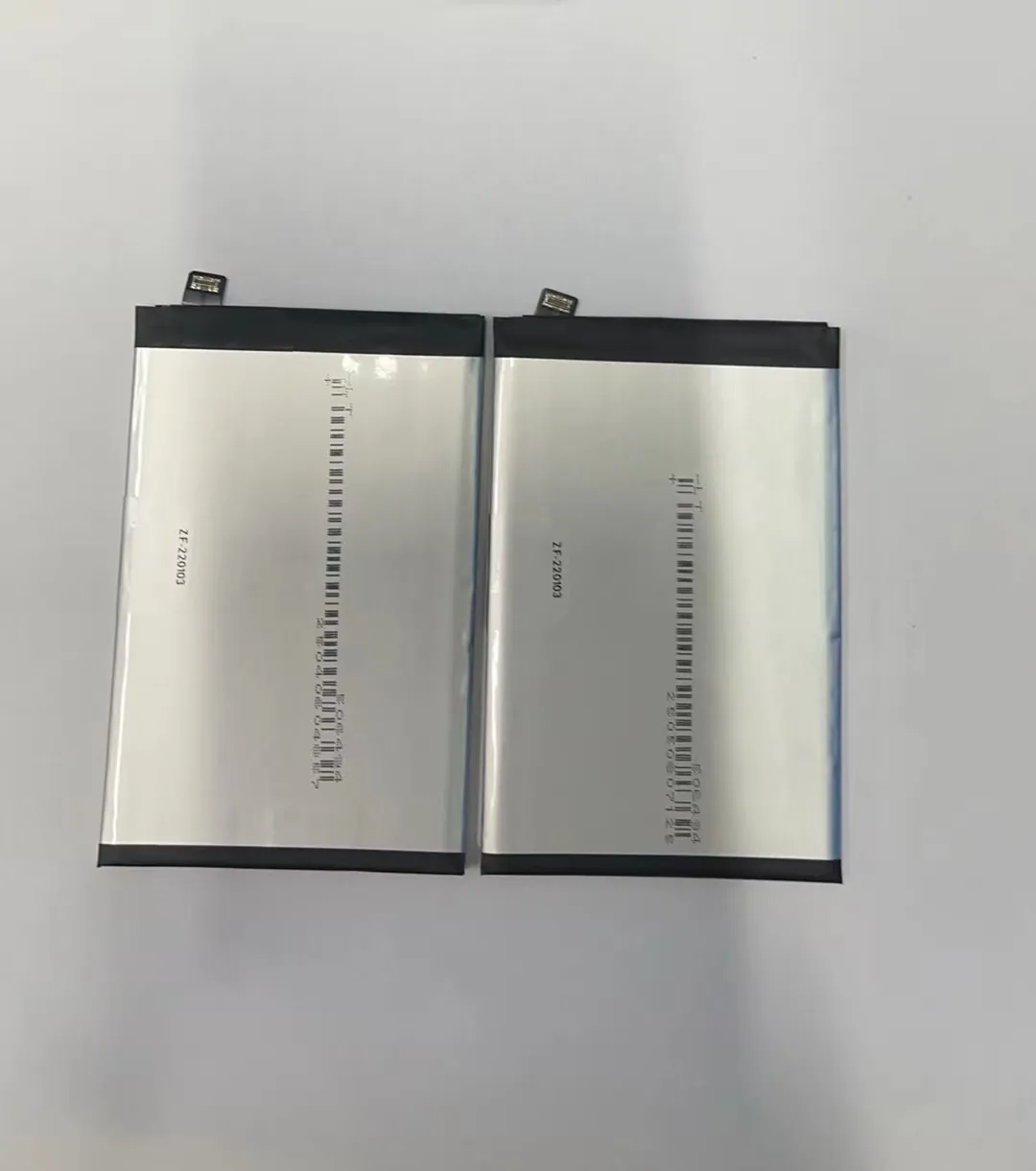
Quality control is the guard in battery manufacturing. It finds issues early. It ensures each battery cell meets performance and safety needs. I explain how and why QC matters in deeper detail.
What quality control checks are common
Good factories apply many tests. They check raw materials. They test electrode coatings. They inspect cell sealing. They measure capacity. They test for short circuits. They do stress tests. They simulate real use. They check over‑charge and over‑discharge behavior. They test thermal safety. They monitor all cells before shipping.
They also perform sample aging tests. They store some cells in warm or cold conditions. They charge and discharge many times. They measure capacity loss. They monitor swelling or leakage. That reveals long‑term problems.
Risks without quality control
If a battery cell has a tiny defect — maybe a small impurity, or a micro‑short between layers, or a weak seal — it may pass initial assembly but fail later. Problems include:
- Reduced battery capacity or runtime
- Short battery life after few charges
- Internal heating or self‑discharge
- Swelling or leakage of electrolyte
- Fire or explosion in worst case
Such failures harm users and damage brand trust. They may lead to returns or liability issues. For wholesale or B2B suppliers, this risk is high. Selling many units with hidden defects can ruin reputation and bring heavy costs.
How QC fits into supply chain
For a battery maker, QC starts from incoming materials. They test each batch before use. During assembly they monitor process parameters. After assembly they run electrical, safety, and aging tests. Finally, after packaging they sample test often. They track defects. They scrap bad units. They only ship passed batteries.
QC also includes record keeping. They log batch numbers, test results, rejection reasons, repair records. This traceability helps if problems appear later. They can recall faulty lots and stop shipping. That protects users and the company.
I know from past audits: one batch failed safety after 500 cycles test. That batch had microscopic impurity in active material. Without long-term tests, failure would happen in months. QC caught that before shipping. That saved many possible returns and risk.
Thus quality control is not optional. It keeps safety, performance, reliability. For phone battery manufacturing, QC is the line between success and disaster.
Where does mass production occur?
A big battery maker factory in remote place may make thousands of batteries a day. That scale seems far away, but it happens every day.
Mass production of phone batteries occurs mainly in large factories in regions with developed supply chains. These factories handle raw material supply, assembly lines, and QC systems to produce millions of cells yearly.
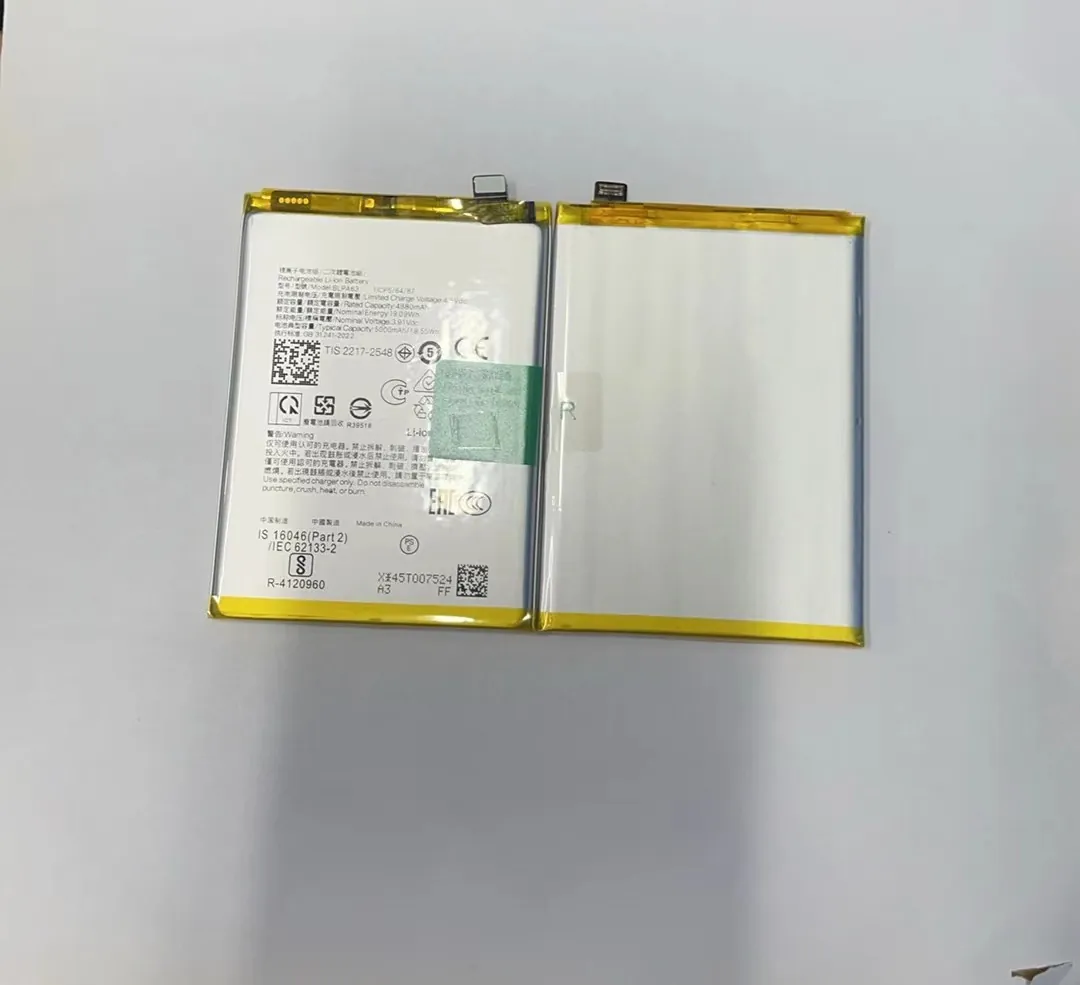
Phone battery mass production happens in regions with strong supply chains, skilled workforce, and good infrastructure. I describe typical locations, factory setup, and why scale matters.
Where factories are located
Large factories tend to be in industrial areas near raw material suppliers and shipping hubs. In many cases, such factories cluster in manufacturing zones. These zones offer access to metal foil suppliers, chemical providers, logistic services, and ports for export. The close location reduces cost and time for raw material transport. It also helps manage supply chain faster.
Factories also locate near labor pools. Skilled workers or technicians handle assembly, QC, maintenance. Nearby cities offer housing, transport, and services. That helps keep labor stable. Also factories choose areas where laws and regulations support manufacturing, with safety and environmental rules.
Many battery factories serve global demand. They export finished batteries to many countries. That means factories must follow export standards, packaging rules, shipping safety laws. They often use good logistic partners to deliver overseas.
What a mass‑production factory looks like
Inside such a factory, there are big clean rooms. There are vast storage zones for raw materials. There are long assembly lines. There are separate zones for coating, cutting, stacking/rolling, electrolyte filling, sealing, tab welding. There are QC labs. There are aging rooms for testing. There are packing areas. There are offices for logistics and export.
Workers or machines move in strict flow. Materials enter at one end. Finished safe cells exit at another. The factory makes thousands or millions of batteries a month. They use automation to ensure consistency. They track each batch carefully. They log data. They monitor temperature, humidity, test results.
Why mass production matters
Mass production allows low cost per unit. It also enables large supply for global market. For phone brands and repair companies, cheap and stable supply matters. For wholesalers or B2B buyers, mass‑produced batteries give reliable stock and consistent quality if factory follows QC. Without mass production, supply fluctuates. Prices may rise. Delivery may delay.
Also mass production allows factories to invest in good testing and automation. This level of quality and safety is hard at small scale. So bulk buyers benefit.
Therefore battery mass production tends to happen in well‑equipped factories, in zones that link raw materials supply, skilled labor, export logistics, and proper regulation. That is the backbone for supplying millions of phone batteries worldwide.
Conclusion
Manufacturing a mobile phone battery needs correct materials, careful assembly, strict quality control, and large-scale factories. Every step matters. A reliable battery comes from discipline and good practice.
