

Most people want their phone battery to last longer every day and over the years. Many habits, settings, and daily choices affect how long a battery stays healthy.
Good battery care combines smart charging, proper temperature, and daily habits that reduce stress on the battery.
In this article, I explain everyday methods to protect battery health, whether full charges help, if dark mode actually saves power, and how often you should check your battery status.
What daily habits protect battery health?
It is easy to ignore the small habits that shape battery life. But daily choices matter more than most people think.
Daily habits like avoiding extreme heat, charging before the battery is very low, and reducing background activity can help keep the battery healthy.
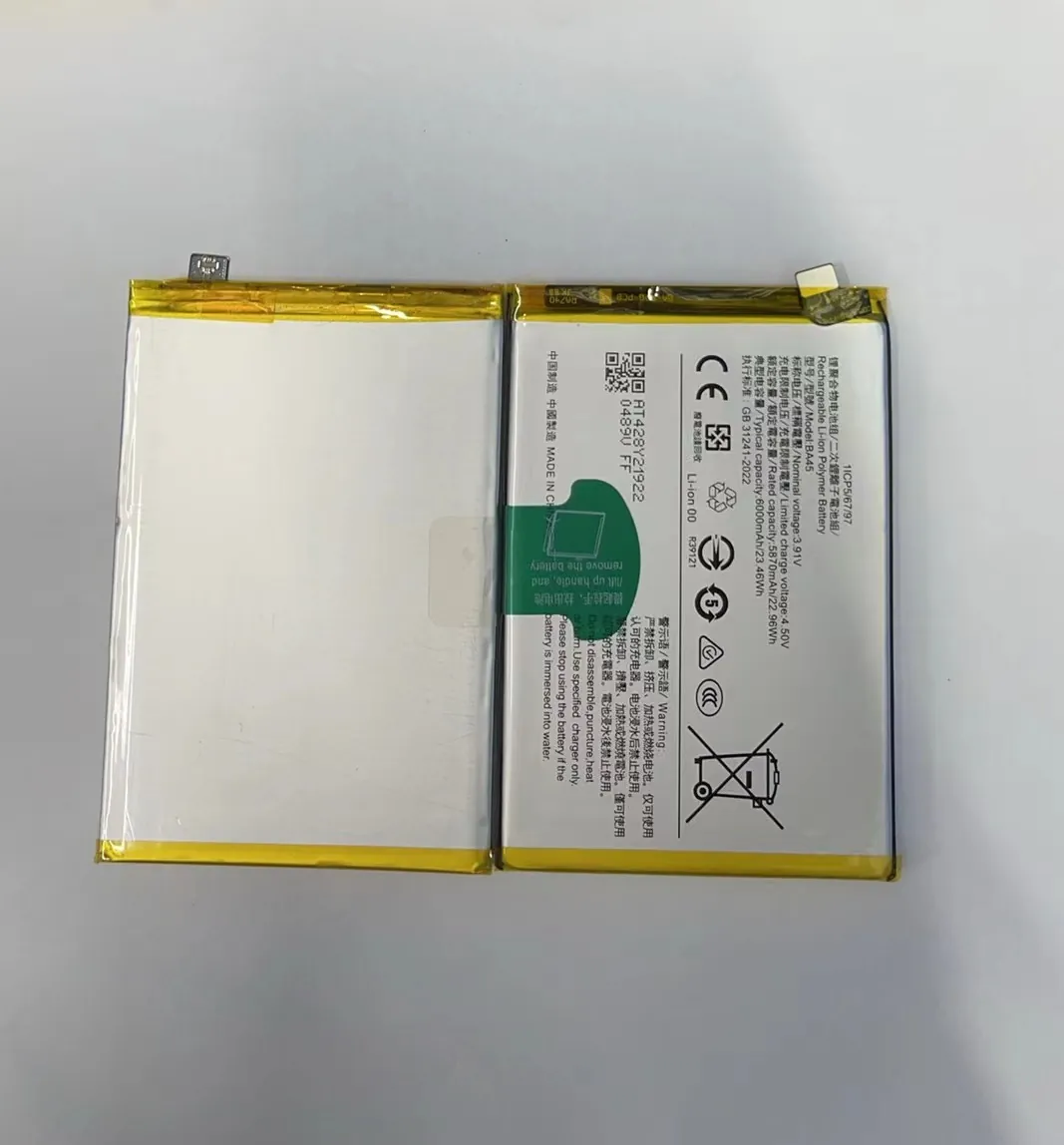
The battery inside a phone is made to handle thousands of charge cycles. But how you use the phone makes a big difference in how fast the battery ages. Small changes to routines can slow down battery wear.
Key daily habits that protect battery health
| Habit | Why it helps | Easy to do |
|---|---|---|
| Keep phone cool | Heat accelerates battery wear | Avoid hot cars & direct sun |
| Charge before low | Deep discharges stress battery | Plug in around 20–30% |
| Moderate brightness | Reduces screen power use | Use adaptive or lower brightness |
| Close unused apps | Lowers background drain | Swipe away unused apps |
| Use Wi‑Fi over 5G | Uses less power | Switch when available |
| Turn off unused radios | Saves energy | Disable Bluetooth/GPS when idle |
Avoiding heat
Heat is one of the biggest enemies of battery health. High temperatures speed up chemical reactions inside the battery that degrade it faster. If you leave a phone in a hot car or on a sunny surface, the battery ages faster.
Trying to keep the phone cool is a simple daily habit. Even small things like cases that trap heat can make a difference. When charging, phones naturally warm up, so placing them on a hard, cool surface instead of under pillows can help.
Charging at moderate levels
Charging the battery before it drops too low helps reduce stress on the battery. Deep discharges — letting the battery go to near zero often — cause more wear over time. A simple rule is to charge when the battery is around 20–30% remaining.
Similarly, avoiding keeping the battery at a full 100% all the time helps. While it is okay to reach full charge, prolonged time at 100% can stress the battery chemicals.
Managing screen brightness and background use
The screen uses more power than almost anything else in a phone. Lowering brightness, especially indoors, can save battery and reduce charging frequency. Many phones have adaptive brightness that adjusts automatically based on light conditions.
Apps running in the background also use power. Closing apps that are not needed or disabling background refresh for apps that you rarely use can reduce energy drain.
Choosing Wi‑Fi over cellular
Cellular radios, especially 5G, can use more power when signal strength is weak or when switching between network types. When Wi‑Fi is available, using it saves energy and often gives a more stable connection with less battery use.
Turning off unused radios
Bluetooth, GPS, and other radios consume power even when not actively used. Turning them off when not needed — like at night or when not using navigation — saves small amounts of power that add up over a day.
Consistency matters
No single habit will fix battery life completely. But combining these daily practices helps the battery stay healthier longer, which means fewer battery replacements and better phone performance over time.
Should I avoid full charges and discharges?
People have many questions about charging patterns. Some advice is rooted in older battery types. Today’s batteries behave differently, and modern charging systems are smarter.
Avoiding extreme states — letting the battery go to zero or staying at 100% all the time — tends to reduce long‑term wear on lithium‑ion batteries.

Understanding why helps make smart charging choices. Modern phones use lithium‑ion chemistry that prefers being in the middle range rather than always empty or always full.
How lithium‑ion batteries age
| Charging Pattern | Effect on Battery | Best Practice |
|---|---|---|
| Full discharges | Stresses battery | Avoid regular deep drops |
| Full charges | Increases stress if held long | Charge but don’t leave at 100% |
| Partial charges | Best for health | Charge around 30–80% often |
| Fast charging often | Slightly more heat | Use when needed, avoid heat |
Lithium‑ion batteries wear out through chemical changes inside. These changes happen faster if the battery spends lots of time at very high charge levels or if it goes very low before charging.
Why deep discharges hurt
Letting the battery go to zero once in a while is fine. But making a habit of deep discharges adds stress. Each deep cycle counts more toward battery aging than smaller, moderate cycles.
Charging when the battery hits around 20–30% helps keep stress lower. It also means you are less likely to suddenly run out of power when you need the phone.
Why staying at 100% hurts
Holding a battery at a full 100% charge for long periods — like overnight every day — increases internal stress because the battery cells are packed with energy. The longer they stay full, the more stress builds up.
Most phones have battery protection features now. They slow charging near 100%, pause at high levels, or learn your routine to finish charging just before you wake up. These features help reduce the time the battery spends at full charge.
The middle range is best
Keeping the battery between roughly 20% and 80% for most of the time is generally best. It reduces the extremes that cause stress. It does not mean you must never charge to 100%, but frequent full charges with long idle time at the top can age the battery faster.
Fast charging consideration
Fast charging is convenient and does not inherently damage the battery. But it can generate more heat. Heat is what actually harms the battery more than the speed itself. If fast charging causes warmth, consider removing any thick case or switching to slower charging at night.
Practical charging tips
- Charge in small bursts when possible.
- Avoid full 0–100% cycles every day.
- Use smart charging features on your phone.
- Remove heavy cases during charging to reduce heat.
By understanding how charging patterns influence battery aging, it becomes easier to choose habits that preserve battery health over years.
Can dark mode help save battery power?
Dark mode has become popular not only for style but also for its potential to save battery life. But whether it helps depends on the type of screen your phone uses.
Dark mode can reduce battery use on phones with OLED or AMOLED screens, but the savings on LCD screens are minimal.
Different screen technologies light pixels differently, and that affects how dark mode works in practice.
Screen type matters
| Screen Type | Pixel Lighting Method | Dark Mode Effect |
|---|---|---|
| OLED/AMOLED | Each pixel emits its own light | Dark mode saves power |
| LCD | Backlight lights pixels | Little or no savings |
Why dark mode saves power on OLED
OLED and AMOLED screens light each pixel individually. In dark mode, many pixels are turned off or dimmed, so they do not use as much energy. This can lead to noticeable savings, especially in apps with mostly dark backgrounds.
On an LCD screen, however, a backlight shines through the entire display regardless of content. Dark pixels are simply filters, and the backlight still uses nearly the same power. Because of this, dark mode may not make much difference on LCD phones.
How much power dark mode saves
Dark mode saves more energy when:
- The screen is displaying a lot of dark space.
- Brightness is high.
- You use the screen frequently.
The actual amount of savings varies. Some studies show modest improvements in battery life with dark mode on OLED phones in real‑world use.
Focus areas for best savings
Dark mode helps best when combined with other habits:
- Lower brightness
- Shorter screen‑on time
- Dark wallpapers
- Dark themes in frequently used apps
Dark mode alone is helpful, but it is not a major battery savior by itself. When used with practical habits like brightness control and reducing screen time, it contributes to overall battery preservation.
Accessibility and comfort
Beyond battery savings, many users prefer dark mode because it reduces eye strain in low light. That comfort benefit can be a good reason to use dark mode even if the battery savings are small.
In summary, dark mode helps more on OLED screens and is part of a battery‑friendly routine when combined with good usage habits.
How often should I check battery status?
Understanding battery health is one step toward preserving it. But how often should you check it?
Periodically checking the battery status — about once a month — helps you see trends in health and discover issues early.

Battery status tools show current capacity, cycle count, and health relative to when the phone was new. These metrics help you judge whether the battery is aging normally or if habits need adjustment.
What battery status indicators mean
| Indicator | What It Shows | Why It Matters |
|---|---|---|
| Maximum Capacity | Current capacity compared to new | Lower numbers show aging |
| Cycle Count | Number of full charge equivalents | Higher count means more wear |
| Temperature History | How hot the battery runs | Heat accelerates aging |
| Peak Performance | If battery supports peak loads | Important for speed and stability |
How to check status
Most phones include a battery health section in settings. It shows maximum capacity as a percentage of the original. For example, 90% means the battery holds 90% of what it could when brand new.
Apps and system tools may also show:
- Cycle count estimates
- Historical usage patterns
- Charging heat data
Why monthly checks are helpful
Checking once a month gives a trend instead of random snapshots. Trends show whether the health is stable, dropping quickly, or showing unusual patterns.
Sudden drops in capacity or unexpected behavior — like rapid draining or shutdowns — may signal:
- Background app issues
- High heat exposure
- Charging problems
- Hardware faults
What to do with the information
If the battery health drops significantly over a short time, adjust daily habits:
- Reduce full charges
- Avoid heat
- Use adaptive brightness
- Turn off unused features
If issues persist, professional battery replacement may be needed to restore normal performance.
When not to check too often
Monthly checks are enough for most people. Daily checks may lead to unnecessary worry. Batteries age slowly, and small day‑to‑day changes are not meaningful.
Conclusion
Preserving phone battery life is about building good daily routines. Charging between 20–80%, avoiding extreme heat, using dark mode on OLED screens, and checking battery health about once a month all help keep the battery healthier longer. Small changes add up and protect battery performance over years.
