

When your phone dies at the worst moment you feel panic. You want to fix it fast. Many people make mistakes that hurt their battery life.
Charging your phone right can help your battery last longer and keep your phone working well.
This article explains safe ways to charge your phone. It also looks at slow charging, good habits, and whether third‑party chargers are safe.
What is the safest way to charge your phone?
Charging your phone seems simple. But many people do it the wrong way. This can shorten battery life. The best way keeps your battery healthy and avoids damage.
The safest way to charge your phone is to use the right charger and avoid extreme battery levels. This helps the battery stay healthy longer.
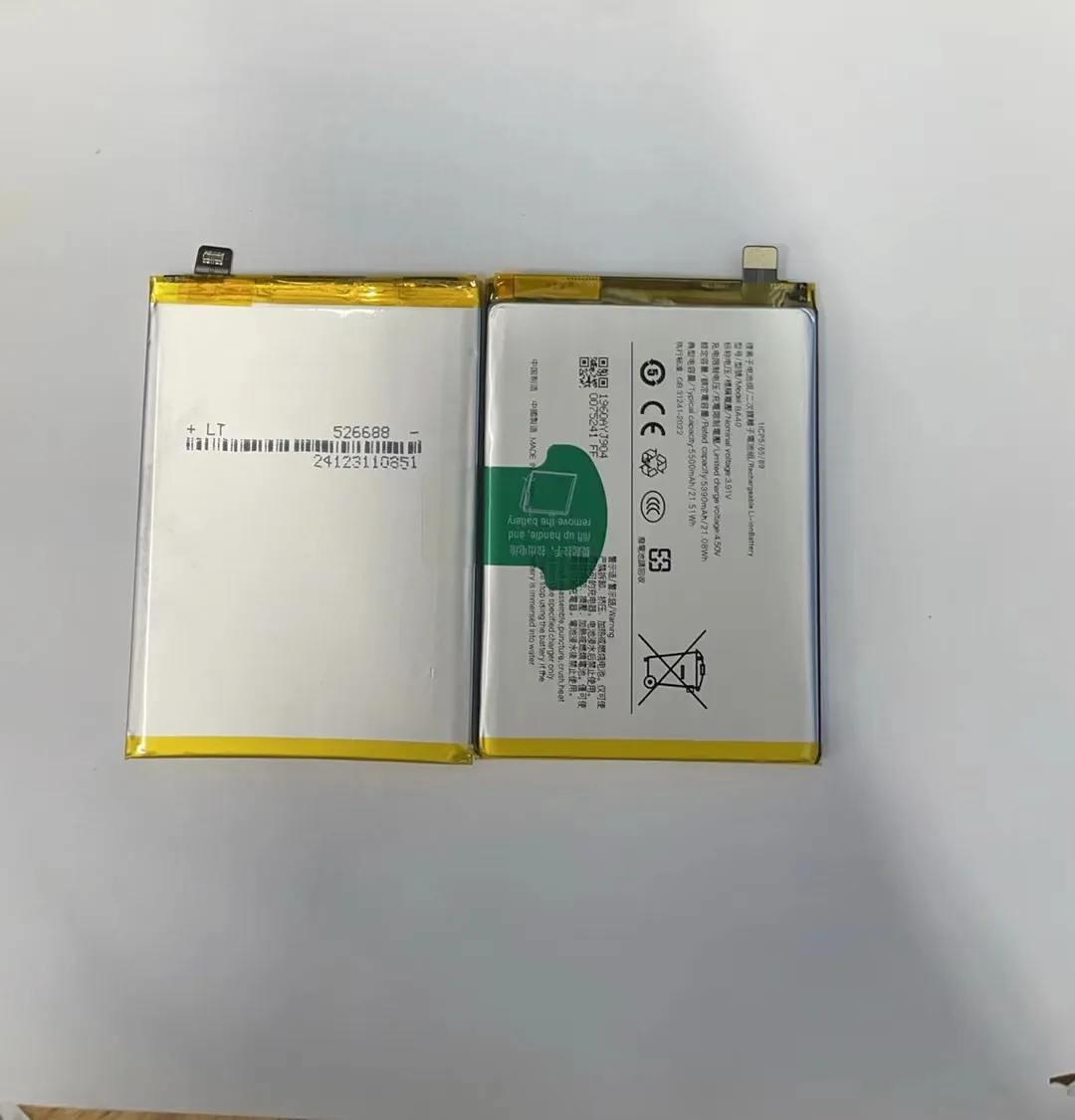
Charging your phone safely means more than just plugging it in. Your phone’s battery is a lithium‑ion battery. It does not like too much heat or too much charge. If you charge it too fast or let it get very hot, the battery can wear out faster. You should try to keep the battery between about 20% and 80% most of the time. This prevents stress on the battery. Also, use chargers that match the phone’s original power output. If you use a charger with too high power, the phone may get hot while charging. Heat is one of the biggest enemies of battery health. The safest way includes unplugging once it is full and avoiding overnight charging all the time.
Why battery level matters
When your phone battery goes too low, the battery can enter a stress mode. This can make it weak over time. When the phone stays at 100% for many hours, it also puts stress on the battery. Keeping the charge in a mid range helps the battery last longer.
| Battery Level | Effect on Battery |
|---|---|
| 0–20% | High stress |
| 20–80% | Optimal range |
| 80–100% | Increased stress |
Power and heat
Heat is a bigger issue than many people know. If your phone gets hot while charging, the battery starts to degrade faster. Charging in a cool place is better. Taking a phone case off while charging can help if it gets hot.
Why is slow charging sometimes better?
Everyone wants to charge fast. Fast charging is useful. But slow charging can be better for battery health. This section explains why slow charging can help your battery last longer.
Slow charging reduces stress on the battery and lowers heat. Over time this can mean a healthier battery with a longer life.

Slow charging uses lower power. It takes more time to reach 100%, but the battery stays cooler. Heat damages battery chemicals and wears them out faster. Slow charging gives the battery a chance to accept charge without overheating. In many phones, slow charging is automatic when the battery is nearly full. But if you can choose, slow charging is better for regular use. When you do not need a full charge quickly, slow charging is worth it. For people who want maximum battery life over years of use, slow charging is one of the best habits.
How slow charging reduces stress
When a battery gets a fast high current flow, it fills up quickly. This creates a lot of heat inside. The battery then needs to manage that heat. Slow charging uses lower current, so the battery stays close to room temperature. Warm batteries age faster.
Table of fast vs slow charging
| Feature | Fast Charging | Slow Charging |
|---|---|---|
| Speed | High | Low |
| Heat generation | High | Low |
| Battery stress | Higher | Lower |
| Best for everyday use | Sometimes | Yes |
Slow charging is not always perfect. If you need to leave soon and your battery is very low, fast charging helps you get going. But if you plan to keep your phone for years, slow charging is better most of the time.
How do charging habits affect battery health?
Many phone owners do not think about how they charge daily. But the ways you charge have a big impact on battery life. Good habits can keep your battery strong. Bad habits can weaken it fast.
Your charging habits shape how long your battery works well. Charging too often, letting the battery drop too low, or charging in bad conditions can damage the battery.
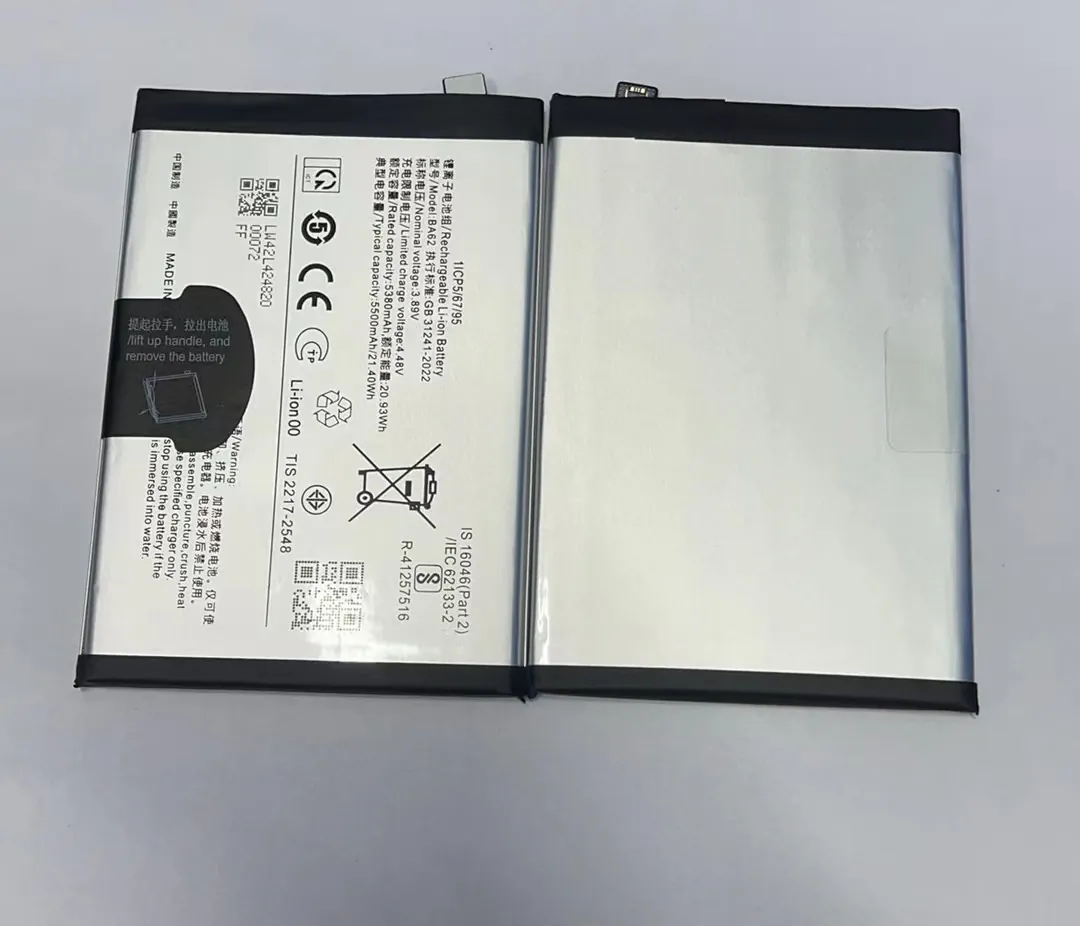
Charging habits include when you plug in, how much you let the battery drain, and how long you leave it charging. All of these affect the battery’s health. If you let your battery fall to zero many times, the battery goes into deep discharge cycles. These cycles wear the battery faster. Instead, try to plug in earlier before it gets too low. Also, avoid charging to 100% all the time. A full charge puts the battery under tension which causes wear. Letting it stop around 80% most of the time helps the battery last longer.
Good charging habits
Good habits may sound simple, but they make a big difference.
-
Avoid draining to 0%
When the battery hits zero too often, it puts stress on internal parts. -
Unplug before 100%
A full charge keeps the battery in a high stress zone. Stopping near 80% is healthier. -
Charge in a cool place
Heat speeds up battery aging. -
Use proper chargers
The right charger gives the right current and avoids overheating.
Bad charging habits
Some habits hurt your battery without you knowing.
-
Overnight charging every night
Charging too long makes the battery stay at 100% while hot. -
Using your phone while charging
This makes the phone work hard and heats up, stressing the battery. -
Charging in hot environments
Avoid direct sunlight or hot cars.
Charging cycle and health over time
A battery has limited cycles. Each time you go from low to full is one cycle. Big changes in charge level count more. So keeping the battery between mid ranges means fewer full cycles. Fewer cycles mean the battery stays healthier longer.
| Habit | Effect on Health |
|---|---|
| Draining to 0% often | Bad |
| Charging to 80% regularly | Good |
| Fast charging daily | Mixed |
| Slow charging often | Good |
Consistent good habits help even if the battery is old. Batteries age anyway with time. But how you charge affects how fast they age.
Can third‑party chargers damage your battery?
Many people buy cheaper chargers. They think all chargers are the same. But they are not. Third‑party chargers come in many qualities. Some are fine. Some are not good and can hurt your phone battery.
Third‑party chargers can damage your battery if they are low quality. Bad chargers may deliver unstable power and cause heat and stress.
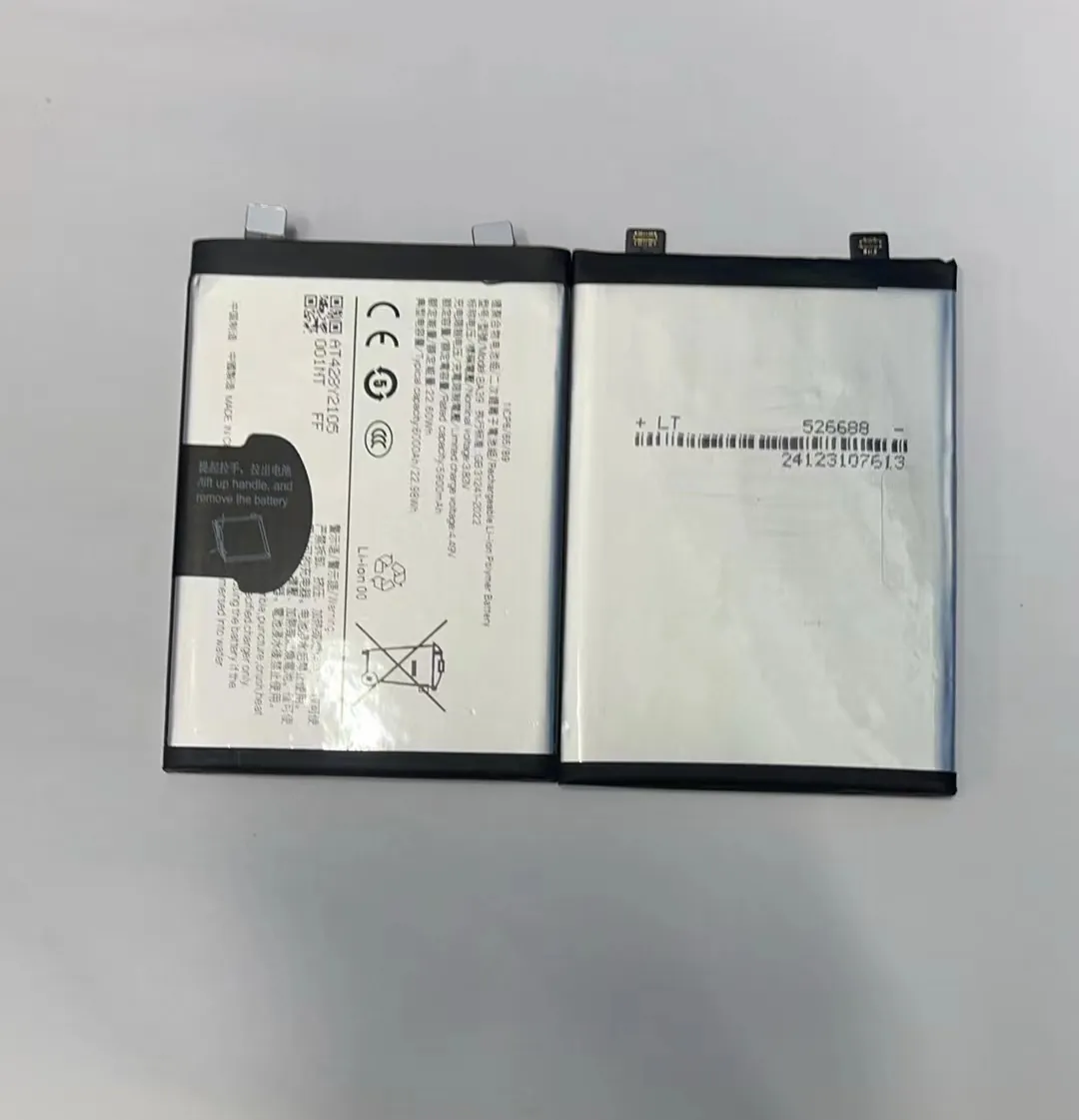
Not all third‑party chargers are bad. Many are safe and work well. The problem is cheap or uncertified chargers. They might not meet safety standards. These chargers can send the wrong voltage or current to your phone. That can make the battery heat up or wear out fast. In the worst cases, poor chargers can even damage the phone’s circuits.
How chargers differ
Chargers vary in power output, build quality, and safety features. Original chargers are made to match your phone’s battery needs. Third‑party chargers sometimes claim to be compatible. But only some include proper safety circuits. A good charger will keep the power steady and avoid spikes. A bad one may send unstable power. Over time this damages the battery.
Signs of a bad charger
There are some signs your charger might be low quality:
- The phone gets very hot when charging
- The charger feels very warm
- Charging is slower than usual
- The cable or plug feels cheap or loose
If you see these, consider stopping using that charger.
Table of charger quality
| Charger Type | Safety | Battery Impact |
|---|---|---|
| Original charger | High | Good |
| Certified third‑party | Medium | Okay |
| Cheap uncertified | Low | Bad |
Certified third‑party chargers are usually okay. They follow safety standards. Cheap ones often do not. To protect your battery, choose chargers from known brands. Look for certification logos and reviews.
In this article you learned safe charging steps, why slow charging helps, how habits matter, and how to choose good chargers. Better charging helps your battery stay healthy longer. Good habits save money and frustration. Follow these tips to make your phone battery last.
