
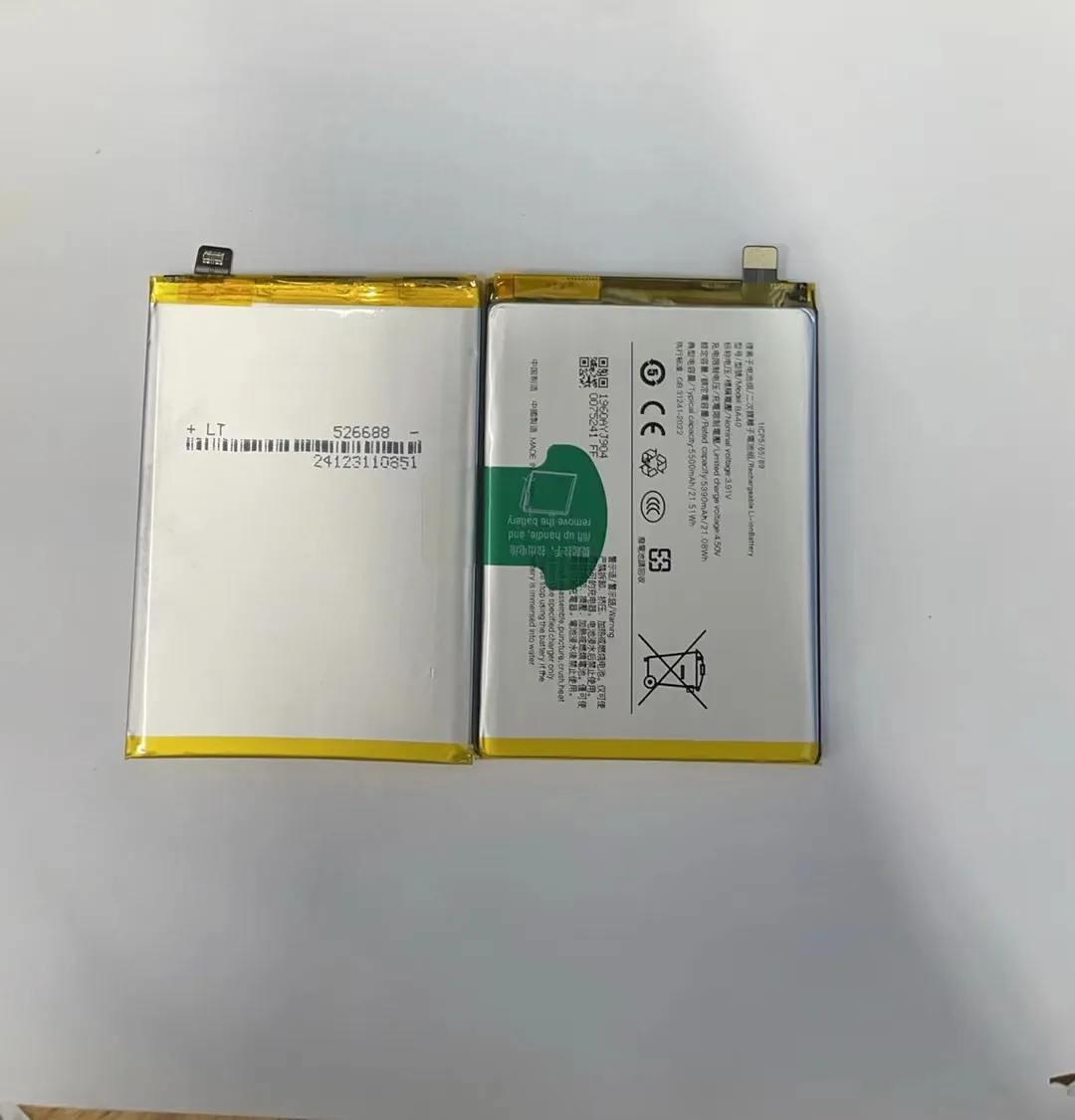
I know many people worry when their phone battery fails and they see “non‑removable battery.” This issue can feel scary. A bad battery drains fast. It hurts phone use.
You can replace a sealed battery in many phones. You just need right tools, care, and some knowledge to do it safely.
If you wonder how to do it, this article walks through tools needed, safety questions, reasons why batteries are sealed, and where to get a replacement done.
What tools are needed to remove a sealed battery?
I have seen phones fixed poorly with wrong tools. Many accidents come from wrong tools or hurry. That risk feels big when you open a phone.
To remove a sealed battery you need special tools: small screwdrivers, plastic picks, suction cup, spudger, heat source. With them you can open the phone carefully.
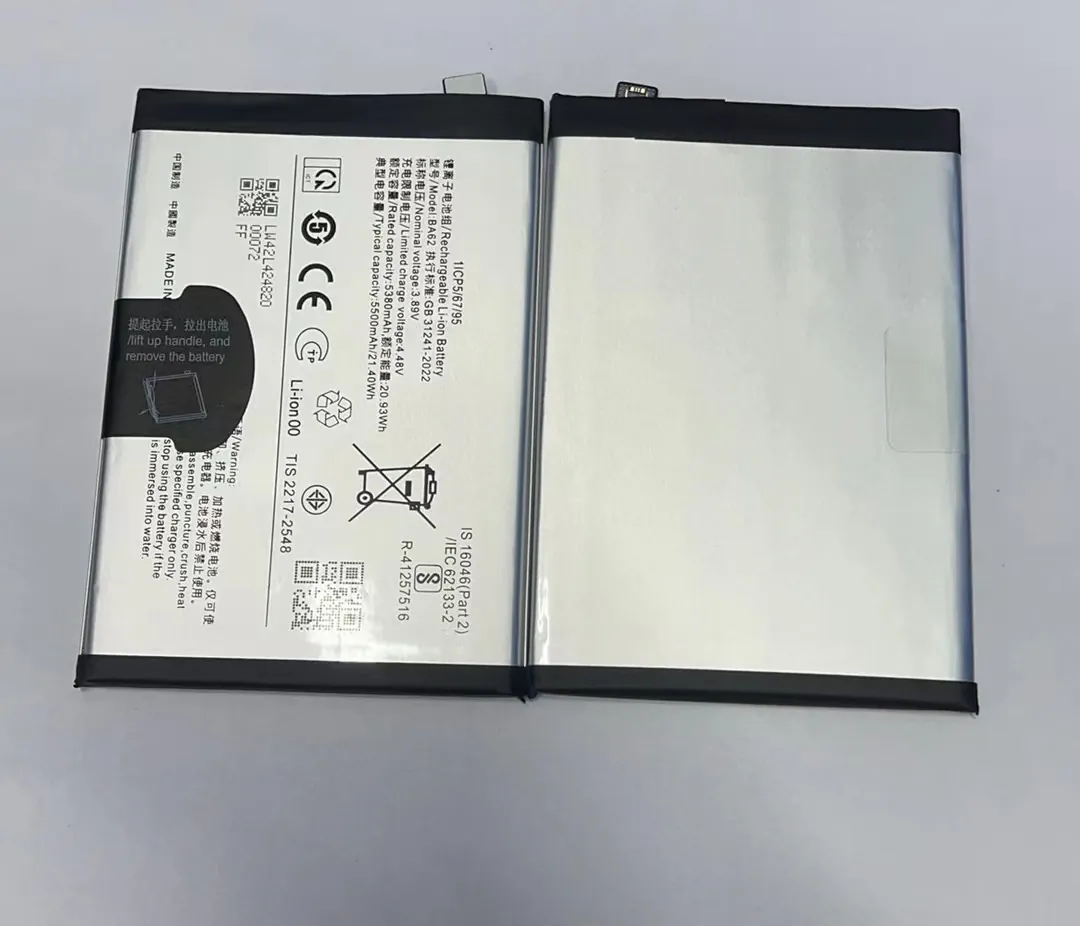
When you plan to take out a sealed battery from a phone, you must treat it like a small device full of sensitive parts. The battery sits under the back cover or under the display. It often sticks to the frame with glue. If you pull or bend too hard, you may damage the battery or other parts. That can break the phone or even cause battery swelling or fire. So you need proper tools. Here is a list of tools and why you need them:
Common tools for battery removal
| Tool | Purpose |
|---|---|
| Small screwdrivers (Phillips, Torx, pentalobe) | Remove screws securing back cover or display |
| Plastic picks / guitar picks / opening picks | Gently pry open back cover or separate adhesive |
| Suction cup (small) | Lift back cover or screen with minimal force |
| Spudger / plastic pry tool | Lift connectors or battery gently without metal contact |
| Heat source (hair dryer or heat pad) | Soften adhesive under cover or battery |
| Tweezers (plastic‑tip preferred) | Handle small screws or parts safely |
| ESD mat and wrist strap | Protect phone electronics from static damage |
| Adhesive strips or glue (replacement) | Re-seal cover or battery after work |
Before you begin, locate a clean work area. Use soft cloth or mat so phone does not scratch. Make sure good lighting. Gather all tools. Double-check your phone model and tutorial, because screw types and cover design vary.
I often warn: never use metal tools to pry directly under battery or screen. That can puncture battery cells. Always warm up the adhesive gently. Use picks or spudger to lift slowly. If cover resists, apply more heat rather than force. If you meet strong resistance, stop and re‑check screws or hidden clips.
In short, good tools and gentle method matter more than force. The right tools plus careful steps make battery removal safer and smoother.
Can non-removable batteries be safely replaced at home?
Many people ask: “Can I just open my phone and swap battery myself?” The quick answer: yes in many cases. But only if you follow correct steps, have proper tools, and feel confident. If you worry, professional help might be safer.
Yes, non‑removable batteries can be replaced at home only if you are careful, follow instructions, and respect battery safety. Otherwise you risk damage or injury.
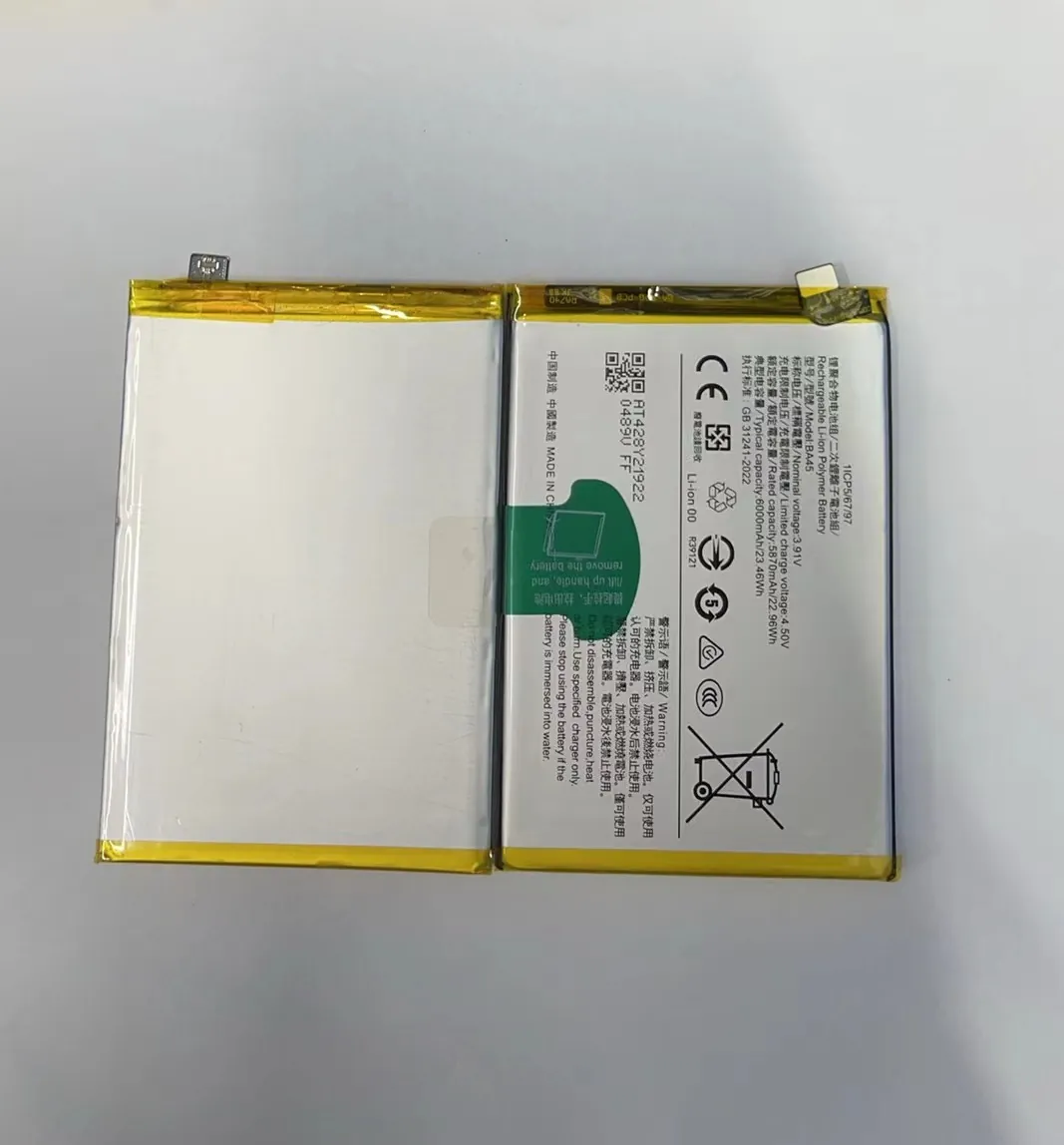
Replacing a non-removable battery at home is doable for many phones. But it is risky. Batteries can be fragile. They may swell or leak. The phone has tiny screws, fragile connectors, glass, and adhesive. A simple mistake can break a screen, damage battery, or wreck mainboard. Here is what to consider carefully when you try at home:
What to check before you start
- Make sure you know your phone model. Find a reliable disassembly guide or video.
- Work in a clean, dry, static-free area. Use anti-static strap if possible.
- Use proper tools (see above).
- Remove screws step by step and keep them in labeled order.
- Warm adhesive gently. Do not overheat.
- Do not bend or force battery while prying. If battery resists, re-check adhesive or screws.
- After battery removal, check battery shape. If it is swollen, do not reuse — replace with new.
- Use correct replacement battery. Use parts from reliable vendor, with protection circuit if original had one.
- Reassemble carefully. Make sure all connectors and screws go back in right place.
- Test phone before sealing cover fully — check screen, touch, battery, charging.
If you miss one of these steps, problems happen. For example, metal pick may cut battery pouch. That can short battery or cause fire. Screws in wrong place can bend motherboard or break connectors. Wrong battery may leak, overheat, or die quickly.
So home replacement works best for people with steady hands and calm mind. If you have no experience or feel unsure, home attempt is not wise. For a first try or if phone is expensive, consider external help. Safety and phone health matter more than saving some money.
Why are phone batteries no longer user-replaceable?
Long ago most phones had removable backs. Users could swap battery fast. Now many modern phones come sealed. This shift has many reasons. One is slim design. Another is water resistance. Also manufacturers want to control repair quality. Many users accept sealed backs now.
Phone batteries are sealed by makers to give slimmer design, better water resistance, and to avoid user mistakes that may break phone.
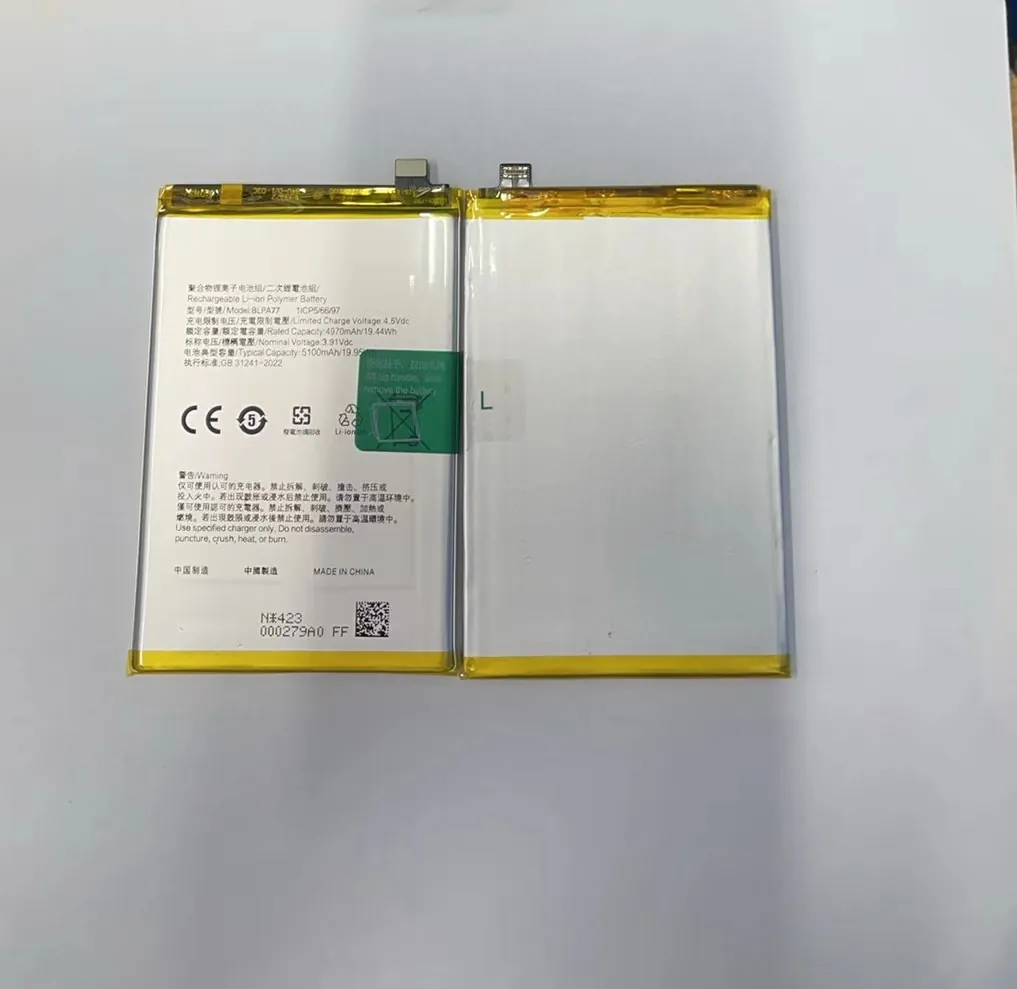
Manufacturers changed design for several motives. I show some major ones.
Reasons for sealed batteries
-
Slim design and compact build: When phone parts fit tight, space is limited. A removable battery adds thickness, extra casing, and weak spots. A sealed battery lets the phone stay thin and compact.
-
Water resistance and dust proof: Sealing back cover helps protect against water and dust. That improves durability. Buyers expect phones that survive splashes and light rain. Sealed back helps meet that demand.
-
Stronger structure and rigidity: A one‑piece back and frame gives stronger structure. It is harder to bend or flex phone body. That helps durability when phone is dropped.
-
Controlled manufacturing and quality: Companies can test battery fit and safety more precisely. They know exactly how battery contacts lie. That lowers risk of bad battery fit or safety hazards.
-
Higher revenue from repair services: When batteries are non‑removable, companies or official centers often do repair. That helps maintain service income and ensures quality standards.
Trade‑off comparison
| Stakeholder | Benefits of sealed battery | Downsides for user or maker |
|---|---|---|
| Maker / brand | Slimmer phone, better water resistance, structured build, control over repairs | More responsibility for repair; need to support service centers |
| User | Modern design, water/dust protection, fewer loose parts | Harder to replace battery, reliance on service, costlier battery change |
| Repair shops | Service income, better control over parts | Need tools, skilled labor, risk in battery removal |
Over time the trend grew. Users tolerated sealed backs because they valued design and water resistance. Many people also changed phones before battery life decayed much. So there was little demand for user-replaceable battery among majority. This made sealed battery design dominant.
At same time battery and phone safety standards rose. Batteries became more energy dense. That made puncture risks worse. It increased safety concern if user replaced battery wrongly. So sealing battery reduced accidents and liability for makers.
In short, sealed battery design reflects trade between convenience, design, durability, and risk. It is a design choice aligned with modern phone goals.
Where can you replace a non-removable phone battery?
Some times home repair feels risky. You may lack time, tools, or skills. In that case you can choose professional repair shops or official centers. Many places do battery swap for sealed phones. It may cost more, but it is safer and gives good result.
You can replace a sealed battery at phone repair shops, brand service centers, or trusted local technicians with correct tools and batteries.

When you decide not to do it at home, you still have good options. You just need to pick a help option carefully. Here are common places and what to expect:
Where to go for battery replacement
| Option | What you get | What to check |
|---|---|---|
| Official brand service center | Original battery, certified repair, warranty | Confirm battery part number and cost; ask about customer wait time |
| Certified third‑party repair shop | Often cheaper than brand; uses quality replacement battery | Check reviews, ask about battery condition and warranty |
| Independent local technician | Fast turn‑around, may offer low price | Ensure they use proper tools and correct battery; ask about protection circuit |
| Mail‑in repair service | Ship phone to repair center, get battery replaced and return | Verify trustworthiness, shipping safety, insurance in transit |
Before you choose a shop, ask these:
- Do they use correct battery model with safety protection?
- Do they provide some warranty after battery swap?
- Do they handle punctured or swollen batteries safely?
- Do they clean and test all phone functions after repair?
- What is total cost (battery + labor + possible shipping)?
I often see people pick the cheapest shop without asking these questions. That may cause poor battery life or safety risk. So it is wise to spend a small bit more for proper service.
If your phone is still under manufacturer warranty, check whether battery replacement voids warranty. Sometimes brand service centre offers free or cheap replacement. That could be best way.
If you travel often, mail‑in service may give convenience. But you should pack phone safely, and ensure shop has good reputation. Check shipping time and battery shipping rules.
If you care about cost and live near a good repair shop with steady reviews, independent local technician may suit. But make sure battery quality is good and they follow safety. Ask about testing after repair: charging, heat, battery drain, screen and connectors.
In any case, keep proof of repair and battery serial number. That helps if battery fails later.
Conclusion
Replacing a sealed phone battery is possible. With right tools and care, home replacement works. Still it carries risk. Sealed battery design grows because of thin phones, water resistance, and safety. Many users now rely on professionals. If you choose trusted shop or official service it gives safety and proper battery quality. Take time to check tools, battery type, and technician trust.
