

I know many people feel stressed when a phone shuts down fast or warms up for no reason, and I want to help them solve this simple but annoying problem.
You can test the health of a mobile phone battery by checking its capacity, cycle count, voltage stability, and temperature performance with built-in tools, diagnostic software, and trusted third-party apps. These tests show if a battery still holds power or needs replacement.
I want to guide you step by step, so you can understand what the numbers mean and what actions you should take next.
What tools show battery condition?
I know it can be confusing when a phone feels slow or drains fast, and many people do not know where to look for the real battery data.
Tools that show battery condition include built-in phone settings, manufacturer diagnostics, PC-based software, and repair-grade testers that read voltage, cycles, and actual capacity. These tools give a basic or advanced view of a battery’s health.

Understanding common tools
When I test a phone battery, I always start with the simplest tools. Many phones already offer some battery health information. These tools are easy to find and help many users learn the basic condition of the battery.
Built-in phone settings
Most modern phones show simple health data. iPhones show Battery Health in Settings. Many Android brands now show similar data. These numbers show the maximum capacity compared to when the battery was new. This method is easy for users who want basic information.
Some phones also show the cycle count, which means how many charging cycles the battery completed. A cycle happens when you use 100% of the battery’s energy. For example, using 50% one day and 50% the next counts as one cycle. Many batteries start to age after hundreds of cycles.
Manufacturer diagnostics
Some brands offer service codes or internal apps that repair shops use. These tools show deeper data, such as voltage curves, temperature logs, charging speed, and cycle history. This gives a better picture of battery behavior under stress.
Here is a simple table that compares common tool types:
| Tool Type | Accuracy | Data Level | Who Uses It |
|---|---|---|---|
| Phone Settings | Medium | Basic | Normal users |
| Brand Diagnostics | High | Deep | Technicians |
| PC Software | High | Medium-Deep | Repair shops |
| Professional Testers | Very high | Full | Battery labs |
PC-based tools
Technicians often use software that runs on a PC and connects to a phone. These tools read more data, such as real-time current, internal resistance, and temperature. This helps technicians spot aging patterns early.
Professional testers
Some repair shops use special testers that plug directly into a battery's connector. These tools read actual capacity, internal resistance, and charging curves. They give the most accurate measurement.
How do diagnostics measure wear?
Many people ask me why two tools sometimes show different results. I know this can create confusion, especially when the phone feels slow but the health number still looks high.
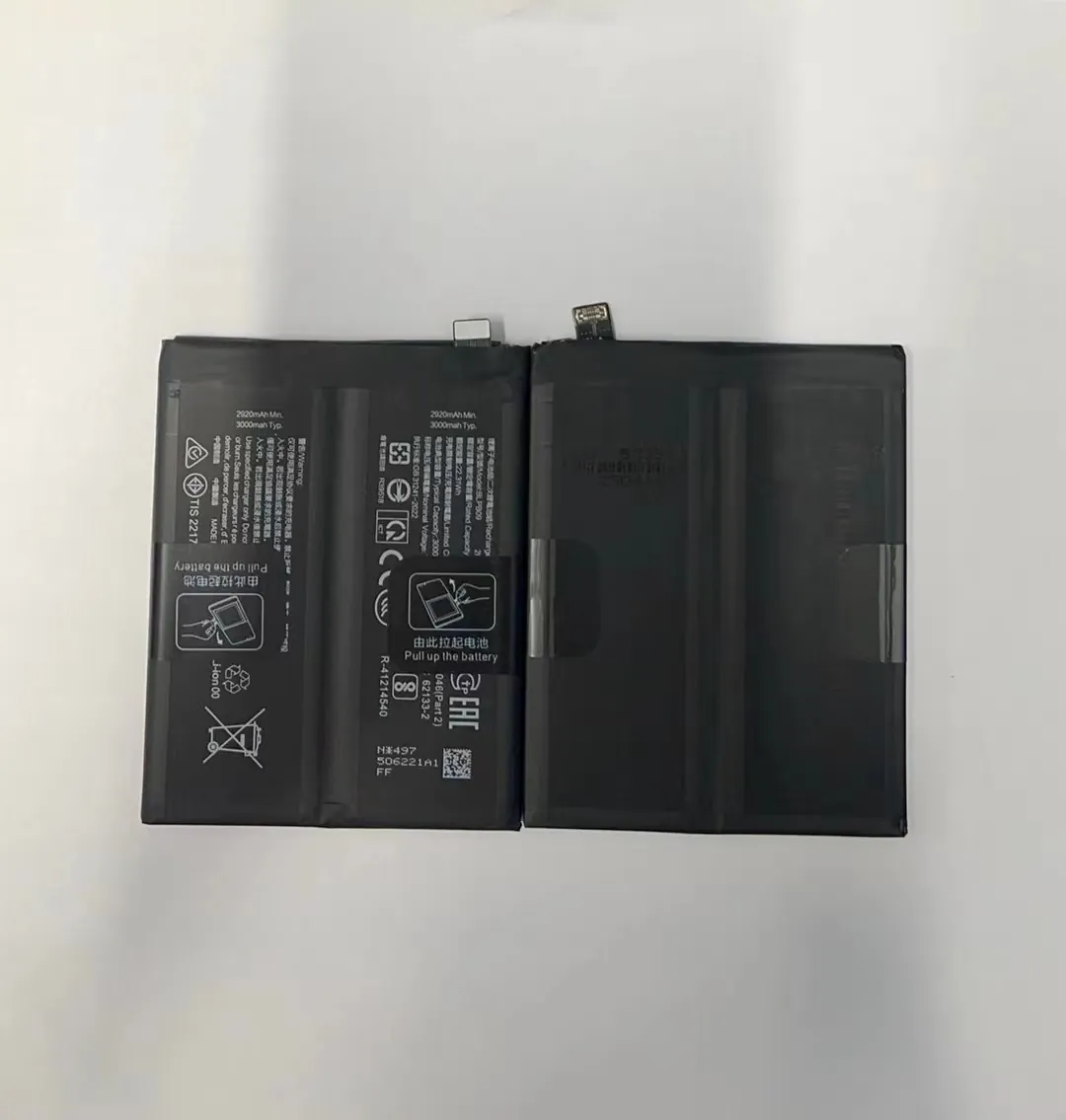
Diagnostics measure battery wear by analyzing real capacity, cycle count, internal resistance, voltage behavior, and temperature changes. These values show how much the battery degraded over time and how well it can still store energy.
What wear really means
Wear does not mean the battery is broken. It means the chemicals inside the battery lose efficiency. Every battery ages because lithium cells slowly lose their ability to hold energy.
Key metrics that tools read
1. Real capacity
Real capacity shows how much energy the battery can store. A new battery has a rated capacity. When the real capacity falls too much below this value, the battery drains fast.
2. Cycle count
A battery ages with every charge cycle. Many batteries last 300–500 cycles before showing clear wear. Heavy users reach this number faster. Light users reach it slower.
3. Internal resistance
Internal resistance grows as the battery ages. Higher resistance means the battery struggles to deliver power. When resistance rises too much, the phone may shut down even at high battery percentages.
4. Voltage stability
Healthy batteries hold stable voltage. Worn batteries drop voltage during heavy use. This drop causes sudden shutdowns or slow performance.
5. Temperature
When a battery heats up during normal use, it may be worn or damaged. Diagnostics track temperature spikes to detect problems early.
How tools combine this data
Most tools do not show all raw numbers. Instead, they calculate a health percentage. Different brands use different formulas. This is why two tools may show slightly different results.
Here is another table that shows how each metric affects the final health number:
| Metric | Impact Level | What It Means |
|---|---|---|
| Real Capacity | Very High | Directly affects battery life |
| Cycle Count | High | Shows long-term aging |
| Resistance | High | Shows stress and aging |
| Voltage Stability | Medium | Shows sudden drop risks |
| Temperature | Medium | Shows stress and safety issues |
Why understanding wear helps
When I check a battery, I want to know if replacing it will fix the issue. Wear metrics help me trust the diagnosis. This saves time and avoids guessing. It also helps the customer understand the real problem.
Why health numbers decline?
I often hear people say their phone’s battery “dropped 5% overnight” and wonder if it is a software bug. I understand this worry because battery numbers feel personal to many users.
Battery health numbers decline because lithium cells age with every charge, heat exposure, fast charging, deep discharging, and heavy usage. These factors reduce actual capacity, raise resistance, and change voltage behavior over time.

Chemical aging
Every lithium battery starts aging the moment it leaves the factory. This aging is slow at first, then becomes faster after hundreds of cycles. The chemicals inside lose efficiency and cannot store as much energy.
Heavy usage patterns
Fast charging
Fast charging puts stress on the battery. Heat increases, and resistance rises. Many people love fast charging, but it accelerates aging.
High-power apps
Games, video apps, and navigation apps draw heavy current. This heats the battery. Heat speeds up aging.
Charging overnight
Keeping the battery at 100% for many hours also accelerates aging. The battery stays under stress for too long.
Heat exposure
Heat is the biggest enemy of batteries. Leaving a phone in a hot car, under the sun, or in a heavy case during gaming speeds up wear. Every time the battery gets hot, more chemical reactions happen inside, and this reduces capacity.
Low charging habits
Some people let the battery reach 0% or stay at very low percentages often. This type of use increases strain. Lithium batteries prefer staying between 20% and 80%.
Software calibration issues
Sometimes the health number drops because the software recalibrates. This does not mean the battery suddenly aged. It means the phone corrected old readings.
Why the decline matters
When the number declines slowly, it is normal. When it drops fast, it means the battery is under heavy stress. This helps users know when to change habits or replace the battery early.
Which apps offer reliable testing?
People often ask me which apps they should trust. I have tested many tools, and I know some apps show general data while some give more useful results.
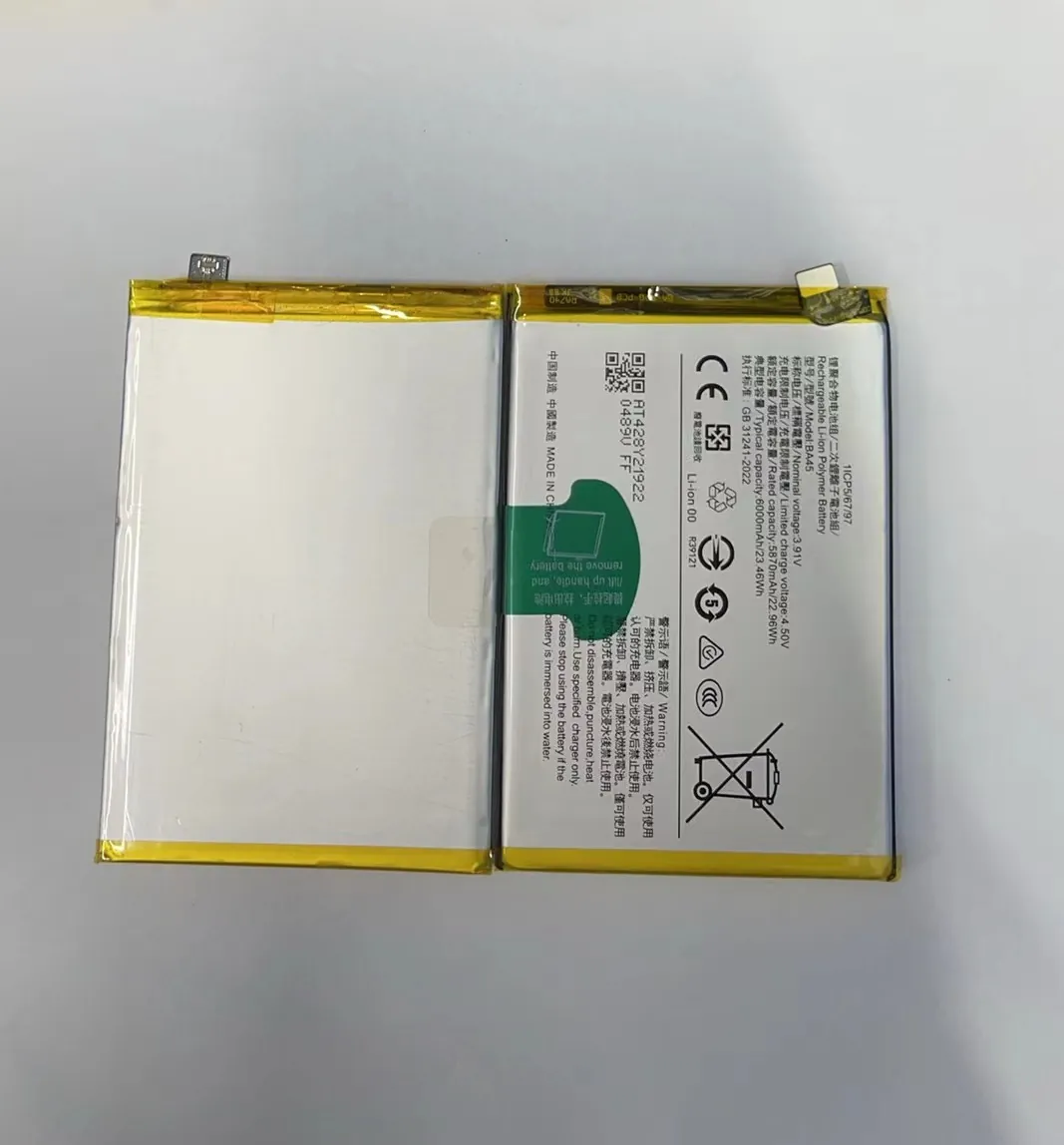
Reliable battery testing apps include both phone-based apps and PC tools that read real-time current, capacity estimates, and temperature logs. The best apps give clear numbers without fake “boosting” features.
Phone-based apps
Phone apps are easy to use, but they only read data allowed by the system. These apps show temperature, estimated capacity, and charging speed. They are helpful for quick checks.
PC tools with deeper readings
PC tools connect to the phone through USB and read more data. These tools check voltage behavior and charging curves. Many technicians rely on these tools because they provide deeper diagnostics.
What makes an app reliable?
Clear numbers
Good apps show simple data. They do not hide readings behind ads or “boosters.”
No unrealistic claims
Any app that claims to “repair” a battery is not real. Batteries cannot be repaired by software.
Consistent readings
The numbers should not change wildly with each test.
App limitations
Apps cannot measure real capacity directly. Only hardware testers can do this. Apps use estimates based on usage patterns.
Why apps still help
Even with limitations, apps help users understand basic patterns. They show heat issues, charging speed, and estimated capacity. This helps users decide if they need professional testing or replacement.
Conclusion
Battery health testing helps users know what their phones need. When the numbers drop, it means the battery is aging, and a simple replacement often brings the phone back to life.
