

Opening thought: Many people fear damaging their phone battery when trying a universal charger. That worry stops them from fixing or charging phones themselves.
Answer at a glance: A universal charger works for different phone batteries by matching voltage and connector type. You set correct voltage and clamp the battery properly, then the charger fills the battery safely. All you need is to match specs and watch the process.
Let’s explore step by step how to do it right.
What steps are needed to safely use a universal charger?
Opening thought: One wrong move can ruin a battery or phone, or even cause fire. Safety matters.
Quick answer: To use a universal charger safely, you must check battery type and specs, set correct voltage/current on the charger, connect polarity correctly, monitor the charging process, and stop charging when full.

Deep dive: What you must do before pressing start
First, check your battery label. On many phone batteries you find information like “Lithium-ion 3.7 V 1500 mAh”. The charger must match that voltage. If you pick too high voltage, battery may overheat. If too low, phone may not power up. So always match voltage exactly.
Second, choose correct current (mA). If your battery is 1500 mAh, a safe charging current might be around 500 mA. That charges slowly but safe. Fast charging with high current may stress battery. A slower rate reduces heat and risk.
Third, inspect connectors and polarity. Universal chargers come with adapter pins or clips. Make sure positive and negative terminals align. Reversed polarity can short battery and cause damage. If unsure, check charger manual or battery datasheet. Use a multimeter if needed.
Fourth, clamp or fix the battery firmly but gently. Loose contact may cause sparks. Tight clamps may damage battery casing. Aim for stable contact without pressure.
Fifth, place battery on a non‑flammable surface, away from cloth or paper. Charge in a well‑ventilated area. Avoid charging overnight or leaving battery unattended.
Finally, monitor charging. Look for unusual heat, swelling, smoke, or odd smells. Stop immediately if anything abnormal shows.
Quick Checklist
| Step | What to check or do |
|---|---|
| 1 | Match battery voltage exactly with charger setting |
| 2 | Set safe charging current based on battery capacity |
| 3 | Ensure correct polarity and connector match |
| 4 | Fix battery securely but gently in place |
| 5 | Charge on safe surface, ventilated area |
| 6 | Watch battery for heat, swelling or odd signs |
Following these steps keeps the battery and phone safe. Wrong steps often cause irreparable damage.
How do universal chargers work with different phone models?
Opening thought: Many phones have different battery sizes and connectors. So how can one charger support many?
Quick answer: Universal chargers work by offering adjustable voltage and multiple connector adapters. They let you match battery spec and connector for many phone models.

Deep dive: The mechanism behind universal chargers
Universal chargers have flexible design. They let you change two main things: output voltage/current and connector type. Here is how they adapt.
Adjustable output voltage and current
Charger power supply inside has a voltage regulator. You twist a dial or press buttons to set output voltage. For example, many phone batteries use 3.7 V or 4.2 V (fully charged). Universal charger allows 3.6 – 4.2 V range.
If you plug a 3.7 V battery, set charger output to 4.2 V maximum (safe full). Then the charger stops when battery reaches that level.
Current is also adjustable. Charger may supply 300 mA, 500 mA, 700 mA, or more. You pick current that suits battery capacity.
Swap‑in battery adapter or connector set
Phones use many connector types: small 2-pin, 3-pin, soldered tabs, or bulky pack. Universal charger includes adapter set. You use matching clip or pin set. This allows connecting many battery shapes.
Because battery chemistry and size differ, charger does not depend on phone model. It depends only on battery electric spec (voltage/current) and physical connector. As long as battery fits, charger works.
When compatibility fails
If battery uses very different voltage or different chemistry (like Ni‑MH instead of Li‑ion), universal phone charger may not work. Or if connector is weird, no adapter fits. If battery is soldered inside phone without removable pack, charger cannot help directly.
Also if battery is old or damaged, charger may not read full battery data. That makes charging risky.
Example chart
| Phone model (battery spec) | Required charger settings | Adapter used |
|---|---|---|
| Generic older phone, 3.7 V, 1200 mAh | 4.2 V, 500 mA | 2‑pin clip |
| Mid‑range phone, 3.8 V, 2000 mAh | 4.2 V, 700 mA | Mild clip or tab adapter |
| New smartphone pack, 3.85 V, 3000 mAh | 4.2 V, 1000 mA (if supported) | Pack separator or protective frame |
This table shows how universal charger flexes for different batteries.
So universal chargers stay “universal” by focusing on battery specs and connectors — not on phone brand. That makes them useful for many phone models. If you get correct settings and connector match, they work widely.
Are universal chargers safe for lithium-ion batteries?
Opening thought: Lithium‑ion batteries already need careful handling. Will a universal charger damage them or create risk?
Quick answer: Universal chargers can be safe for lithium‑ion batteries if you match voltage exactly, use safe current, and monitor charging. They are safe only when you follow correct steps.
Deep dive: Risks and how to avoid them
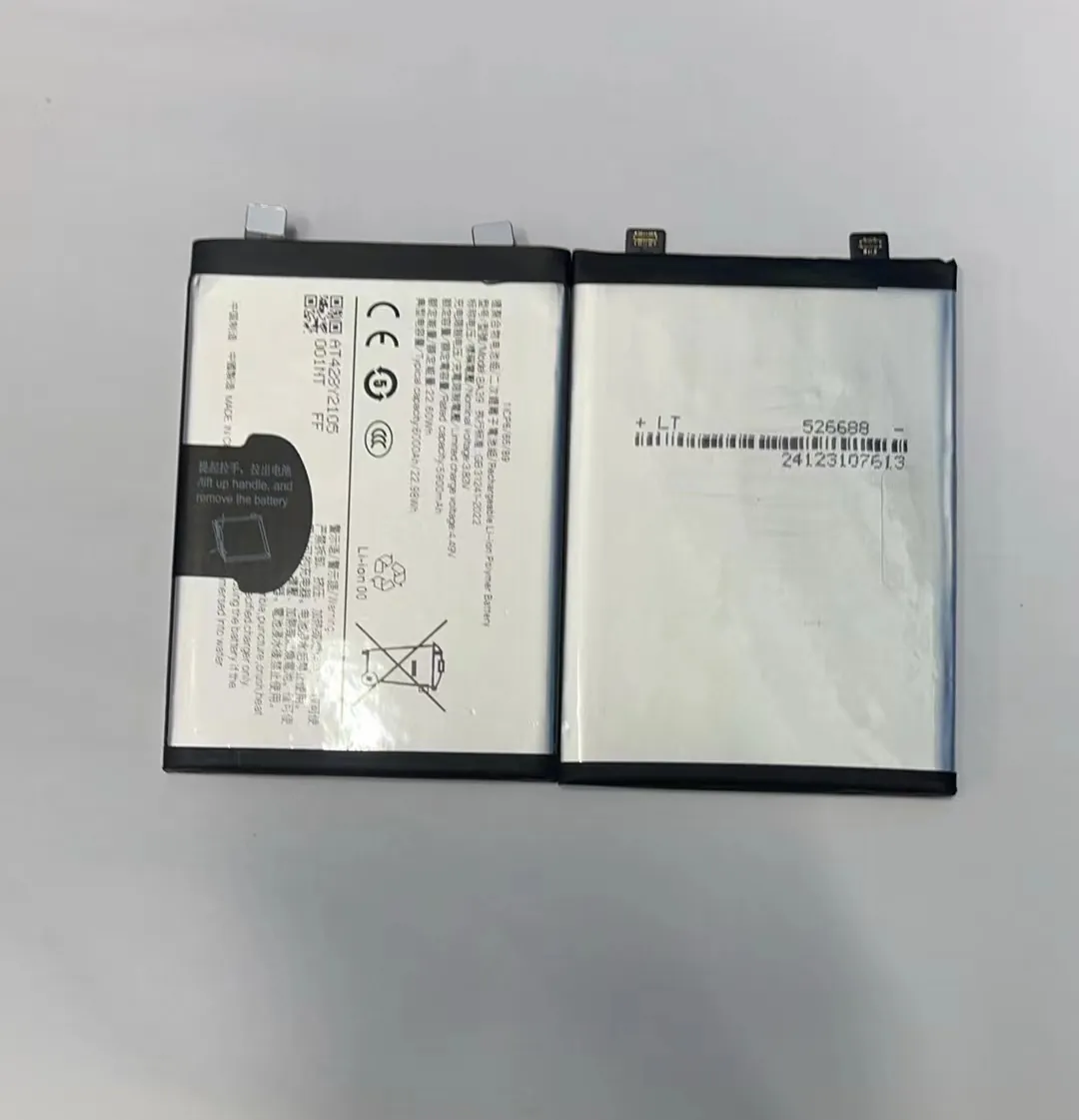
Lithium‑ion batteries are common in phones. They store a lot of energy. They can swell, overheat, or catch fire if misused. That means charging must be careful.
Why charging matters for Li‑ion batteries
Each lithium‑ion battery has a rated voltage — often 3.7 V nominal. A full battery voltage is around 4.2 V. If charger sets higher voltage, battery may overcharge. Overcharge can create gas inside, make battery swell, leak, or burst. Too low voltage may undercharge and reduce capacity.
Also current matters. High current charges fast. That causes heat. Heat stresses battery life and can raise risk. Slow charging keeps temperature lower.
Universal charger features that help safety
Good universal chargers provide:
- Adjustable voltage within correct range (e.g. 3.6 – 4.2 V)
- Adjustable current (often 300 – 1000 mA)
- Over‑charge protection or timer cut‑off (in some models)
- Indicator lights or meters to watch charging
These features help match battery needs and prevent misuse.
What can go wrong if misused
If you set wrong voltage (too high), battery may overheat or explode. If current is too high for small battery, battery may swell or fail early. If connectors are loose, sparks may occur. If battery has damage or internal short, charging can trigger fire.
Besides that, old or cheap batteries may hide defects. If you charge such battery fast, risk increases.
How to minimize risk
- Always match voltage exactly.
- Use low or moderate current for small batteries.
- Charge in a safe area, not inside closed bag or under pillow.
- Do not leave charging unattended for long time.
- If battery heats much or swells, stop immediately.
- Prefer universal chargers with built‑in protection or manual cut‑off.
Using charger this way makes lithium‑ion charging safer. A universal charger itself is not the problem — misuse is.
Why should you monitor charging with a universal charger?
Opening thought: Many believe chargers are automatic and safe. That belief can produce danger if they ignore warning signs.
Quick answer: Monitoring charging helps catch battery problems early. It prevents overheating, swelling, over‑charging or other risk.

Deep dive: The value of keeping an eye on your battery while charging
When you use universal charger, nothing stops charger from delivering current until you manually stop it or voltage drops. Charger may not know battery state fully. That means battery might overcharge or heat up without warning. That is why watching the charging process is crucial.
Imagine battery has internal damage or hidden short. Charger may still pump current. Battery could overheat suddenly. If charger sits unattended and battery swells or vents gas — danger.
Also some chargers have no automatic stop. That means if voltage does not drop, charger keeps pushing current. That can reduce battery life fast. Always watch voltage or timer on charger. Stop when battery is full.
What to watch during charging
- Battery temperature: It should stay cool to slightly warm. If it gets hot (too warm to touch), stop charging.
- Battery shape: If battery swells, bulges, or changes shape, stop and remove battery.
- Charging time: Long charging beyond expected time may show trouble.
- Smell or hiss: stop immediately and move battery away.
Good habits for monitoring
- Stay nearby while charging. Avoid leaving battery alone.
- Use a timer: know expected time (e.g. 2 – 3 hours for 1500 mAh battery at 500 mA). Set alarm.
- Check battery every 15–30 minutes. Look at temperature and shape.
- Prepare safe place: fire‑proof tray, or metal plate, hard surface. Keep away from flammable materials.
Why monitoring matters even for good chargers
Even strong chargers or quality batteries can fail. Electronic parts inside battery may degrade. A good charger cannot fully know battery internal state. Your eye is the final safety net.
Monitoring charging this way makes universal charging much safer. It reduces risk of accidents or battery damage.
Conclusion
Using a universal phone battery charger can save time and money if you take care. Match battery specs, connect right, charge slowly, and watch carefully. With correct steps and care, universal charging is safe and useful.
