
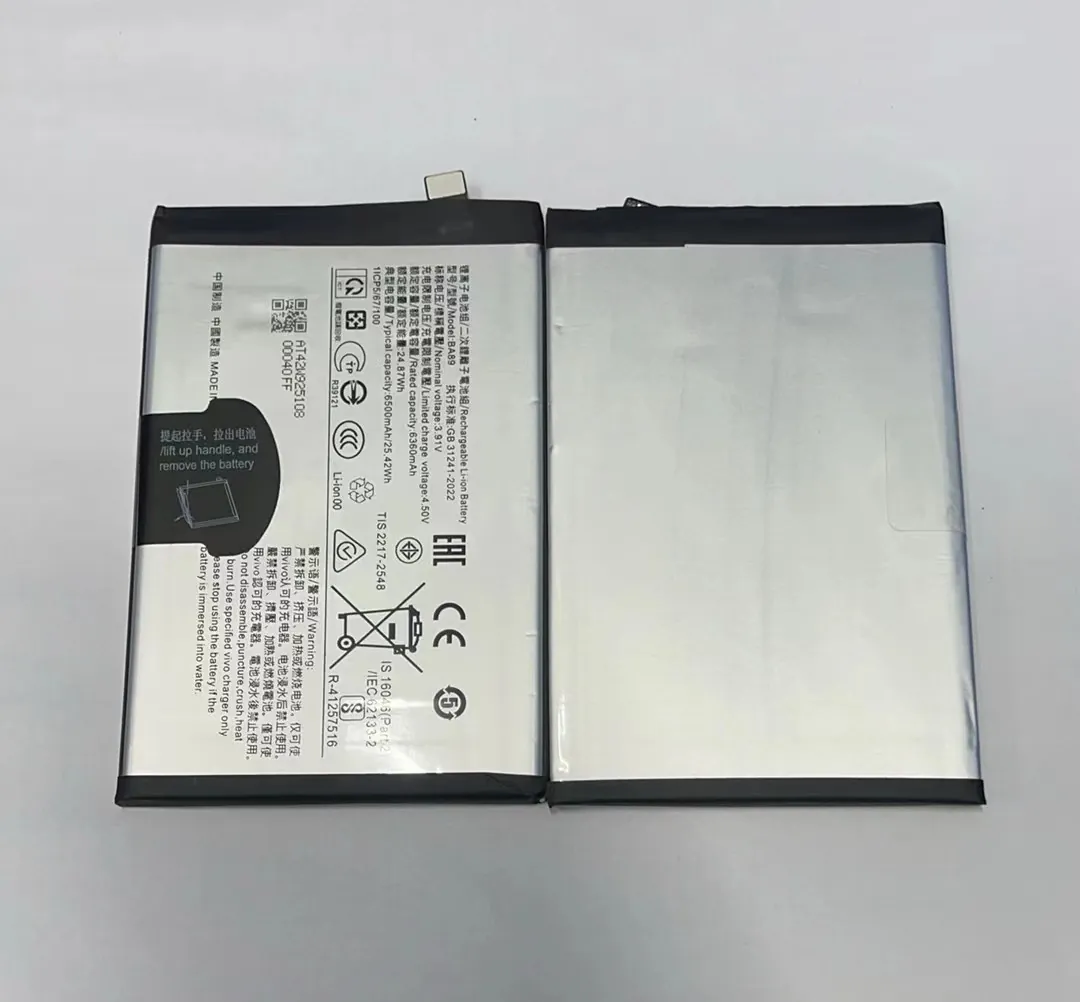
Many repair techs and refurbishers wonder: can a mobile phone run without a battery? This question comes up a lot during diagnostics or when testing second-hand phones.
Yes, it is possible to run some mobile phones without a battery by using external power sources, but it depends on the phone’s design and power management system.
Let’s explore how phones can work without batteries, what methods are safe, and what tools you can use to make this process efficient and secure.
Can a phone work with external power?
Many people are surprised to learn that phones can turn on without a battery. They think the battery is always needed. But for testing or certain repair tasks, external power can replace the battery temporarily.
Some mobile phones can run directly from external power sources like DC power supplies or battery emulator boards, especially for testing and repair purposes.
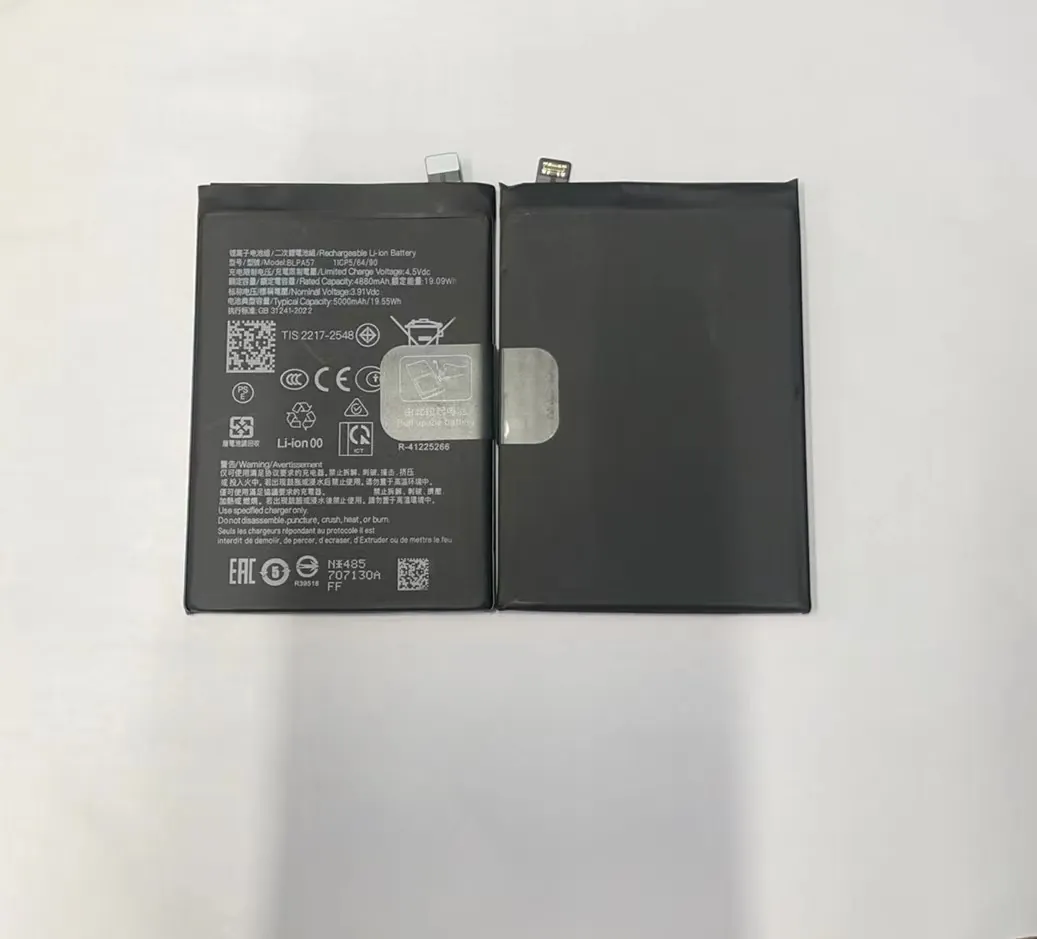
Phones don’t all behave the same when it comes to power input. Some phones, especially older models or budget Android devices, can boot and operate with an external power source. These phones don’t check for the physical battery before allowing startup.
However, newer models—especially iPhones and high-end Android devices—often have battery detection logic. This means the system checks for battery presence and health before turning on. If the phone doesn’t detect a battery, it may not boot, or it might go into a limited power mode.
How external power mimics battery input
To understand how a phone can run without a battery, it helps to know how external power mimics battery output:
| Power Source | Voltage (V) | Purpose |
|---|---|---|
| Mobile phone battery | 3.7V - 4.2V | Regular phone operation |
| DC power supply | Adjustable (3-5V) | Simulates battery voltage |
| Battery activation board | 3.8V - 4.2V | Bypasses battery connection |
Most DC power supplies and battery emulators are adjustable, allowing the user to set voltage and current limits safely. That’s important to avoid damaging the phone’s motherboard.
Keep in mind: not all phones are safe to run without a battery for extended periods. The power management IC (PMIC) inside the phone regulates charging, battery protection, and system power. If the PMIC relies heavily on battery presence, it may behave erratically or fail to boot without it.
What are safe ways to power phones externally?
Using random chargers or jumping wires to make a phone boot is risky. It can damage the board or cause short circuits. There are safer methods to provide power externally.
The safest ways to power a phone externally include using a DC power supply, battery emulator boards, or specialized USB jig tools designed for phone diagnostics.
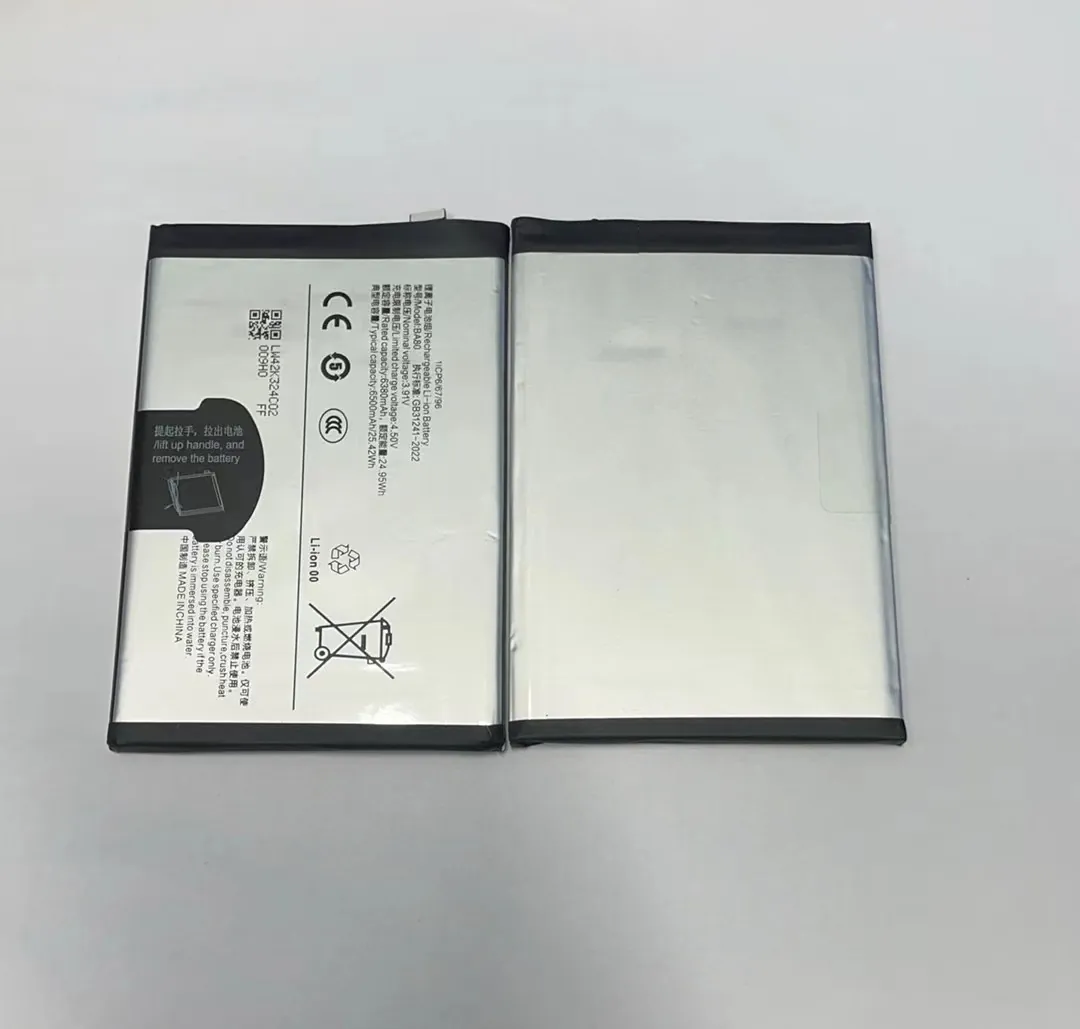
Let’s break down the safe and unsafe methods:
Safe Methods to Power a Phone Without Battery
| Method | Safe? | Why it's safe |
|---|---|---|
| DC Power Supply | ✅ | Allows voltage/current control, stable output |
| Battery Emulator Board | ✅ | Designed to mimic battery behavior |
| USB Jig (for Samsung) | ✅ | Activates boot mode safely with proper voltage levels |
Unsafe Methods (to avoid)
- Connecting USB wires directly to battery terminals
- Using jump wires without current limiting
- Modifying power circuits without protection
A good DC power supply should support current limiting and have a digital display. You should start with 3.7V and increase slightly if the phone doesn't boot. Always set the current to 1A or less for testing.
Battery emulator boards are better for phones that require battery signal communication. These boards connect to the phone’s battery terminals and simulate not just the voltage, but also the battery ID and temperature signals.
Is it possible to bypass a mobile battery?
Bypassing the battery might sound like hacking, but it’s often necessary for repair or testing. But it has limits and risks.
Yes, you can bypass a mobile battery using a battery bypass module or emulator, but it must simulate voltage, battery ID, and thermistor signal accurately.
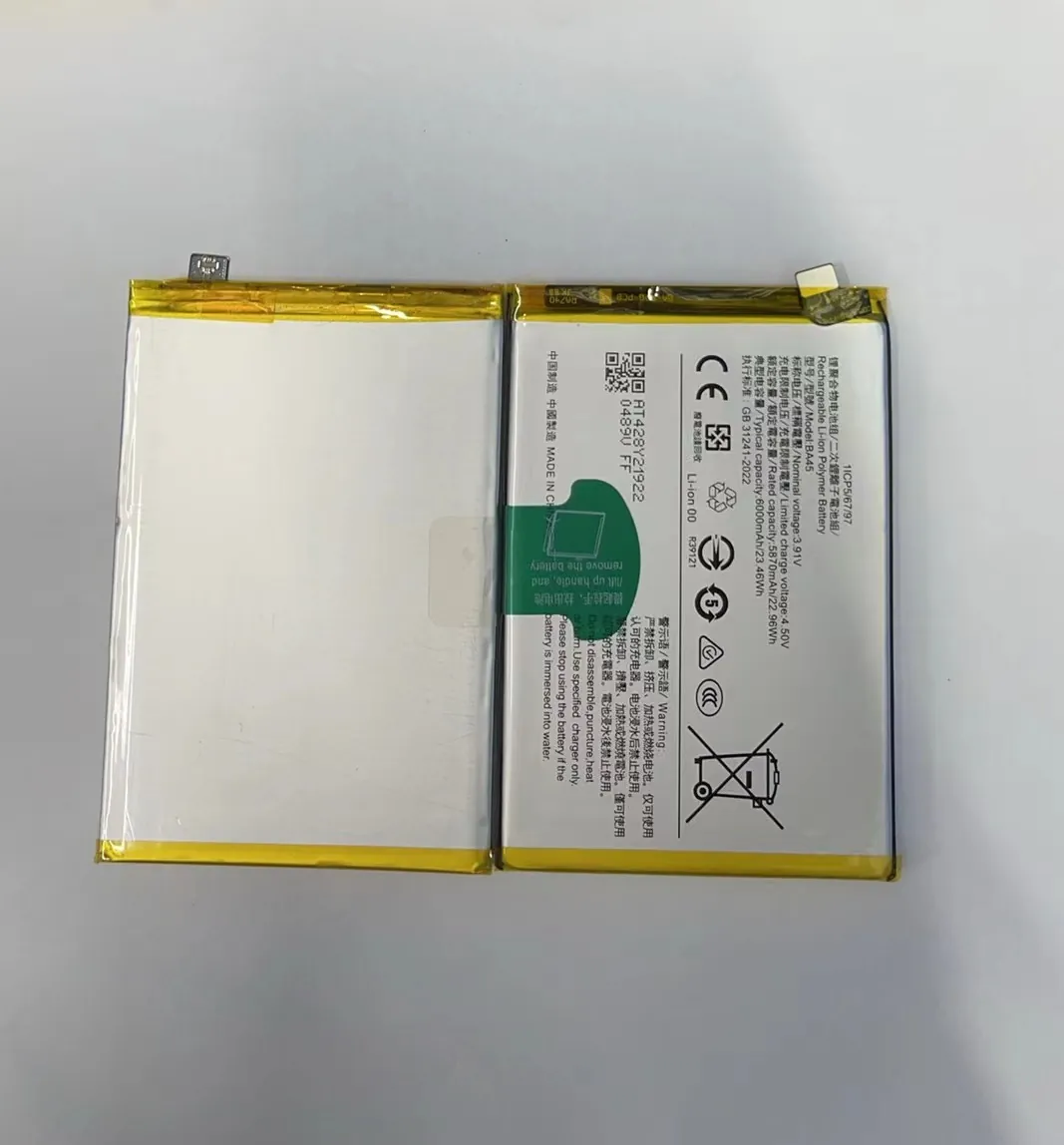
In phones with basic power logic, connecting 3.7V-4.2V directly to the battery pads might boot the phone. But many phones today use smart batteries. These batteries have three or four terminals:
- Positive terminal (B+)
- Negative terminal (B-)
- Battery ID or Data (BID)
- NTC (Temperature sensor)
Some phones won’t boot if the battery ID or NTC signal is missing. The PMIC thinks the battery is unsafe or missing, so it prevents boot.
Battery Emulator Boards: What They Do
Battery emulator modules solve this. They generate:
- Stable 3.8V output
- Simulated battery ID signals
- Thermistor resistance (10K NTC)
They often come with dial switches or jumpers to match phone model requirements.
Example: Bypassing a Samsung Battery
For Samsung phones, you can use a jig or an emulator with:
- 3.85V regulated power
- Proper thermistor (10KΩ)
- Matching battery connector
Avoid long-term use with emulators. They are made for testing, not permanent replacement. Extended use without a battery can damage the PMIC or create thermal issues.
What tools help run a phone without battery?
Technicians need the right tools to avoid damage. Not all power supplies or boards work with all phones.
Useful tools for running a phone without a battery include DC power supplies, battery emulator boards, battery activation boards, and boot jigs.

Here are essential tools and what they do:
Table: Tools for Battery Bypass
| Tool | Function | Best for |
|---|---|---|
| DC Power Supply | Provides adjustable voltage and current | General testing |
| Battery Emulator Board | Simulates battery voltage and signals | Phones with smart battery checks |
| Boot Jig (Samsung/others) | Forces phone into boot mode via USB | Booting phones without buttons |
| Battery Activation Board | Activates or powers up battery terminals | Dead battery diagnosis |
Each of these tools has a unique role. For example, DC power supplies give full control, but they require knowledge of the right voltage and current settings.
Battery emulator boards are plug-and-play for specific models. Many of them come with multiple connectors for brands like iPhone, Samsung, Xiaomi, and Oppo.
Safety Tips When Using Tools
- Always measure output voltage before connecting
- Set current limit to prevent overdraw
- Do not touch live terminals
- Avoid long-term use without heat management
When used properly, these tools save time and prevent false diagnosis. They are especially useful for wholesale testers and refurbishers who need to power hundreds of units per day for checking.
Conclusion
You can power a phone without its battery using the right tools and methods. Use battery emulators or DC power supplies safely to test or boot devices. Avoid risky shortcuts that can cause damage.
