

Your phone’s battery is dead. You don’t have a charger that fits. The nearest store is closed. This is when a universal battery charger can save the day.
A universal mobile battery charger can charge removable phone batteries directly, without needing a specific charging port or cable. It works by connecting to the battery terminals.
When standard charging methods fail, these chargers are a helpful backup. But not all phones support them. Let’s look at how they work and how to use them safely.
Which phones support universal battery chargers?
Universal chargers sound great, but not every phone works with them. Some phones have built-in batteries. Others have battery types that don’t fit universal chargers.
Only phones with removable lithium-ion batteries support universal battery chargers. Built-in or sealed batteries cannot be charged this way.

What kind of batteries work?
Most universal battery chargers are designed for:
- Lithium-ion (Li-ion) batteries
- Lithium-polymer (Li-Po) batteries
These are the most common types used in phones, tablets, and some power banks. The key point is that the battery must be removable.
Common phone brands with removable batteries
Before 2017, many phones had removable backs. You could pull the battery out and replace it easily. But now, most smartphones are sealed.
Here are examples of phones that may support universal battery chargers:
| Brand | Sample Models | Removable Battery? |
|---|---|---|
| Samsung | Galaxy J2, Galaxy S5, Note 4 | Yes |
| LG | G4, K10, V10 | Yes |
| Nokia | Older Lumia and feature phones | Yes |
| Xiaomi | Redmi 1S, Redmi 2 | Yes (older models) |
| Huawei | Y5 (older), Honor 3C | Yes (some models) |
Newer models, especially flagship phones, usually have built-in batteries. For those, a universal charger won’t help.
How do you check?
Remove the back cover of your phone (if possible). If the battery comes out easily and has visible metal contacts, you can probably use a universal charger.
If the battery is glued in or hidden, don’t force it. You’ll need other charging methods.
How do I safely connect a universal charger?
Universal chargers don’t come with a lot of instructions. But getting it wrong can damage your battery or even cause short circuits.
To safely connect a universal charger, match the positive and negative pins of the charger to the battery’s terminals, then plug it in to charge.

Step-by-step guide
- Remove the battery from your phone.
- Find the metal terminals. Usually, there are three: +, –, and data (D).
- Identify + and – on the battery. They are often labeled. If not, look online for your battery model.
- Adjust the charger pins so they touch the + and – terminals.
- Insert the battery into the charger slot. Make sure it fits tightly.
- Plug the charger into a wall socket.
- Check the light indicator. Red usually means charging, green means full.
Safety tips
- Never force the battery in.
- Make sure the metal pins don’t touch each other.
- Don’t leave it charging overnight.
- Avoid overcharging. Remove the battery once it’s full.
Here’s a quick reference:
| Step | Action | Why It Matters |
|---|---|---|
| 1 | Remove the battery | You can’t charge inside the phone |
| 2 | Identify terminals | Avoid wrong connection |
| 3 | Align charger pins | Ensures power reaches the battery |
| 4 | Watch indicator lights | Prevent overcharging or overheating |
Universal chargers don’t use smart chips like OEM chargers. That’s why you must watch them manually during charging.
Are universal chargers slower than standard ones?
When using a universal charger, many people feel charging takes longer. Is that true, or just a myth?
Yes, universal battery chargers are usually slower than original chargers because they provide less current and have no smart charging features.
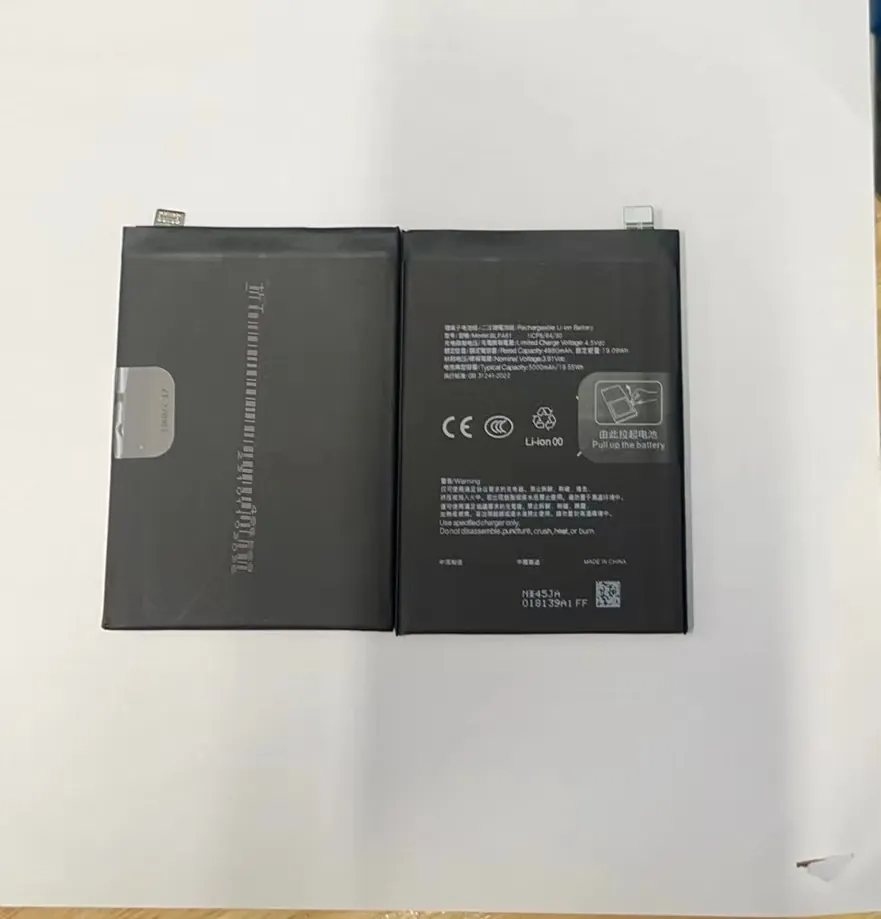
Why universal chargers charge slower
Universal chargers use constant voltage and current, usually around 500–800mA. This is much lower than fast chargers, which can reach 2A or even 3A.
Original chargers are optimized for specific phone models. They “talk” to the phone to decide the best charging speed. Universal chargers can’t do that.
Charging time comparison
Here’s a simple comparison:
| Charging Method | Average Output | Battery 3000mAh | Smart Charge Control |
|---|---|---|---|
| Wall charger (OEM) | 2A | ~1.5 hours | Yes |
| USB cable from PC | 0.5A | ~4 hours | No |
| Universal charger | 0.6A | ~3.5–4 hours | No |
If time matters, universal chargers are not ideal. But they’re still useful when you have no other choice.
Can universal chargers overheat?
Yes. Because they don’t stop charging automatically, the battery can overheat if left too long. Always unplug once the light shows full.
What are the risks of using third-party chargers?
Many universal chargers are made by lesser-known brands. They’re cheap and available everywhere. But are they safe?
Using low-quality third-party chargers can damage batteries, reduce their lifespan, or even cause fire hazards if safety circuits fail.
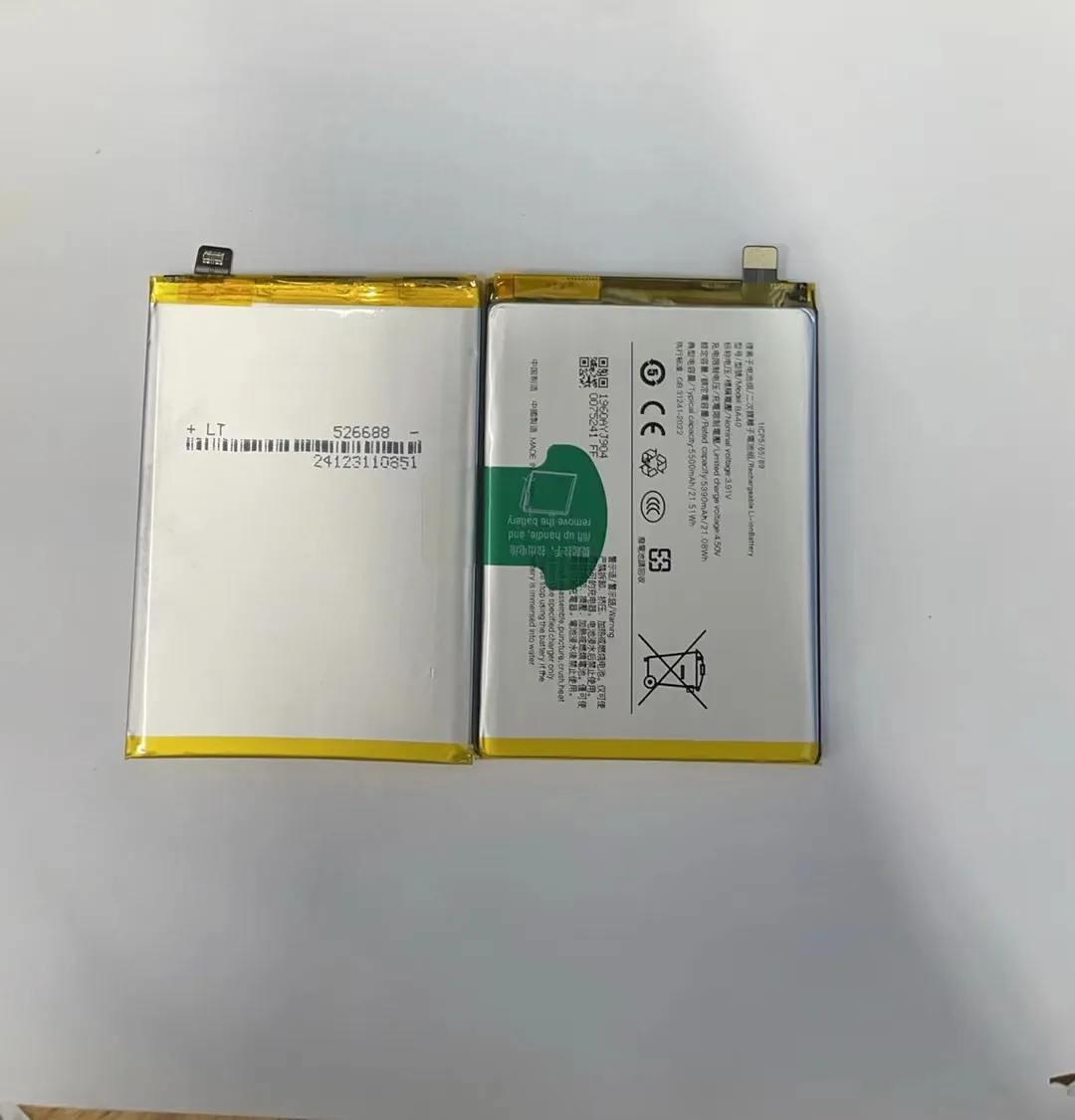
Common risks
- Overcharging – Without smart control, battery keeps charging even when full.
- Short-circuits – Poor-quality metal pins can touch and spark.
- Voltage instability – Sudden spikes can damage battery cells.
- Fire risk – Overheating or faulty parts may start a fire.
Signs of a dangerous charger
- It feels hot during use
- There’s a burning smell
- The LED light flickers
- It charges very slowly or not at all
- It makes noise when plugged in
If you notice any of these, stop using the charger immediately.
How to pick a safe universal charger
- Buy from known electronics brands
- Check if it has overcharge protection
- Read online reviews
- Avoid the cheapest models
When third-party is acceptable
If the charger:
- Has good build quality
- Shows proper certification marks (CE, RoHS)
- Matches your battery size
Then it can be used safely. Just make sure you monitor the battery during charging.
Conclusion
Universal battery chargers are a useful tool for older phones with removable batteries. They work without cables and fit many battery types. But you must use them carefully. Avoid overcharging, choose quality products, and always follow the right steps to stay safe.
