
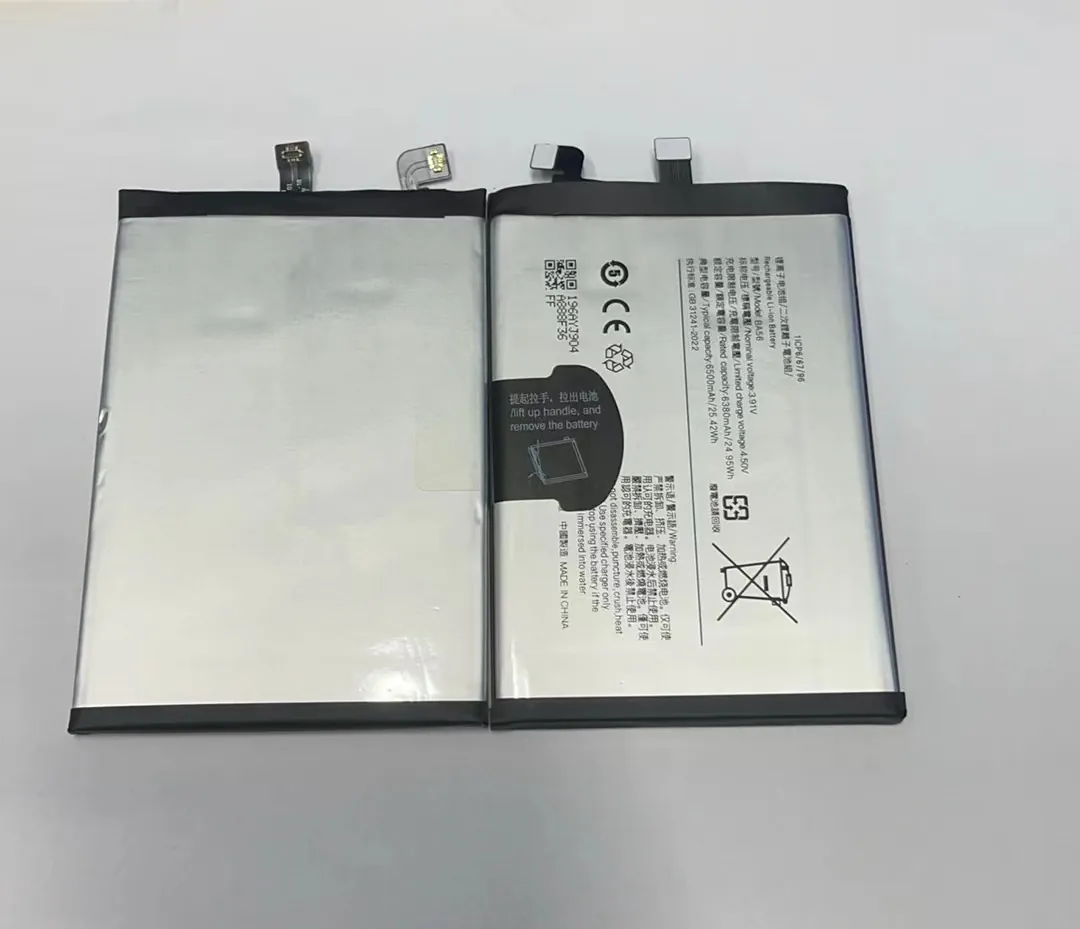
Many people think letting a phone battery die is bad. Others say it is okay once in a while.
Regularly letting your phone battery run down to zero can hurt its long‑term health, but occasional full drain does not cause major damage in modern phones.
We will explore what happens when a battery drains, how it affects lifespan, and what manufacturers recommend.
Is it bad to let phone battery drain completely?
People worry when their phone dies without warning. They ask if this short‑term behavior harms the battery.
Letting your phone battery drain completely every time is not good for battery health, but a single full drain now and then is unlikely to cause serious harm.
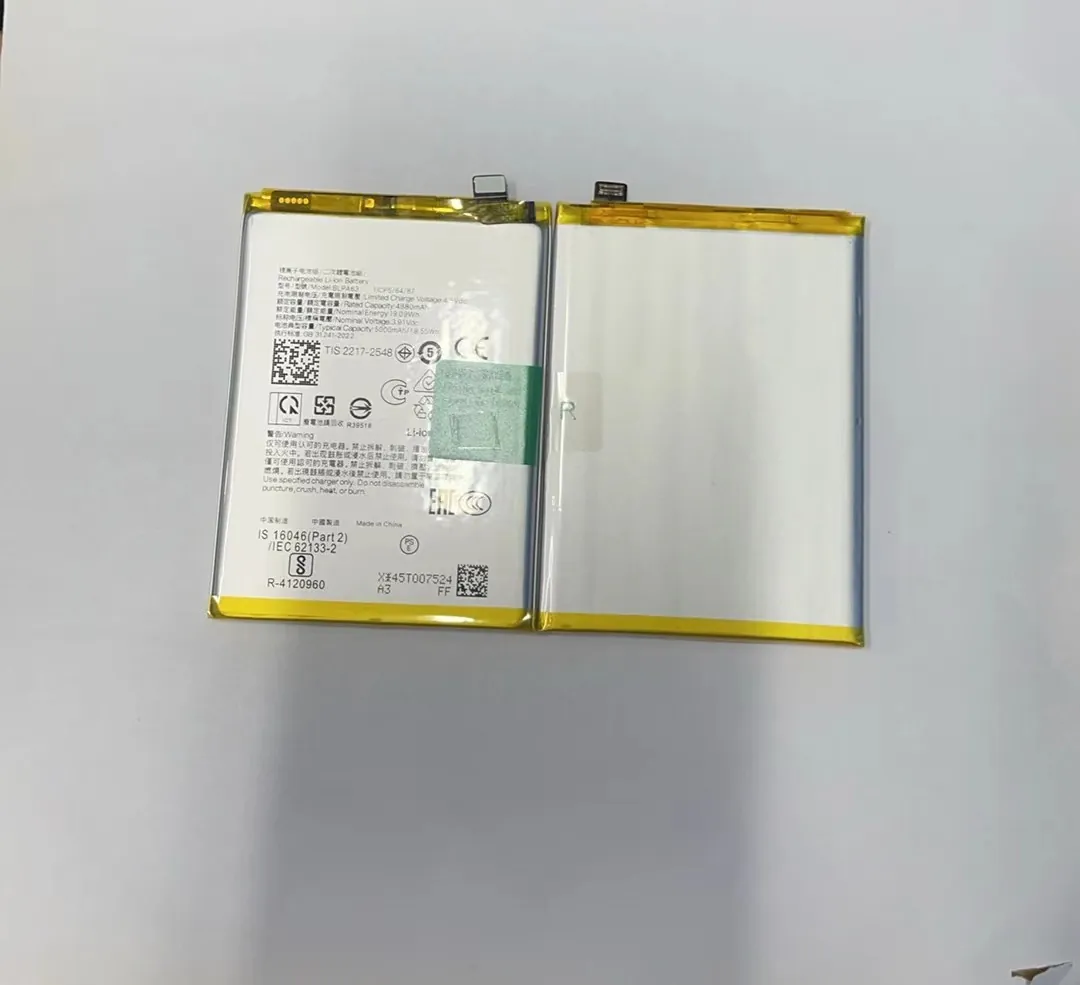
Battery chemistry is sensitive. Deep discharges can stress the cells. But modern phone batteries have safety systems to protect against damage. The real harm comes from repeated deep discharges over many cycles, not the occasional one.
What Happens When You Drain the Battery
When a battery goes to zero percent:
- The phone shuts off to prevent harmful voltage levels.
- Battery management systems cut power before true zero.
- The battery enters a protection mode.
This means the phone rarely reaches the true zero level that would hurt the cells. However, relying on this protection repeatedly can still stress the battery.
Short‑Term Vs Long‑Term Effects
Here is a simple way to see the difference:
| Behavior | Effect on Battery |
|---|---|
| One full drain | Minor effect |
| Many full drains | Reduced capacity over time |
| Partial discharges | Better for health |
Partial discharges between 20% and 80% are gentler on the battery than full drains.
Why Occasional Full Drain Happens
There are times when your phone dies unexpectedly:
- You forgot to charge
- You used heavy apps until it died
- You were away from power all day
These occasional events do not destroy the battery. Phones are designed to handle these situations.
When Full Drain Becomes a Problem
If you let the battery die fully almost every day, the battery will age faster. This is because each deep cycle adds wear. Batteries have a limited number of full cycles before capacity drops significantly.
User Experience and Battery Life
Many users see their battery age faster when they run it down often. They notice:
- Less total battery time from a full charge
- Battery percentage dropping quickly
- Phone needing charge halfway through the day
These signs usually come from repeated deep discharges plus heavy use, not just one or two full drains.
Balancing Real‑World Use
You do not need to obsess over keeping battery above 20% all day. But avoiding daily full drains will help the battery last longer.
How does deep discharge affect battery health?
Deep discharge means using the battery until it reaches a very low percentage. This affects how long the battery lasts in the long run.
Deep discharge increases stress on the battery, leading to faster capacity loss and shorter overall battery life when done repeatedly.
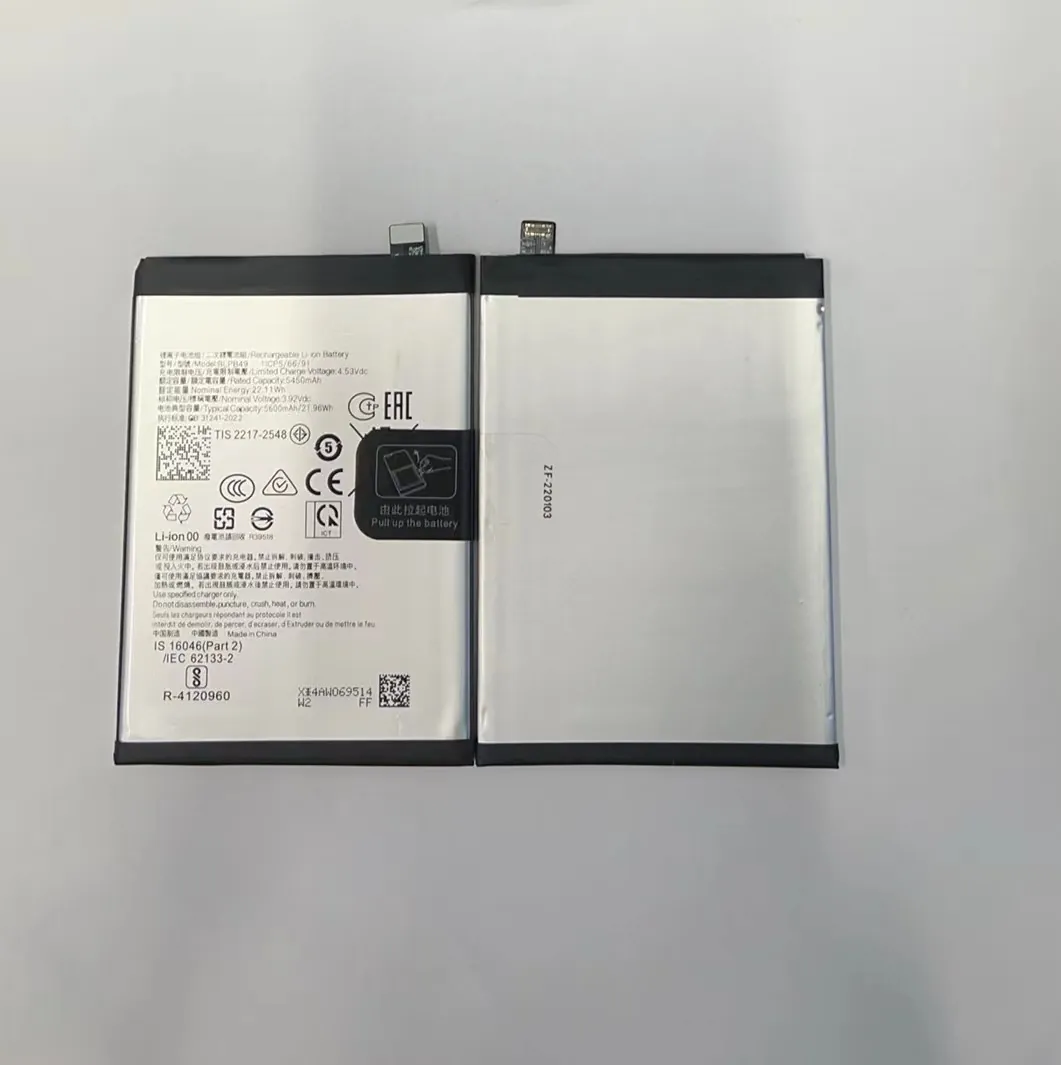
Battery cells have a chemistry that changes over time. Each full discharge cycle causes small chemical changes inside. Many full cycles accelerate aging.
What Deep Discharge Does Inside the Battery
At a chemical level:
- Lithium ions move between electrodes
- Deep discharge moves ions further than partial discharge
- This can lead to micro‑structural changes
The more extreme moves the ions make, the faster the battery loses capacity.
Internal Resistance and Deep Discharge
Batteries have something called internal resistance. When it rises:
- Voltage drops faster
- Heat increases
- Performance drops
Deep discharge cycles tend to raise internal resistance over time faster than partial cycles.
How Batteries Age
Battery age is tied to cycles. Each cycle is roughly one full discharge and charge. But cycles add up even with partial discharges. For example, two partial discharges from 80% to 40% equal one full cycle.
Here is a simplified table showing rough battery aging impact:
| Discharge Pattern | Cycle Count Equivalent | Relative Stress |
|---|---|---|
| 100% to 0% | 1 cycle | High |
| 80% to 20% | 0.75 cycle | Moderate |
| 90% to 50% | 0.4 cycle | Low |
| 60% to 40% | 0.2 cycle | Very low |
This shows deeper discharges count more toward total cycle wear.
Thermal Effects of Deep Discharge
When a battery goes very low:
- Voltage drops
- The system may draw more current
- This can produce heat
Heat speeds up chemical reactions that degrade the battery further. So low battery + heavy use = more stress.
Comparing to Partial Discharges
Partial discharges keep the battery within safer voltage limits. For example:
- Using phone from 80% to 50%
- Charging back to 80% or 90%
These patterns reduce peak stress and help the battery last longer in terms of capacity.
User Habits That Reduce Deep Discharge
To limit deep discharge effects:
- Charge before it goes below 20%
- Top‑up charge during day
- Avoid letting battery hit zero often
- Use power saving when battery is low
These habits keep stress lower and slow down aging.
When Deep Discharge Is Beneficial
Occasionally letting the battery run down can help reset the battery meter calibration. This helps the phone estimate true battery percentage more accurately. But this benefit is rarely needed more than once every few months.
What do manufacturers say about battery draining?
Manufacturers often give guidance on how to use battery to make it last longer. Their advice is based on tests and expected user behavior.
Most manufacturers recommend avoiding frequent full discharges and keeping the battery between mid‑range levels to preserve battery health.
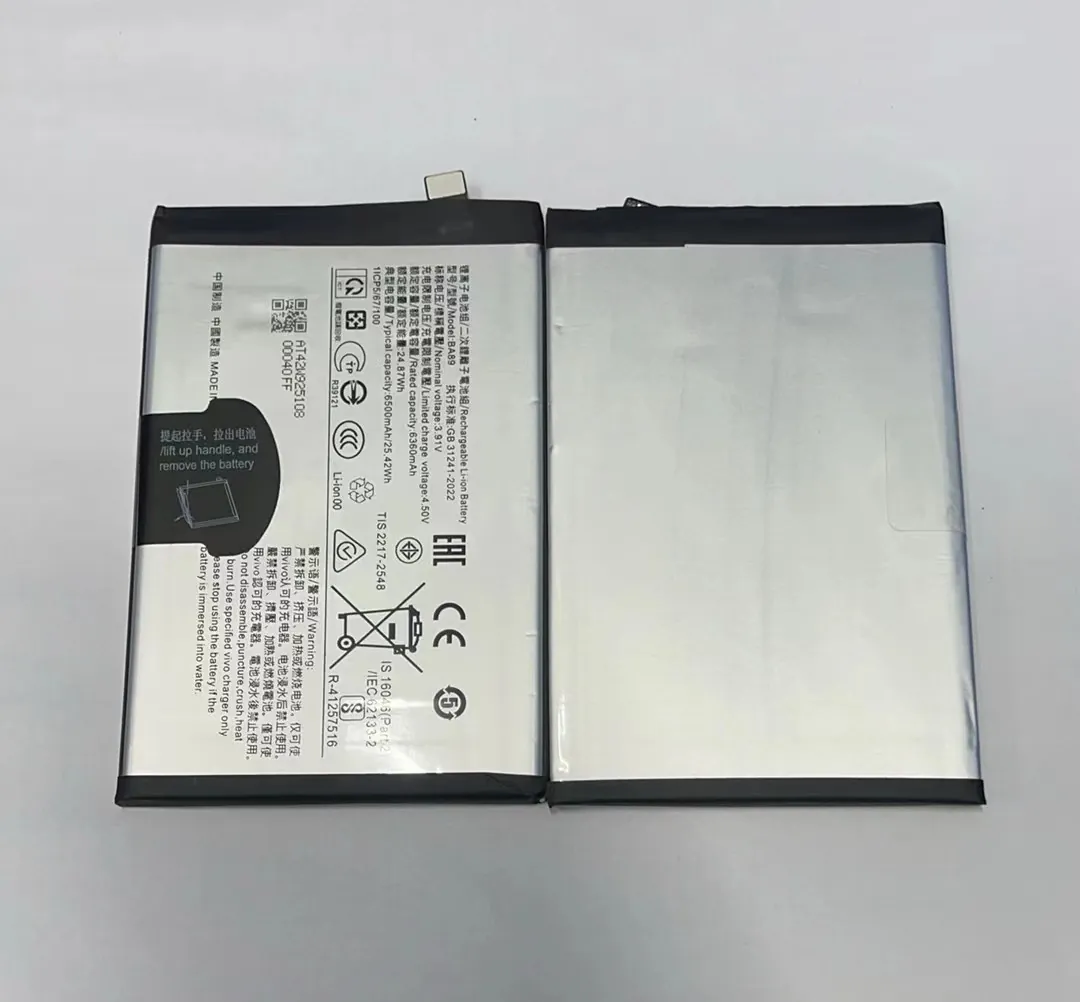
Manufacturers know battery chemistry well. They design battery management systems to protect the battery from harmful voltage levels. But they still recommend good habits.
Apple’s Guidance
Apple advises:
- Avoid extreme temperatures
- Keep battery charged between 20% and 80% when possible
- Full discharges are not recommended daily
Apple’s guidance is meant to slow capacity loss and extend battery health over years.
Android Maker Advice
Many Android makers like Samsung, Google, and others provide similar tips:
- Don’t let the battery run to zero often
- Charge before it gets too low
- Use optimized charging features
These practices help reduce unnecessary stress.
Official Battery Recommendations Summary
Here is a table summarizing common manufacturer advice:
| Maker | Battery Advice |
|---|---|
| Apple | Avoid extremes, partial charges preferred |
| Samsung | Avoid frequent full discharges |
| Use adaptive charging, avoid low battery stress | |
| Other OEMs | Charge regularly, do not leave at zero |
This list shows a consistent theme: avoid deep discharge often.
How Warranty Policies Treat Battery Wear
Some warranties cover battery health loss under certain conditions. They often:
- Define battery capacity threshold
- Exclude damage from misuse
If a battery drops below a defined capacity within warranty period, some makers offer replacement. But repeated deep discharge use is usually not covered.
Manufacturer Tools and Software
Phones include tools to protect battery:
- Adaptive charging
- Optimized battery charging
- Thermal management
These features reduce stress on the battery and slow capacity loss.
Statements From Companies
Most companies publish battery care tips on support pages. They all stress reducing stress on the battery. This is mainly about heat and extreme discharges.
Best Interpretation of Manufacturer Guidance
The overall guidance is simple: using the phone in a way that avoids extremes helps the battery last longer. This includes:
- Don’t let battery hit zero often
- Avoid high heat
- Do not leave charging at 100% all night constantly
These factors, combined with discharge behavior, affect lifespan.
Are modern phone batteries designed for full discharge?
Modern phone batteries are designed with protection and intelligence. They balance user habits and battery chemistry.
Modern phone batteries are not meant for frequent full discharge; instead, they are designed for partial discharges within a safe range to maximize lifespan.
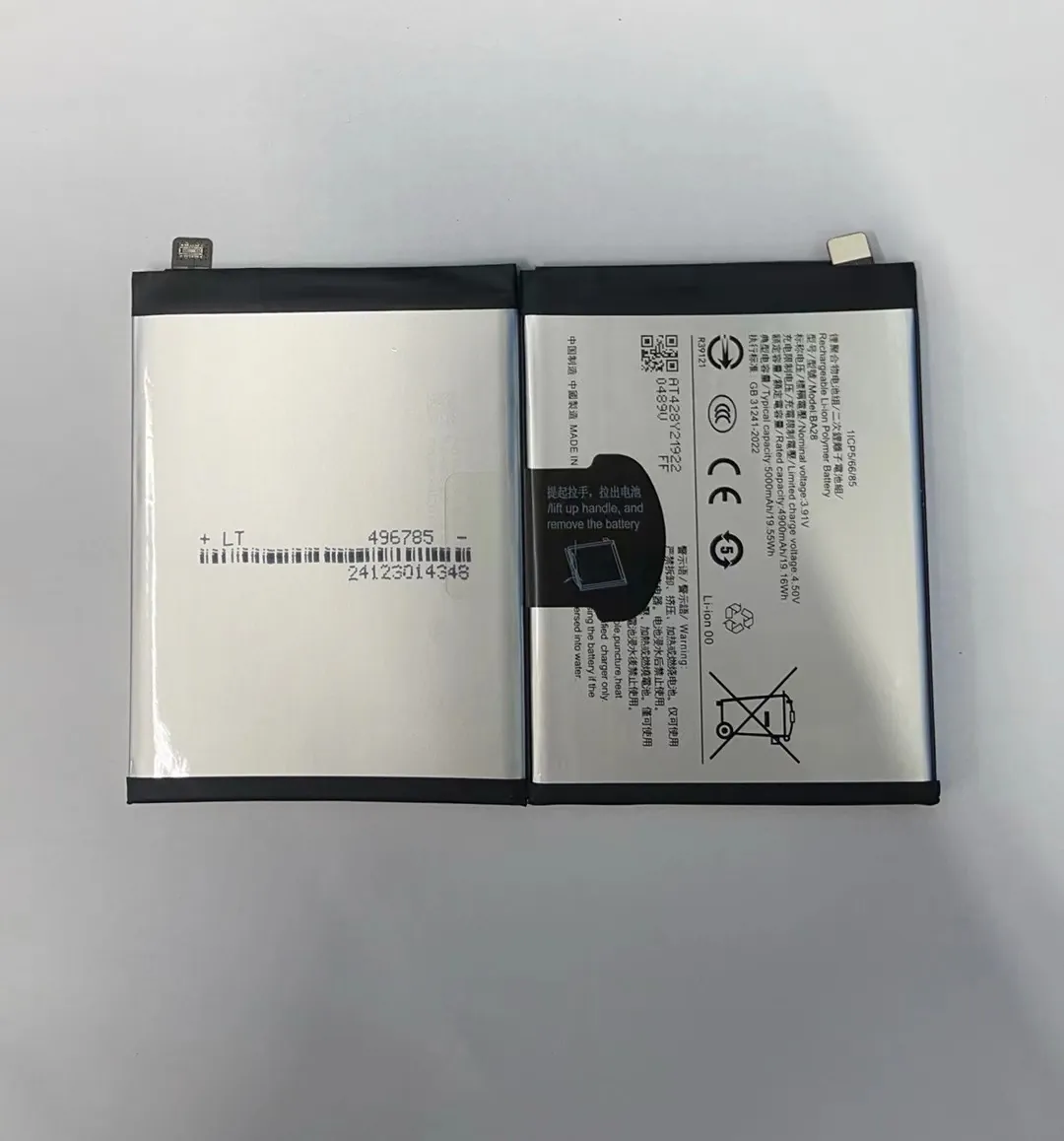
Most phones use lithium‑ion batteries with built‑in protection circuits. These systems prevent damage from over‑discharge and over‑charge. But the chemistry still responds better to partial cycles.
Battery Management Systems (BMS)
Modern phones include a BMS that:
- Stops discharge before true zero
- Limits charge at high percentages
- Manages temperature
- Optimizes charging speed
This makes running to zero less harmful than it once was, but it does not remove the underlying chemistry limits.
Safe Operating Ranges
Most phones operate best when battery stays within:
- 20% to 80% for long lifespan
- 0% to 100% occasionally is fine
Staying in this mid‑range reduces extremes on voltage and stress.
Adaptive and Smart Charging
Many phones have features that understand your schedule and slow charging near 100% to reduce stress. This keeps the battery healthier over time.
Battery Chemistry Limitations
No matter the protection, the battery still ages due to:
- Charge cycles
- Temperature exposure
- Time
A battery will age with use, and frequent full cycles speed that up.
Real World Use and Full Discharge
In real use, phones rarely truly reach zero volts due to protective systems. The phone shuts down before the battery hits a dangerous low level.
This protects the cells but does not eliminate the stress from deep cycles.
When Full Discharge Is Useful
Occasional full discharge can help:
- Recalibrate battery percentage
- Improve accuracy of battery estimate
But it should be done rarely, not daily.
How Designers See Full Discharge
Designers see full discharge as:
- Useful for calibration
- Not ideal for daily use
- Acceptable occasionally
They build systems to survive it, but they do not recommend it as a habit.
Comparison of Design Goals
Here is a comparison of design focus:
| Aspect | Modern Battery Design |
|---|---|
| Frequent full drain | Not ideal |
| Occasional full drain | Allowed |
| Partial discharge cycles | Preferred |
| Heat management | High priority |
| Protection circuits | Standard |
This shows that while allowed, full discharge is not the priority for design.
Final Notes on Design Intent
Modern batteries are robust and intelligent. They protect the battery from damage, handle occasional deep discharge, and suggest partial charges for daily use.
They are designed with real user behavior in mind, not ideal lab conditions.
conclusion
Letting your phone battery run down occasionally is okay. Frequent full drains can speed aging. Modern phones are designed for partial discharges within safe ranges. Follow manufacturer guidance for best battery lifespan.
