

Mobile phone batteries power our daily lives. When your phone runs out of juice, you might wonder what lies inside that tiny pack.
Mobile phone batteries are mostly made from several key materials that work together to store and release energy safely and efficiently.
Understanding these materials helps you see why phones last as long as they do and why battery life can vary so much.
Which materials are most common in lithium batteries?
Many modern phones use lithium-ion or lithium-polymer batteries. These are lightweight, strong, and can hold a lot of energy for their size.
Common lithium batteries include materials like lithium compounds, graphite, and metal oxides in their structure.
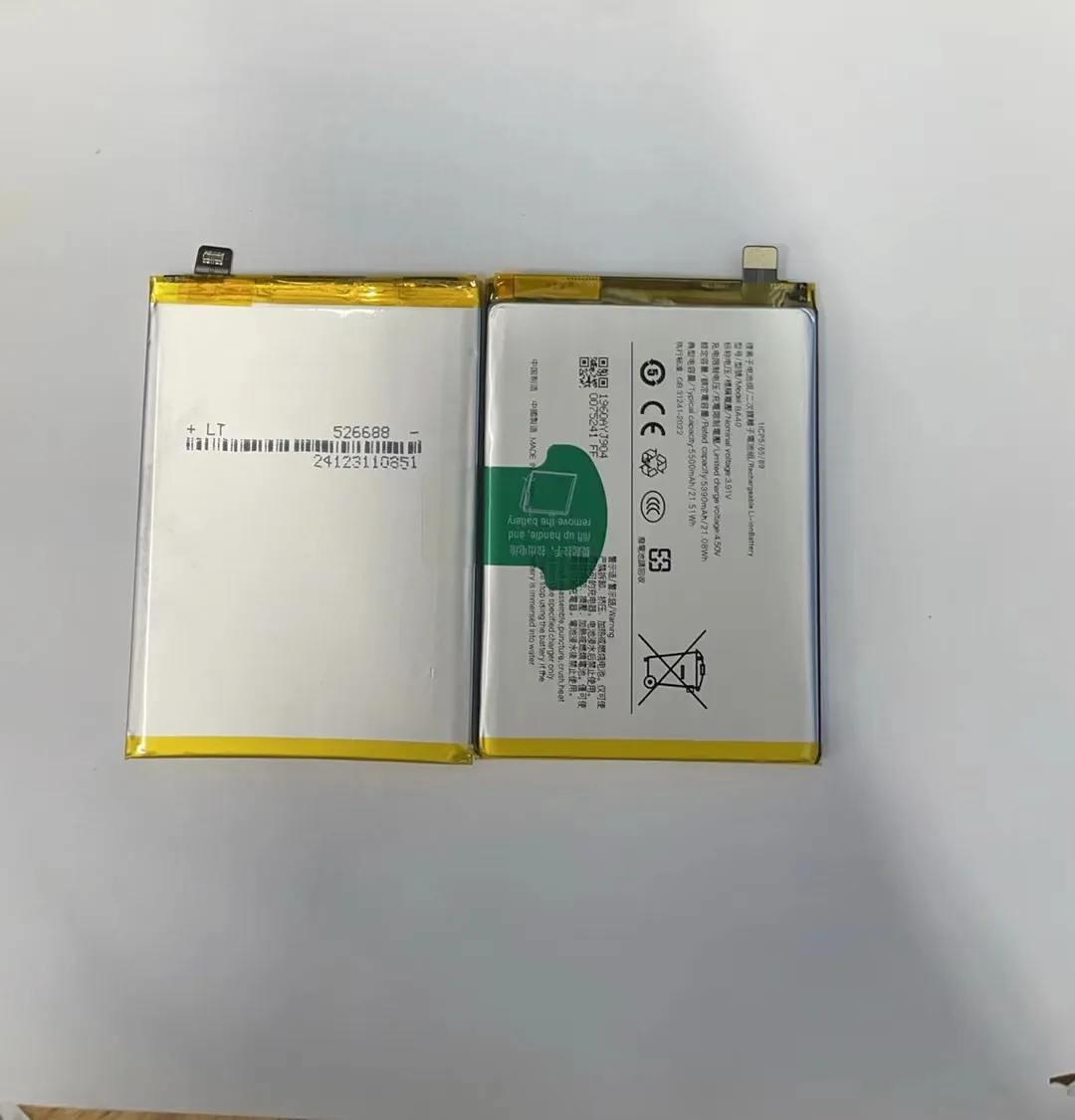
Every part of the battery serves a purpose. Some materials carry electrical charge, while others keep the battery safe and stable.
Main Parts of a Lithium Battery
A typical lithium battery has these core parts:
- Cathode – holds lithium and releases it during discharge
- Anode – stores lithium when charging
- Electrolyte – medium that lithium ions travel through
- Separator – keeps the anode and cathode apart but lets ions pass
Each part uses specific materials that affect how the battery works.
Key Materials in Lithium Phone Batteries
| Battery Component | Typical Material(s) | Role in the Battery |
|---|---|---|
| Cathode | Lithium cobalt oxide, NMC, LFP | Source of lithium ions and main energy storage |
| Anode | Graphite (usually carbon-based) | Stores lithium ions during charging |
| Electrolyte | Lithium salt in liquid/gel form | Allows ions to move between anode and cathode |
| Separator | Micro‑porous polymer film | Keeps electrodes apart and prevents short circuits |
Cathode materials vary, and each type changes the battery’s performance and safety.
Why These Materials Are Used
- High energy density: These materials let the battery hold a lot of power in a small space.
- Lightweight: Essential for phones that must stay light and thin.
- Stable: They help the battery remain safe over many charge cycles.
Even small changes in these materials can change how long a phone lasts, how fast it charges, and even how safe it is.
Why are cobalt and lithium used in phone batteries?
You may hear names like cobalt and lithium when people talk about batteries. These elements play a big role in how modern batteries work.
Cobalt and lithium are used because they help batteries store a lot of energy while staying stable and reliable.
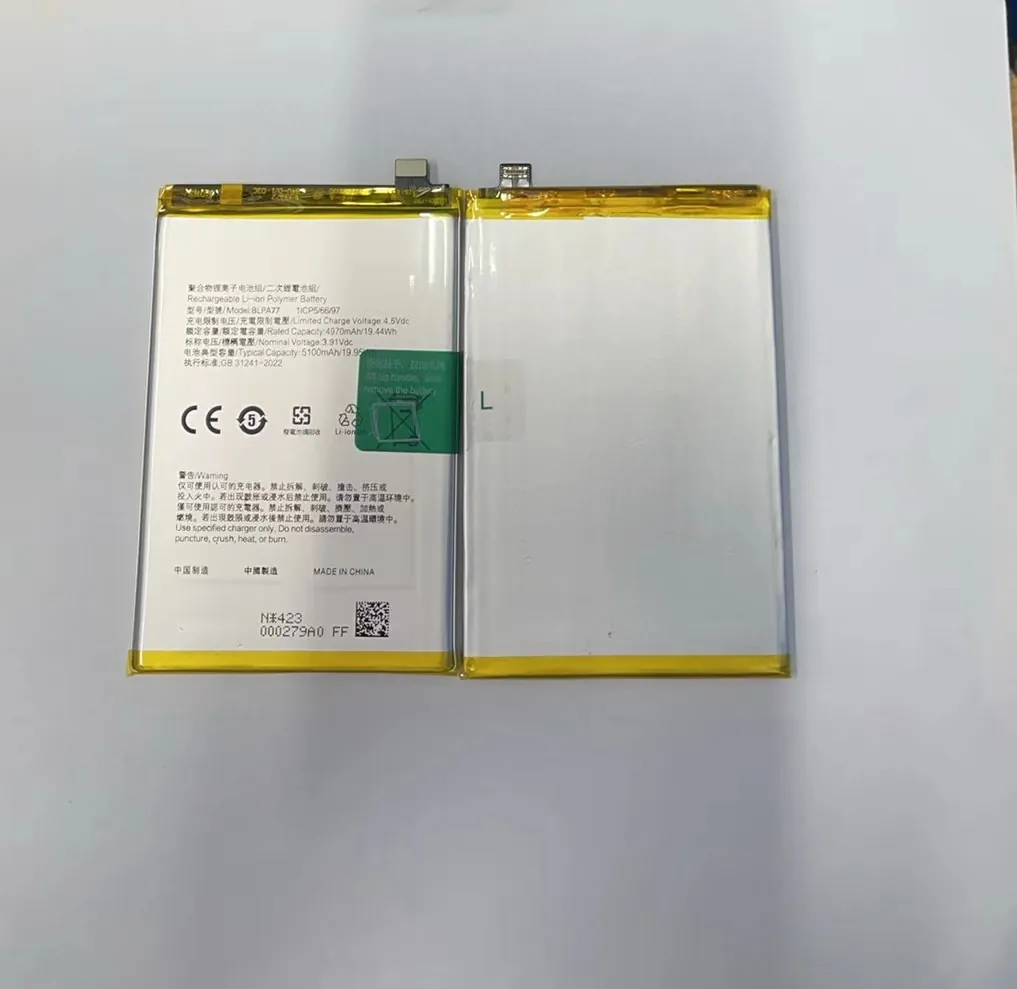
Lithium is the lightest metal and highly reactive, making it perfect for batteries. Cobalt helps keep the energy flowing safely and prevents the battery from degrading too fast.
The Role of Lithium
Lithium is great because:
- It is very light, which means the battery does not weigh much.
- It can store and move charges easily.
- It helps give batteries high energy density, so your phone runs longer on one charge.
Without lithium, phone batteries would be heavier and weaker.
The Role of Cobalt
Cobalt is part of many popular cathode materials. It helps by:
- Stabilizing the battery during charge and discharge.
- Allowing for consistent energy flow.
- Reducing overheating, which improves safety.
Batteries with more cobalt often last longer and perform better, but cobalt also makes batteries more expensive.
Concerns Around Cobalt
Cobalt has downsides. Mining cobalt raises ethical and environmental concerns in some regions. This has pushed battery makers to change formulas and reduce how much cobalt they use.
How Manufacturers Respond
Battery makers are adapting by:
- Using less cobalt or replacing it with other metals.
- Developing new materials like NMC (nickel‑manganese‑cobalt) or LFP (lithium iron phosphate).
- Seeking ways to make batteries safer and more sustainable.
These changes aim to balance performance, cost, and safety.
How do battery materials affect performance and safety?
Not all batteries are equal. The materials inside change how the battery performs and how safe it is for everyday use.
Battery materials affect things like energy capacity, lifespan, charging speed, and how likely the battery is to overheat or fail.
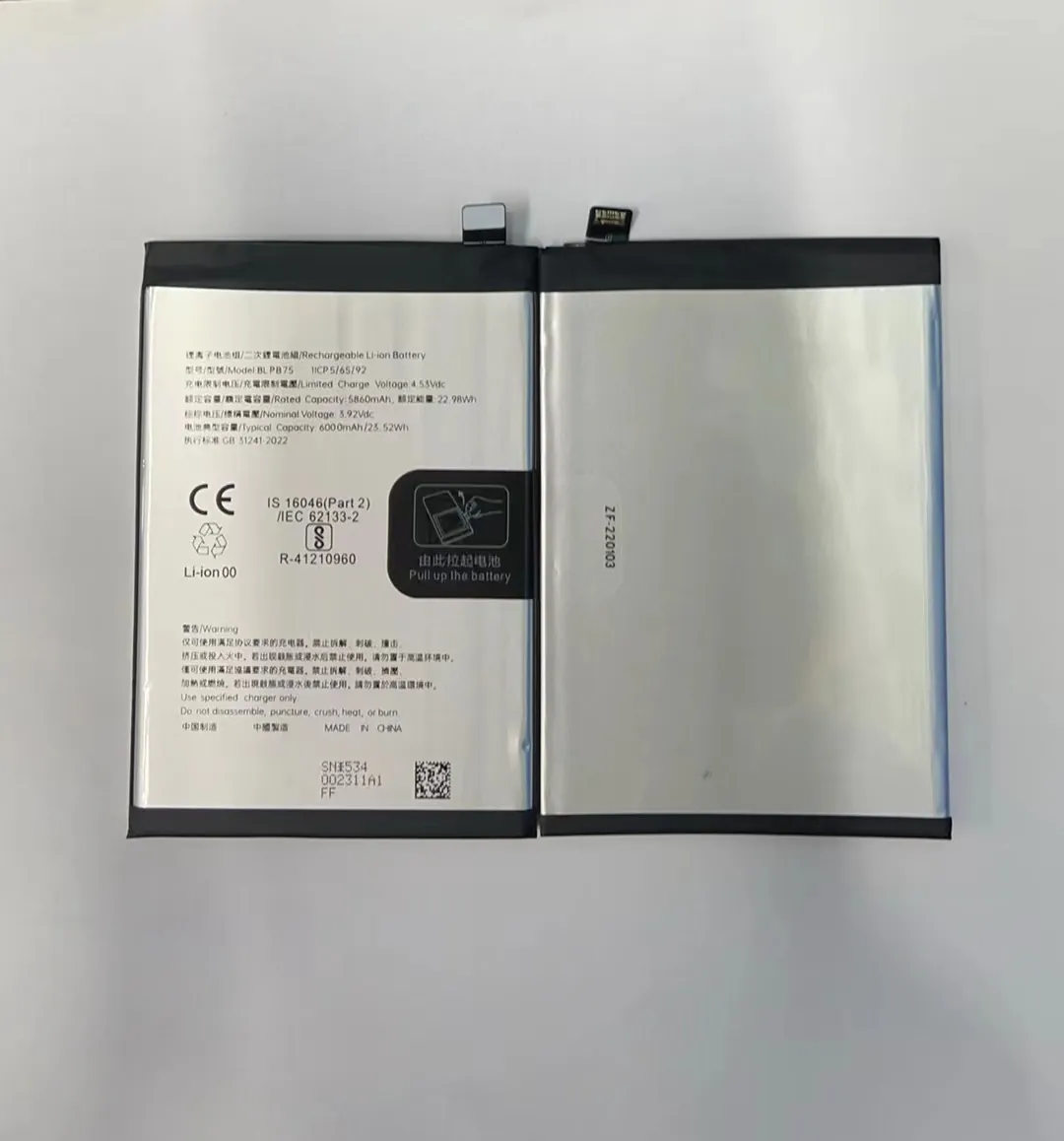
When you choose a phone, you might not think about what’s inside the battery. But the chemistry inside deeply influences your experience.
How Materials Affect Performance
Some battery materials give higher energy density, so your phone lasts longer per charge. Others improve cycling life, which means the battery lasts through more charge cycles before wearing out.
Here is how some types of cathode materials compare:
| Material Type | Energy Density | Lifespan (Cycles) | Safety Level | Cost Impact |
|---|---|---|---|---|
| Lithium Cobalt Oxide (LCO) | High | Moderate (500‑1000) | Moderate | Higher |
| NMC (Nickel Manganese Cobalt) | High‑Medium | Good (1000+) | Moderate‑Good | Mid |
| LFP (Lithium Iron Phosphate) | Medium | High (2000+) | Very Good | Lower |
- High energy density helps you use apps longer without charging.
- More cycles means the battery lasts longer over the phone’s life.
- Higher safety reduces risks like heat or swelling.
Materials are a trade‑off. No battery is perfect, so makers choose blends that suit each phone’s purpose.
How Materials Affect Safety
Safety is critical for everyday use. Phones run hot during heavy use, and improper battery chemistry can lead to fires or swelling.
Here’s how materials affect safety:
- Stable materials like LFP are less likely to overheat.
- Cobalt and nickel help performance but can be less stable under stress.
- Separator quality prevents internal shorts, a common cause of battery failure.
Battery design also includes safety systems like shutdown mechanisms and vents. These work with materials to keep your phone safe.
Real‑World Performance Differences
In daily use:
- Phones with high energy density batteries last longer per charge.
- Phones with stable chemistry may age slower and run cooler.
- Some phones handle fast charging better because of better electrolyte and separator designs.
Understanding these effects helps you pick phones that match your needs and avoid surprises.
Are there eco‑friendly alternatives to current materials?
As phones become more widespread, many people worry about the environmental and social impact of batteries. Mining for lithium and cobalt can harm ecosystems and communities.
Eco‑friendly alternatives aim to reduce harmful materials and make recycling easier without sacrificing performance.

Scientists and engineers are exploring new materials and battery designs that could change the future of mobile batteries.
Emerging Battery Materials
Some promising alternatives include:
- Solid‑State Electrolytes: Replace liquid electrolytes with solid materials to improve safety and density.
- Silicon Anodes: Silicon can store more lithium than graphite, potentially increasing capacity.
- Cobalt‑Free Cathodes: Using nickel or manganese to cut out cobalt entirely.
- Recycled Materials: Using recycled metals reduces the need for new mining.
Each option has promise, but each also comes with challenges in cost, manufacturing, and performance.
Benefits of Eco‑Friendly Batteries
- Lower environmental impact from mining and disposal.
- Better safety in some solid‑state designs.
- Reduced reliance on rare metals like cobalt.
These benefits could make future phones greener and more ethical.
Challenges and Limitations
New battery ideas must also:
- Match or beat current energy density.
- Be safe for everyday use.
- Work within existing manufacturing systems.
It may take years for some of these alternatives to appear in mainstream phones.
Recycling and Second‑Life Batteries
Another eco approach is recycling old batteries. Recycled materials can go back into new batteries, reducing waste and mining demand. Some companies also use old batteries in energy storage systems after they no longer suit phones. This “second life” approach extends the value of each battery before recycling.
Recycling and reuse can make phone batteries more eco‑friendly now, even before new materials become common.
Conclusion
Mobile phone batteries rely on key materials like lithium, cobalt, graphite, and polymers. These elements shape how batteries perform and stay safe. While current materials still dominate, new alternatives and recycling offer paths to greener, safer batteries in the future.
