
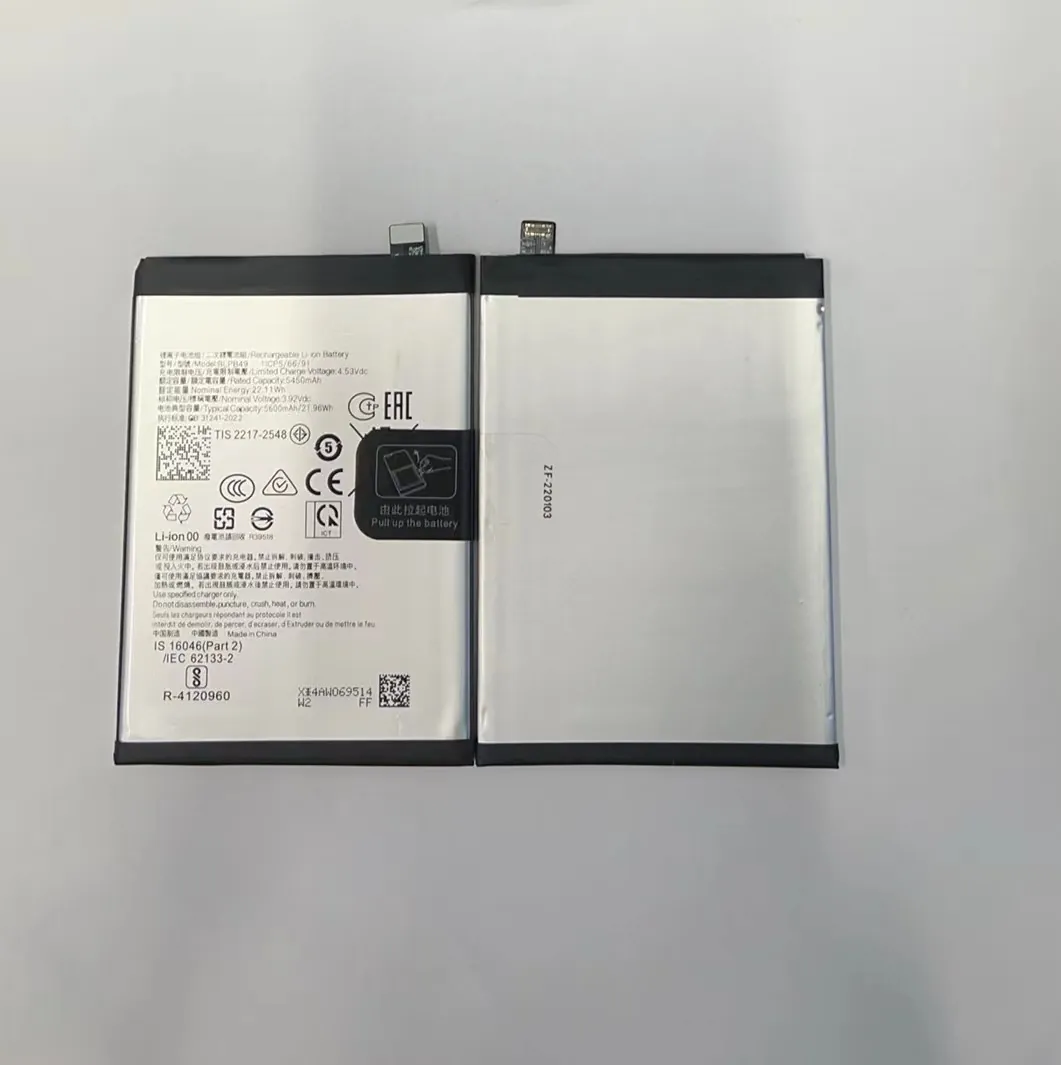
Opening with a problem: many people buy a phone battery based only on the “mAh” number without knowing what it really means. This often leads to surprises when battery life falls short.
The term “mAh” stands for milliamp‑hour, and it measures the electric charge a battery can store. A higher mAh value means more stored charge.
Let me walk you deeper into how this works and why it matters for actual phone battery life.
When you look at a phone battery spec and see 3000 mAh, you might think that means it will last “a long time.” That is partly true — more capacity can mean longer run time. But real battery life also depends on how the phone uses power, how old the battery is, and how well the phone hardware and software manage energy. In the sections below, I explain how mAh really works, what affects real‑world performance, and why two batteries with the same mAh may behave quite differently.
How does mAh measure capacity?
People often ask: what does mAh actually tell me about a battery?
mAh is a way to express how much electric charge a battery can hold, measured as the number of milli‑amps the battery can deliver over hours. So a battery rated at 2000 mAh can deliver 1000 mA for two hours, or 500 mA for four hours, etc.

When a battery says 2000 mAh, it means under certain ideal conditions it can supply 2000 milliamps for one hour. Alternatively, it might supply 1000 milliamps for two hours, or 500 milliamps for four hours. The math is simple: mAh = current in milliamps × hours of discharge. In theory, this gives a clear estimate of run time — if you know how much current the device draws.
But real devices rarely draw a constant current. A smartphone might sometimes draw only a few hundred milliamps when idle and many times more when the screen is bright or when using data networks. That means the mAh rating is like a rough “tank size,” not a guarantee of how long the phone will run. The actual duration depends on how fast the phone uses that “fuel.”
In short: mAh gives a simple estimate of how much charge is stored. It does not directly tell you how many hours the phone will last. You must consider how much power the phone needs to run in real situations.
Why does higher mAh last longer?
You might think: more mAh always means better battery life. Often that is true — but not always.
Higher mAh gives a bigger “charge tank,” so if everything else is equal, a battery with more mAh can power a phone longer than one with less mAh.

If two batteries power the same phone, and one is rated at 2500 mAh and the other at 3000 mAh, the 3000 mAh battery has roughly 20% more stored charge. So in theory, it could run 20% longer under identical conditions. That means if the 2500 mAh battery gives 8 hours of screen‑on time, the 3000 mAh might give around 9.6 hours. This works when the phone’s power draw stays similar.
However, this ideal case assumes that both batteries deliver their full rated capacity under real conditions. That means same temperature, same phone hardware, same usage pattern, same battery age, and same efficiency in converting stored energy to power delivered to the phone circuits. If any of those change, the extra mAh may not translate to extra hours as expected.
Also, phones evolve. New models draw more power because of brighter screens, faster processors, and more radios. If a newer phone uses more power per hour, even a high‑mAh battery may give modest run time. In that case, the advantage of higher mAh shrinks.
Thus, while higher mAh generally gives longer battery life, the real gain depends on overall power demand. High mAh is a good start, but not a guarantee of long life — it only matters relative to how the phone uses energy.
What limits real‑world capacity?
Even if a battery shows 4000 mAh on the label, in real use you rarely get the full benefit. There are many limits between the rated capacity and actual usable power.
Labelled capacity (mAh) is measured under ideal lab conditions. In real life, temperature, battery age, charging cycles and phone hardware all reduce usable capacity.
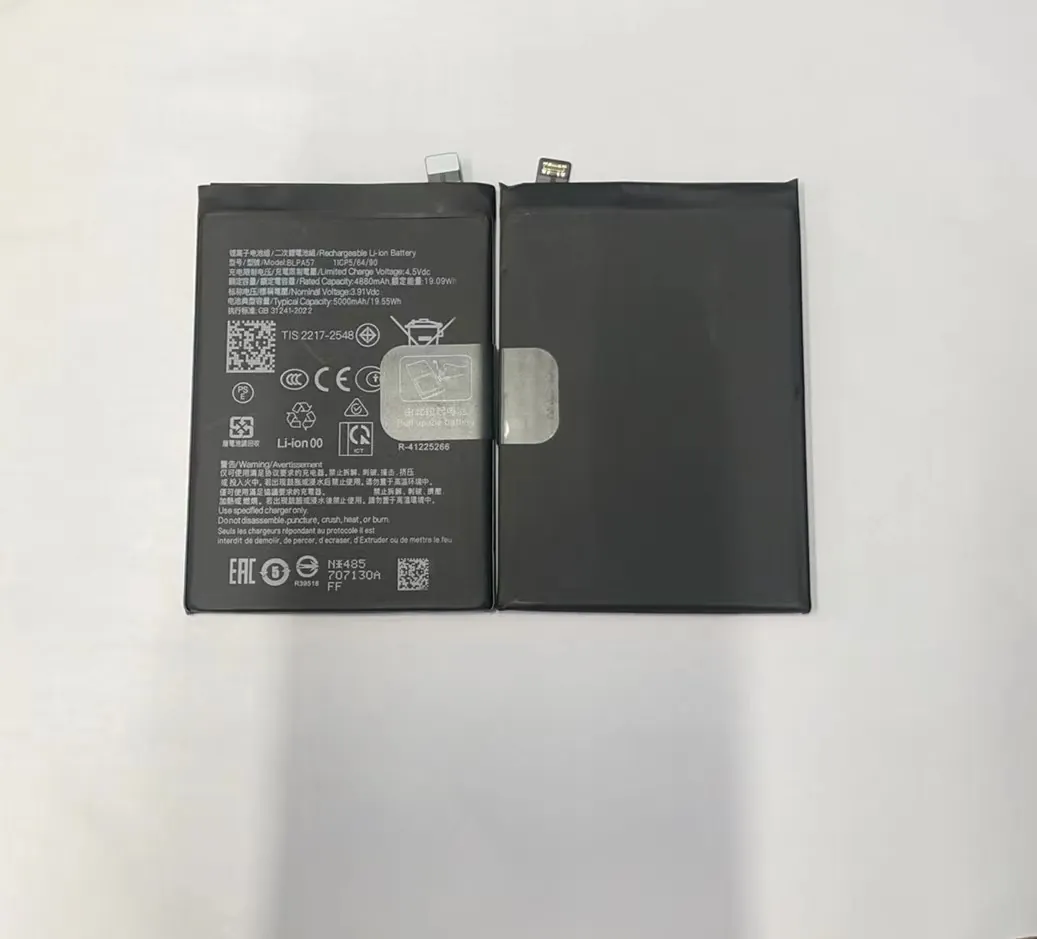
When manufacturers rate a battery, they test it under controlled conditions: a set temperature, a fixed discharge rate, and often at a defined cutoff voltage. That gives a clean number like “4000 mAh.” But real phones rarely operate under those ideal conditions.
First, temperature matters. If it is too cold or too hot, battery chemistry becomes less efficient. Cold makes chemical reactions slower, reducing output. Heat can speed aging and reduce capacity over time. If you use a phone in a hot car or under direct sun, battery output may drop noticeably.
Second, discharge rate affects efficiency. Lab tests usually draw a small, steady current. In real use, phone current draw changes rapidly — bursts when radio sends data, spikes when CPU works hard, drops when idle. Batteries lose some capacity when discharge is heavy or erratic. That means heavy use — gaming, streaming, 5G — may drain battery faster than the mAh rating suggests.
Third, battery age and cycle count matter. Lithium‑ion batteries degrade over time. After many charge/discharge cycles, internal resistance increases. That reduces actual capacity. A 4000 mAh battery might only store 3000 mAh after a year of heavy use. So “as new” mAh ≠ “after months” mAh.
Finally, voltage requirements of the phone affect usable energy. Battery stores energy at a voltage. The phone pulls from a “voltage rail” and uses a regulator to supply stable voltage. Some energy is lost in regulation and conversion. That means not all stored energy becomes usable power.
Because of all these factors, real battery life is almost always lower than the rating. Users might see only 70–80% of the ideal run time, especially under heavy use or poor conditions.
Here is a table summarizing some common losses:
| Factor | Effect on Usable Capacity |
|---|---|
| Temperature extremes | Reduces chemical efficiency |
| High or variable current draw | Loss due to battery internal resistance |
| Battery aging / cycles | Lower stored charge over time |
| Power conversion losses | Some energy lost in voltage regulation |
These limitations show why two phones with same rated mAh can perform quite differently in real life.
Which factors reduce mAh efficiency?
Many things can make a battery with a high mAh still perform poorly in real use. Knowing these helps you understand why your phone battery drains quickly.
Efficiency drops come from phone hardware, software, environment, and battery condition. All these combine to reduce how much of the rated mAh becomes usable run time.

Let me list important factors and how they affect efficiency. Then I show a table to help you compare.
Hardware demands
Modern phones use high‑resolution screens, fast processors, 5G or WiFi radios, GPS, and many sensors. All these draw power. If you open many apps, use data, stream video, or play games, power draw spikes. That uses up charge faster than idle or light use. Even a large battery can drain quickly under heavy load.
Software behavior
Background tasks matter. Some apps run in background and keep CPU or radio active. Push notifications, location updates, background sync all use energy. Poorly optimized apps are worse. If many of those run, battery drains sooner.
Aging and heat
When a battery ages, its internal resistance rises. That reduces efficiency. Heat speeds up aging and worsens losses. If you charge or run your phone in high temperature, battery capacity drops faster over time.
Power conversion losses
Battery outputs a voltage. The phone transforms that to the voltages needed for CPU, screen, radio, etc. This conversion wastes some energy. The more conversions, the more energy lost.
User settings
Screen brightness, volume, vibration, GPS, Bluetooth, and connections all affect power draw. Higher brightness or constant GPS use will drain power quickly.
Manufacturing quality and battery age
Even new batteries vary by manufacturer and production quality. If the battery uses cheaper materials or has small defects, the actual capacity may be below rated.
Here is a simple table summarizing these factors:
| Factor type | Example causes | Impact on battery life |
|---|---|---|
| Hardware load | Video playback, gaming, heavy CPU use | Faster drain |
| Software / background | Background apps, sync, push notifications | Steady drain over time |
| Battery condition | Old age, many charge cycles, heat exposure | Reduced total capacity |
| Power conversion | Voltage regulation, circuit inefficiency | Energy wasted as heat / loss |
| User settings | High brightness, GPS, Bluetooth, frequent use | High energy consumption |
When you think of battery life, you must think of more than just mAh number. A 5000 mAh battery may give little advantage if the phone uses too much power, or if battery is old, or if heat kills efficiency. On the other hand, a well‑optimized phone with moderate use and a 3000 mAh battery might give excellent battery life.
Conclusion
mAh tells you how much charge a battery can store. A higher mAh usually means longer potential runtime. But real battery life depends a lot on how a phone uses power, battery age, temperature, and efficiency. Always think beyond the number when you judge battery life.
