
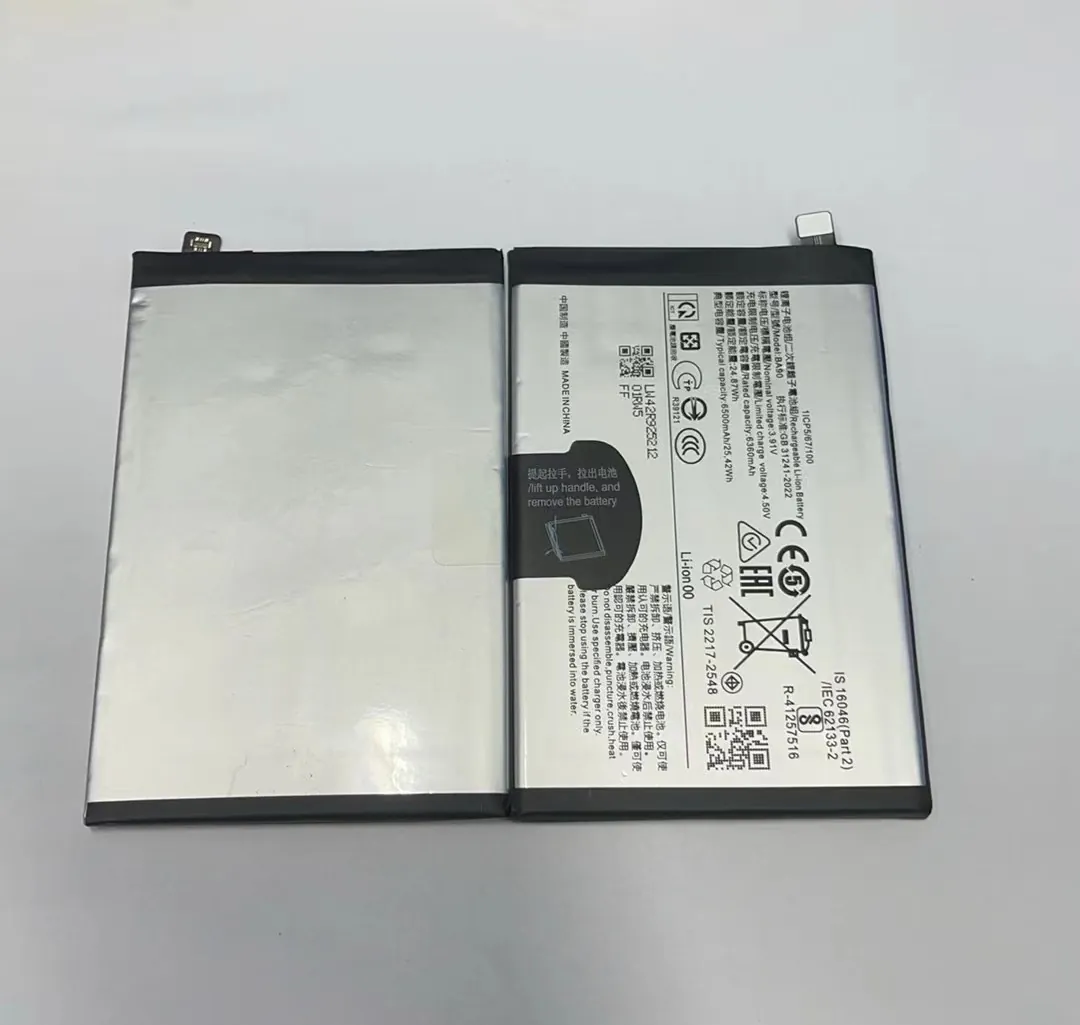
Many people buy a new phone because they think the battery is dead. They charge it many times, and then the battery lasts less and less. This feels frustrating when you want reliable use.
Mobile phone battery life refers to how long a battery holds charge over time and how many times it can be charged before capacity drops significantly. This life depends on chemistry, usage, and charging habits.
Understanding battery life helps you choose a phone and change how you use it. Many people do not know that simple habits can change battery life by years.
How many charge cycles does a phone battery last?
Many people think phone batteries last forever. That is not true. They have a limited number of charge cycles.
A charge cycle is when you use all of a battery’s capacity and then recharge it. It does not have to be in one go. For example, using 50% one day and 50% the next counts as one full cycle.
What is a typical number of cycles?
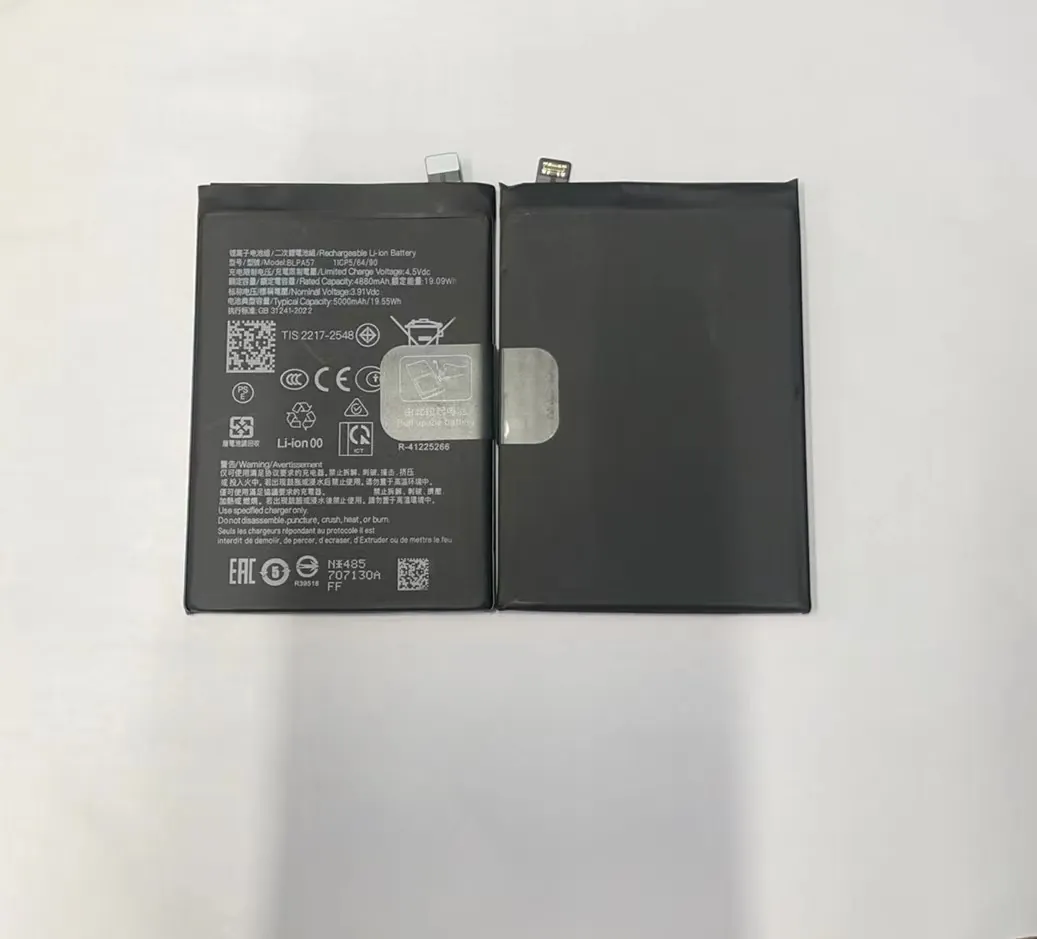
Most phone batteries today, which use lithium‑ion technology, can handle between 300 and 800 full charge cycles before capacity drops noticeably.
| Brand / Model | Estimated Charge Cycles | Notes |
|---|---|---|
| Apple iPhone | ~500 cycles | Apple says around 80% capacity after 500 cycles |
| Samsung Galaxy | ~500–600 cycles | Varies by model and usage |
| Google Pixel | ~500 cycles | Similar pattern to others |
| Android Flagships (avg) | ~400–600 | Depends on optimization |
These numbers are rough averages based on manufacturer data and real tests. Some phones last longer, especially if users charge gently.
What happens after many cycles?
After the battery reaches its cycle limit, it still works. But the total capacity goes down. For example, if a battery started at 100% capacity, after 500 cycles it might hold only 80%.
This means the phone dies sooner each day. You may notice it goes from 100% to 50% faster as months pass. The battery does not fail completely. It just holds less energy.
Why do batteries wear out?
Phone batteries wear out because of chemical changes inside. Each charge cycle causes tiny changes in the battery’s internal structure. Over time, these changes reduce its ability to hold ions. This is normal for all lithium‑ion batteries.
Environmental factors like heat can speed up wear. Using fast charging often, or keeping the phone at extremes of temperature, can also reduce cycle life.
Do manufacturers specify battery lifespan?
Users often ask if phone makers tell them how long the battery should last. Some do, but many do not give exact numbers.
Manufacturers usually describe battery health guidelines, expected cycles, and warranty terms, but they rarely promise exact years of life. The exact lifespan depends on many factors.
What manufacturers say
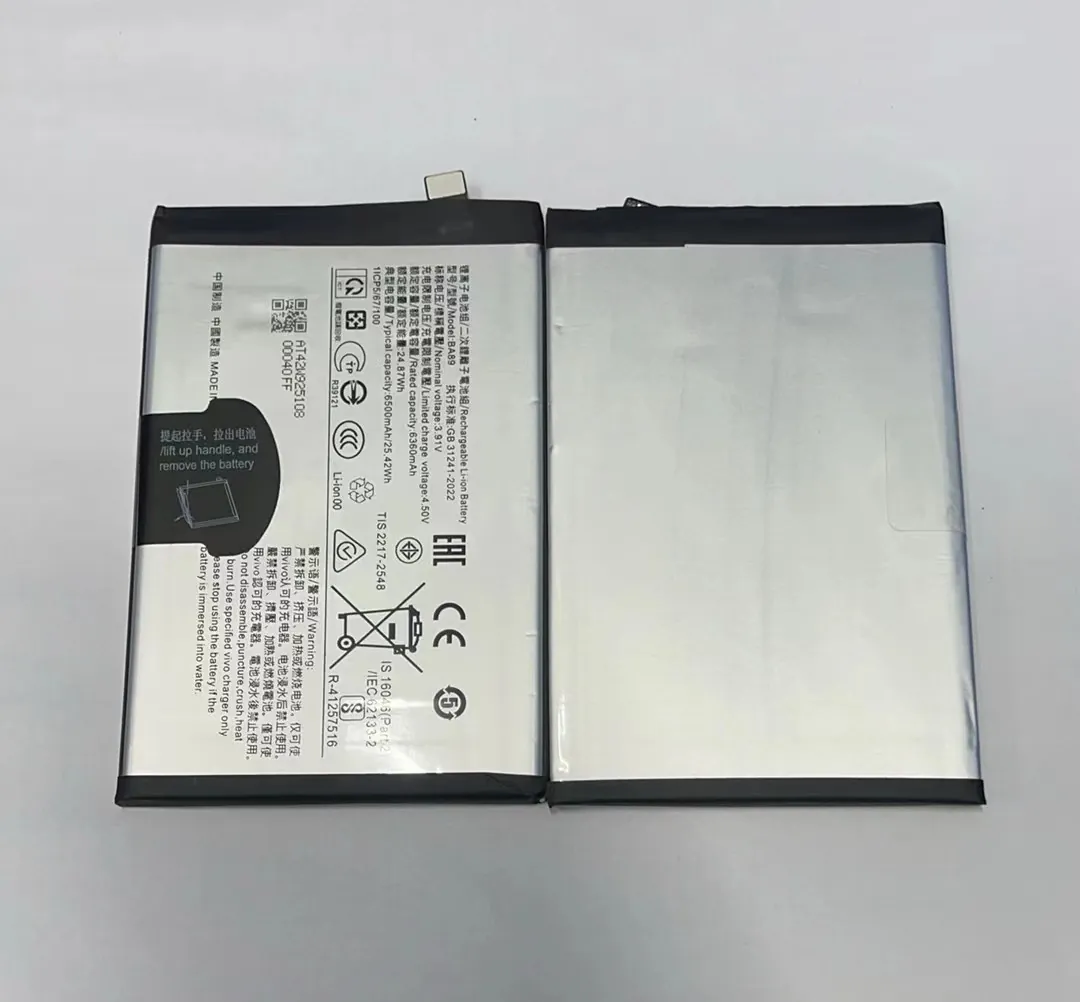
Most major brands mention battery capacity and health in their specs or support pages. Some give more detail than others. Here are typical examples:
| Manufacturer | Battery Info Mentioned | Warranty Terms |
|---|---|---|
| Apple | Notes ~80% capacity after 500 cycles | Battery service recommended after capacity drop |
| Samsung | Mentions battery performance features | Varies by region, sometimes 1 year |
| Guides on battery health | Support articles on cycles | |
| Xiaomi / OnePlus | Some cycle info in tech specs | Limited battery warranty |
These details are often in product pages or support sections online. Apple’s ecosystem gives a battery health feature in settings. Android phones sometimes include a health indicator, but many do not.
Why they avoid exact lifespan promises
Manufacturers avoid promising a fixed lifespan because battery life varies widely between users. Two people with the same phone may see different results after one year. One might charge gently and see small capacity loss. Another might fast charge often and see faster wear.
Instead of exact years, many brands give guidelines. They say things like “designed to retain up to 80% capacity after 500 cycles” or “battery performance may vary based on use.” These phrases help set expectations without legal risk.
Warranty and battery replacement
Most phones come with a limited warranty that covers defects. Battery wear due to normal use is often not covered after a certain time. Some brands offer battery replacement services at cost after warranty. Knowing this policy helps users plan long‑term phone care.
What usage patterns reduce battery life?
How you use a phone can change how fast the battery ages. Some patterns reduce life quickly. Others help preserve it.
Heavy screen time, fast charging, high temperatures, and keeping the battery at extreme charges all reduce lifespan. Simple habits make a big difference.
Heavy daily use
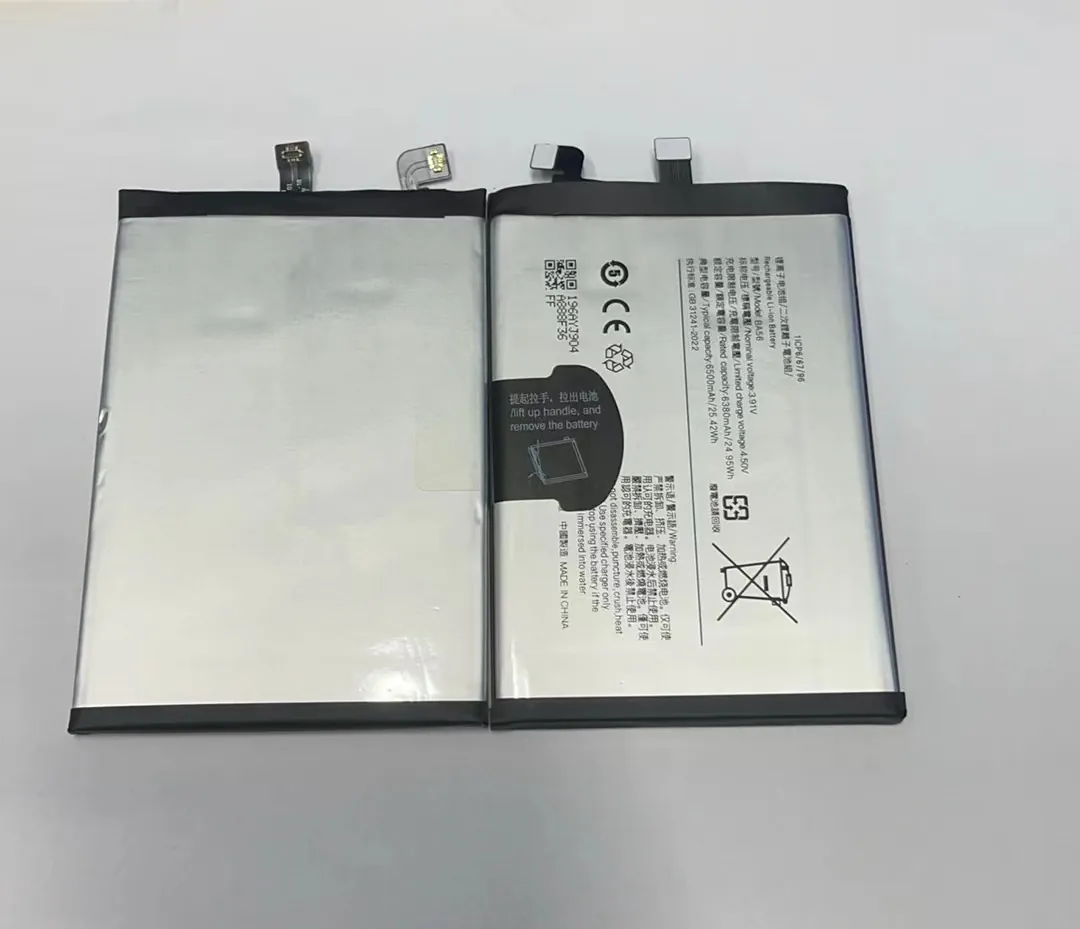
Using apps that demand high performance drains the battery quickly. Games, maps with GPS, and video streaming all use more power. Frequent deep discharges (going from 100% to near 0%) wear the battery faster.
Phones are designed to handle some heavy use. But if you do high‑power tasks all day every day, the battery will age faster.
Fast charging
Fast charging delivers power quickly. This is convenient. But it also raises temperature and stress on the battery. Heat is one of the worst enemies of battery life. Frequent fast charging can reduce cycle life over time.
Slower charging is gentler. Charging overnight with a standard charger may help extend battery life.
Extreme temperatures
Heat and cold both stress batteries. Using a phone in very hot weather or leaving it in a hot car can damage the battery. Cold weather may reduce battery performance temporarily, but repeated extreme cold and heat cycles can accelerate wear.
What temperature is best?
| Condition | Effect |
|---|---|
| 0°C to 35°C (32°F to 95°F) | Best range for battery health |
| Above 35°C (95°F) | Speeds up chemical wear |
| Below 0°C (32°F) | Can reduce performance temporarily |
Keeping battery at very high or low charges
Keeping the phone at 100% all the time or letting it drop to 0% often stresses the battery. Batteries are happiest between 20% and 80% charge. Charging in this middle range can reduce wear.
This is why some phones offer optimized charging routines that pause at certain levels. This helps protect the battery.
Background activity and notifications
Apps that constantly run in the background and send many notifications also drain battery daily. While this does not change the chemistry directly, it causes more frequent charging cycles, which adds up over time.
Turning off unnecessary background activity can save battery and slow down aging.
Can optimized charging extend battery years?
Optimized charging features are now common on many phones. These tools aim to slow down battery wear. The question is: do they work?
Yes, optimized charging can extend battery life, especially over years of use. It works by reducing stress on the battery during charging.
What optimized charging does
Optimized charging limits how the battery charges overnight or during long charges. For example, some phones learn your daily routine and only charge to 80% until right before you wake up. Then they finish the last 20%.
This reduces the time the battery spends at 100%, which is a stressful state. Staying at full charge for hours increases wear.
Examples of optimized charging features
| Brand | Feature Name | What It Does |
|---|---|---|
| Apple | Optimized Battery Charging | Learns routine and slows final charge |
| Samsung | Adaptive Charging | Reduces charge speed when needed |
| Adaptive Battery | Limits background drain and optimizes charging | |
| Other Android | Battery Saver / AI charge limits | Varies by brand |
These features are different from basic battery saver modes. Optimized charging focuses on long‑term health, not short‑term power saving.
How effective is optimized charging?
Studies and long‑term user reports show optimized charging helps reduce capacity loss over time. Users who use the feature often see their batteries hold more capacity after many months compared to phones without optimization.
For example, a phone that normally keeps battery health at 75% after one year might stay closer to 80% with optimized charging. This means it will still hold more charge in daily use and feel fresher longer.
Best practices beyond optimized charging
Optimized charging is helpful, but there are other habits that extend battery life:
Keep phone cool
Avoid heat whenever possible. Do not leave phones in hot cars or direct sun. Heat causes batteries to age faster.
Avoid full discharges
Charging when the battery drops to 20% instead of 5% reduces stress. Shallow discharges are easier on the battery.
Use quality chargers
Cheap or uncertified chargers can deliver unstable power. Use the charger that came with the phone or a trusted brand.
Manage background apps
Turn off apps that constantly wake the phone. Reducing background activity means fewer daily charge cycles.
Limit screen brightness
Lowering brightness or using adaptive brightness reduces daily drain. This means less frequent charging.
A balanced approach
Optimized charging does not replace good habits. It works best when combined with careful usage. Together, these habits can add months or even years to a battery’s useful life.
Conclusion
Mobile phone batteries do not last forever, but they can stay healthy for years with the right care. Knowing about charge cycles, manufacturer guidelines, usage effects, and optimized charging helps you protect your battery. With good habits and smart features, a phone battery can remain useful much longer.
