
Your phone powers off at the worst time. You blame the battery — but have you ever wondered what kind of battery it actually is?
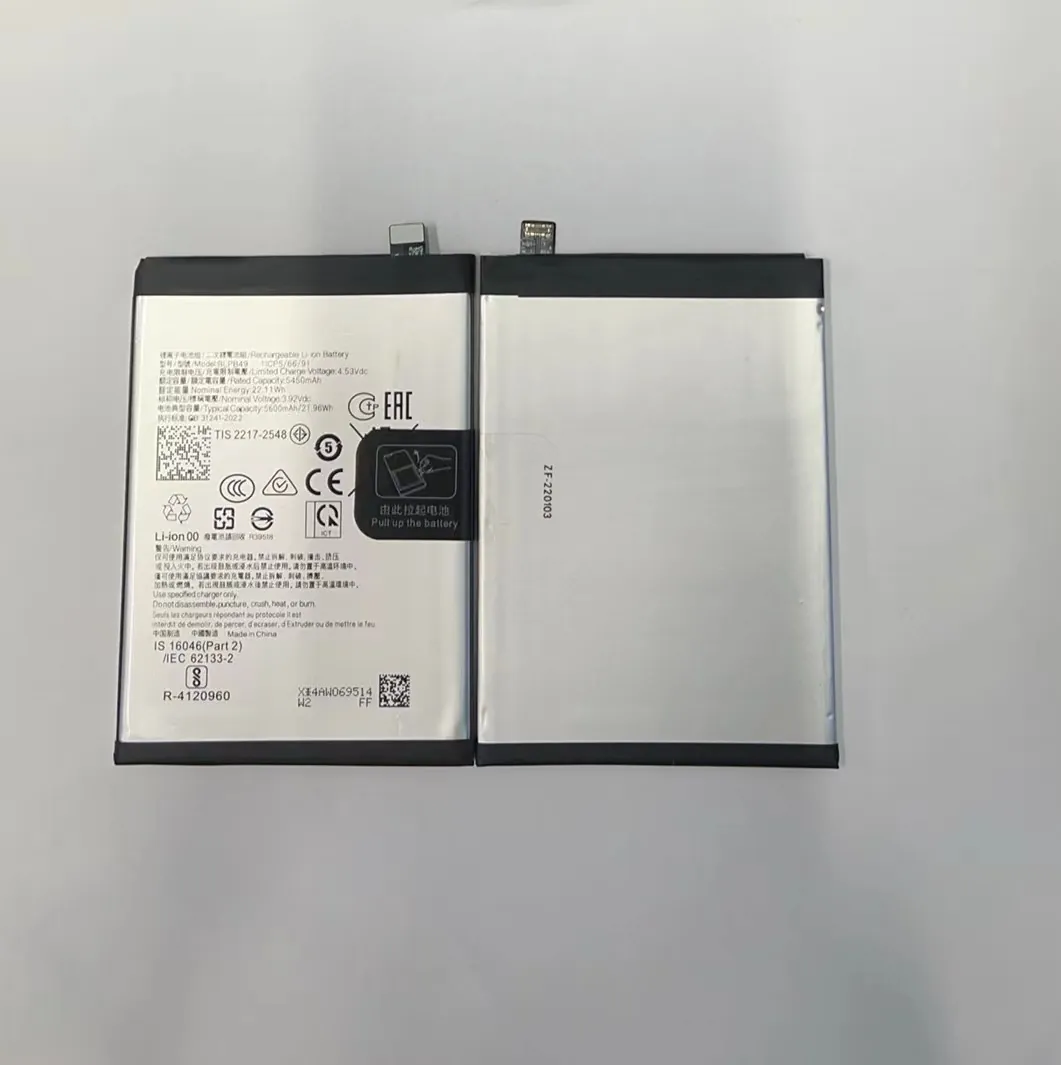
Most mobile phones today use lithium-ion or lithium-polymer batteries because they’re lightweight, rechargeable, and energy-dense.
Let’s dive into why these batteries dominate smartphones, how different types compare, and what future tech might bring.
Why Are Lithium-Ion Batteries Commonly Used?
Phone makers have options. But year after year, they keep choosing lithium-ion. Why?
Lithium-ion batteries are favored for phones because they are lightweight, charge fast, last long, and deliver high energy in small sizes.

The Benefits of Lithium-Ion Batteries
Let’s look at why these batteries became the go-to choice:
Key Strengths of Li-Ion Batteries
| Feature | Why It Matters |
|---|---|
| High Energy Density | More power in smaller size |
| Lightweight | Perfect for thin smartphones |
| Fast Charging | Quick top-ups with modern chargers |
| Long Cycle Life | Works well for hundreds of charge cycles |
| Low Maintenance | No need to fully discharge regularly |
These batteries are ideal for devices that need lots of energy in a small body — exactly what smartphones demand.
Real-World Impact
In my experience, lithium-ion batteries strike the best balance. For instance, I’ve used phones with Li-ion packs that lasted 2 years with daily charging and still kept 80% of their capacity.
That’s why both Android and iPhone models rely on this technology. It's stable, efficient, and mature.
How Does Lithium-Polymer Compare to Lithium-Ion?
Some phones use lithium-polymer instead. Are they better? What’s the difference?
Lithium-polymer batteries are more flexible in shape and safer, but lithium-ion still offers better energy efficiency and cost-effectiveness.

Comparing the Two Types Side-by-Side
Here's a simple comparison:
| Feature | Lithium-Ion | Lithium-Polymer |
|---|---|---|
| Energy Density | Higher | Slightly lower |
| Cost | Cheaper | More expensive |
| Safety | Good | Better (more stable) |
| Size Flexibility | Limited | High (can be molded) |
| Weight | Light | Lighter |
| Durability | Standard | More impact-resistant |
Which Is Better?
It depends. If a brand wants maximum safety and space efficiency — like in ultra-thin phones — they might go with lithium-polymer. But most mass-market phones still use lithium-ion because it's cheaper and provides better energy output.
In my view, polymer batteries are great for niche designs or where heat and shape matter more. But for everyday phones, Li-ion wins for now.
What Are the Safety Features of Phone Batteries?
We all remember scary battery explosions. That’s why safety in phone batteries is a big deal.
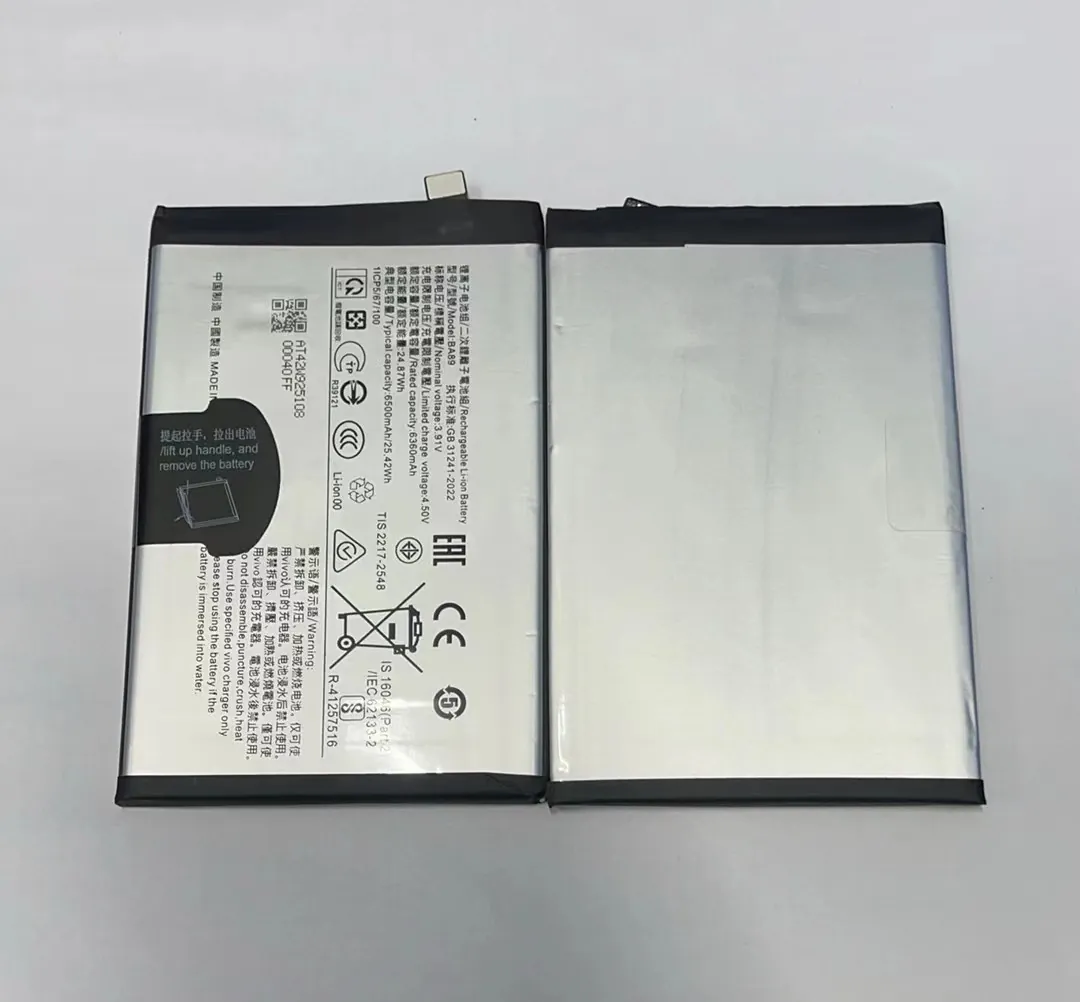
Modern phone batteries use multiple safety layers, including thermal sensors, protection circuits, and software to prevent overcharging and overheating.
What Keeps Your Battery Safe
Manufacturers add several safety systems to every phone battery:
Internal Safety Design
- Separator layers: Prevent direct contact between anode and cathode
- Pressure relief valves: Release gas buildup safely
- Heat-resistant casing: Protects against external damage
Electronic Controls
- Battery Management System (BMS): Monitors temperature, voltage, and charge level
- Overcharge protection: Cuts off current if overcharged
- Short-circuit protection: Prevents sudden discharges
Software Features
- Most smartphones limit maximum charge to preserve battery health
- Many warn users when temperatures get too high during charging
From what I’ve seen, brands like Apple, Samsung, and Xiaomi invest a lot into battery safety — especially after past incidents with overheating or faulty batteries.
Testing and Certifications
Reputable batteries go through certifications like:
| Certification | What It Ensures |
|---|---|
| CE, FCC | Safety standards compliance |
| UN38.3 | Safe for air transport |
| RoHS | No hazardous substances used |
Without these, a battery shouldn't even be sold, let alone installed in a phone.
Are Solid-State Batteries Used in Mobile Phones?
Solid-state batteries sound futuristic. Are they here yet?
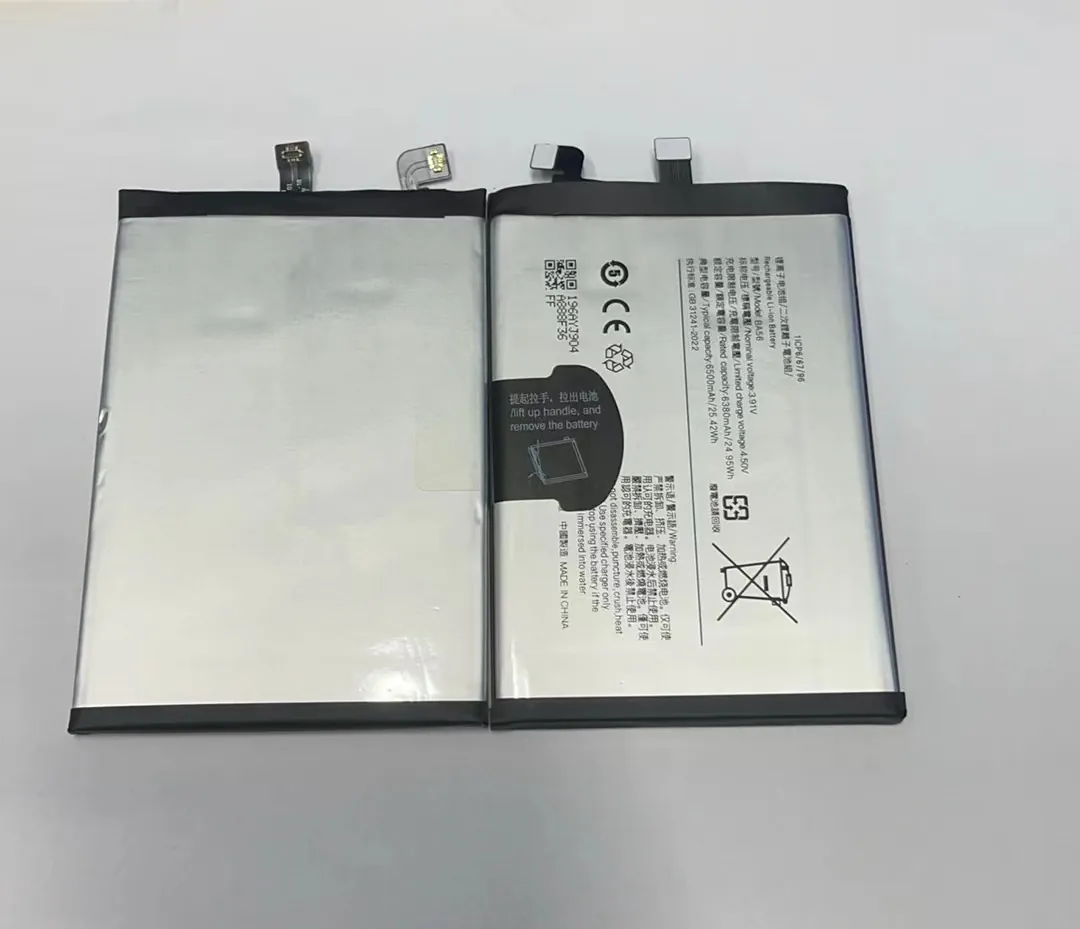
Solid-state batteries are not yet used in mainstream phones due to cost and production challenges, but they offer a promising future with better safety and capacity.
What Makes Solid-State Special?
Unlike lithium-ion or polymer batteries, which use liquid electrolytes, solid-state batteries use solid ones. This means:
- Lower fire risk
- Higher energy density
- Faster charging
- Longer lifespan
So Why Aren’t They in Phones Yet?
Current Barriers
| Problem | Explanation |
|---|---|
| High Cost | Still expensive to produce |
| Mass Production | Not yet scaled for phones |
| Durability | Need to prove long-term use stability |
Where They're Being Tested
- EVs (electric vehicles): Companies like Toyota are testing them in cars first.
- Wearables: Small devices may see solid-state earlier due to size fit.
In my opinion, it will still take 2–4 more years before solid-state becomes standard in phones. But when it does, it could be a game-changer.
Conclusion
Most phones today rely on lithium-ion batteries for their high energy and low weight. While lithium-polymer adds safety and flexibility, solid-state tech is still developing. As battery science evolves, we can expect better safety, longer life, and maybe — finally — faster charging.
