
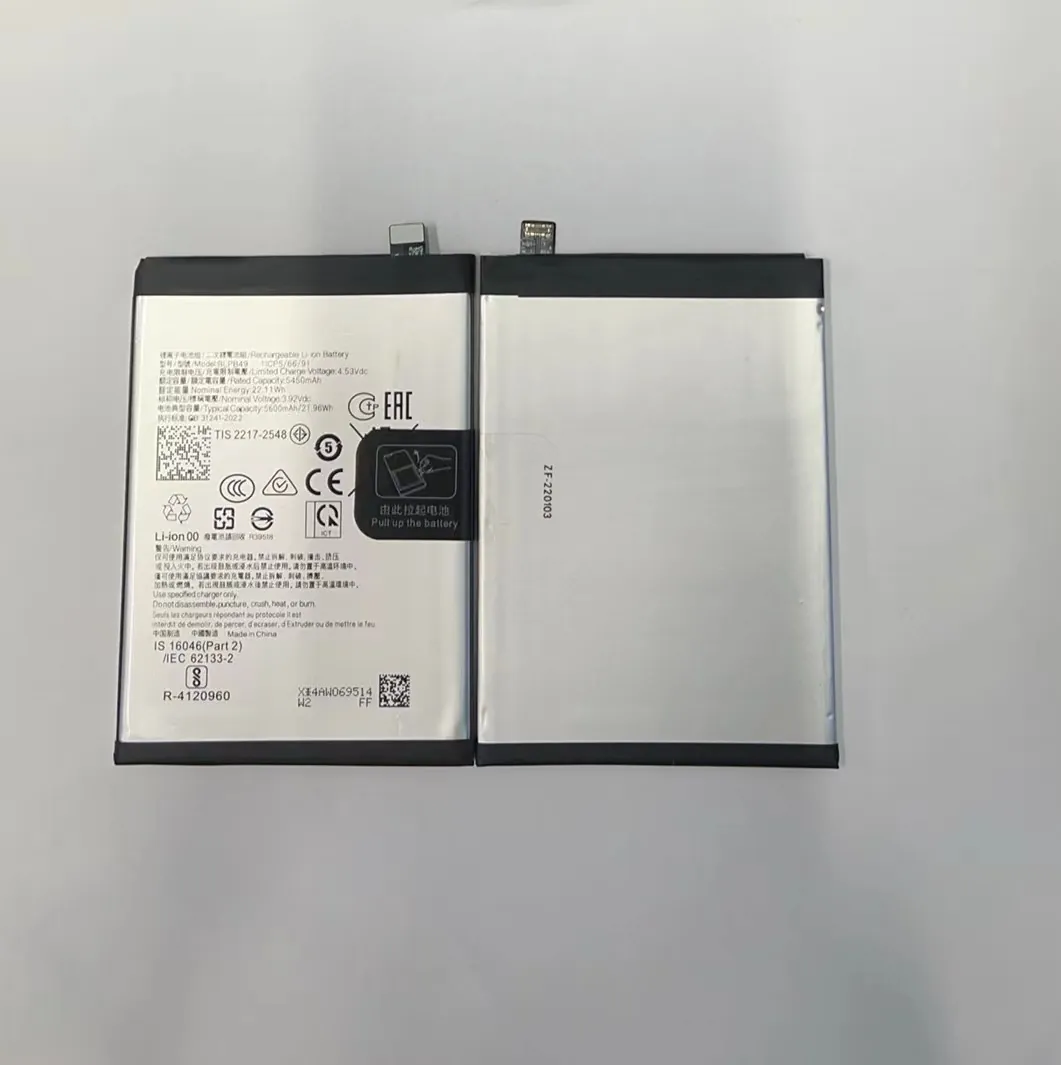
People expect their phones to charge fast and last long. But most users never think about what metals make this possible inside the battery.
Smartphone batteries depend on several key metals that work together to store energy, release power, and keep the device safe during daily use.
To understand battery quality, lifespan, and recycling value, it is important to know which metals are used and why they matter.
Which metals are common in smartphone batteries?
Smartphone batteries look simple from the outside. Inside, they are complex systems built from carefully selected metals.
The most common metals in smartphone batteries are lithium, cobalt, nickel, manganese, aluminum, and copper. Each metal plays a specific role in performance and safety.
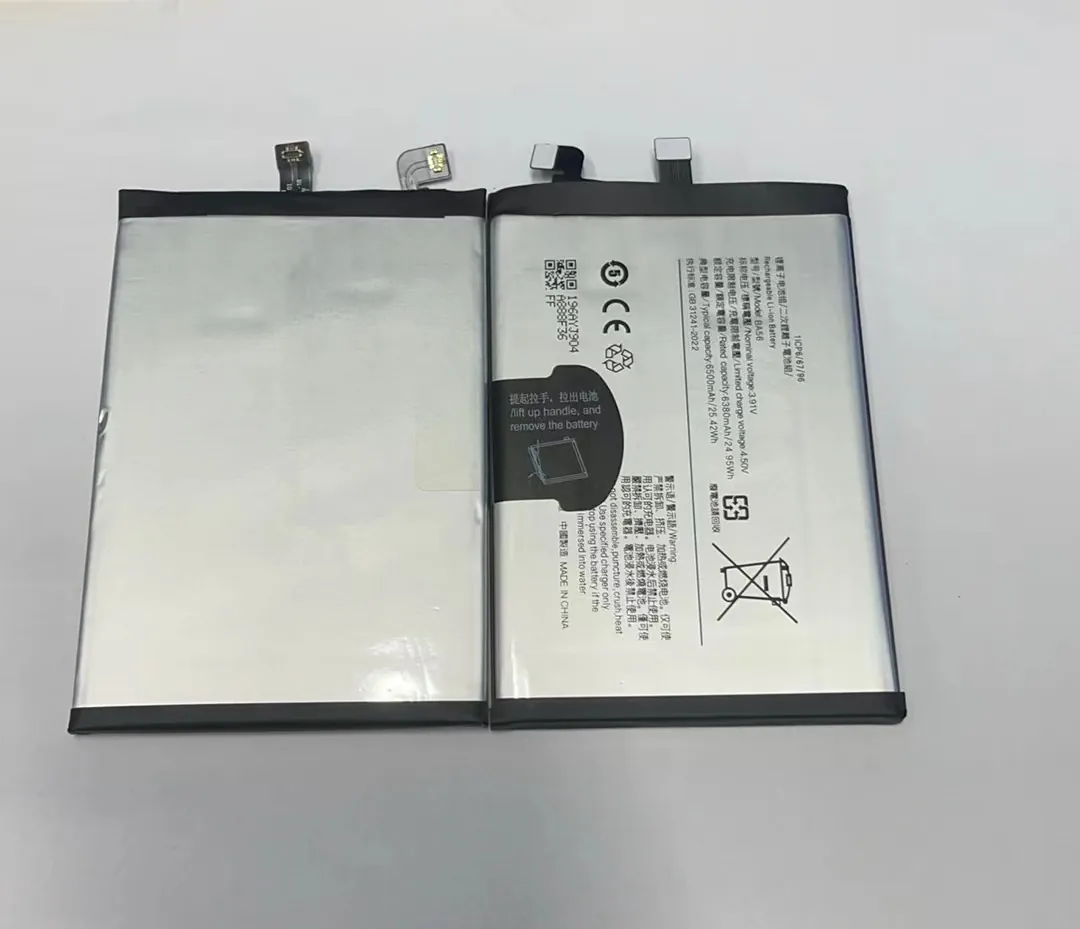
Most modern phones use lithium-ion batteries. These batteries work by moving lithium ions between two electrodes. Other metals support this process by stabilizing the structure and carrying electric current.
Core metals used in phone batteries
| Metal | Main Function | Why It Is Important |
|---|---|---|
| Lithium | Energy carrier | High energy in small size |
| Cobalt | Cathode stabilizer | Improves safety and lifespan |
| Nickel | Energy booster | Increases battery capacity |
| Manganese | Structural support | Lowers cost, adds safety |
| Aluminum | Positive conductor | Lightweight and efficient |
| Copper | Negative conductor | Strong and reliable |
How each metal works inside the battery
Lithium
Lithium is the main working metal. It moves back and forth during charging and discharging. Because it is light, it allows phones to stay slim while offering long battery life.
Cobalt
Cobalt keeps the battery stable under stress. It helps prevent overheating and slows down battery aging. However, cobalt is expensive and limited, so manufacturers try to reduce its use.
Nickel
Nickel increases how much energy the battery can store. High-nickel batteries allow longer usage time. But high nickel levels can raise heat risks, so balance is required.
Manganese
Manganese improves safety and lowers costs. It supports the battery structure and reduces dependence on cobalt.
Aluminum and Copper
These metals do not store energy. They move electricity efficiently between the battery and the phone. Aluminum is used on the positive side, while copper is used on the negative side.
Why metal choice matters
Changing the metal mix changes battery behavior. Capacity, charging speed, heat control, and lifespan all depend on these materials. This is why battery quality can vary even when phone sizes look similar.
How do rare earth metals affect battery performance?
Rare earth metals are often mentioned in electronics discussions. Many people assume they are part of phone batteries.
Rare earth metals do not play a major role in storing energy, but they support phone functions that work closely with the battery.
Rare earth elements are used more around the battery system than inside the battery cells.
What rare earth metals are
Rare earth metals include neodymium, lanthanum, and praseodymium. They are not truly rare, but they are hard to refine and process.
Where they appear in smartphones
| Rare Earth Metal | Typical Use | Effect on User Experience |
|---|---|---|
| Neodymium | Speakers and vibration motors | Strong sound and feedback |
| Lanthanum | Camera glass and optics | Clearer images |
| Cerium | Polishing and coatings | Better durability |
Indirect impact on battery experience
Rare earth metals improve components that draw power from the battery. Stronger magnets improve vibration motors. Better speakers improve audio quality. These features affect how the battery power is used, but not how it is stored.
Why they are not core battery metals
Lithium-ion batteries rely on lithium movement and chemical reactions. Rare earth metals do not support this process directly. For this reason, their role in battery chemistry remains limited.
Practical takeaway
Rare earth metals improve the phone’s performance around the battery, not the battery itself. They matter for overall device quality, but not for charge capacity or cycle life.
Are toxic metals used in mobile phone batteries?
Safety is a major concern for users and regulators. Many people worry about toxic materials inside batteries.
Modern phone batteries avoid highly toxic metals like lead and mercury, but some metals can still be harmful if mishandled or poorly recycled.
Toxicity comparison of battery metals
| Metal | Toxic Risk Level | Used in Phone Batteries |
|---|---|---|
| Cobalt | Medium | Yes |
| Nickel | Medium | Yes |
| Manganese | Low to medium | Yes |
| Lithium | Low | Yes |
| Lead | High | No |
| Mercury | High | No |
How risks are controlled
Inside a phone battery, metals are locked into stable compounds. Multiple protective layers prevent leaks, overheating, and short circuits. During normal use, these metals pose no danger to users.
Where real risks exist
Problems occur mainly during:
- Mining and refining
- Manufacturing processes
- Improper disposal or landfill dumping
If batteries are crushed or burned, metals can escape into soil and water.
Regulations and standards
Most markets require batteries to meet strict safety and environmental rules. These rules limit toxic content and require testing before products reach consumers.
Key point
Phone batteries are safe in daily use. The real danger comes from poor recycling and uncontrolled waste handling.
Can battery metals be recycled effectively?
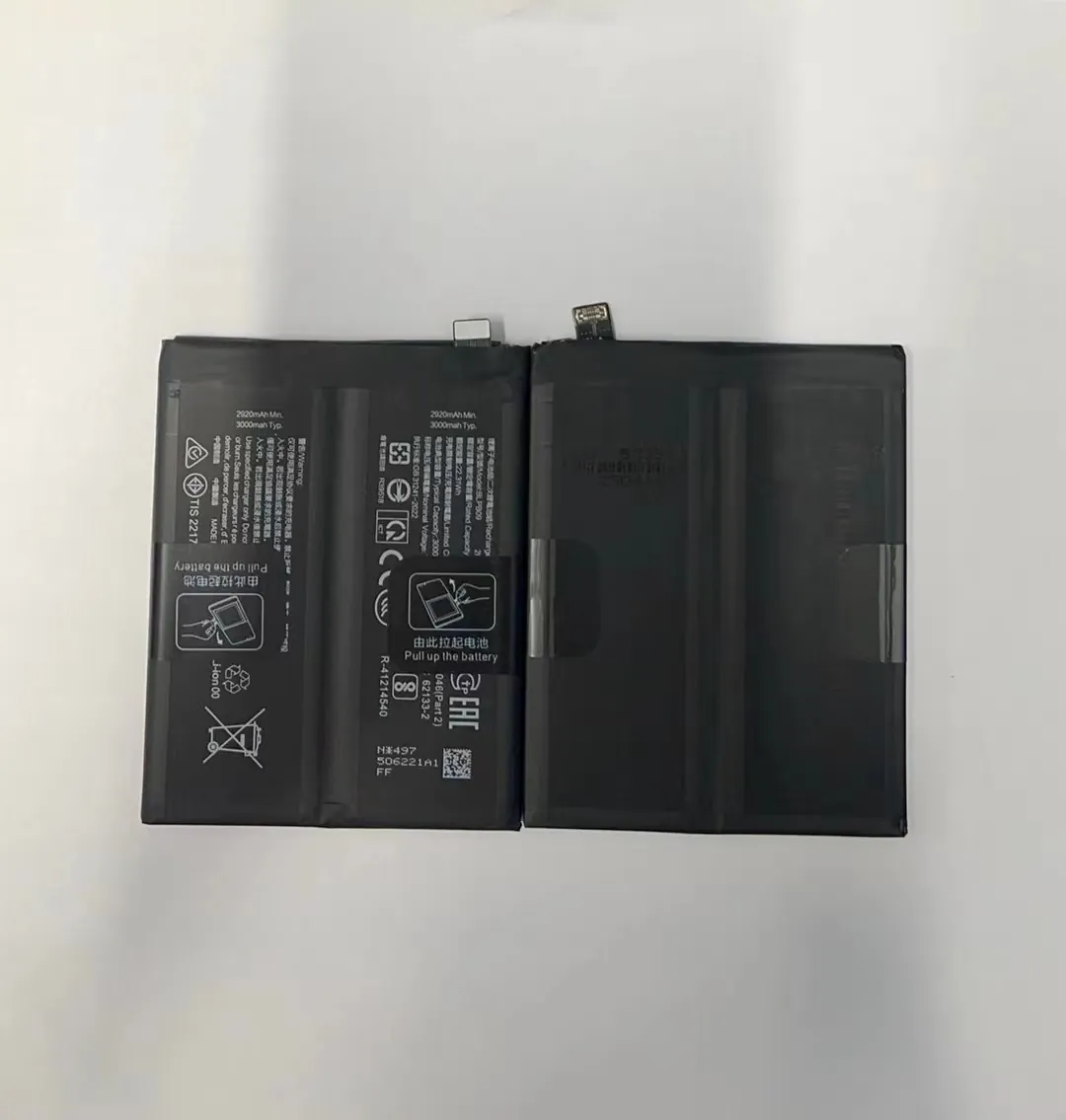
Every used phone battery still contains valuable materials. Recycling helps recover these metals and reduce environmental damage.
Most metals in phone batteries can be recycled, especially cobalt, nickel, copper, and aluminum, while lithium recovery is improving.
Recyclable materials in phone batteries
| Metal | Recycling Success | Economic Value |
|---|---|---|
| Cobalt | High | Very high |
| Nickel | High | High |
| Copper | Very high | High |
| Aluminum | Very high | Medium |
| Lithium | Medium | Growing |
How battery recycling works
- Old phones are collected.
- Batteries are removed safely.
- Cells are crushed or processed.
- Metals are separated and refined.
- Materials are reused in new products.
Barriers to better recycling
Small battery size, complex designs, and high processing costs slow recycling. In some regions, collection systems are weak or missing.
Progress in recycling technology
New chemical and mechanical methods are making lithium recovery more efficient. As electric vehicle battery recycling grows, phone battery recycling also improves.
Long-term outlook
Better recycling reduces mining pressure, stabilizes supply chains, and lowers costs. It also helps manufacturers meet environmental rules.
Conclusion
Mobile phone batteries rely on metals like lithium, cobalt, nickel, and copper to balance performance, safety, and size. While some metals pose environmental risks, proper design and recycling reduce harm. Understanding these materials helps buyers, repair shops, and recyclers make smarter decisions.
