

Many people feel stuck with sealed phones. No memory expansion. No removable battery. It feels like buying a device you can’t control or upgrade.
Some phones still offer both swappable batteries and expandable storage — but you need to know where to look.
If you want flexibility, upgrade potential, and real ownership of your phone, this guide helps you find the right models and brands. Let’s explore what makes expandable memory and removable batteries useful, who still offers them, why they’re rare, and where you can buy them.
How do expandable-memory phones improve storage?
Many phones run out of space fast. Apps, photos, and videos take up internal memory. A memory card slot solves that.
Expandable-memory phones let users add storage cheaply without changing the phone or deleting files.
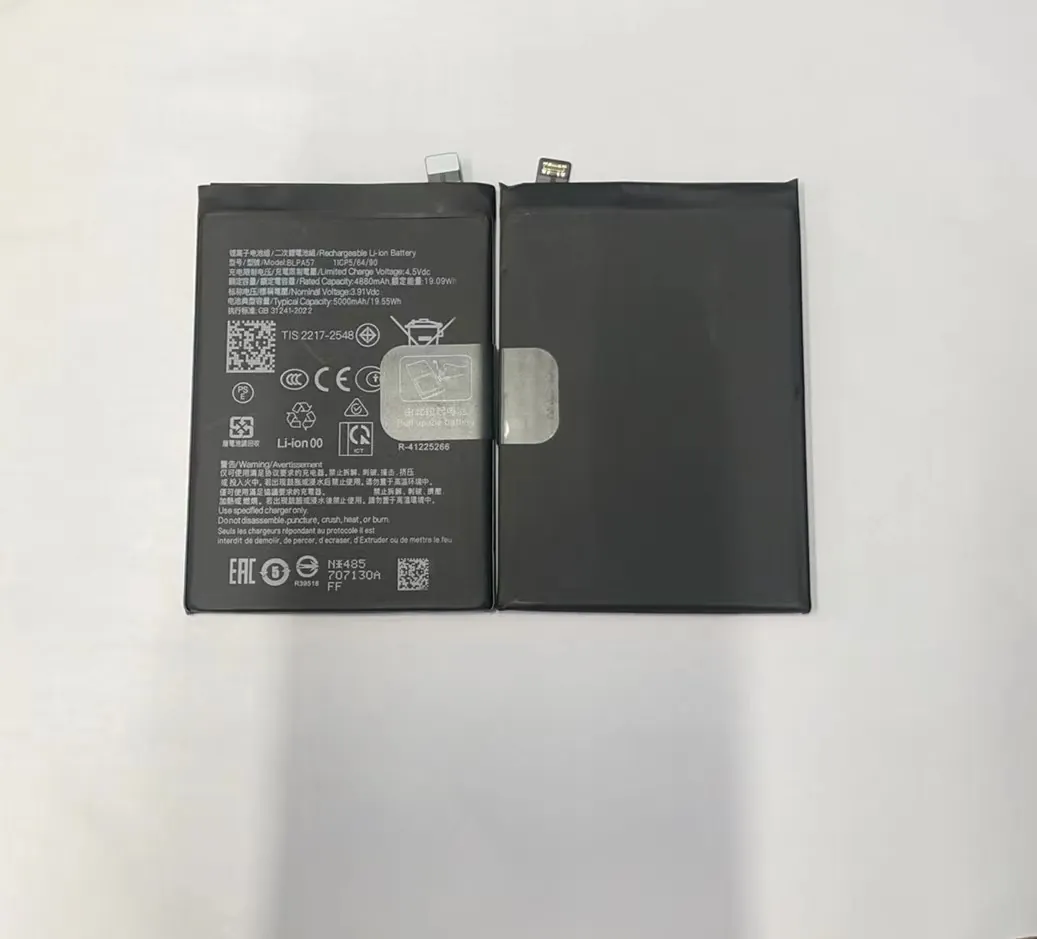
Adding a microSD card gives you control. You choose how much storage to add: 32GB, 64GB, 128GB, or even 1TB. That space can hold your photos, videos, music, and backups.
How it helps
Expandable memory separates system storage from personal data. That reduces phone lag when internal storage is full. Apps load faster. The system runs smoother.
Backup and portability
A memory card lets you move data. Pull out the card. Use it in another phone, tablet, or laptop. It becomes a mini hard drive. That makes sharing or backup easy.
| Benefit | Explanation |
|---|---|
| More space | Avoid low storage warnings |
| Portable files | Swap card between devices |
| Better performance | Internal memory stays free |
| Data safety | Remove card before reset or repair |
If your phone supports it, you can also format the SD card as internal storage. That trick merges the card with built-in memory. Some Android phones offer that.
Which brands still offer swappable batteries?
Most brands have dropped removable batteries. But a few still support them — often with expandable memory included.
Some brands, like Fairphone and Samsung (older models), still offer phones with removable batteries and memory card slots.
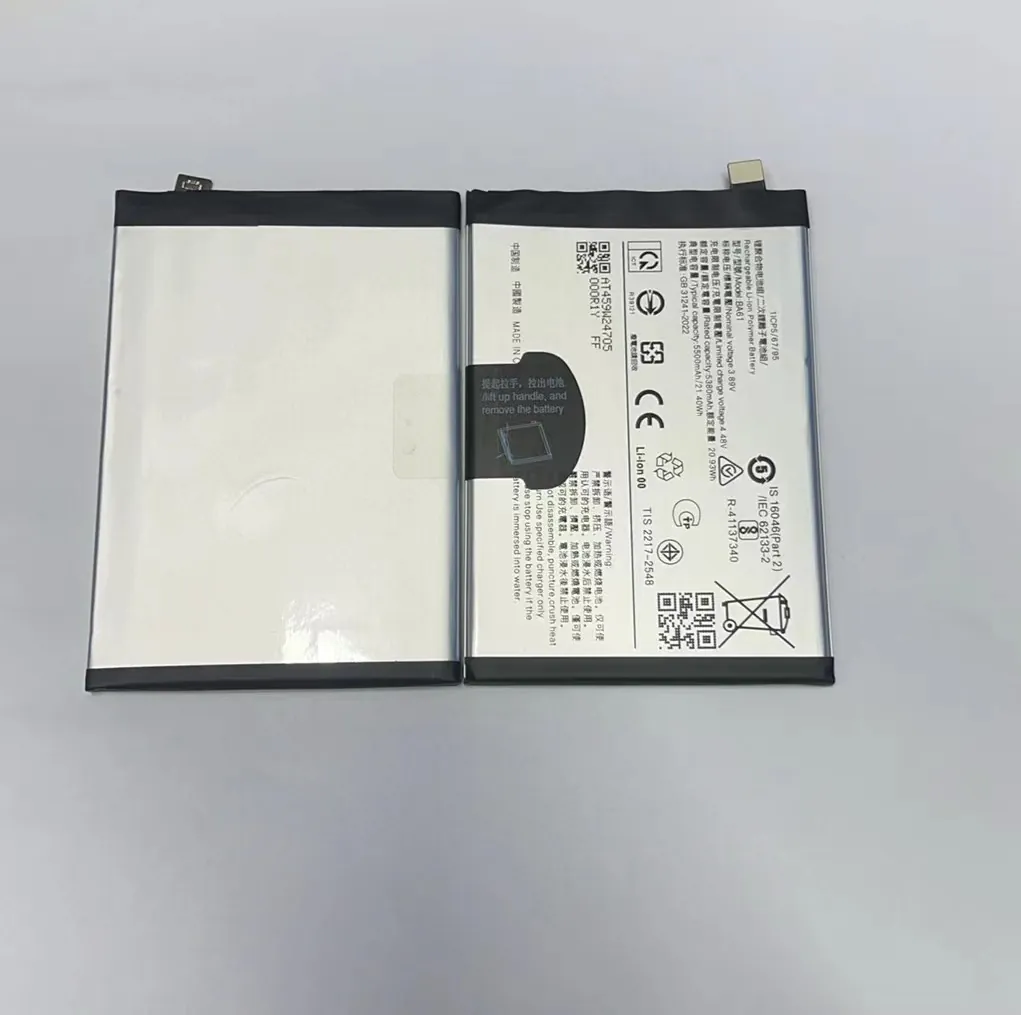
List of brands and models
Here are known models that include both features:
| Brand | Model | Expandable Memory | Removable Battery |
|---|---|---|---|
| Fairphone | Fairphone 3 / 4 / 5 | ✅ | ✅ |
| Samsung | Galaxy Xcover Pro / 5 | ✅ | ✅ |
| LG | G5, K10 (older) | ✅ | ✅ |
| Motorola | Moto E4 / G5 (older) | ✅ | ✅ |
| BLU | R1 HD (older) | ✅ | ✅ |
Fairphone is unique — it focuses on sustainability. All parts are replaceable, including battery, camera, and ports. Samsung’s rugged Xcover series keeps swappable batteries for field workers.
Motorola and LG offered budget models with both features. Most are older now but still usable.
Some Chinese brands also release basic phones with removable batteries and SD slots. These phones target low-cost or senior markets.
Why do some phones remove battery access?
Many people wonder why phones no longer allow battery swaps. The answer lies in design trends and manufacturer goals.
Phones remove battery access to allow thinner designs, waterproof sealing, and reduce manufacturing complexity.

Sealed phones are not always better — they’re just different. Here’s why companies moved in this direction.
Key reasons
-
Thinner design
A sealed battery allows phones to be thinner and lighter. No need for a plastic back cover or clips. -
Water/dust protection
A non-removable back improves water resistance. IP ratings became a marketing point. -
Cost control
Manufacturing becomes easier with fewer parts. Assembly lines move faster. -
Encouraging upgrades
When a battery wears out, users may replace the whole phone. That helps sales. -
Bigger internal batteries
Sealed phones can fit larger or uniquely shaped batteries, which helps battery life.
The downside
Sealed batteries reduce device life. You can’t carry a spare or swap during travel. If the battery swells or dies, you need professional repair — or a new phone.
Some users feel this design takes control away. It locks them into buying new phones instead of maintaining what they own.
For people who travel, live off-grid, or want more control, swappable batteries still make sense.
Where can you buy phones with replaceable batteries?
Phones with both removable batteries and memory slots are not on every store shelf. But they exist — you just have to look in the right places.
You can find such phones from refurbished marketplaces, niche repairable phone brands, or direct from older model sellers.
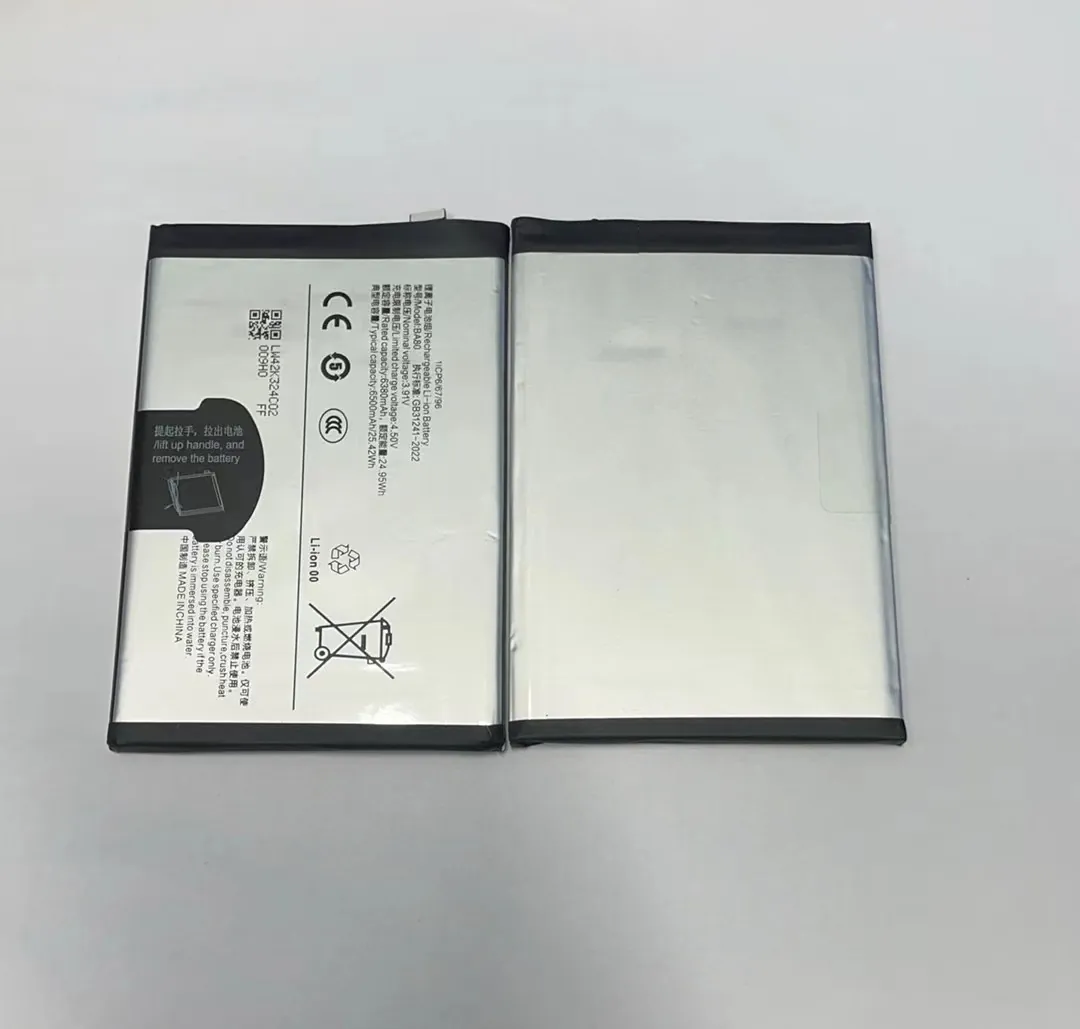
Best places to check
| Source | Where to Look | What to Watch |
|---|---|---|
| Refurbished sellers | Swappa, Back Market, eBay | Battery condition, return policy |
| Sustainable brands | Fairphone (official site) | Full modular repair options |
| Rugged phone retailers | Samsung Xcover (Amazon, B2B sites) | Confirm specs (SD slot + removable battery) |
| Local shops | Second-hand stores or repair shops | Check phone physically before buying |
| Online forums / groups | Reddit, XDA, Facebook Marketplace | Ask for verified specs before payment |
Extra tips
- Always check spec sheets. Not all phones with a plastic back have a true swappable battery.
- Watch out for semi-sealed batteries. Some need a screwdriver — they’re not truly removable by hand.
- Ask for battery cycle count if buying used. Batteries lose power over time.
- If the phone is new, ask the seller if the battery is removable without tools.
Some wholesale sites in China also offer such models for B2B buyers. They may not be well-known brands, but they offer what the market wants: flexibility.
If your team needs phones for field work, delivery, or remote areas — these phones can save cost long term. No need to send phones for service when the battery fails.
Conclusion
Phones with expandable memory and swappable batteries give users power and choice. While rare in 2025, they still exist through specific brands like Fairphone or Samsu
