
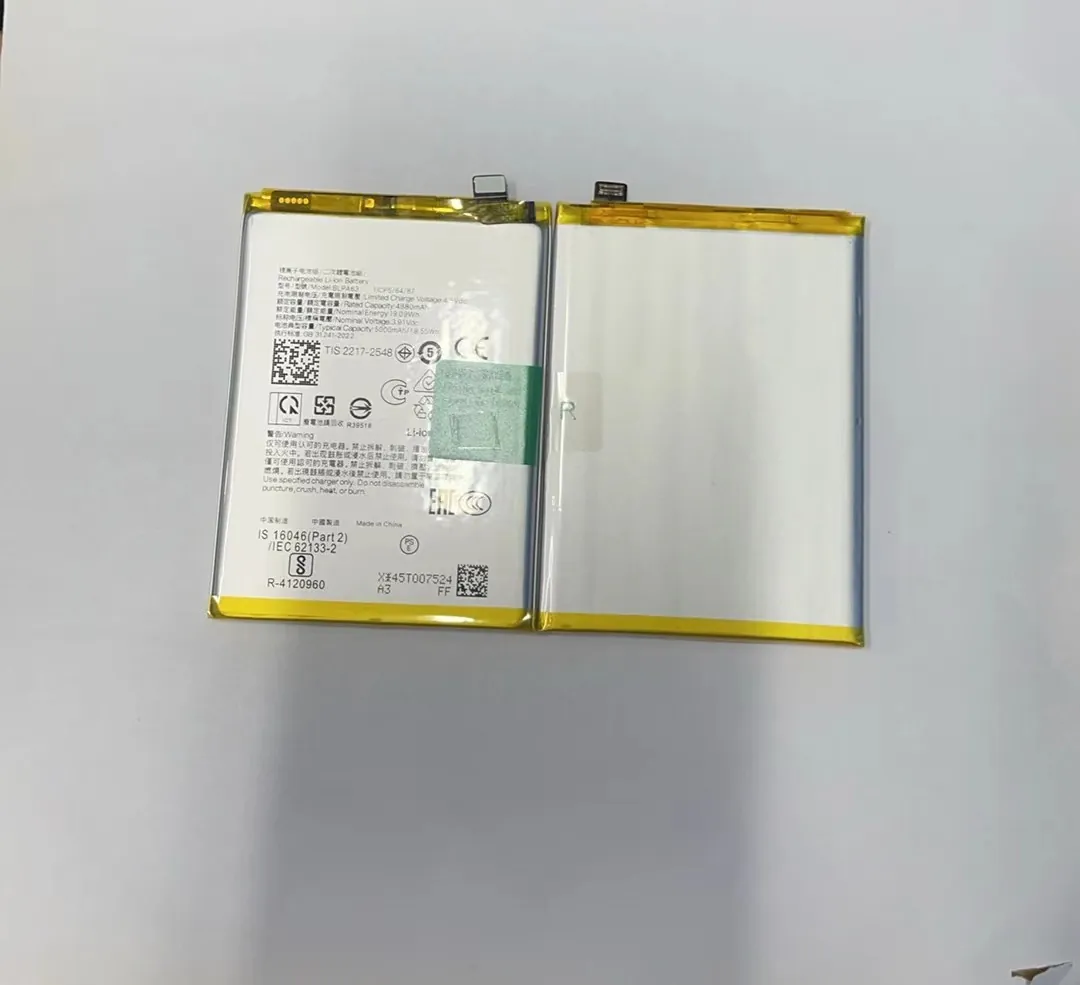
Most phones die too soon. You charge them overnight, then by dinner, you’re hunting for a socket. It's frustrating, especially if you're always on the move.
The phones with the best battery life in 2025 are Samsung Galaxy S25 Ultra, DOOGEE V MAX Plus, and iPhone 17 Pro Max — all can last two days or more on one charge.
In this post, I’ll walk you through which phones truly last long, why software matters, and what trade-offs come with high-capacity batteries.
Which Phones Last Over Two Days on One Charge?
Some phones barely make it through the day. Others? They can power through two or even three. Let’s look at those rare battery champions.
Phones like DOOGEE V MAX Plus, Samsung Galaxy S25 Ultra, and iPhone 17 Pro Max consistently last over 48 hours under moderate use.
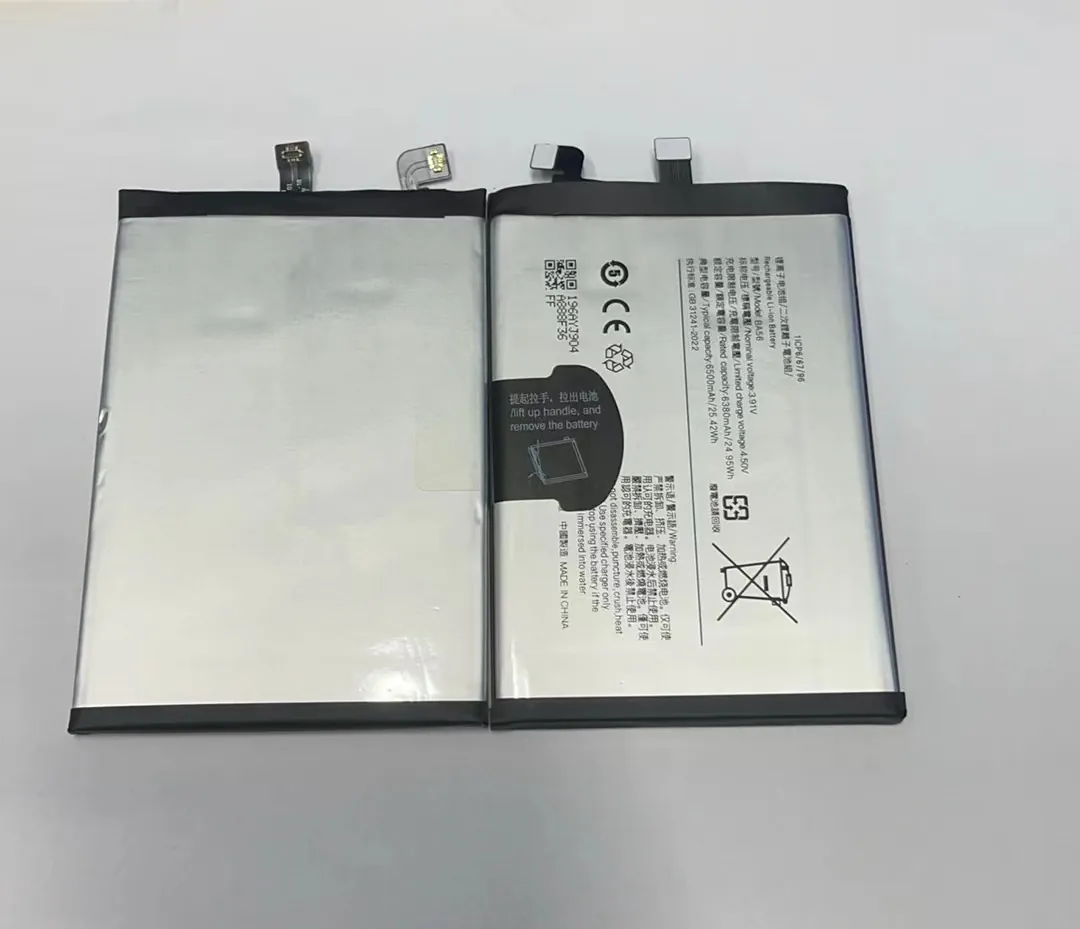
The Real-World Leaders in Battery Life
From my research and user feedback, these phones lead the pack when it comes to longevity:
| Phone Model | Battery Capacity | Average Battery Life | Standout Feature |
|---|---|---|---|
| DOOGEE V MAX Plus | 22,000 mAh | 4–5 days | Rugged + massive battery |
| Oukitel WP60 | 10,000 mAh | 2.5–3 days | Ultra-durable + long life |
| Samsung Galaxy S25 Ultra | 5,000 mAh | 2–2.5 days | Flagship with efficiency |
| iPhone 17 Pro Max | ~4,400 mAh | 2 days | iOS optimization |
| Google Pixel 9 | ~4,700 mAh | 1.5–2 days | Balanced use |
| Motorola Moto G Power | ~5,000 mAh | 2–3 days | Budget phone, long battery |
These models aren't just big on battery — they're optimized in other areas too. For example, the Galaxy S25 Ultra doesn't just have a large cell. It also uses power-efficient chips and a smart screen refresh rate.
What About Gaming or Streaming?
With heavy use, like gaming or 4K video streaming, even the best phones won’t last as long. However, the DOOGEE and Oukitel rugged phones still shine here — they’re built to last under pressure.
How Do Software Features Influence Battery Life?
Big battery, poor software? Still bad battery life. Here's why software makes or breaks your charge.
Software features like adaptive refresh rate, background task control, and power-efficient operating systems can significantly extend battery life.
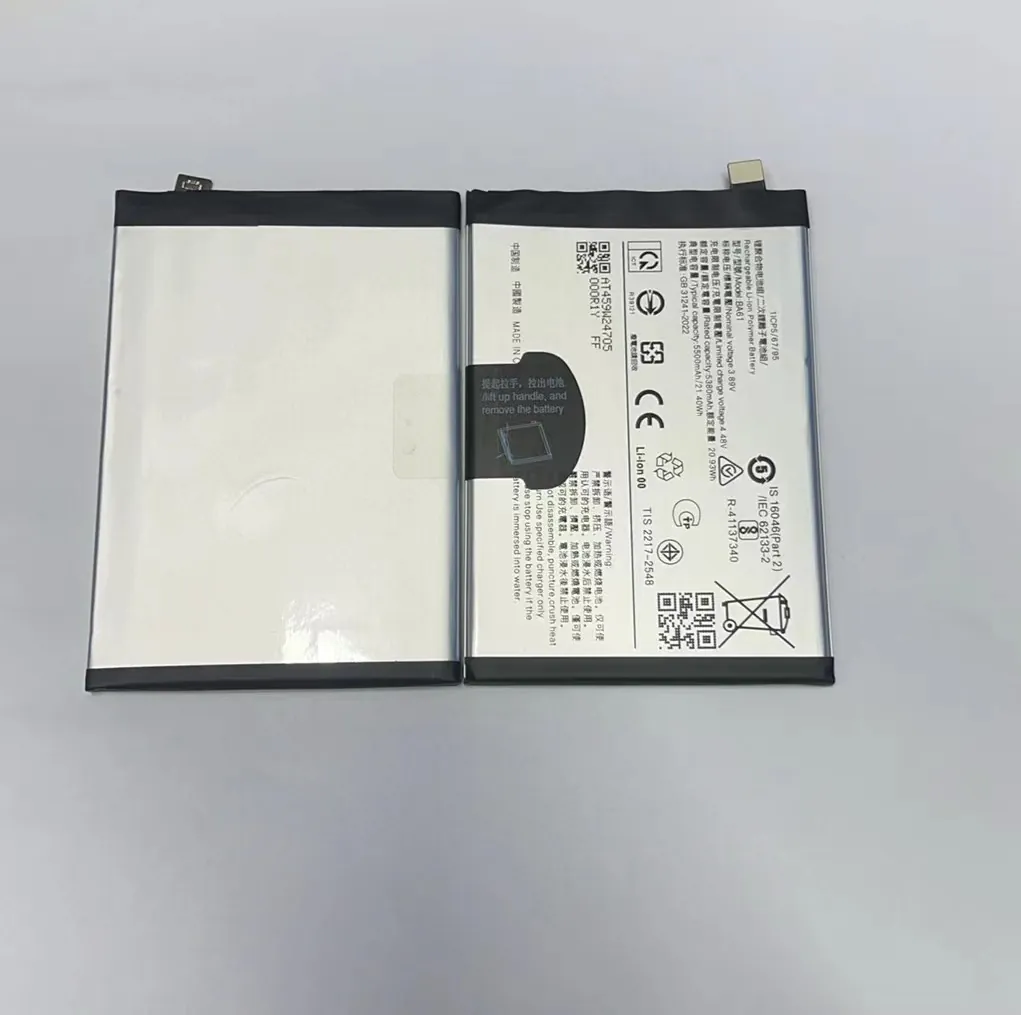
How Software Keeps the Battery Alive
Let’s break it down:
Operating System Optimization
iOS and stock Android usually do a better job of managing resources than some custom skins. They:
- Pause unused apps
- Optimize background refresh
- Dynamically adjust performance
Adaptive Display
Many new phones use LTPO screens. These can lower the refresh rate to as little as 1Hz when static, saving power. For example:
| Feature | Battery Impact |
|---|---|
| 120Hz fixed refresh | High drain |
| 1–120Hz adaptive | Lower drain |
| Dark mode | 5–10% more life |
| Sleep mode timing | Prevent idle drain |
AI Battery Learning
Phones now learn your habits. They charge smarter and slow down background sync if you're not using the phone — this saves a surprising amount of energy.
So, software isn’t just a bonus. It can be the main reason why two phones with the same battery capacity perform differently.
What Trade-Offs Come With Large Battery Phones?
Longer battery life sounds great. But it doesn’t come for free.
Phones with huge batteries often weigh more, charge slower, and compromise on design and speed.
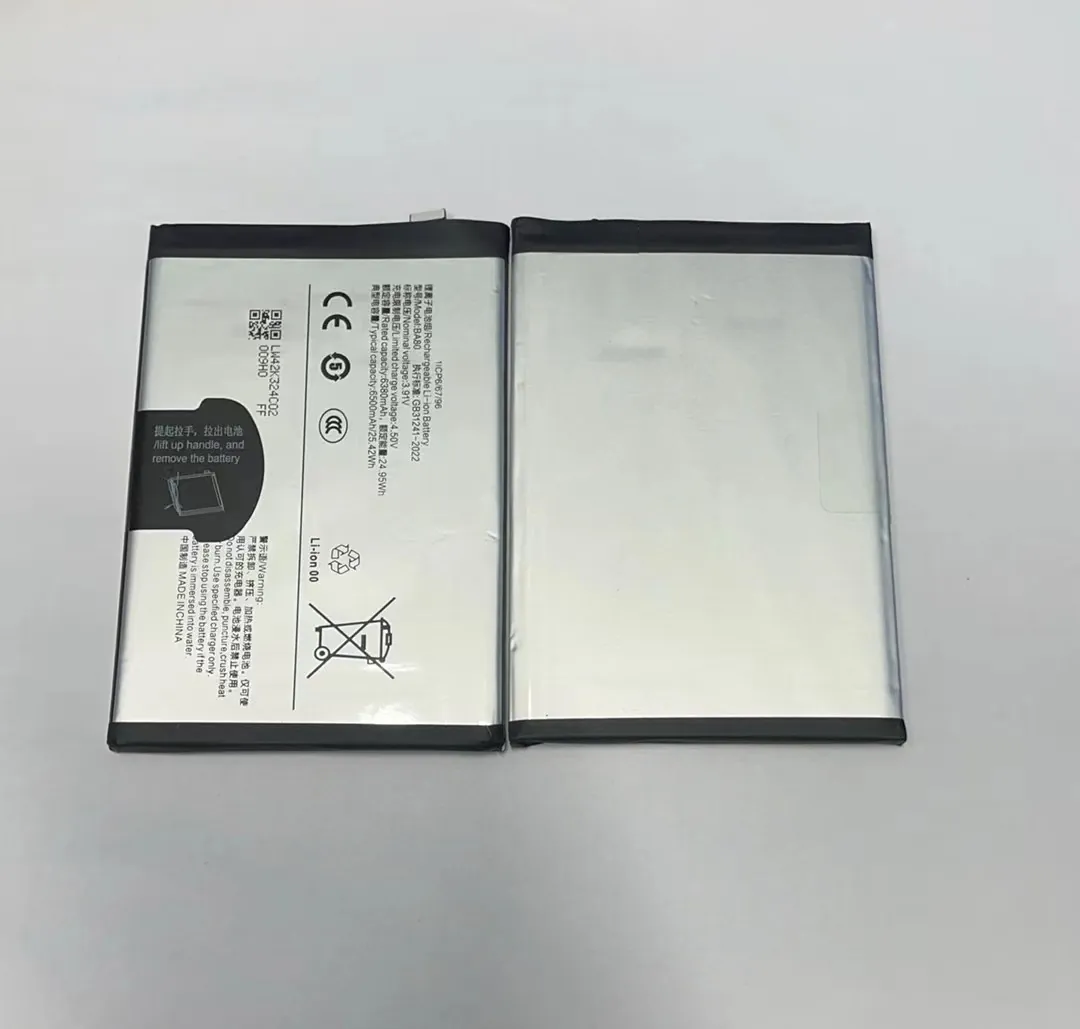
What You Gain — and What You Lose
Let me be honest. I’ve tried phones with batteries over 10,000mAh. They’re beasts — but not pocket-friendly.
Pros of Large Batteries:
- Multiple days of use without a charge
- Useful for travel or remote work
- Less battery anxiety
Cons You’ll Notice:
| Trade-Off | Description |
|---|---|
| Size & Weight | Often over 350g; thick and bulky |
| Slower Charging | Big batteries take longer to recharge |
| Less Elegant Design | Rugged look, not stylish or minimal |
| Lower Performance | Some models focus on battery, not speed |
In daily life, if you just want battery, go big. But if you care about one-hand use, pockets, and sleekness — a balanced phone like the Galaxy S25 Ultra might be a better choice.
Who Should Get Big Battery Phones?
They're perfect if you:
- Work in remote areas
- Camp or travel often
- Use maps or record long videos daily
But if you're city-based with easy access to charging, a well-optimized flagship is often better.
Can Standby Time Reflect Overall Battery Quality?
You leave your phone on the table overnight. Wake up — it’s still at 98%. That’s good standby time. But is it the same as good battery life?
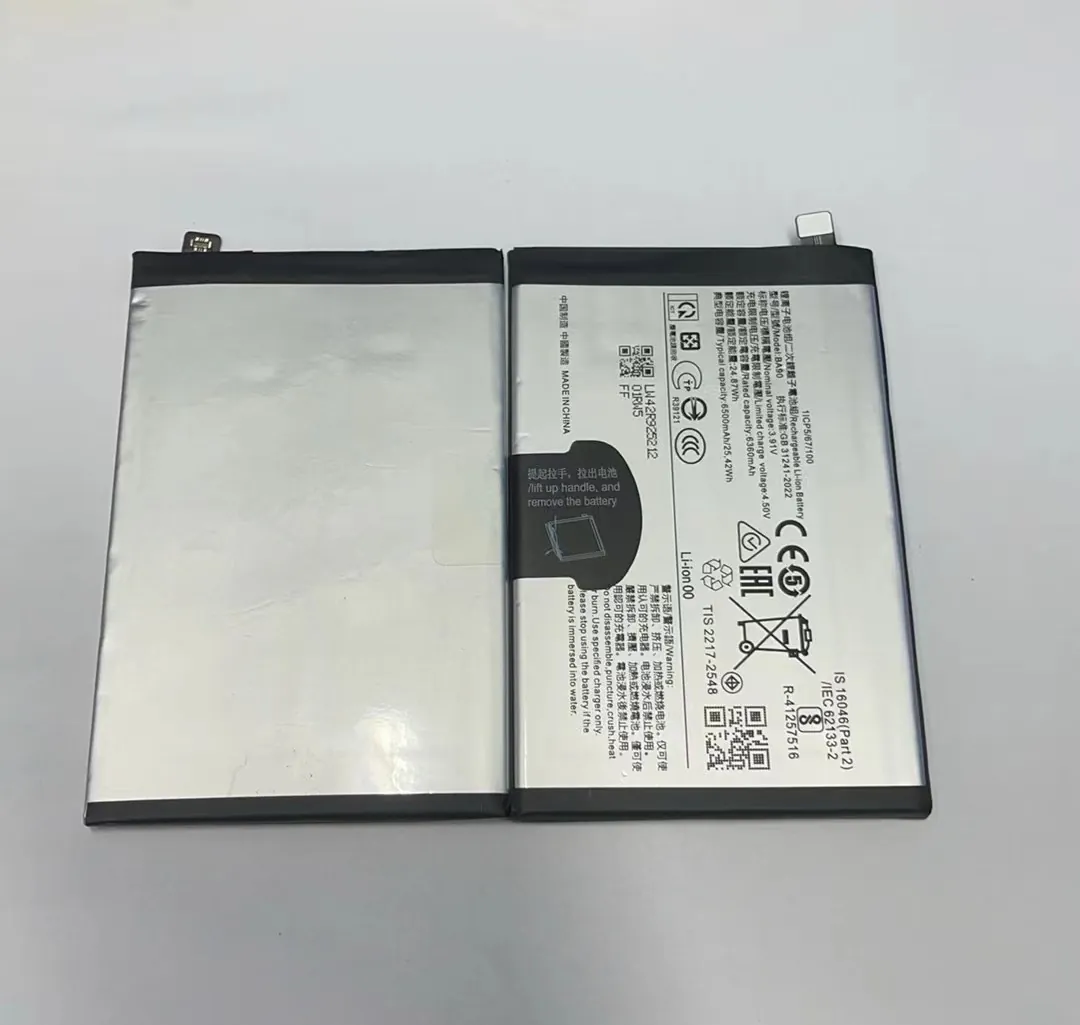
Standby time shows how well a phone manages power when idle, but it doesn't guarantee real-world battery performance.
When Standby Time Matters
Standby time is useful if:
- You often leave your phone untouched for hours
- You want to minimize idle drain overnight
- You care about emergency power availability
For example, the iPhone 17 Pro Max excels here. It may only drop 1–2% overnight due to excellent iOS background management.
When It Doesn’t
Standby time fails to tell you how the phone handles:
- Gaming
- Video playback
- Constant app usage
- Screen-on time
These factors drain power far faster. A phone with great standby could still die fast under heavy use.
Two Battery Scores That Matter:
| Type of Use | Key Metric |
|---|---|
| Standby Use | Idle drain per hour |
| Active Use | Screen-on time (SOT) |
So I always recommend looking at screen-on time, charging speed, and endurance under load — not just standby specs.
Conclusion
If battery life is your priority, phones like DOOGEE V MAX Plus or Samsung Galaxy S25 Ultra are worth considering. But remember — big batteries come with trade-offs. Real battery quality depends on a mix of battery size, software efficiency, and how you actually use the phone.
