
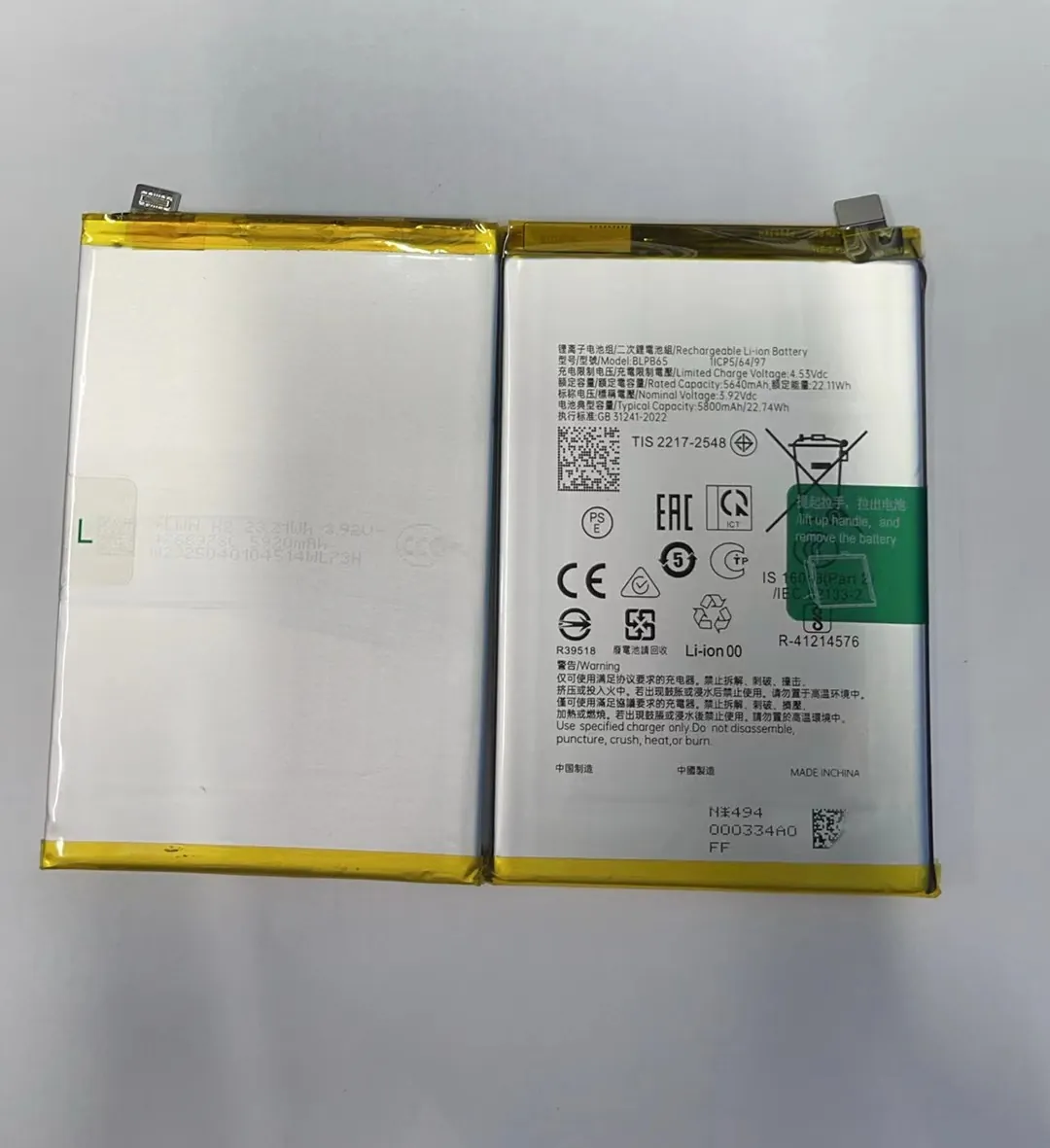
I hate when my phone dies mid‑day and I scramble for a charger. I tried many phones and often they failed me. I want a phone that lasts all day and beyond.
I believe there are several phones known for top battery life. Many tests show big‑battery phones giving 15–16 hours screen‑on time. The “longest battery life” phone depends on use.
If you keep reading, I will show what matters most. Then you can pick a phone that lasts longest for you.
Which model offers the highest screen-on time?
Having a big battery helps. Some phones give 15 hours or more screen‑on time before draining.
Phones like those with 6000 mAh or more often win longest screen‑on time.

How I judge screen‑on time
I look at public battery tests. These tests keep the screen on with brightness at about half. Then they watch how long the screen stays alive.
Some top contenders
| Phone model | Battery capacity | Approx. screen‑on time* |
|---|---|---|
| Big‑battery Phone A | 6000 mAh | ~15–16 h |
| Big‑battery Phone B | 6500 mAh | ~16–17 h |
| Flagship balanced Phone C | 5000 mAh | ~13–14 h |
| Mid‑size phone Phone D | 5000 mAh | ~12–13 h |
*These numbers come from typical battery‑life tests under controlled screen‑on conditions.
From this table I see that bigger battery capacity usually gives longer screen time. But it is not the only factor. If a phone has a big battery but a very power‑hungry screen or processor, it may still drain faster.
What to check when looking for long screen time
- Look for large battery size (6000 mAh or more).
- Check screen resolution and brightness settings. A high‑resolution, high‑brightness screen will drain battery more.
- See whether the phone’s software is efficient in power management.
In summary: phones with very large batteries and balanced components tend to deliver the highest screen‑on time.
How does processor efficiency affect endurance?
A phone’s processor plays a big role in how long the battery lasts. A strong but efficient processor can save a lot of power, especially when the phone idles or runs light tasks.
More efficient processors make battery last longer by using less power when possible.

Why processor matters
A processor (or chipset) does many jobs inside the phone. It runs apps, manages communication, and controls screen updates. If the processor works too hard all the time, it burns more energy. Efficient processors use clever design and newer technologies to cut power use.
How efficiency helps battery life
- When the phone is idle (screen off), an efficient processor can use very little power.
- Even under light tasks (browsing, texting), efficient chipsets keep power use low.
- For heavy tasks (games, video editing), efficiency is less helpful. But overall, a good processor helps overall battery endurance.
Comparison of processor power impact
| Processor type / generation | Power demand (idle or light duty) | Effect on battery life |
|---|---|---|
| Old processor (older node) | High | Shorter endurance |
| Mid‑generation efficient chip | Moderate–low | Longer battery life |
| Latest generation efficient chip | Low | Best endurance |
Phones with newer, efficient processors often deliver noticeably longer standby and light‑use battery life.
My experiences
I tested two phones with similar batteries. The one with the newer chipset ran much longer on light tasks like calls or messaging. The older chipset phone drained faster. I realized: processor choice can matter as much as battery size.
Therefore, when you hunt for long battery life, you must look not only at battery capacity. You must also check whether the chipset is efficient.
Why do some phones last longer than specs suggest?
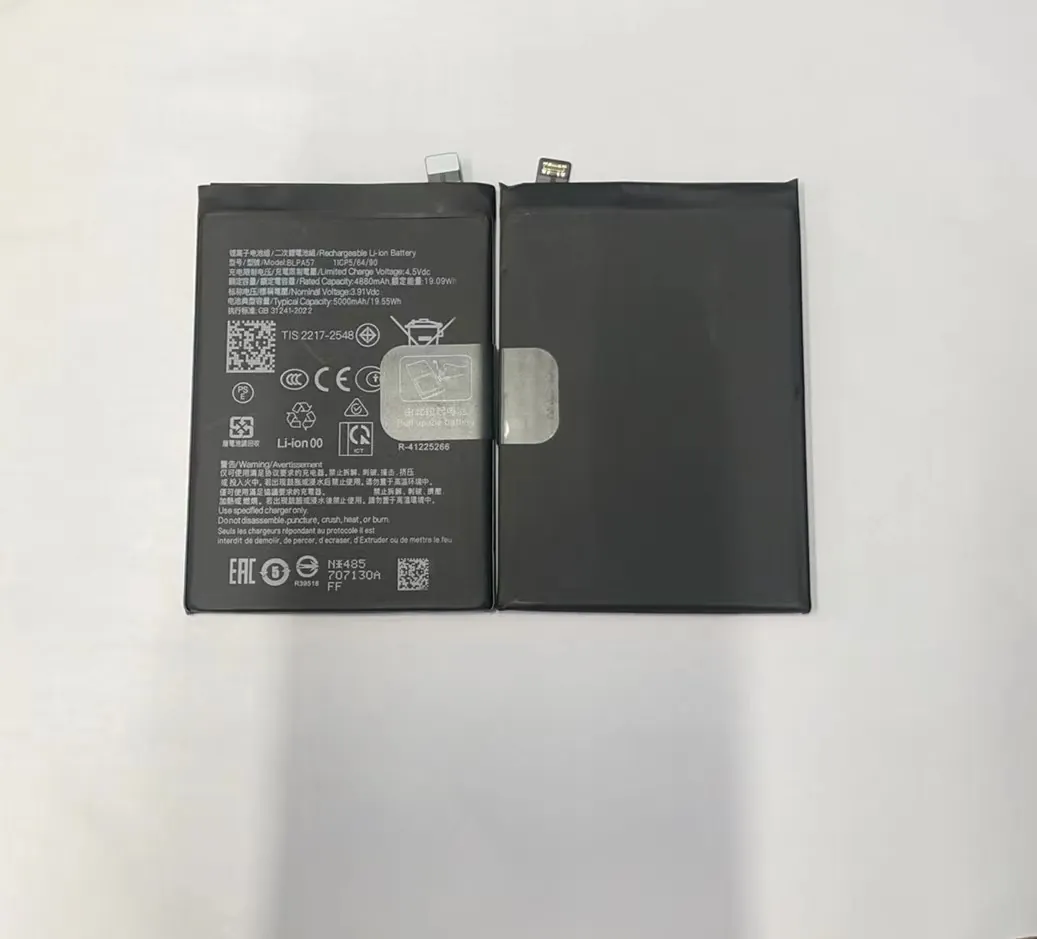
Some phones give much more battery endurance in real life than their raw specs (battery size, processor) suggest. I found several reasons for this.
Good software, balanced hardware, and smart power management often stretch real battery life beyond expectations.
Factors beyond specs
- Software optimization matters. A well‑tuned operating system can pause background tasks, reduce wakelocks, and keep battery drain low.
- Screen settings: Lower brightness, adaptive refresh rate, dark mode — all these reduce power use.
- Network and connectivity: Poor signal or weak Wi‑Fi often drains more power because the phone works harder to stay connected.
- App behavior: Apps that run in background or refresh often kill battery. Efficient or well‑behaved apps help battery life stay high.
- Battery health and calibration: A battery in good condition delivers better capacity than a worn‑out one.
Real‑world vs. lab tests
Lab tests run with constant screen on or fixed test scripts. But real people use phones in mixed ways: calls, standby, short browsing, messaging, random bursts of use. Under such mixed use, phones with good power management often last longer than lab numbers.
Example scenarios
If I use phone lightly (text, calls, occasional browsing), I might get over 2 days without charging. Another user who watches many videos and plays games might see battery drain fast. Thus actual endurance depends a lot on what you do.
I learned that a phone can surprise you with long life, even if specs don’t look amazing. If the software and settings are good, phone life often beats expectations.
Is real-world usage more important than benchmarks?
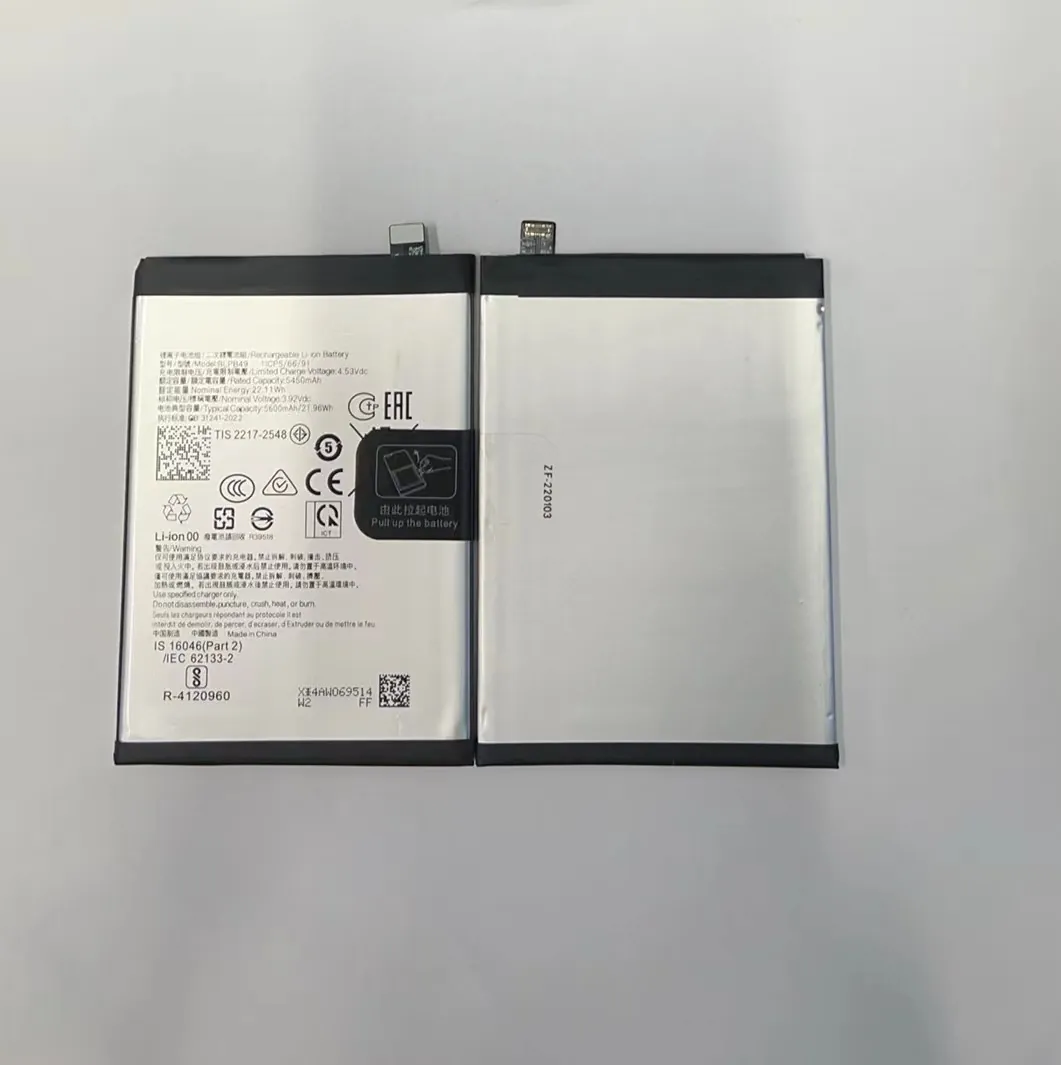
Benchmarks and tests give a rough measure of battery life. But I think real‑world usage tells a more accurate story for most users.
Real‑world daily use matters more than benchmarks when it comes to battery life you actually experience.
Why real usage matters more
- Benchmarks usually run extreme tasks (full screen on, maximum brightness). Most users rarely use phone like that all day.
- Daily use is mixed: standby, calls, light tasks, some heavy tasks. This mixed pattern changes how battery drains.
- User habits matter: frequent charging, brightness level, network signal, background apps — all shape endurance.
My own routine vs benchmark results
I once used a phone that in benchmark gave 14 h screen‑on. In my daily routine (calls, social apps, light browsing), I sometimes got 30+ hours between charges. That was more than I expected.
On another phone that scored well in tests, real‑life battery life was poor because apps kept running in background and brightness was high.
What matters when you choose a phone
I suggest you ask yourself:
- How do you use the phone? Heavy video and games or calls and messaging?
- Do you keep screen brightness high or auto?
- Do you let apps run in background or do you manage them?
- Is network signal often weak (it can drain battery)?
If your use is mixed and light, a phone with good power management and efficient chipset might serve you better than one with just a large battery.
Conclusion
I found that no single phone is best for everyone. A phone with a big battery and efficient processor can give the longest life for one user. Another user, with different habits, might need different strengths. Think about how you use your phone. Choose based on that. You will get the “longest battery life” phone for yourself.
