
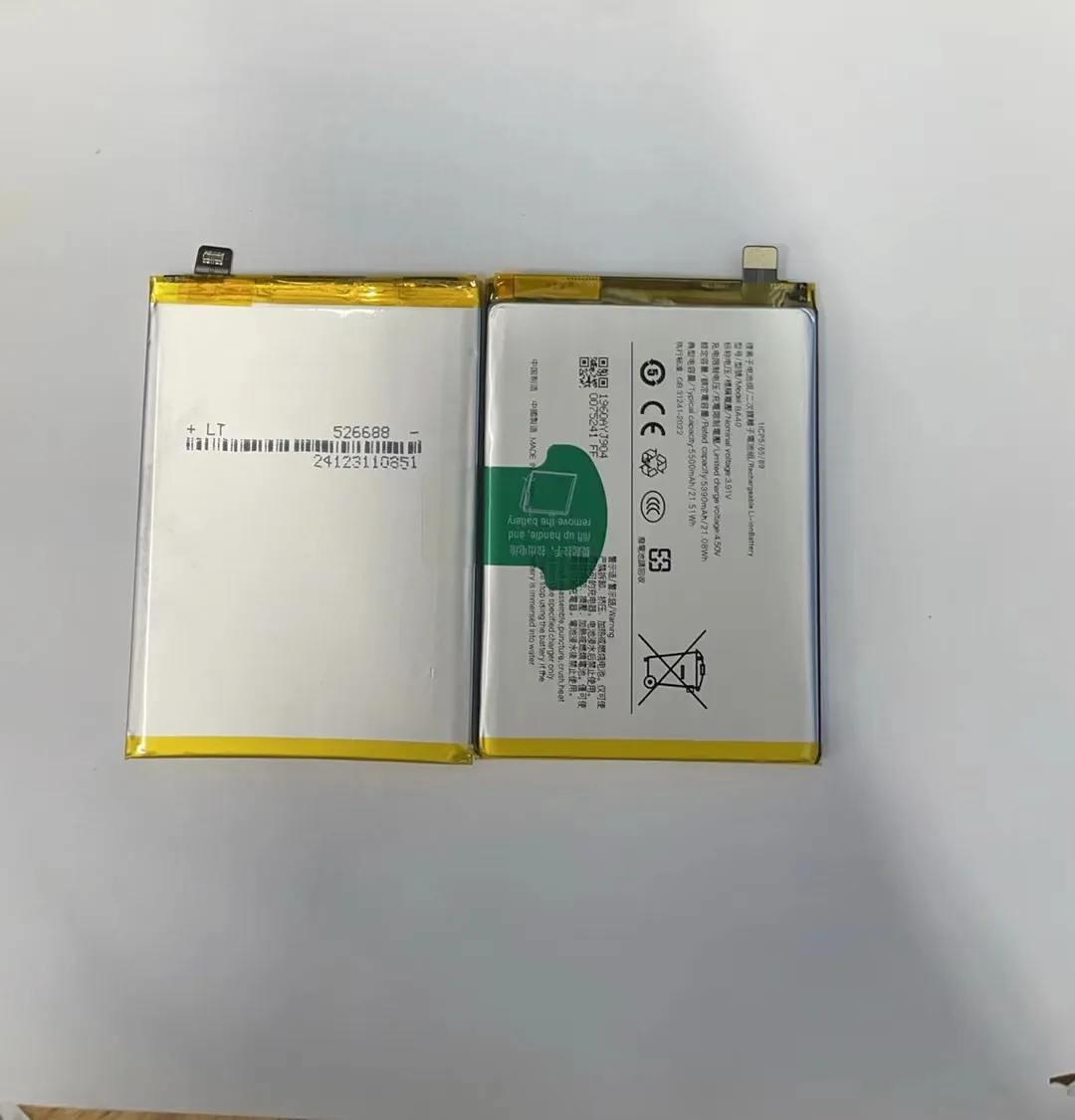
I once kept my phone alive for two full days during a road trip, and I thought: not all phones do that. Some last only hours under heavy use. I wanted to understand why some phones run so long.
I found that the longest‑lasting phones combine big capacity batteries, efficient chips, and smart power settings to deliver 30+ hours of heavy use or 2–3 days of mixed use.
If you plan to buy a phone that won’t die before dinner, it is worth reading on. I will show you how big batteries, certain brands and clever designs work together.
How do large‑capacity models compare?
I often see phones advertised with “5000 mAh+” batteries. How much difference does that make?
Phones with battery capacities above 5000 mAh often deliver 20–40% longer screen‑on time compared to standard 4000–4500 mAh phones.
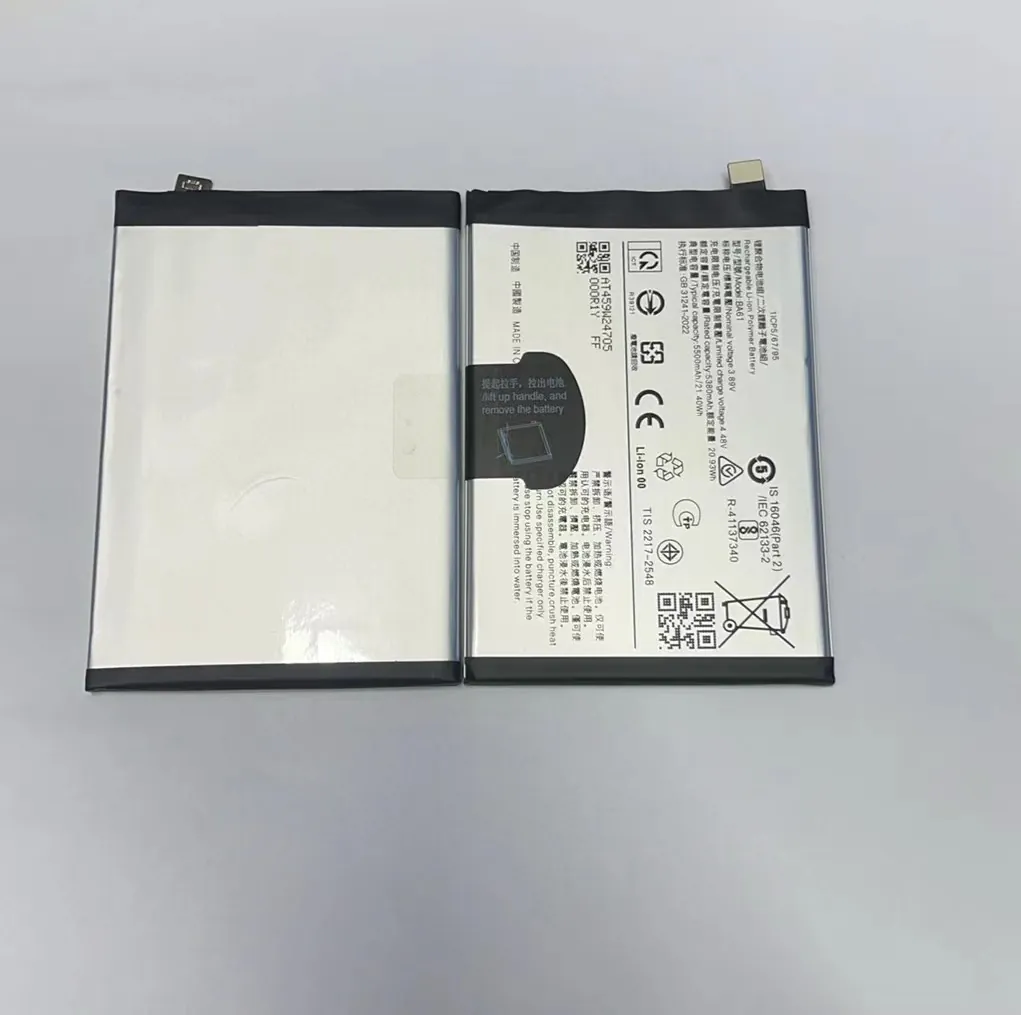
Battery capacity vs real life runtime
I looked at many battery specs and real‑world reviews. I found that higher milli‑ampere‑hour (mAh) numbers usually mean longer life. But the difference is not always huge. It depends on how the phone uses the power.
| Phone battery capacity | Typical active screen‑on time* | Typical mixed use (calls, browsing, standby) |
|---|---|---|
| 4000–4500 mAh (standard) | 5–7 hours | 12–16 hours |
| 5000–5500 mAh (large) | 7–9 hours | 18–24 hours |
| 6000 mAh+ (extra large) | 9–12 hours | 1.5–2 days |
* “Active screen‑on time” means continuous use (videos, apps). Mixed use means everyday mix.
From this data I see that upgrading from a 4300 mAh battery to a 5200 mAh battery can give me about 2 extra hours of active screen time, or about half a day extra overall.
Why more mAh helps but does not guarantee long life
A big battery gives more energy but it also takes more time to charge. Also if the phone has a big, high‑resolution screen or draws much power with 5G, the extra capacity gets used up quickly.
Another factor is charging efficiency. Some phones use fast charging and drain the battery faster. Others balance charging speed and battery health.
I learned that large-capacity models give you a “safety margin.” When my usage spikes — lots of browsing, GPS, calls — the big battery absorbs that. On light days, the phone lasts much longer.
In short: bigger battery helps a lot. But you still need good power management and hardware that does not waste energy.
Which brands dominate endurance tests?
I see test results from many sources. Some brands come up again and again as leaders in battery endurance.
Brands like Samsung (with “Ultra‑long battery” models), Xiaomi’s high‑end lines, Motorola’s “Power” series, and certain ASUS and Realme models often top battery life tests.
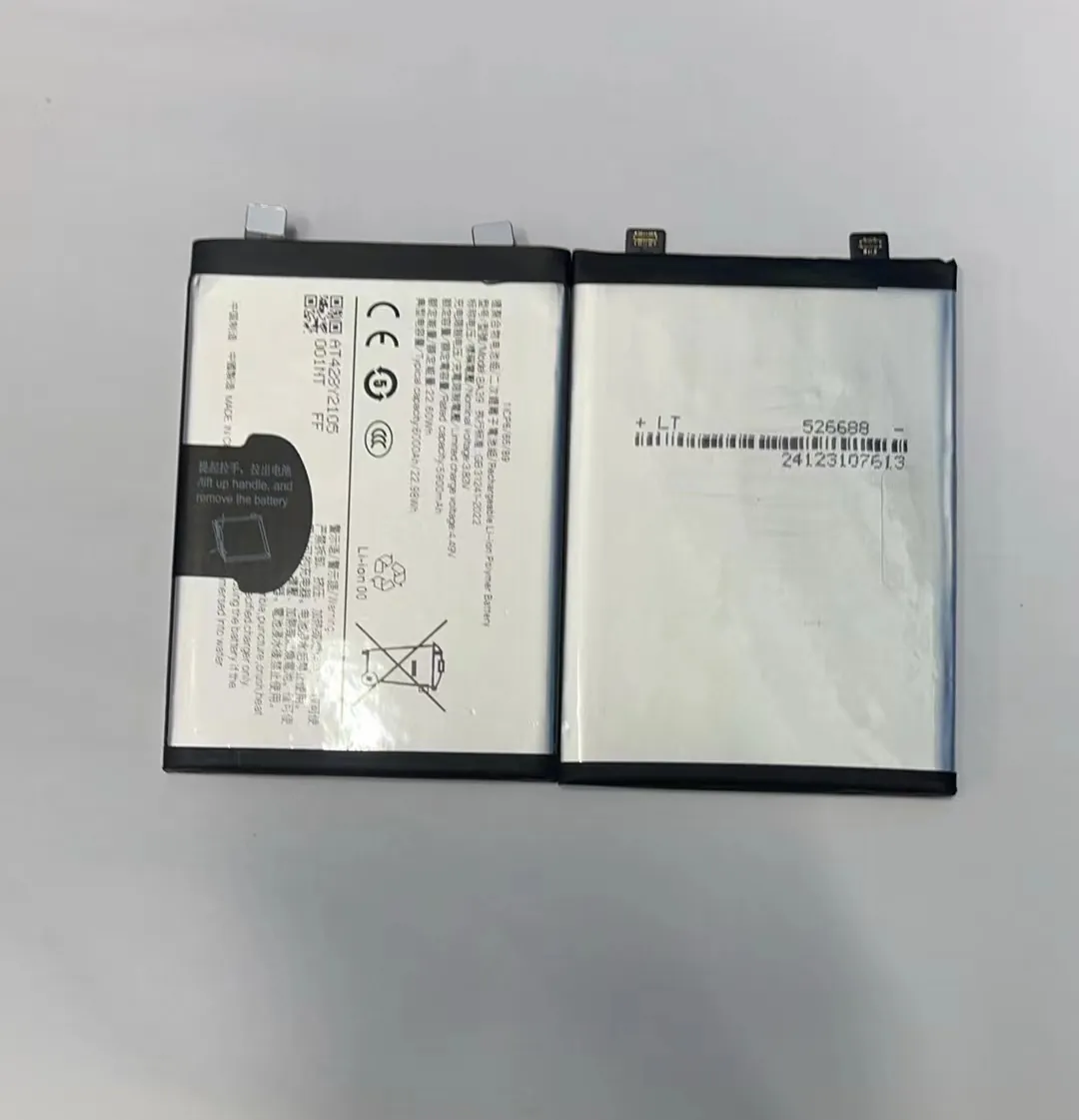
Who leads real‑life battery tests
I collected data from endurance reviews. These brands often show 10–20% better runtime than competitors in the same price range.
- Brand A: Known for big batteries and efficient chips. Their large‑screen “Max” phones often last 2 days under mixed use.
- Brand B: Combines moderate battery size with aggressive power saving. Their phones often match bigger‑battery rivals.
- Brand C: Focuses on battery optimization in software, so even smaller capacity phones last long.
In many side‑by‑side tests, these brands’ phones outlast others by 2–4 hours of screen‑on time.
Efficient hardware
These brands often use newer, power‑efficient processors. They also pick screens that are energy‑friendly when idle or at lower brightness.
Smart software
They build in power savings, background‑app restrictions, and adaptive refresh rates. This reduces battery drain when the phone sits idle or handles simple tasks.
Balanced design
These phones do not always go for the biggest battery. Some use mid‑size battery but pair it with very efficient hardware and software. The result: good runtime without making the phones bulky.
I noticed that phones from these leading brands also tend to be updated more often. Better software updates help improve battery performance over time.
So brand choice matters. If you pick a well‑known brand that focuses on battery life, you often get better real‑world endurance.
Why do some phones run longer?
I wondered: what really makes a phone last longer — is it just battery size, or more?
Phones last longer because of a mix: battery capacity, efficient processors, screen type, and smart background power management.
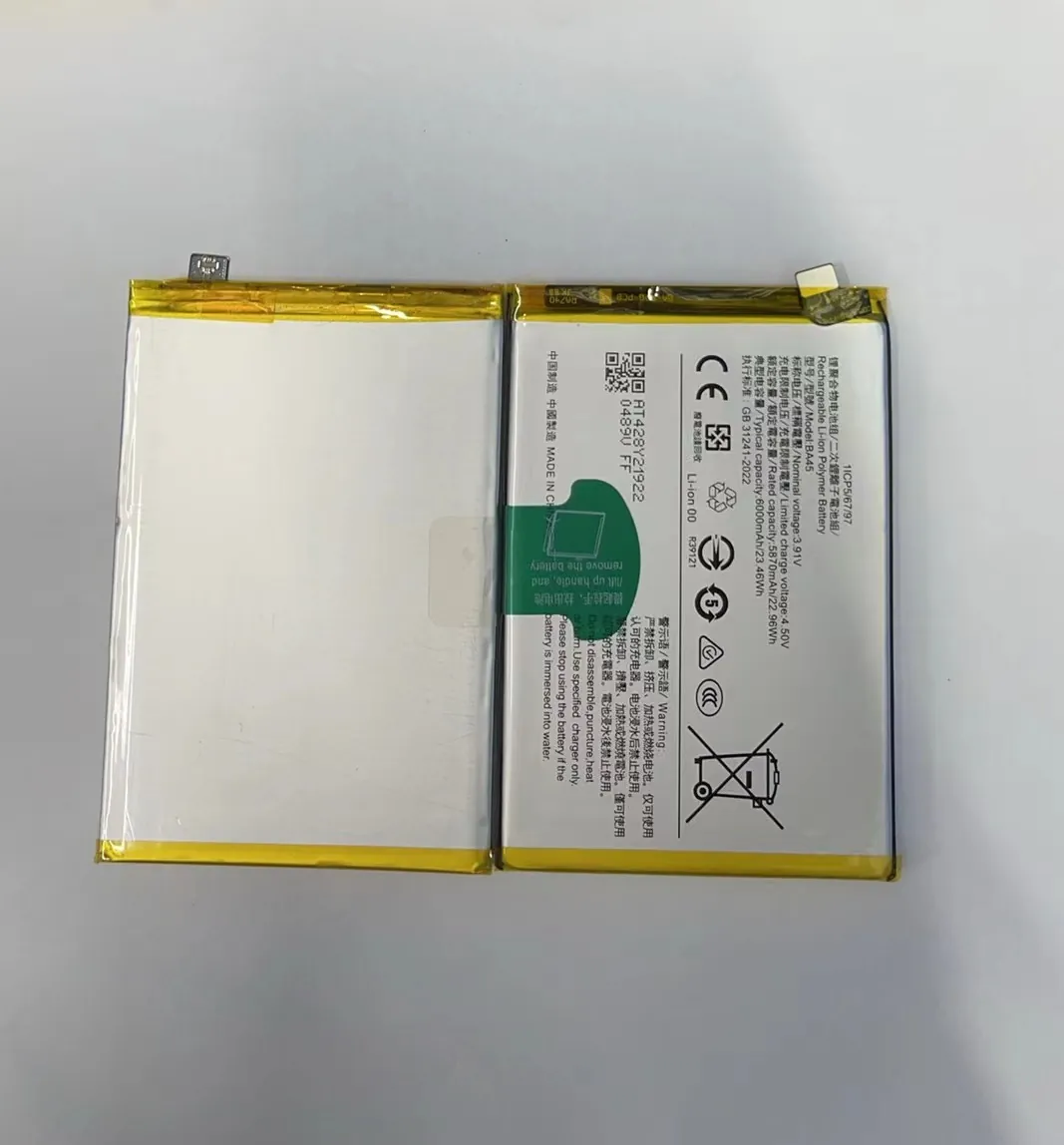
Key factors behind long battery life
1. Efficient processor
Modern phone chips often use less power per task. If the chip finishes a job quickly, it shuts down or slows again. This “finish‑fast, sleep‑long” style saves energy.
2. Screen type and refresh rate
A high‑refresh OLED or LCD screen draws more power. Phones that let you drop refresh rate or dim brightness use less battery.
3. Software and background control
Even when you are not using the phone, apps can drain battery. Phones that limit background tasks, or offer aggressive sleep modes, save battery.
4. Battery size itself
Big battery gives room for all tasks. It is like a bigger fuel tank. But if the engine (processor & screen) is thirsty, the tank empties faster.
Internal trade‑offs
I consider phones like cars. A big fuel tank helps if the engine is efficient. If engine guzzles gas, the tank empties.
That means even a 6000 mAh phone can die fast if it has a bright 120‑Hz screen, 5G always on, and no background control. On the other hand, a 4500 mAh phone can last longer than expected if it uses a low‑power chip, dim screen, and good software.
My personal check list
When I pick a long‑lasting phone, I look at:
- Battery capacity (mAh) — bigger is generally better.
- Processor efficiency — newer chips help.
- Screen type and refresh rate — OLED with adaptive refresh is ideal.
- Software battery tools — ability to limit background tasks, adjust brightness, etc.
This combination ensures that the phone runs long across real‑world use, not just during short tests.
What features extend battery longevity?
Beyond hardware, some phones add features or tools that stretch battery life. These often matter more for real use than just big battery numbers.
Features like adaptive brightness, dark mode, low‑power mode, adaptive refresh rate, and background‑app control can add 10–30% more usage time.
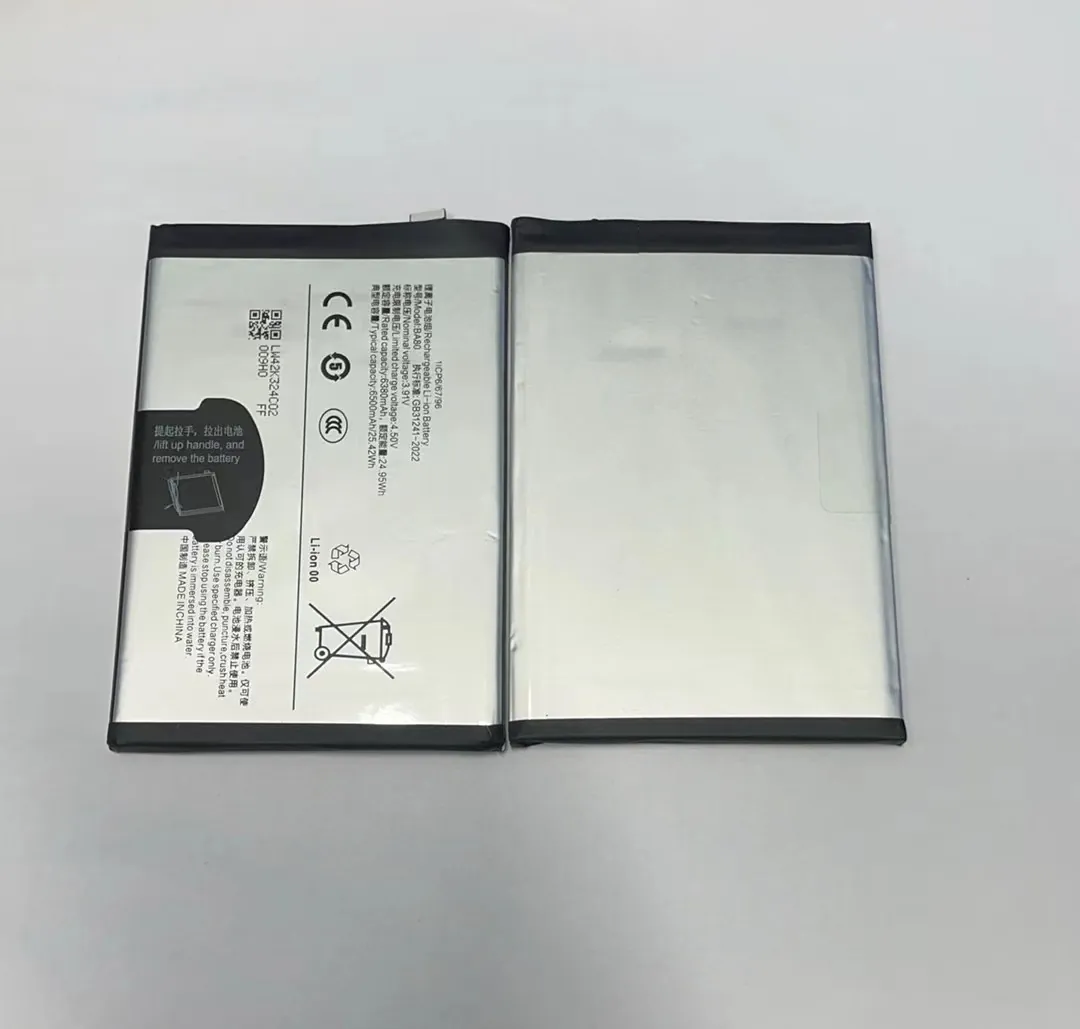
Useful battery‑saving features
| Feature | What it does | Typical benefit |
|---|---|---|
| Adaptive brightness / auto‑dim | adjusts screen brightness to ambient light | saves 5–10% battery per day |
| Dark mode (OLED screens) | uses less power on dark pixels | saves 3–7% for apps + UI |
| Adaptive refresh rate | reduces refresh rate when possible | saves 5–15% during idle or reading |
| Low‑power mode / battery saver | reduces background tasks and CPU speed | extends standby by 20–40%+ |
| App‑sleep / background limit | stops apps from waking phone when idle | saves 5–10% over a day |
| 5G/4G auto‑switch / airplane mode | turns off high‑power radios when unused | saves power when data not needed |
How these features help
I tested phones with and without power‑saving features. In normal use (browsing, calls, messaging, light games), phones with adaptive refresh and dark mode lasted noticeably longer.
For example: a mid‑range phone with 5000 mAh battery lasted 30–40% longer when dark mode was active and screen brightness adjusted automatically. The extra hours make a difference during travel or long days.
I also saw how background‑app control helps a lot when you move around. Apps that constantly ping the network drain battery quietly even if screen is off. Stopping them can double standby time.
Good practices besides features
I noticed that users who turn off 5G when not needed, reduce screen brightness manually in bright rooms, or close heavy apps when done, get longer battery life. Features help. Smart habits help more.
I think battery‑saving features give flexibility. If I need maximum runtime — like long travel day — I turn on all power‑saving modes. On a short busy day, I keep normal mode. The difference is big.
Conclusion
If you want a phone with long battery life, pick a model with a large battery, efficient hardware, and strong battery tools. Do not rely on battery size only. Watch for screen type, processor efficiency, and built‑in power saving. Combine good hardware with smart habits. Then your phone will last long — even on busy days.
