

Getting a new mobile phone battery should feel like a fresh start. Many people are not sure what to do first. Old advice still floats around online.
Knowing the right first steps can help your new battery last longer and work better from day one.
In this article, I will walk you through the most common questions about handling a new battery. I explain what truly matters and what habits make the biggest difference.
Should you charge a new phone battery before use?
Many people wonder if a new battery needs a full charge before they use the phone. This idea goes back to old nickel‑based batteries long ago. Modern phone batteries use lithium‑ion technology, which works differently.
You do not need to fully charge a new lithium battery before first use. It is fine to charge it normally right away, though a full charge can help calibrate initial battery reporting.
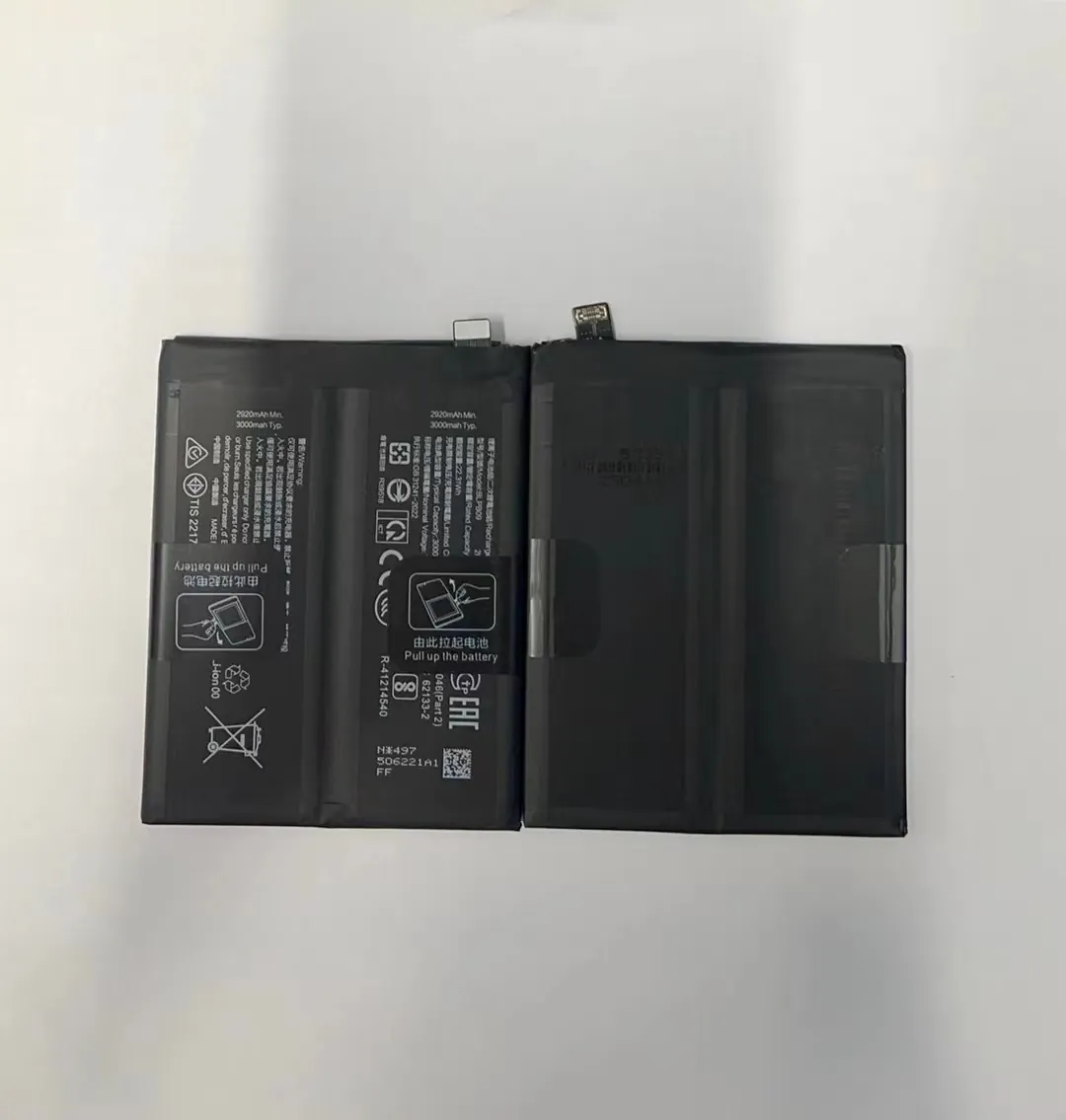
When batteries left factory, they are often shipped at about 40–60% charge. This level is best for storage. Phones today have smart charging systems built in. These systems protect the battery during charging and do not require initial conditioning cycles.
What happens if you charge immediately?
Most phones will begin charging as soon as you plug them in. The phone controls the charge and stops when full. This system makes early charging safe. There is no need to drain or charge to a specific level before first use.
The battery may show a wide range of percentages the first few times you charge. This happens because the battery meter needs time to learn the true capacity of the cell.
Simple first‑use steps
Here are some easy steps that work well with new batteries:
- Plug in and charge as you normally would.
- Avoid extreme heat or cold while charging.
- Use the original charger or a good‑quality replacement.
- Let the battery settle after long first charge before heavy use.
What not to worry about
Old battery tips like “charge for 12 hours before use” no longer apply. Modern batteries and chargers manage power much better. Trying to follow outdated advice won’t improve performance.
Being gentle with the battery during the first few days is good practice. But the main goal is to use the phone normally and let the phone’s built‑in systems manage the battery.
What is the best way to initialize a new battery?
Initializing a new battery means helping the phone learn how to report battery life accurately. A phone does not need a strict ritual. Instead, it benefits from regular use and a couple of full discharge/charge cycles over the first week.
The best way to initialize a new battery is to use it normally while allowing a few complete charge and discharge cycles to help the battery meter settle.

When batteries are new, the system inside learns how the battery behaves. This learning makes the percent reading more accurate. Lithium‑ion batteries do not suffer from “memory effect” like old batteries, but the reporting still adjusts with use.
Simple initialization routine
A gentle routine that works for most users:
- Charge phone to near full (90–100%).
- Use phone until battery drops to about 10–20%.
- Charge again to full.
- Repeat this pattern once or twice in the first week.
This routine gives the phone real data on how the battery drains under normal conditions. The system then uses that data to show more accurate battery life over time.
Why this matters
When the battery meter reads accurately, you trust how much time you have left. Without initial cycles, early battery percentage swings may look strange. It does not affect real battery health, but it affects perceived battery life.
Things to avoid during initialization
Avoid these during the first few cycles:
- Heavy gaming or video streaming nonstop.
- Using the phone while charging very often.
- Charging in extreme temperatures.
These habits are not harmful once in a while, but they can make learning slower.
Initialization is about consistency, not strict rules. Using the phone in a normal pattern over days gives the best result.
Does calibrating a new phone battery help longevity?
Calibration means teaching the phone how the battery discharges and charges so the percentage shown matches real capacity. Many people think calibration improves battery life over the long term.
Calibration helps the accuracy of the battery meter, but it does not change the chemical life span of the battery. It makes the phone show better numbers, not make the battery healthier.
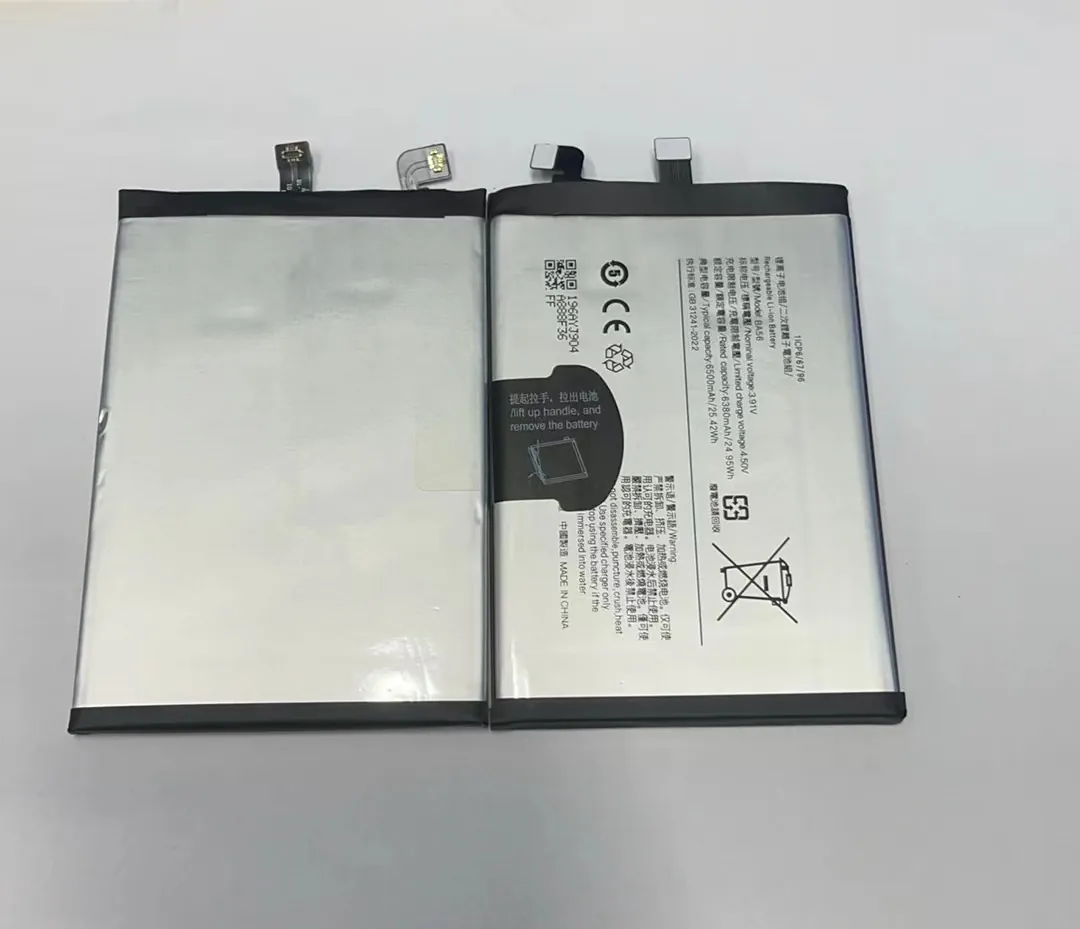
Battery longevity refers to how many charge cycles the battery can go through before capacity drops. Calibration does not change this. It only adjusts the software interpretation of battery state.
What calibration really does
The battery meter in a phone uses data to estimate percentage left. When the phone sees many full and empty cycles, this estimate becomes more reliable. Calibration refines this estimate.
How to calibrate gently
Here is a simple calibration process you can use periodically:
- Use the phone until the battery drops near very low (about 5–10%).
- Charge to full without interruptions.
- Let the phone stay at full for a short time.
- Use normally again.
This process gives the battery meter fresh reference points.
Calibration schedule
You do not need to calibrate every week. Doing this every few months or when you notice inconsistent percentage readings is enough.
Calibration vs health
Battery health depends on:
- How many full cycles the battery goes through.
- Temperature during charging and discharging.
- How often you use very high drain activities.
Calibration improves the meter, not these factors.
Here is a simple table that shows the difference:
| Feature | Calibration | Real Battery Health |
|---|---|---|
| Affects meter accuracy | Yes | No |
| Improves capacity | No | Depends on use |
| Makes phone report better | Yes | No |
| Extends physical life | No | Depends on habits |
Good habits like mild charging, avoiding heat, and not draining fully often help longevity. Calibration just makes percentage reading smoother.
Are there mistakes to avoid with a new battery?
A new battery feels great, but early mistakes can set bad habits. Some common errors reduce battery health over time. Knowing what to avoid helps protect capacity for longer.
The biggest mistakes are charging habits and exposure to extreme conditions that stress the battery unnecessarily, especially early in the battery’s life.

Charging mistakes
Here are common charging pitfalls:
- Charging to 100% all the time.
- Letting the battery drop to 0% often.
- Using cheap or unsafe chargers.
- Charging in hot places like a car or under direct sun.
Why these matter
Lithium‑ion batteries prefer mid‑range states of charge. Staying between 20% and 80% is gentler on the battery. Charging to full or draining to zero frequently adds stress.
Extreme temperatures
Heat is one of the biggest enemies of battery life. Exposing a new battery to high temperatures while charging or using heavy apps can reduce its long‑term capacity.
Cold is less damaging but can temporarily reduce performance. The battery usually recovers when temperatures return to normal.
Bad use habits
Some habits that hurt faster than many people think:
- Gaming while charging
- Streaming video nonstop while charging
- Leaving phone plugged in overnight on a hot surface
These make the battery heat up and cycle inefficiently.
What to do instead
Here are positive habits that protect a new battery:
- Use the original charger or good brand replacement.
- Unplug when full if phone gets warm.
- Keep phone out of hot places.
- Avoid very low battery levels often.
Mistakes summary
| Mistake | Why it hurts | Better habit |
|---|---|---|
| Always 100% charge | Adds stress | Charge to partial |
| Zero charge often | Deep discharge strain | Keep above ~20% |
| Bad chargers | May cause improper current | Use quality chargers |
| Heat exposure | Speeds aging | Keep cool while charging |
Most mistakes are about temperature and extremes. Avoid extremes and the battery stays healthier longer.
Conclusion
A new mobile phone battery works best when you treat it with smart habits and realistic expectations. You do not need strict rituals, but charging thoughtfully, letting the phone learn battery patterns, and avoiding extreme conditions will help it stay healthier longer. Simple care today leads to better battery life tomorrow.
