
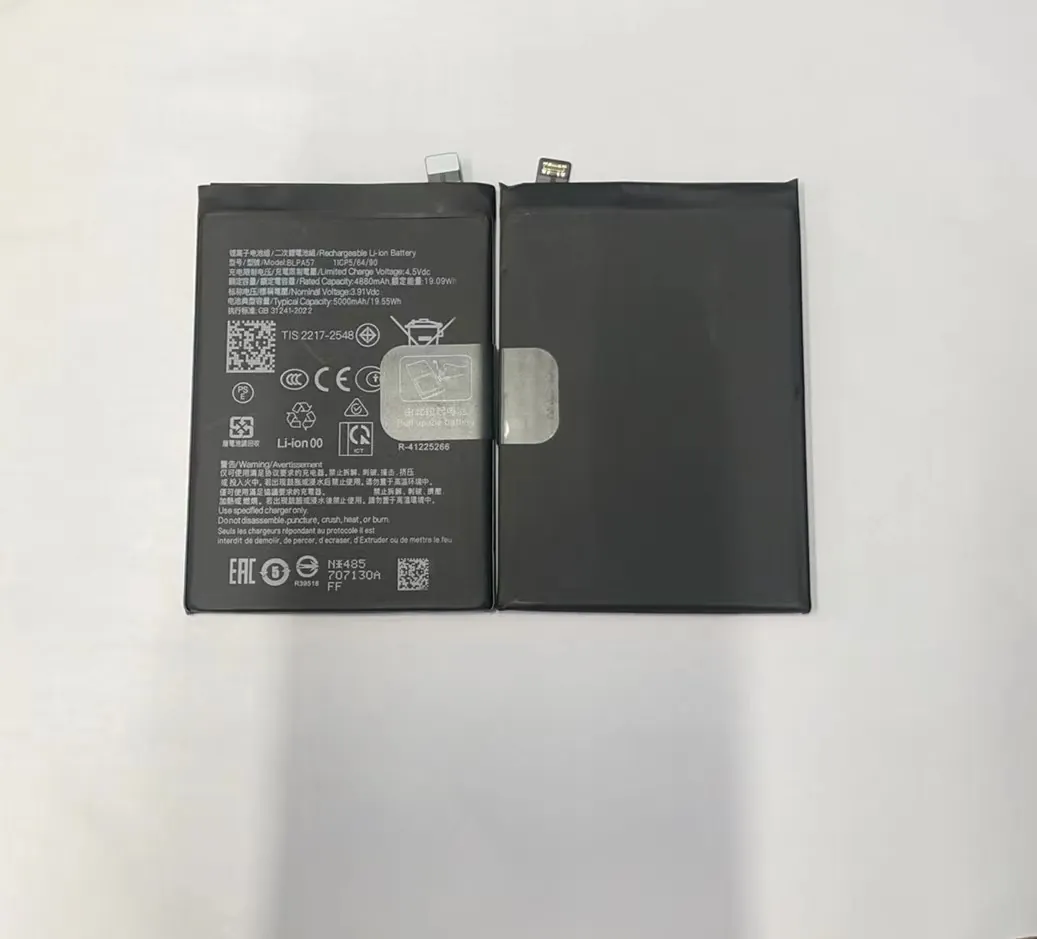
Most people replace their phones but don’t know what to do with the old batteries. Some throw them in the trash without realizing the danger. Others store them in drawers, hoping they never leak or explode.
Old mobile phone batteries should be recycled safely using official drop-off points, not thrown away in household trash. They are hazardous and require proper handling.
It's important to understand the right way to handle used phone batteries to avoid fire risks and environmental harm.
Can old batteries be recycled safely?
Many people worry whether phone batteries can be recycled at all. They are unsure if recycling centers accept them.
Yes — lithium-ion phone batteries can and should be recycled safely at authorized facilities.
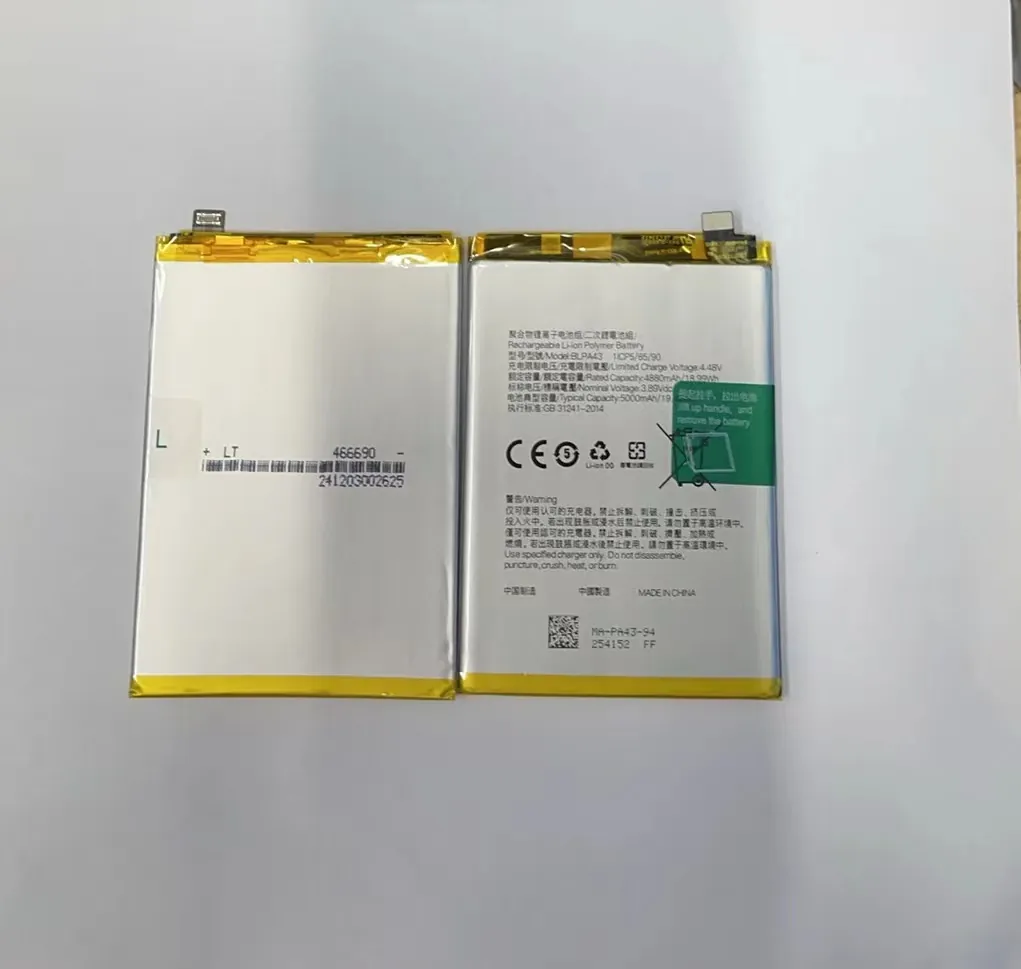
Why battery recycling is necessary
Phone batteries contain lithium, cobalt, and other metals. These materials can be harmful if released into soil or water. When batteries are crushed in garbage trucks, they can overheat, spark, and even cause fires. Proper recycling avoids all these risks.
Common battery recycling risks
| Risk | What Happens |
|---|---|
| Fire | Batteries can short-circuit when damaged or compressed |
| Toxic leak | Metals can leak into land or water sources |
| Environmental impact | Non-recycled batteries add to e-waste problems |
How recycling works
Recycling centers use special equipment to discharge, disassemble, and separate battery components. Metals are recovered for reuse. Other parts are treated as hazardous waste.
Where are appropriate drop-off points?
Many users don’t know where to take their old batteries. They hesitate because they think it’s complicated.
Old batteries can be taken to local recycling centers, electronic stores, or special collection events.
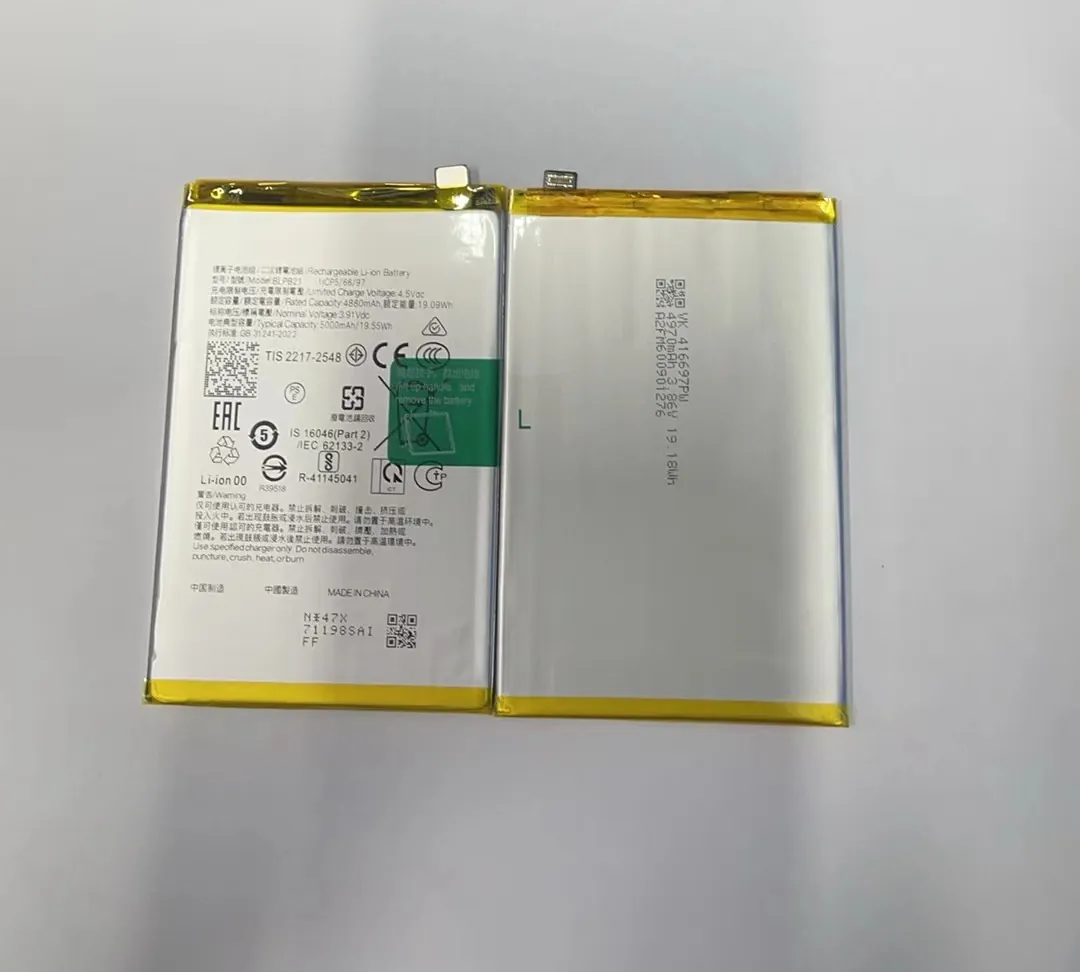
Typical drop-off locations
- Electronic stores – Brands like Best Buy or Staples
- Battery recycling bins – Often placed at malls or supermarkets
- Community events – Cities organize e-waste collection drives
- Hazardous waste centers – Managed by local governments
How to prepare batteries for drop-off
- Tape the terminals with non-conductive tape.
- Place in a plastic bag to prevent contact.
- Label as used battery if required.
This ensures safe transport and handling by staff.
Example locator tools
| Tool | Website |
|---|---|
| Call2Recycle | call2recycle.org |
| Earth911 | earth911.com |
| Local waste websites | Check city or county websites |
Should you keep old batteries as backups?
Some users keep old batteries as spares “just in case.” This may feel smart, but it’s often risky.
Keeping old batteries can be dangerous if they are not stored correctly or are already degraded.

When is it safe to keep a battery?
You may keep a battery if:
- It is still functional and holds charge
- You store it in a cool, dry place
- You check it regularly for swelling or leakage
When it’s unsafe
| Sign | Risk |
|---|---|
| Battery is swollen | Risk of explosion or leakage |
| Battery is older than 3 years | Likely degraded |
| Battery has visible damage | Immediate fire risk |
Safe storage tips
- Store in a fireproof container
- Avoid metal contact
- Keep away from heat sources
- Inspect every 2–3 months
If you’re unsure, recycling is safer than storage.
What legal regulations cover battery disposal?
Different countries and cities have different laws about battery disposal. But most agree: throwing batteries in the trash is illegal.
Most regions classify lithium-ion batteries as hazardous waste and ban them from regular garbage or curbside recycling.
Key regulations around the world
| Region | Rule |
|---|---|
| USA | EPA recommends battery recycling; many states ban landfill disposal |
| EU | Batteries Directive requires proper collection and recycling |
| Canada | Provinces enforce battery take-back and drop-off programs |
| Australia | National Battery Stewardship Scheme encourages safe recycling |
Why laws are strict
Batteries can cause:
- Fires in garbage trucks and sorting plants
- Soil and water contamination
- Health risks to waste workers
That’s why legal disposal is important.
Fines and penalties
Some cities fine residents for improper battery disposal. Businesses can face larger fines if they discard batteries unsafely. It's better to follow proper channels than risk penalties or fire.
How to handle damaged or swollen batteries?
This is a common situation. Old batteries may swell or leak. What should you do?
If a battery is swollen, leaking, or damaged, handle it with extreme caution and take it to a hazardous waste facility immediately.
Warning signs
- Battery feels soft or bloated
- Bad smell from the battery
- Discoloration or powder on surface
- Heat without charging
What to do
- Do not puncture or compress the battery
- Place it in a fireproof, non-metal container
- Transport to hazardous waste facility
- Avoid touching any leaking material
Never try to reuse or recharge a damaged battery.
Conclusion
Old mobile phone batteries are not trash — they are hazardous waste. Recycling them safely protects people, property, and the planet. Many local drop-off points make it easy. Don't store old batteries unless you're sure they are stable and safe. Always follow laws and safety rules to avoid risks.
