
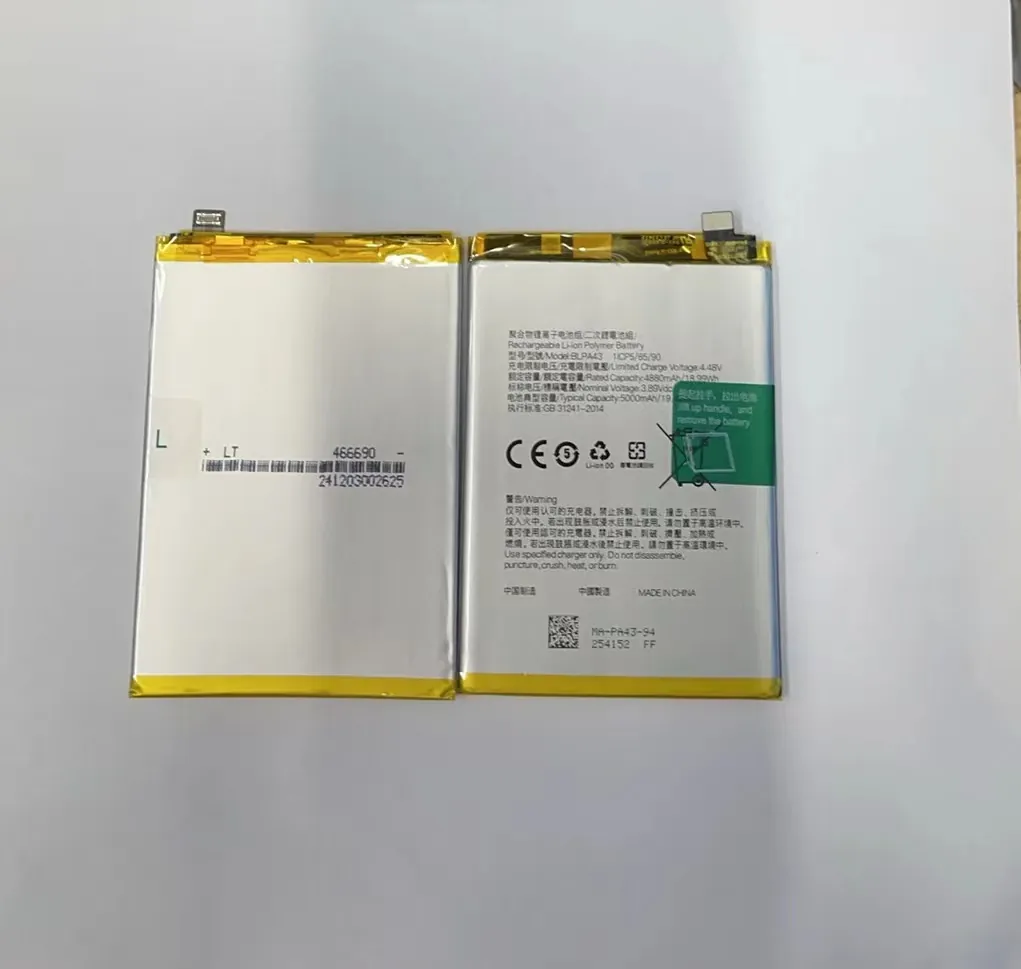
Many people ask why phone batteries all look similar but behave very differently. They buy a new phone and wonder if the battery inside is the same type as before. People want to know what battery types phones use and why it matters.
Mobile phones use rechargeable batteries that store energy and release it to power the screen, processor, radios, and sensors. These batteries are built to be safe, lightweight, and able to handle many charge cycles.
Understanding the types of batteries in phones helps you choose a phone and follow habits that keep the battery healthy for longer.
Are lithium-ion batteries used in all phones?
Today, nearly all mobile phones use lithium‑ion (Li‑ion) technology. Older phones used nickel‑cadmium or nickel‑metal hydride, but modern smartphones need more energy and lighter weight, which Li‑ion provides.
Lithium‑ion batteries are the dominant battery type in modern phones because they offer high energy, low weight, and good performance over many cycles.

What makes lithium‑ion batteries common?
Lithium‑ion batteries are popular for several reasons:
- They have a high energy‑to‑weight ratio.
- They charge faster than older battery types.
- They suffer less from memory effect compared to older chemistry.
- They can deliver high current for powerful processors and radios.
| Feature | Lithium‑ion | Older Types |
|---|---|---|
| Energy per weight | High | Low |
| Memory effect | Very low | High (NiCd) |
| Charging speed | Faster | Slower |
| Weight | Light | Heavier |
These advantages made Li‑ion the standard for phones, tablets, and even electric vehicles.
Are there phones without lithium‑ion?
Almost all modern phones use lithium‑ion. Lower‑end feature phones may still use removable batteries, but these are also typically Li‑ion. Very old phones from the early 2000s used nickel‑cadmium or nickel‑metal hydride, but those are now obsolete because they are heavy and inefficient.
How lithium‑ion works
Lithium‑ion batteries use lithium ions that move between two electrodes during charging and discharging. When you charge the battery, the lithium ions flow from the positive electrode (cathode) to the negative one (anode). When you use the phone, the ions flow back, releasing energy.
This movement of ions is efficient and allows many cycles before the battery loses capacity. Modern phone batteries are carefully designed to keep this ion movement stable and safe.
How do lithium-polymer batteries differ?
Lithium‑polymer (Li‑Po) is a variant of lithium‑ion technology. Many flagship phones advertise “Li‑Po battery” on their spec sheets. People want to know why this term is used and what it means.
Lithium‑polymer batteries are a type of lithium‑ion battery that use a polymer electrolyte instead of a liquid one. This lets manufacturers make thinner and more flexible shapes.

Key differences between Li‑ion and Li‑Po
| Property | Lithium‑ion (Li‑ion) | Lithium‑polymer (Li‑Po) |
|---|---|---|
| Electrolyte | Liquid | Gel or solid polymer |
| Shape flexibility | Limited | Very flexible |
| Weight | Slightly heavier | Slightly lighter |
| Cost | Lower | Higher |
| Safety | Good | Very good |
Lithium‑polymer batteries replace the liquid electrolyte with a polymer gel or solid material. This change does not make them a new chemistry. It is still lithium‑ion chemistry, but the packaging and internal structure differ.
Why phones use Li‑Po
Li‑Po batteries are common in thin, premium phones for these reasons:
- They allow thinner battery packs.
- They can be molded into shapes that fit the phone chassis better.
- They are less prone to leaking because they use a solid or gel polymer.
Because Li‑Po packs sit flat and can be shaped, phone makers can use more of the internal space for battery capacity.
Are Li‑Po batteries better?
In many ways, Li‑Po offers small advantages:
- Improved safety in case of damage.
- Slight weight savings.
- More design freedom.
However, Li‑Po batteries cost more to produce. The core chemistry is still lithium‑ion, so overall performance is similar. Whether a phone uses Li‑Po or a liquid Li‑ion pack, daily experience is usually close.
Real world differences
Performance differences between Li‑Po and Li‑ion are subtle for most users. A Li‑Po phone may feel a bit thinner or lighter. But the battery life, cycle life, and charging behavior depend more on capacity, software, and usage than on Li‑Po vs Li‑ion.
Which battery types offer longer lifespan?
People often ask if one battery type lasts longer than another. The answer is not simple. The battery chemistry, design, and how it is used all influence lifespan. But some general points help you understand what to expect.
In modern phones, Li‑ion and Li‑Po batteries behave similarly in terms of lifespan. The difference in lifespan comes more from how the battery is used, managed, and protected rather than the type itself.
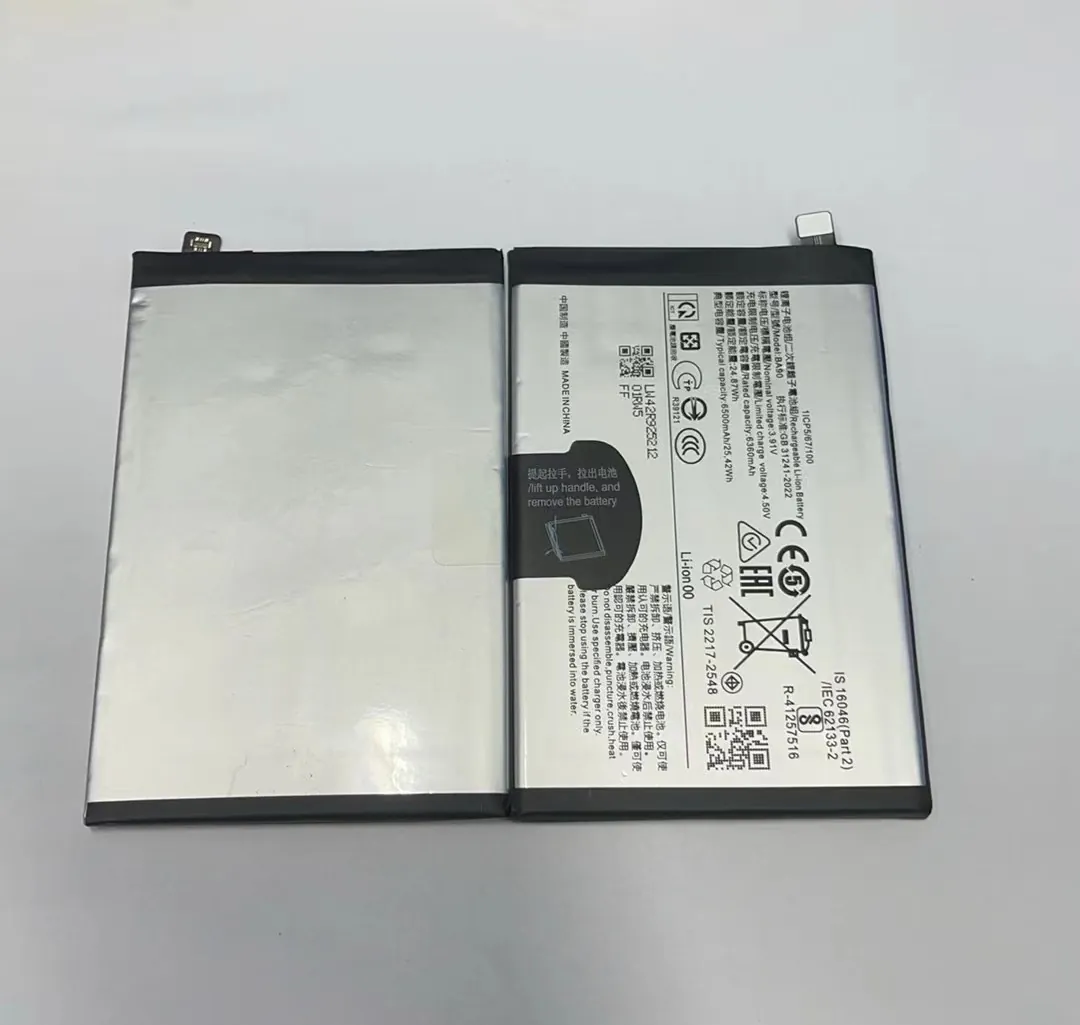
What determines battery lifespan
Battery lifespan means how long the battery stays healthy before it loses much of its capacity. The main factors include:
- Chemistry and quality of the cells
- Number of charge cycles
- Operating temperature
- Charging habits
- Software power management
A battery that goes through more charge cycles will lose capacity faster. Batteries also age with time even if unused.
Typical cycle life for modern cells
Most modern lithium‑ion and Li‑Po batteries in phones are designed to last between 300 and 800 full charge cycles before they hold significantly less capacity (often defined as 80% of original). This is a guideline and varies by model and usage.
| Phone Battery Feature | Effect on Lifespan |
|---|---|
| Larger capacity | May age slower in daily use |
| Better cooling | Can extend life |
| Efficient software | Reduces drain and cycles |
| Optimized charging | Reduces stress on cells |
Does Li‑Po last longer than Li‑ion?
Li‑Po may have a slight edge in safety and form factor, but lifespan in years is similar when designed well. The key to longer life is how the battery is cycled and how the phone manages thermal and charging states.
Usage vs battery type
Even the best battery type cannot save a battery if the usage is heavy:
- Constant gaming
- High brightness
- Fast charging all the time
- High temperature
These factors make the battery age faster no matter the type.
What safety features do modern phone batteries include?
Safety is critical for batteries. Early lithium batteries had risks if they overheated or were damaged. Modern phones include many safety features in both hardware and software to protect the battery and user.
Modern phone batteries include multiple safety systems to prevent overheating, overcharging, short circuits, and physical damage. These systems keep the battery stable under many conditions.
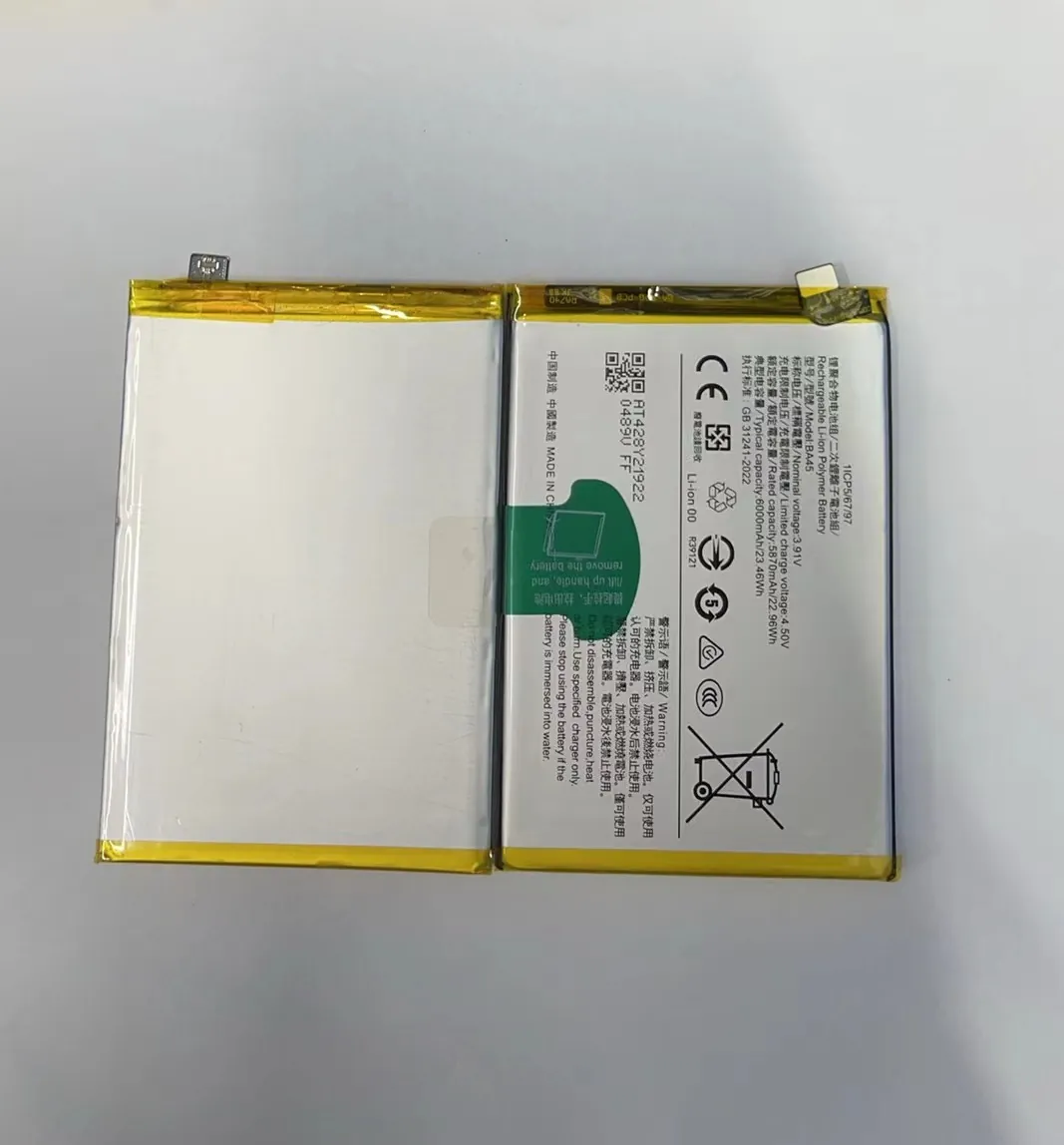
Hardware safety features
Phone batteries include built‑in hardware protections:
-
Protection circuits
Small circuit boards inside the battery monitor voltage and current. They stop charging if values go outside safe limits. -
Thermal sensors
Sensors measure temperature and stop charging if it gets too high. -
Pressure vents
In rare cases of extreme stress, vents release pressure to prevent rupture. -
Separator materials
Layers inside the battery keep the electrodes apart. Better separators reduce short‑circuit risk.
Software safety features
Phones use software to protect the battery too:
- Charge rate control — Slows charging when hot
- Optimized charging — Stops at 80% until needed
- Battery saver modes — Reduce power draw when low
- Background activity limits — Prevents apps from draining battery quickly
These software features work with hardware sensors to keep the battery safe and lasting longer.
Charging safety
Charging systems now include protections:
| Protection Type | What It Does |
|---|---|
| Over‑current protection | Prevents too much current |
| Over‑voltage protection | Stops charging if voltage is high |
| Temperature cut‑off | Stops if it gets too hot |
| Cable/adapter detection | Ensures safe power delivery |
These systems help prevent damage from fast chargers or low‑quality cables.
Case and accessory safety
Modern phones also detect unsafe accessories. If a cable or charger is not certified or has a fault, the phone may refuse to charge or limit power. This helps protect the battery and phone.
Regulatory and testing standards
Phone batteries must pass safety tests before they are sold. These tests check for:
- Short circuit resistance
- Overcharge resistance
- Heat tolerance
- Mechanical stress
Meeting these standards helps ensure phones are safe in real‑world conditions.
Real world safety practices
Good habits also help safety:
- Use original or certified chargers
- Avoid exposing phone to extreme heat
- Don’t bend or damage the battery pack
- Replace battery only with quality parts
These habits reduce risks and keep the battery working well.
Conclusion
Mobile phones use mainly lithium‑ion batteries, including lithium‑polymer variants. Li‑ion technology offers high energy and light weight, while Li‑Po adds design flexibility. Lifespan depends more on cycles, temperature, and usage than the type alone. Modern phones include strong safety features to protect the battery and user. Choosing phones with good power management and following safe habits helps batteries last longer in daily life and over years.
