
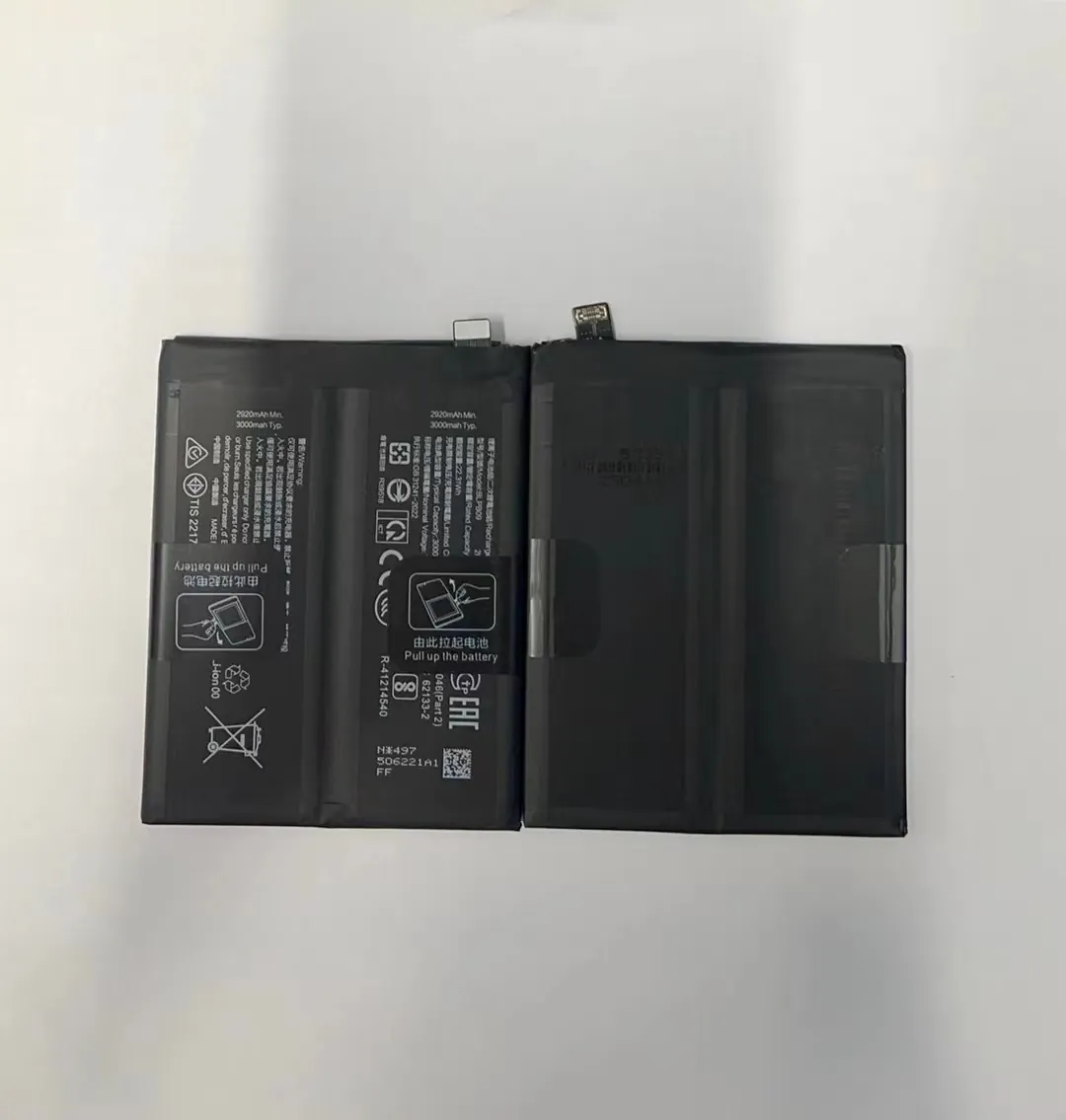
Smartphone users often worry about battery life or swelling batteries. Many wonder which battery type sits inside their phone. This article clarifies common battery types and why some are used more than others.
Most smartphones use lithium‑based batteries today. These batteries give high energy density and stable performance, making them ideal for phones.
Keep reading to learn why lithium cells dominate and why other types faded away.
What is the most common battery type in smartphones?
Smartphone users care a lot about battery life and safety. Many wonder which battery type gives the best balance of power and reliability.
The most common battery type in smartphones today is lithium‑ion, often in lithium‑polymer form. Most phones use these batteries because they store a lot of energy and stay light.
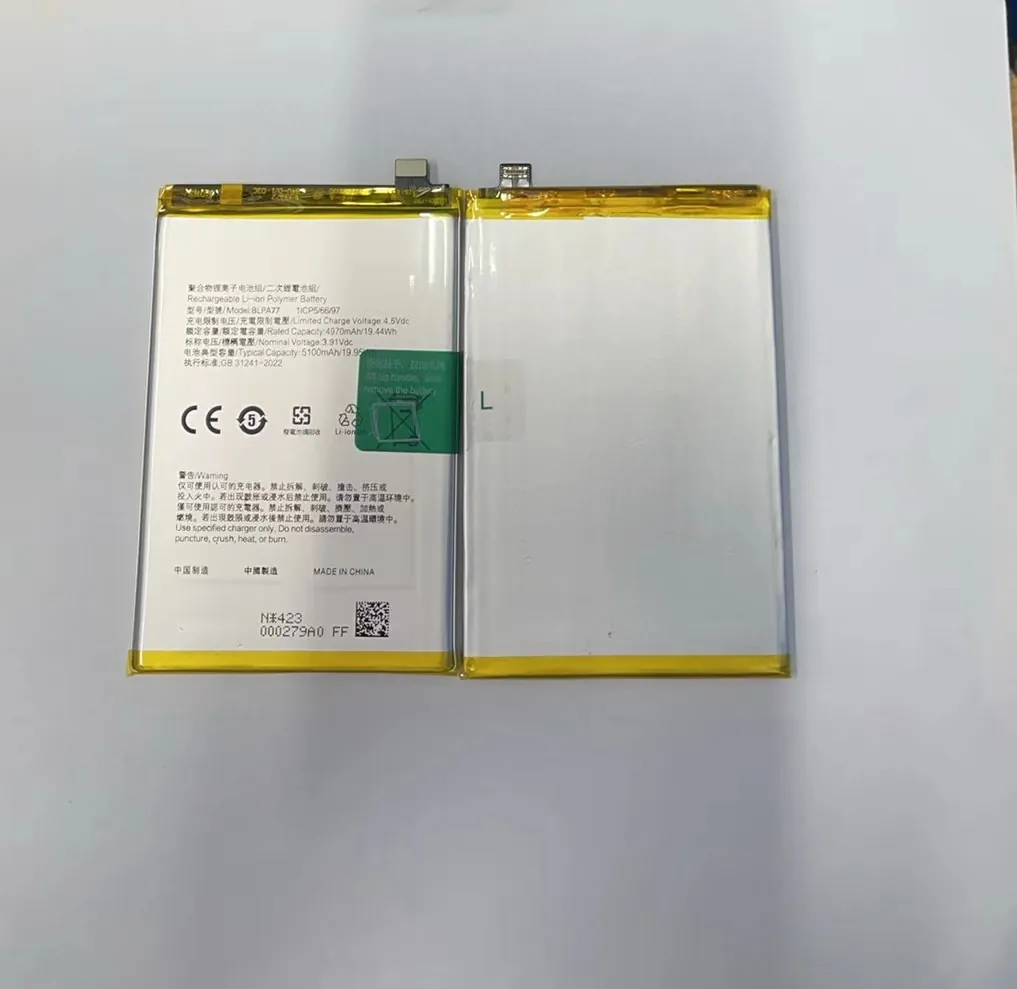
Battery makers chose lithium‑ion (Li‑ion) and lithium‑polymer (Li‑Po) because they meet phone needs better than older tech. Compared to older nickel‑based batteries, lithium types hold more energy per weight. They also deliver stable voltage until drained. They recharge hundreds of times with less capacity loss.
Over a decade ago, phone manufacturers moved away from older battery types. Early phones used older battery chemistry. Those older types were heavier, bulkier, and held less energy. With the shift to touchscreen smartphones, energy demands rose. Designers needed thin, light, high‑capacity batteries. Li‑ion and Li‑Po fit those requirements.
Phones use these batteries in slim shells. Lithium‑ion batteries use a liquid or gel polymer inside. Lithium‑polymer uses a semi‑solid polymer electrolyte, so the battery can be thinner. This helps phones stay sleek and light. Manufacturers like this flexibility.
Also, lithium‑based batteries recharge faster than older types. They deliver power efficiently. That matters when people use data, video, apps many hours. They also supply stable power even under heavy load. That is why nearly all modern smartphones — from basic phones to flagship models — use lithium‑ion or lithium‑polymer batteries.
How do lithium-ion and lithium-polymer batteries differ?
Battery choice affects phone weight, shape, and safety. Some people wonder if lithium‑ion and lithium‑polymer cells behave differently.
Lithium‑ion and lithium‑polymer both use lithium chemistry. The main difference is electrolyte form and shape: lithium‑po batteries use a solid or gel polymer, making them thinner and lighter, while lithium‑ion use liquid electrolyte and are usually more rigid.

When comparing Li‑ion and Li‑Po, shape and flexibility matter. Li‑ion has liquid electrolyte. That means the battery stays rigid. It gives stable internal structure. It remains simple to manufacture. That lowers cost.
Li‑Po uses a polymer electrolyte. That allows flexibility in shape. The battery can be flat, thin, or curved. Companies like curved or ultra‑slim phones use Li‑Po. Polymer cells also can be lighter. That helps phones stay slim and easy to hold.
Pros and cons of each
| Type | Strengths | Weaknesses |
|---|---|---|
| Lithium‑ion | Stable performance, lower cost, proven tech | Less flexible shape, rigid shell |
| Lithium‑polymer | Slim form, light, shape flexible | Slightly higher cost, subtle capacity loss over time if deeply discharged |
Li‑ion cells handle more charge cycles overall. They are good when battery size and shape are not strict. Li‑Po works best when thinness or design demands matter.
Also internal chemistry is similar. Both use lithium ions moving between electrodes. Voltage per cell is almost the same. So the user experience is quite similar: both deliver stable voltage and long runtime. The difference lies mostly in how the battery is built and shaped.
Phones with Li‑Po batteries often run cooler. They also allow more creative internal layout inside the phone body. That means designers can add larger screens or more internal parts. On other hand, Li‑ion batteries sometimes deliver slightly more capacity per dollar. That makes them common in budget or mid-range phones.
Why are NiMH batteries not used in phones today?
Old‑fashioned rechargeable batteries like NiMH once powered many gadgets. But modern phones no longer use them. Why?
NiMH batteries used nickel‑metal hydride chemistry. They are heavier, bulkier and store less energy than lithium batteries. For modern phones that demand high energy and slim design, NiMH no longer fits.

NiMH batteries have metal hydride and nickel oxyhydroxide inside. That means they need a rigid casing. Because of that they are thick and heavy. Also their energy density (energy per unit mass) is far lower than lithium‑based cells.
Modern smartphones need high energy. The screens, radios, processors, cameras all draw power. To make a phone light and thin, battery chemistry needs to pack more energy in less volume. NiMH cannot do that. Even for small phones, battery would be bulkier, heavy.
Also NiMH cells suffer from self‑discharge. If a phone sits unused for a day, a significant portion of charge leaks away. That is bad for phone users who expect battery to last for days or hours without discharge.
Another problem: charging behavior. NiMH batteries handle many cycles but degrade faster under deep discharge and heavy use. Frequent full charges and full discharges shorten lifespan. Modern phone users often charge daily. That stresses NiMH more.
Older phones that used NiMH or NiCd (cadmium) suffered from short runtime and bulky bodies. As smartphone screens grew bigger, processors got powerful, battery demand increased. That forced makers to abandon NiMH.
Also NiMH is less safe. Under high load or heat, metal hydride cells heat faster. They are more sensitive to charging conditions. Li‑ion batteries also need care. But NiMH safety for thin phones is harder to guarantee.
Because of these factors — lower energy density, heavier weight, bigger size, poorer recharge behavior and self‑discharge — NiMH batteries lost to lithium tech. NiMH finds use only in low‑power devices or legacy gadgets, not in modern smartphones.
Which battery types are considered safest for mobiles?
Many people worry about battery overheating or swelling. They ask which battery types are safest for smartphones.
Lithium‑ion and lithium‑polymer are considered safest among high‑capacity batteries for mobiles, when they are built and managed correctly. The safety also depends on battery quality and proper management circuits.

Safety of a mobile battery depends on many factors: chemical stability, casing, internal protection, and charging management. Lithium cells use protective circuits inside phone hardware. These circuits stop over‑charge, over‑discharge, and over‑heat. Good battery build and smart charging protect users.
Why lithium is relatively safe
- Both Li‑ion and Li‑Po have stable chemistry when not abused.
- Phone makers design them to operate within safe voltage and temperature ranges.
- Protection circuits monitor current, temperature, and voltage. They cut power if something goes wrong.
Things that affect battery safety
| Risk factor | What could go wrong | How proper design prevents it |
|---|---|---|
| Over‑charging | Battery overheating, swelling | Charger/controller cuts charge when full |
| Over‑discharge | Battery damage, capacity loss | Protection stops discharge below safe voltage |
| Physical damage (crash) | Internal short‑circuit, fire risk | Casing + separators + rigid shell |
| High temperature | Chemical breakdown, gas output | Thermal sensors + safer chemistry |
Phones that use certified high‑quality Li‑ion or Li‑Po batteries generally keep users safe. Cheap, poorly made batteries carry greater risk. Cheap batteries might lack good protection circuits or use low‑grade materials. Those can overheat, swell, or cause damage.
What makes a “safe battery”
- Reliable build with proper separators and casing
- Built‑in protection circuits
- Good quality control during manufacturing
- Compatible charger and controller electronics
- Avoiding extreme temperatures, over‑charging or heavy physical stress
Because of these design factors, modern lithium batteries are much safer than older types like NiMH or NiCd when used properly.
Conclusion
Modern smartphones mostly use lithium‑ion or lithium‑polymer batteries. These types give high energy, light weight, and safety when built well. Older types like NiMH can’t meet modern demands. Safe battery use depends on quality and proper charging.
