
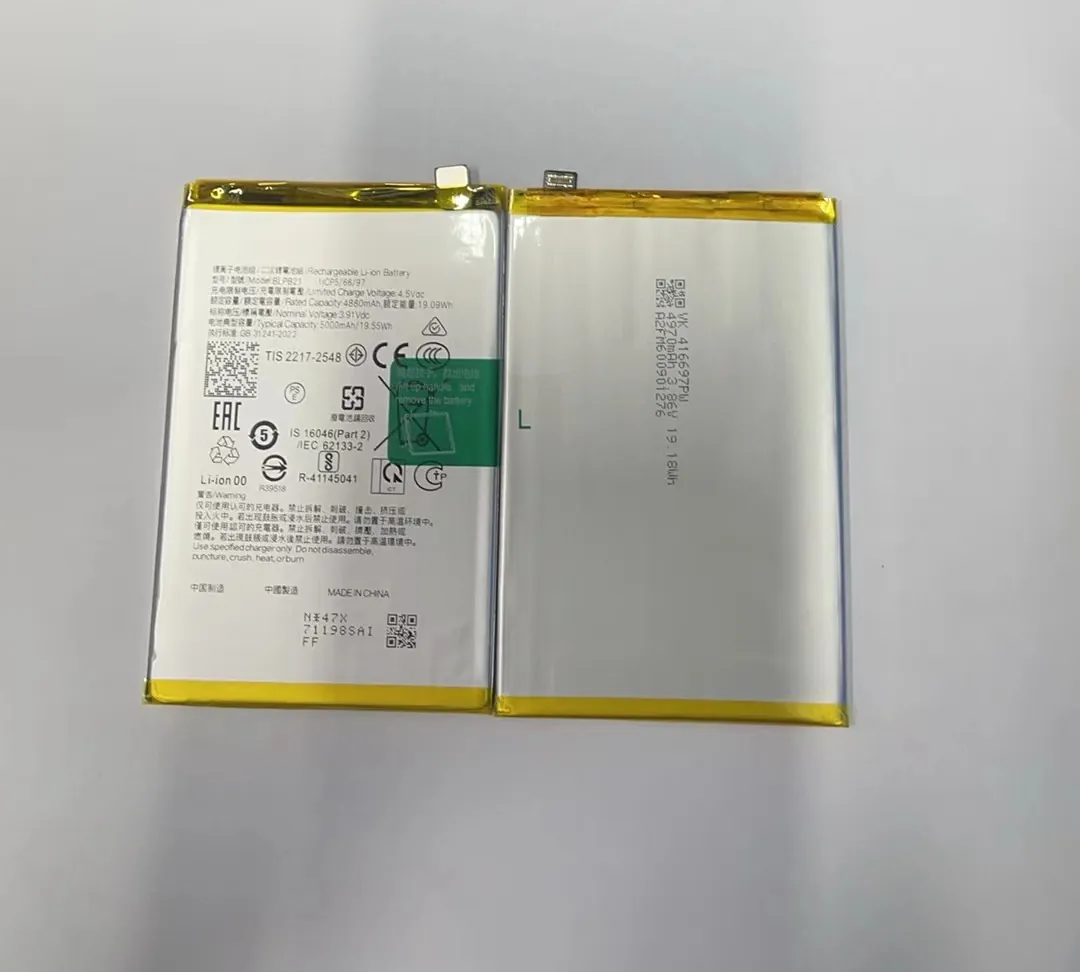
When phone batteries drain too fast or fail to charge, many users wonder what kind of battery is inside their devices. But most don’t know the real differences between the types.
Modern mobile phones almost all use lithium-ion or lithium polymer batteries because of their lightweight design, high energy density, and rechargeability.
Understanding battery types helps not only in choosing the right replacement but also in sourcing quality batteries for repairs or bulk purchase.
Why lithium-ion is industry standard?
There are many battery chemistries out there, but phone manufacturers all agree on one type—lithium-ion. Why?
Lithium-ion batteries offer the best mix of size, weight, energy capacity, and cost for mobile devices. That’s why they are used in nearly every smartphone.
History and Dominance of Li-ion
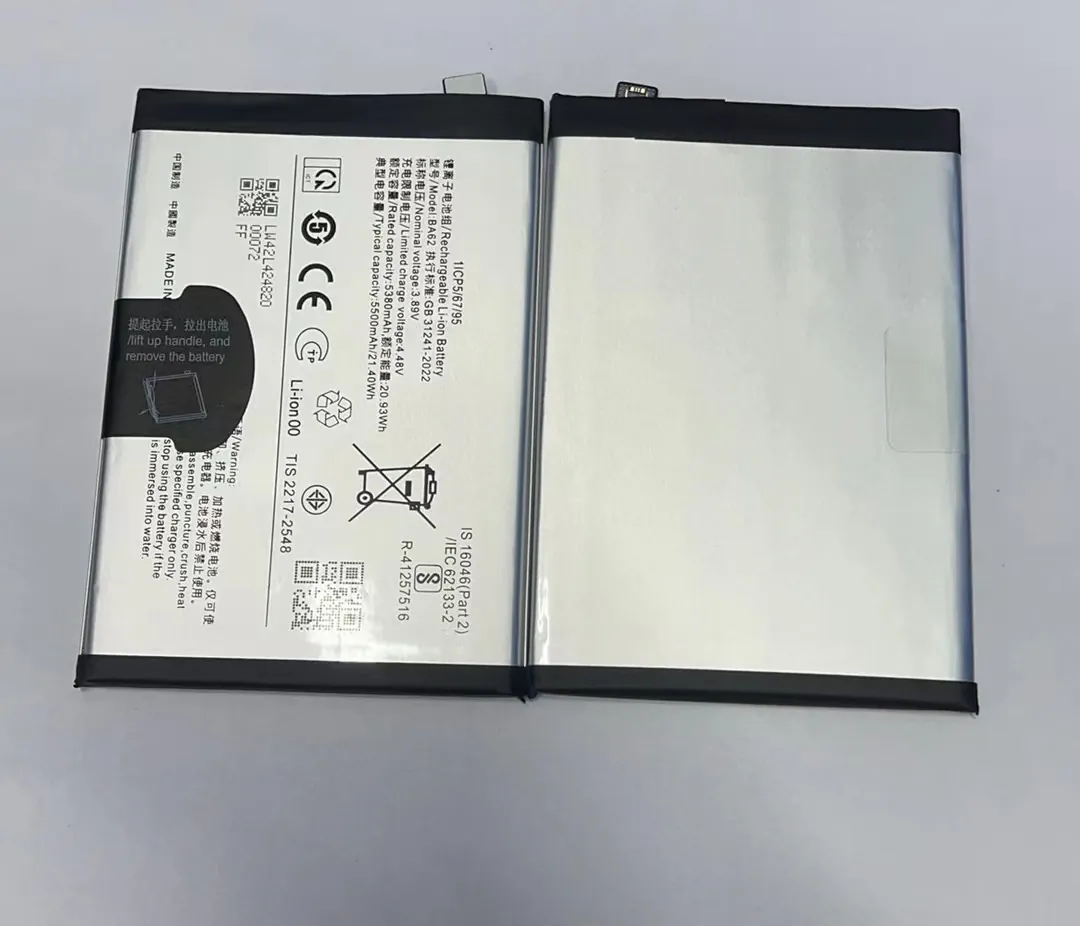
Lithium-ion batteries were first commercialized in the early 1990s. They quickly became the go-to choice for portable electronics. For phones, this battery type replaced older nickel-based options like NiMH and NiCd.
What Makes Li-ion Special?
| Feature | Reason It's Ideal for Phones |
|---|---|
| High energy density | More power in a small space |
| Low self-discharge | Keeps charge when not used |
| No memory effect | Doesn’t need full discharges |
| Lightweight | Easy to carry, good for slim phones |
| Rechargeable | Supports hundreds of charge cycles |
These batteries can pack a lot of energy into slim spaces. That makes it possible to have phones that are both thin and powerful.
Limitations of Li-ion
While lithium-ion is the standard, it’s not perfect. It ages over time, is sensitive to high temperatures, and can swell or fail if overcharged. That’s why modern phones have built-in battery management systems (BMS) to protect them.
How do LiPo batteries differ?
Most people think lithium-ion and lithium polymer (LiPo) are the same. But they have key differences in structure and use.
LiPo batteries use a gel-like or solid polymer electrolyte instead of liquid, allowing more flexible shapes and better safety in compact designs.
Construction Differences
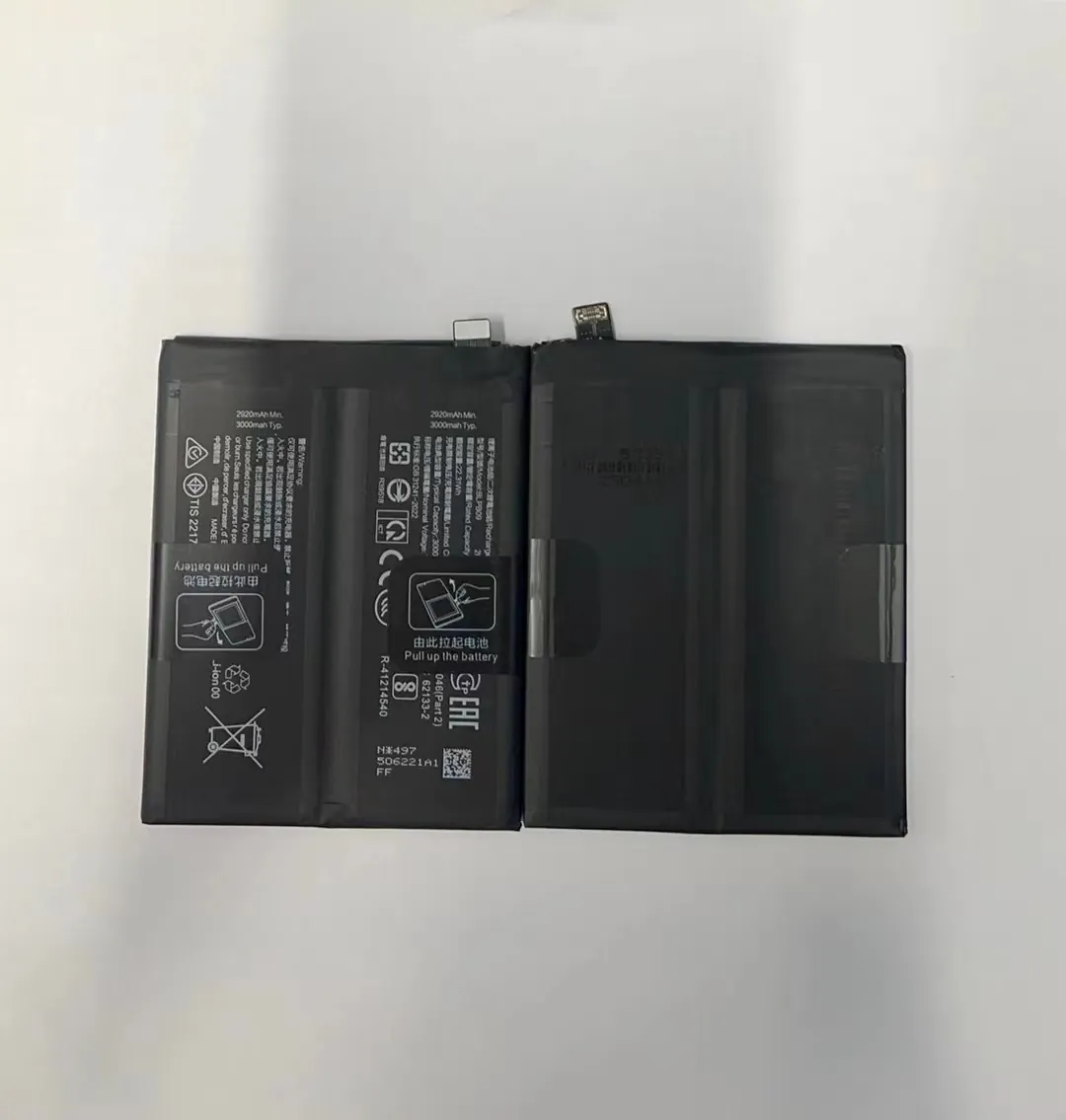
The main technical difference lies in the electrolyte:
- Li-ion: Uses a liquid electrolyte and a metal casing.
- LiPo: Uses a solid or gel polymer electrolyte and a soft pouch casing.
This gives LiPo an advantage in terms of weight and shape flexibility. But it also makes them more fragile and slightly more expensive.
Where LiPo Is Used
Some phones, tablets, and especially drones or wearables use LiPo batteries. Their pouch-style design fits better into slim or oddly shaped compartments.
Comparison Table
| Feature | Lithium-ion (Li-ion) | Lithium Polymer (LiPo) |
|---|---|---|
| Electrolyte type | Liquid | Gel or solid polymer |
| Casing | Hard metal shell | Soft flexible pouch |
| Energy density | Slightly higher | Slightly lower |
| Shape flexibility | Low | High |
| Cost | Lower | Higher |
| Safety | Good with BMS | Better under pressure |
So LiPo batteries may be used where space, weight, or shape are critical, but they aren’t always better in terms of raw power.
Which types offer higher density?
Battery energy density determines how long your phone lasts before needing a recharge. Higher density means more usage time in the same space.
Among current mobile battery types, lithium-ion offers slightly higher energy density than lithium polymer, which means longer runtime for the same volume.
Energy Density Basics
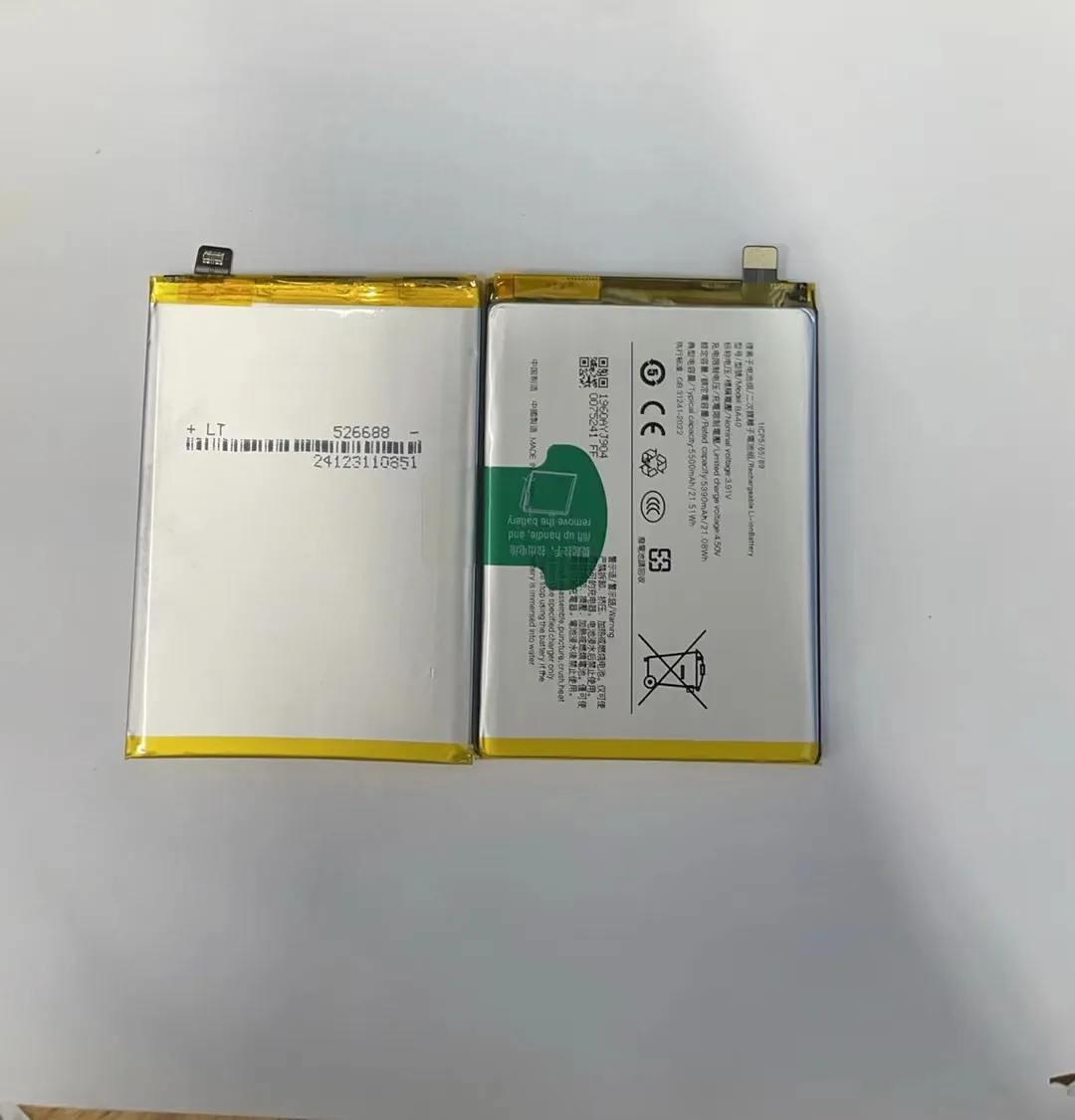
Energy density is measured in Wh/kg or mAh/g. The more energy stored per gram, the better for portable devices.
Why Density Matters
Smartphones get more powerful each year. Screens grow larger, processors run faster, and apps demand more power. Higher energy density batteries allow manufacturers to meet this demand without making phones bigger.
Comparison of Densities
| Battery Type | Energy Density (approx.) |
|---|---|
| Li-ion | 150–250 Wh/kg |
| LiPo | 130–200 Wh/kg |
| NiMH | 60–120 Wh/kg |
| NiCd | 40–60 Wh/kg |
Trade-offs Involved
Li-ion wins in raw energy per weight. But LiPo offers better shape flexibility, which can be used creatively by designers to pack batteries into corners and curves.
Some new tech like solid-state lithium batteries promises even higher density, but it’s not yet common in phones.
What benefits each type provides?
Every battery type has pros and cons. The “best” battery depends on what the device needs—longer runtime, smaller size, or better safety.
Lithium-ion batteries provide high capacity and good cost-performance. Lithium polymer adds flexibility and lighter build. Older types like NiMH and NiCd are no longer used in phones.
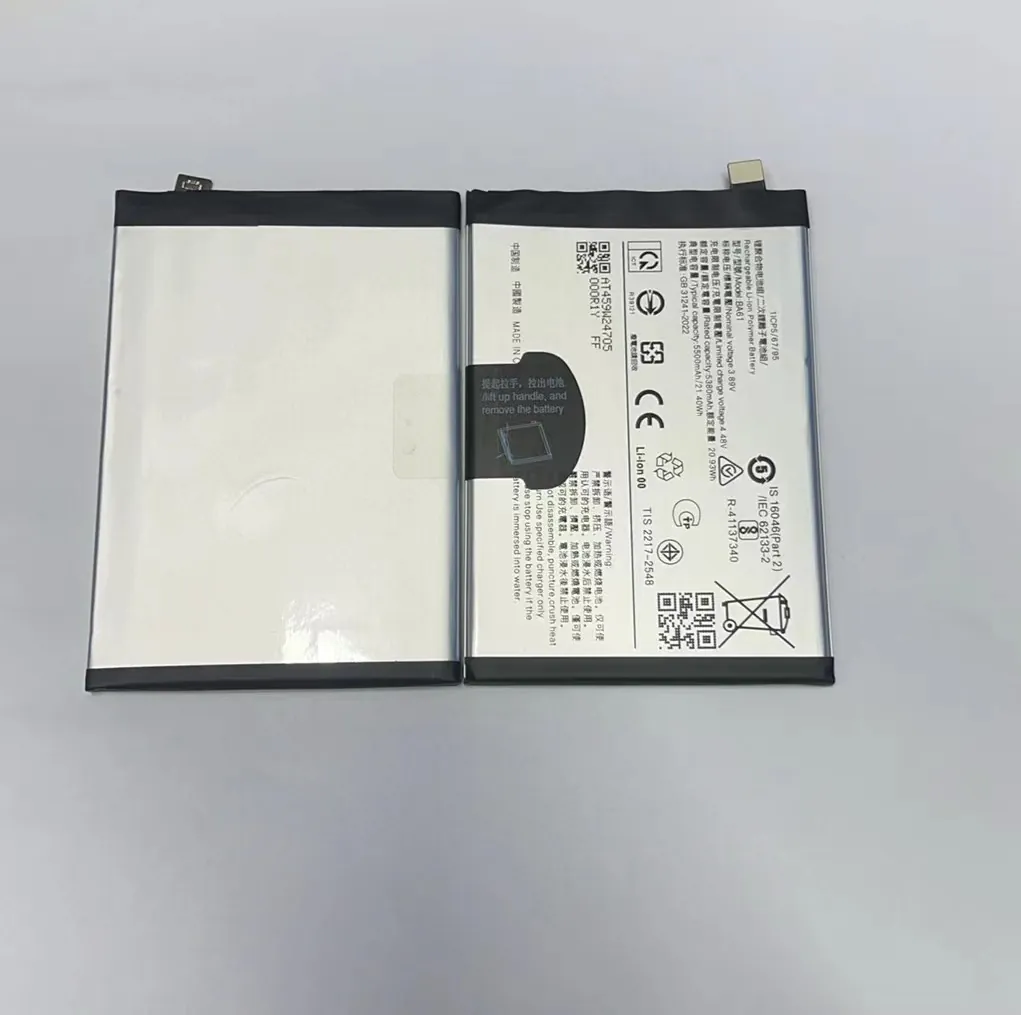
Lithium-Ion (Li-ion)
- Best for general mobile use
- Great capacity and efficiency
- Inexpensive and reliable
- Common in nearly all modern smartphones
Lithium Polymer (LiPo)
- Flexible shapes, better fit in thin designs
- Safer under physical stress
- Used in premium devices, wearables, and drones
Other Types (Rarely in Phones Now)
| Battery Type | Pros | Cons |
|---|---|---|
| NiMH | Recyclable, low cost | Heavy, low energy, memory effect |
| NiCd | Strong under load | Toxic metals, very low energy |
| Lead-acid | Cheap and powerful for size | Way too heavy for phones |
Use Cases for Each
| Use Case | Best Battery Type |
|---|---|
| Standard smartphones | Lithium-ion |
| Foldable phones | Lithium polymer |
| Fitness trackers / wearables | Lithium polymer |
| Power-hungry tablets | Lithium-ion |
| Legacy or budget devices | Lithium-ion |
Each type finds its place in specific devices. That’s why even though Li-ion is standard, LiPo still exists in specialized designs.
Conclusion
Most phones today use lithium-ion batteries due to their high energy density, cost-effectiveness, and reliability. Lithium polymer is used where weight and shape are more critical. Understanding the differences helps when replacing batteries or sourcing them in bulk.
