
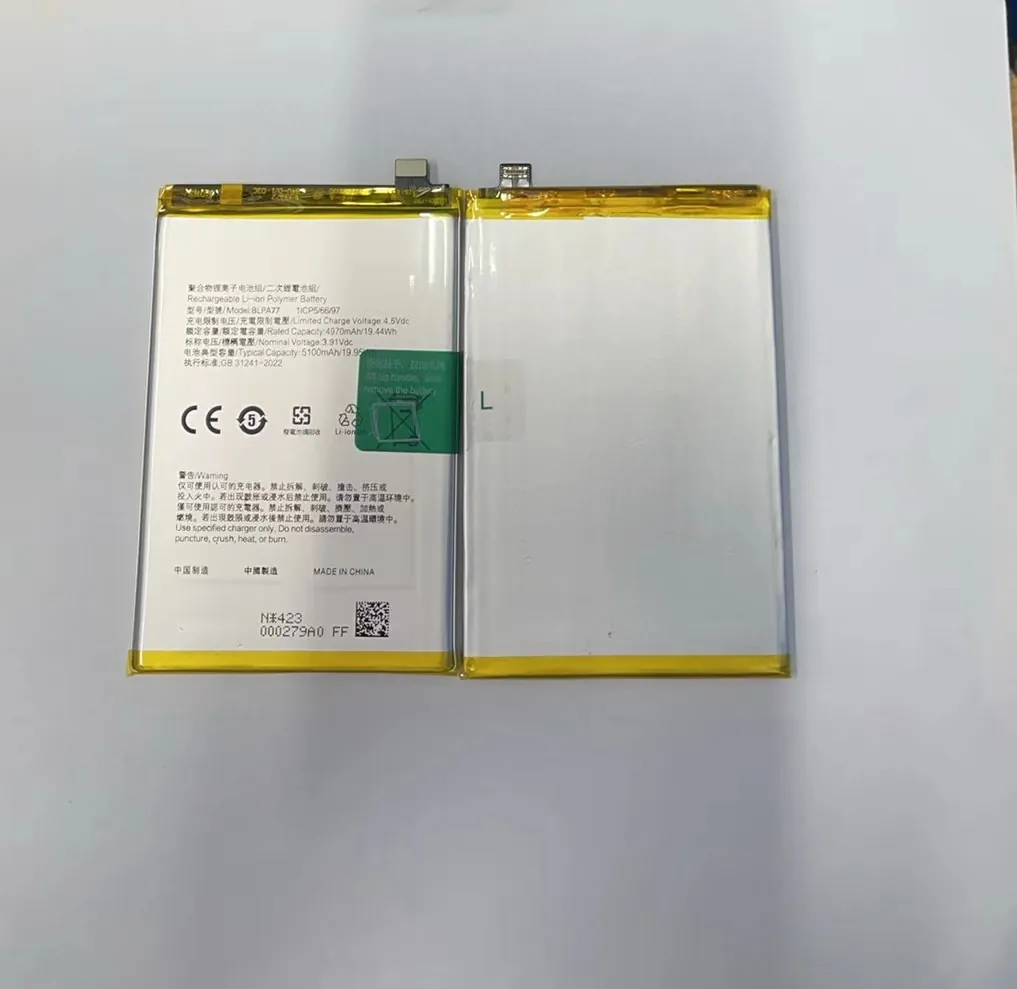
Today’s mobile phones demand power sources that are compact, lightweight, and long-lasting. But not all batteries are made the same — and that’s where things get interesting.
The most common type of battery used in mobile phones today is the lithium-ion (Li-ion) battery, followed by lithium-polymer (LiPo), known for their balance of power, weight, and performance.
Battery tech continues to evolve to match the growing demands of modern smartphones. From the early days of bulky NiMH batteries to today's sleek LiPo units, the change is clear — and essential.
Why are lithium-polymer batteries gaining popularity?
More users expect fast charging, longer lifespan, and safe performance. Lithium-polymer batteries are catching attention because they offer all three, with a slim profile that fits modern designs.
Lithium-polymer batteries are gaining popularity due to their lightweight structure, flexible shapes, and enhanced safety features, making them ideal for today’s thin and powerful smartphones.
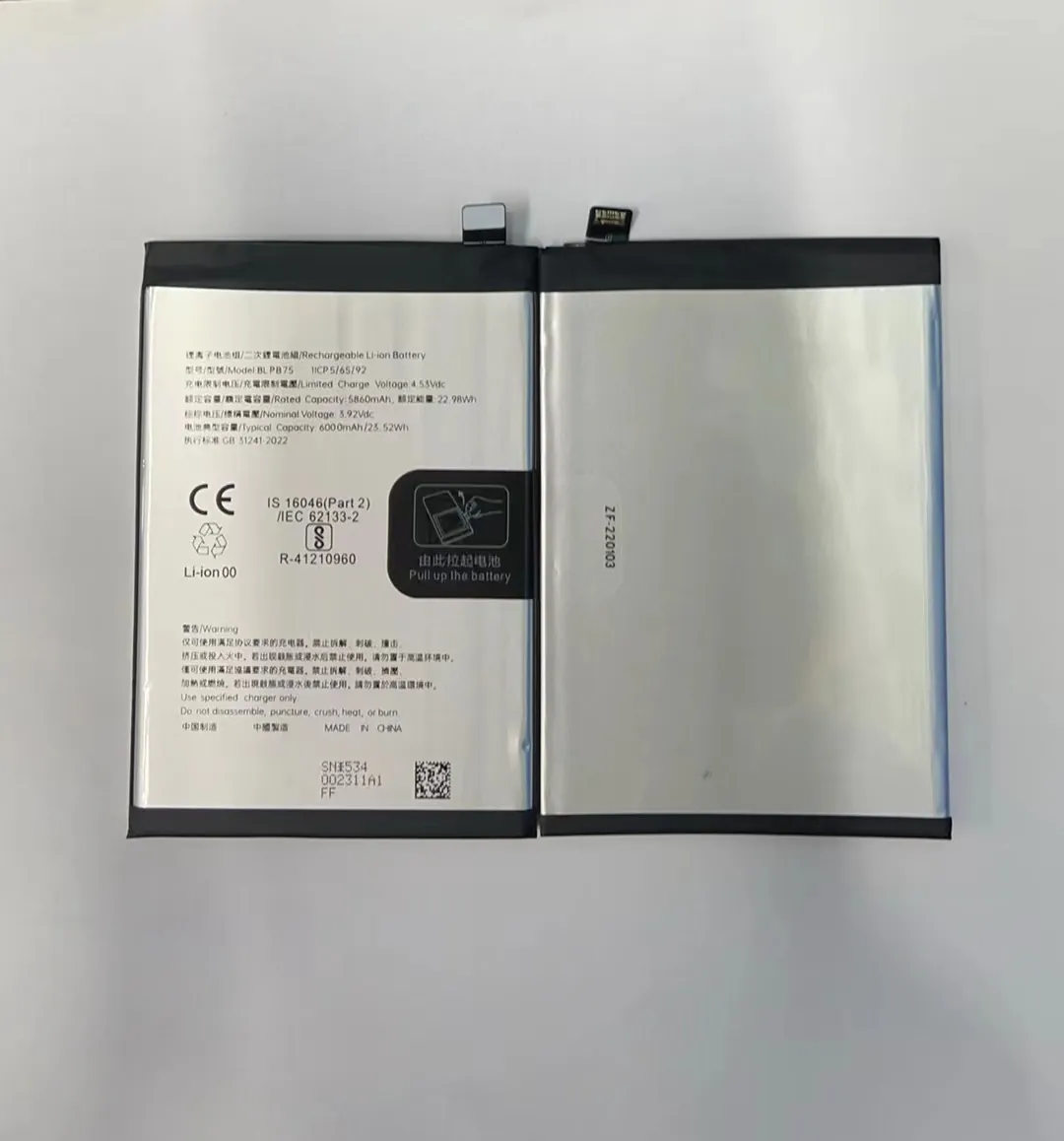
Lithium-polymer (LiPo) batteries are a newer type of lithium battery. Compared to traditional lithium-ion batteries, they are made using a solid or gel-like polymer electrolyte instead of a liquid one. This gives them several advantages.
Benefits of Lithium-Polymer Batteries
| Feature | Lithium-Polymer (LiPo) | Lithium-Ion (Li-ion) |
|---|---|---|
| Weight | Lighter | Slightly heavier |
| Shape Flexibility | High — can be molded | Low — rigid rectangular/square cells |
| Energy Density | Slightly lower | High |
| Safety | More stable under stress | Risk of swelling or fire |
| Cost | Slightly higher | Lower |
LiPo batteries are used in many high-end phones and devices that require special designs. For example, curved screen phones or ultra-slim models may rely on LiPo to make sure the battery fits perfectly.
Another reason for their popularity is safety. LiPo batteries are less likely to leak or explode, thanks to their solid or gel-like composition. This helps manufacturers meet stricter safety standards, especially in regions like the EU.
Finally, LiPo batteries charge fast and work well under different temperatures. Users who multitask or play games on their phones will notice better battery performance and less overheating.
Do older phones use different battery types?
Before smartphones became powerful, compact, and fast-charging, they used simpler batteries. These older batteries had more limitations in weight, charging time, and capacity.
Yes, older phones used different battery types such as Nickel-Metal Hydride (NiMH) and Nickel-Cadmium (NiCd), which are now mostly obsolete due to their lower performance and heavier weight.
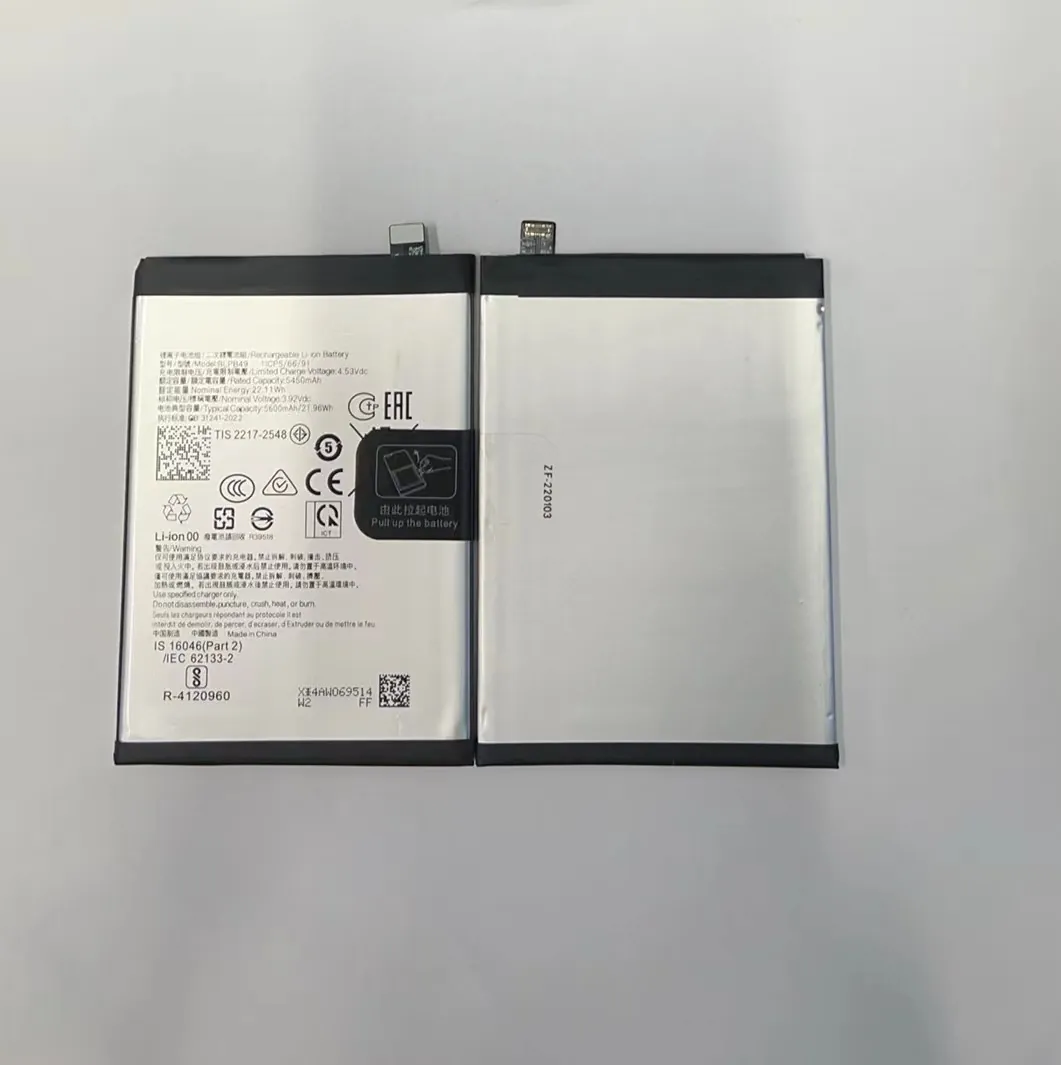
Phones from the late 90s and early 2000s often used NiMH or NiCd batteries. These battery types were bulkier and heavier. They also charged slowly and didn’t last long between charges. In fact, many users had to charge their phones daily — even if they didn’t use them much.
Evolution of Battery Types
| Battery Type | Time Period | Common in | Limitations |
|---|---|---|---|
| NiCd | 1980s–90s | Early mobile phones | Memory effect, heavy, toxic |
| NiMH | 1990s–2005 | Feature phones | Slower charge, less capacity |
| Li-ion | 2000s–now | Smartphones | Risk of swelling, higher energy |
| LiPo | 2015–now | Flagship smartphones | Higher cost, safer, lighter |
NiCd batteries suffered from what’s known as the “memory effect.” If you didn’t discharge them fully before recharging, they would remember a smaller capacity. Over time, this reduced their performance.
NiMH improved this problem, but they were still not ideal for high-energy smartphones. When Li-ion became available, it quickly replaced older chemistries.
Today, you rarely find NiMH or NiCd batteries in any new mobile devices. Some cheap phones in developing markets may still use older tech, but even those are shifting toward Li-ion.
What makes Li-ion better than NiMH?
Smartphones today are like mini-computers. They need batteries that can support apps, cameras, and background tasks. That’s something NiMH batteries simply can’t handle anymore.
Li-ion batteries are better than NiMH because they offer higher energy density, faster charging, longer life, and no memory effect, which makes them perfect for modern smartphones.

When comparing lithium-ion to nickel-metal hydride, the differences are easy to see. Li-ion batteries are lighter and can store more energy in the same amount of space. That means thinner phones with longer battery life.
Key Advantages of Li-ion Over NiMH
- Energy Density: Li-ion batteries hold about twice the energy of a NiMH battery of the same size.
- Weight: Li-ion is significantly lighter, important for modern thin designs.
- Charging Time: Li-ion charges much faster, especially with technologies like fast-charging or USB-C.
- No Memory Effect: You can charge a Li-ion battery at any level. It doesn’t “forget” its capacity.
- Longer Lifespan: They typically last 500-1000 full charge cycles.
Use Case Comparison
| Feature | NiMH Battery | Li-ion Battery |
|---|---|---|
| Used In | Early mobile phones, toys | Smartphones, laptops, tablets |
| Charge Cycles | ~300 | ~1000 |
| Memory Effect | Yes | No |
| Maintenance Required | Yes (full discharges) | No |
| Efficiency | Moderate | High |
In smartphones, every gram and every millimeter matter. Li-ion batteries allow manufacturers to offer thinner devices with bigger screens and longer battery life. That’s why NiMH is no longer a choice for modern phone makers.
Are eco-friendly phone batteries available?
Consumers today are more environmentally aware. They ask where batteries come from and how they affect the planet after use. But not every battery is eco-friendly.
Eco-friendly phone batteries are emerging, often made with recyclable materials or using sustainable manufacturing methods, though they are still limited in availability and performance.
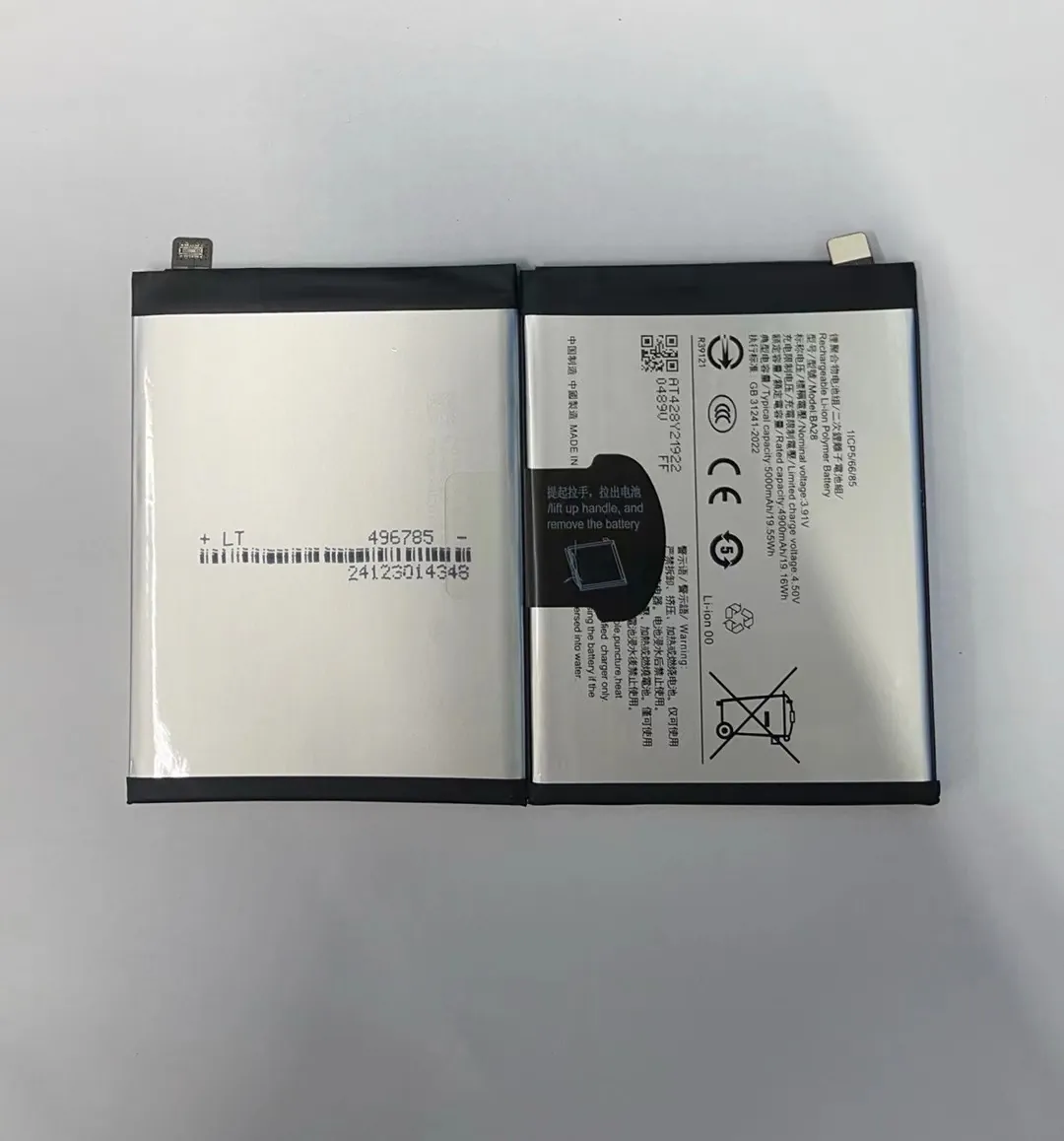
While traditional lithium-ion batteries are efficient, their production can harm the environment. Mining lithium, cobalt, and nickel takes a toll on local ecosystems and uses a lot of water and energy.
Eco-Friendly Efforts in Battery Tech
Several startups and big tech companies are working on greener battery options. Some use solid-state technology, others focus on recycled materials. A few key ideas include:
- Recycled Components: Using old batteries to extract useful materials for new ones.
- Solid-State Batteries: These avoid flammable liquids and are easier to recycle.
- Alternative Materials: Replacing cobalt and nickel with more abundant elements like iron or sodium.
For now, these eco-options are in early stages. But a few phone brands have already started using recycled metals in their batteries.
Challenges to Eco-Friendly Adoption
| Challenge | Description |
|---|---|
| Cost | Sustainable materials are more expensive |
| Scale | Hard to produce in large volumes |
| Performance | May not match Li-ion in energy or size |
| Infrastructure | Limited recycling facilities for phone batteries |
Despite these challenges, the push toward greener batteries is growing. Companies are responding to customer demand for better environmental practices. With time, eco-friendly batteries may become the standard.
Conclusion
Mobile phones have evolved, and so have their batteries. From heavy NiMH to flexible LiPo, each generation has brought improvements. Lithium-based batteries now dominate for good reason — they are lighter, charge faster, and last longer.
