
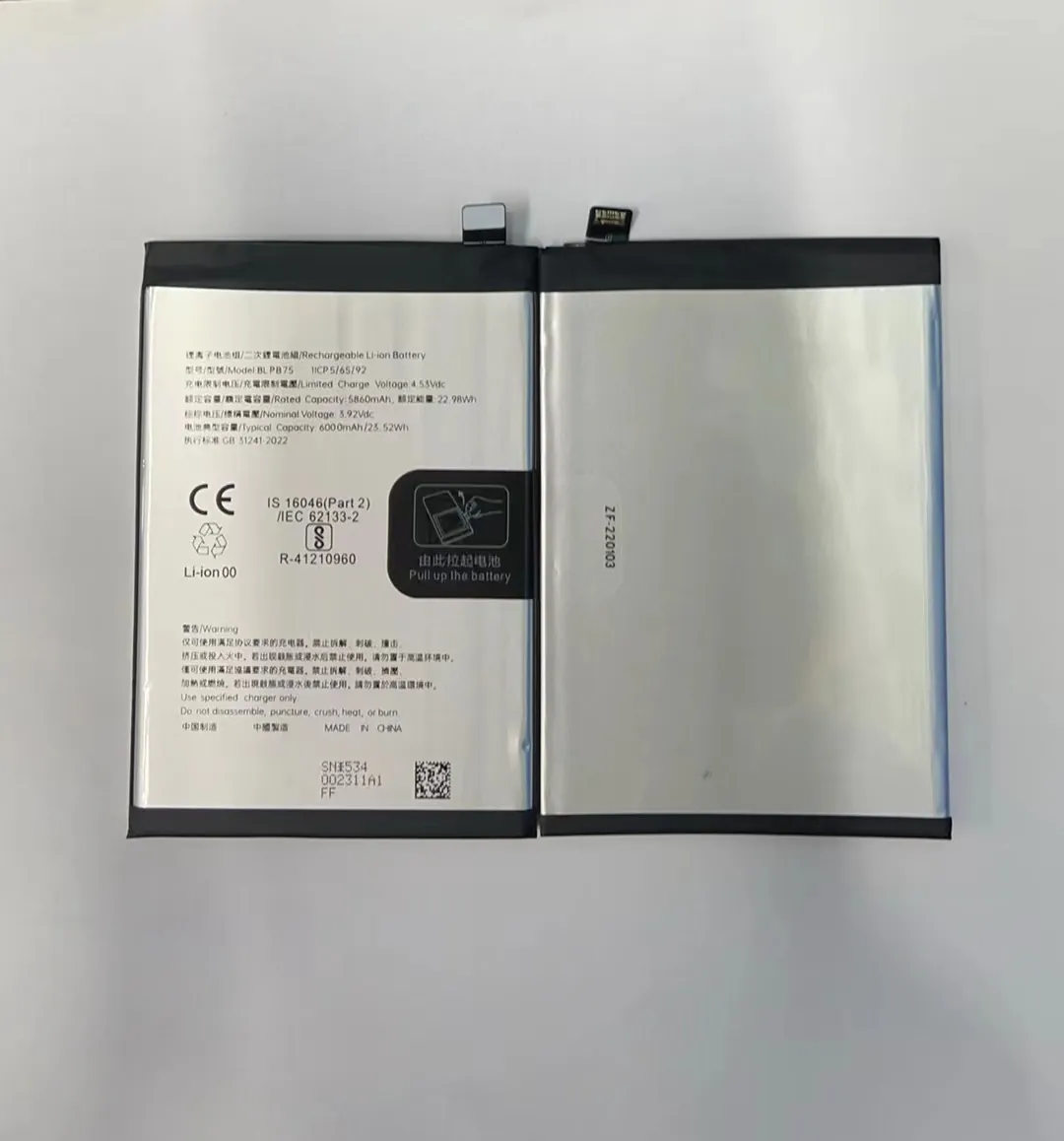
Most people buy a new phone and expect the battery to last all day. But over time, the battery life drops fast, often much sooner than expected.
The average battery life of a mobile phone is around 2 to 3 years or 500 full charge cycles, depending on usage and battery quality.
Even though the number looks clear, the real situation is more complex. Phone model, battery type, user habits, and even weather affect how long a battery lasts.
How long does a new phone battery typically last?
Many users feel disappointed when their phone battery life drops within a year. They think something is wrong. But the truth is, it's normal.
A new phone battery usually lasts between 8 to 12 hours of screen time per day, and holds this performance well for about 1 to 2 years.

Most smartphones today use lithium-ion batteries. These batteries offer fast charging, high energy density, and a long usable life. But they slowly lose capacity over time. You may not notice it at first. But after about 12 months, the screen-on time starts to fall.
Battery performance in the first year
In the first few months, most phones give peak performance. Here's what you can expect:
| Usage Type | Daily Screen Time | Charge Needed Per Day |
|---|---|---|
| Light User | 3–4 hours | Once every 2 days |
| Average User | 5–7 hours | Once per day |
| Heavy User | 8–10 hours | 1.5 to 2 times/day |
After one year, battery capacity drops by about 10–20%. That means if your battery gave you 10 hours of screen time at the start, now it may only give 8.
When does battery wear show up?
Here are signs of battery aging:
- Battery drains faster than before
- Phone heats up during charging
- Phone shuts down unexpectedly
- You need to charge multiple times a day
In my experience, most customers begin to notice real performance loss after 18–24 months, especially if they charge the phone more than once a day.
Why do average battery lives vary by model?
Some phones last longer. Some don't. Even with the same brand, different models have different battery performance. That's not your imagination.
Battery life varies by model because of differences in battery size, software optimization, display type, and hardware efficiency.

When I talk to clients buying batteries in bulk, they often ask why a budget phone dies quicker than a flagship. The answer is a mix of design and quality.
Key differences across phone models
Let's break it down in the table below:
| Factor | High-End Models | Budget Models |
|---|---|---|
| Battery Capacity | 4000–5000 mAh | 3000–4000 mAh |
| Display Type | AMOLED (power-efficient) | LCD (uses more power) |
| Software Optimization | Better (AI power saving) | Basic power management |
| Processor Efficiency | 5nm–6nm (low power) | 8nm–12nm (higher power use) |
| Usage Expectations | Moderate to Heavy Use | Light to Average Use |
For example, a Samsung Galaxy S23 or iPhone 15 uses smarter chips and adaptive refresh rates. These features stretch the battery longer. On the other hand, cheaper phones often use older chips and lower-grade batteries.
Real-world variation
In tests, some phones give 10+ hours of screen time while others drop below 6 hours. This means two people with new phones may get very different battery life, even if they use the phone the same way.
As someone who works with battery replacement orders every day, I can tell you: battery model is a major factor in customer satisfaction. Clients who buy batteries for newer, high-end phones report fewer complaints.
What usage patterns shorten battery life?
We all want longer battery life. But most people unknowingly use their phone in ways that reduce battery health.
Common usage habits like overcharging, frequent gaming, or screen brightness at max will make your battery wear out much faster.
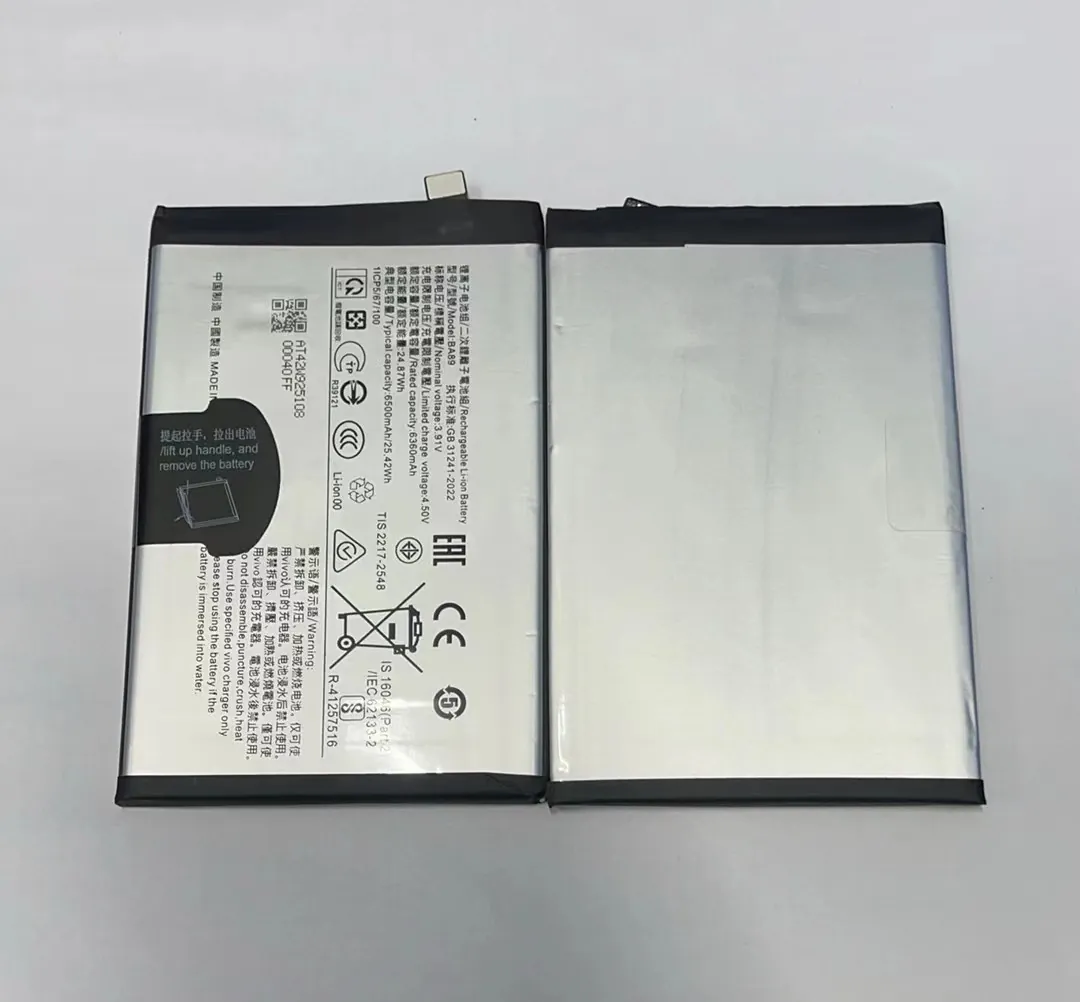
Many customers return after six months and ask why their battery isn’t holding charge. I always ask: how do you charge your phone? Do you play games while charging?
Top battery killers
Here are the habits that hurt your phone battery:
1. Charging to 100% or letting it drop to 0%
Lithium batteries prefer to stay between 20% and 80%. Charging to 100% or draining to 0% every time puts more stress on the battery.
2. Using the phone while charging
This creates extra heat. Heat is the number one enemy of lithium batteries. When customers tell me they game while charging, I usually know their battery won’t last long.
3. Keeping screen brightness high
Bright screens use a lot of power. AMOLED displays can save battery with dark mode. LCD screens don’t benefit as much.
4. Too many background apps
Apps running in the background drain power slowly but constantly. Messaging apps, location trackers, and background sync can cut battery life by 20–30%.
Better usage = longer life
I always tell clients: if your battery is your engine, don’t always drive at full speed. Adjust your habits to stretch battery life:
- Avoid overnight charging
- Use dark mode
- Keep brightness at 50%
- Remove apps you don’t need
Is 500 charge cycles a standard lifespan?
Many people hear the term “charge cycle” but don’t know what it means. It’s key to understanding battery aging.
Yes, 500 full charge cycles is the standard lifespan for most lithium phone batteries before noticeable degradation.
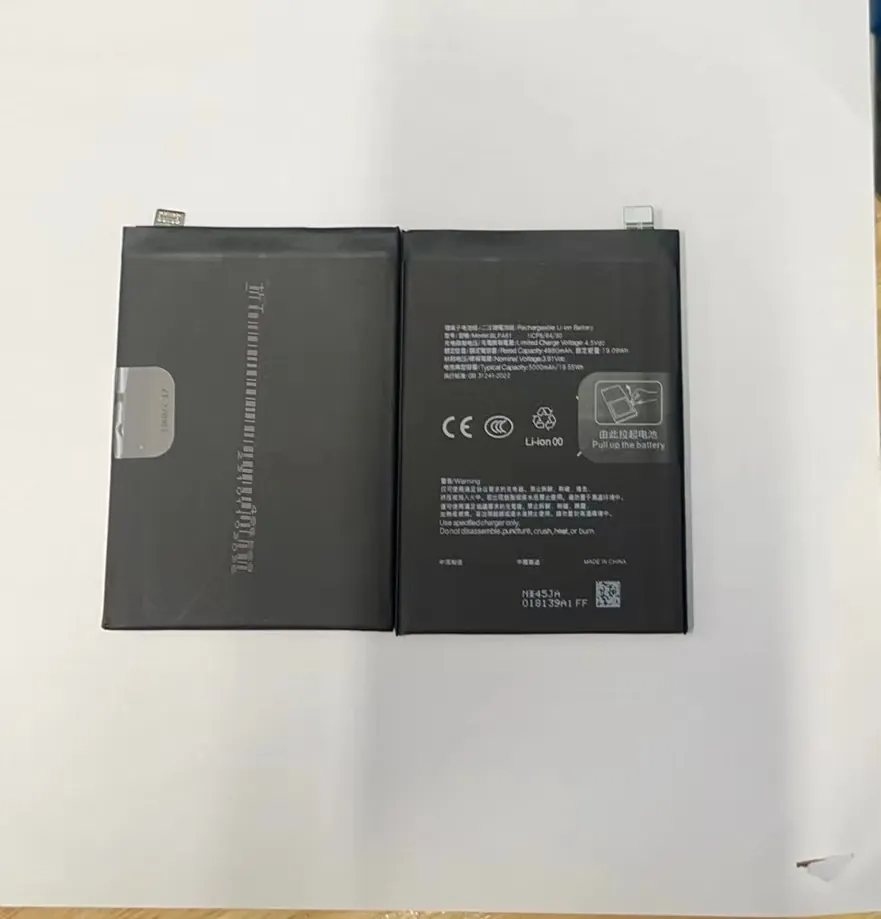
A charge cycle means using 100% of battery capacity. It doesn't have to be in one go. If you use 50% one day, then charge, and use 50% the next day, that counts as one full cycle.
What happens after 500 cycles?
By the time your battery hits 500 full cycles:
- Battery health drops to about 80% or less
- Phone may shut off early
- Charging speed may slow down
- You’ll need to recharge more often
Table: Cycle life vs. battery health
| Charge Cycles | Expected Battery Health |
|---|---|
| 0–100 | 100% |
| 100–300 | 90–95% |
| 300–500 | 80–90% |
| 500–800 | 70–80% |
| 800+ | Below 70% |
These are rough averages. Some high-end batteries go beyond 800 cycles with good care. But most phones begin showing serious battery wear between 500–600 cycles.
In my business, we see replacement demand rise sharply around the 18–24 month mark. That lines up with 1–1.5 charges per day for 500+ days.
How to reduce cycle stress
You can slow down battery aging by:
- Using partial charges (keep battery between 30–80%)
- Avoiding fast charging unless needed
- Keeping the phone cool (don’t charge in hot rooms or cars)
- Turning off unused features like GPS and Bluetooth
Some phones even let you limit charging to 80%. Brands like Samsung and Apple now add battery protection features that stop charging at 85% to increase lifespan.
Conclusion
The average mobile phone battery lasts 2 to 3 years, or about 500 charge cycles. But smart habits and model choice can make a big difference in how long your battery stays strong.
