
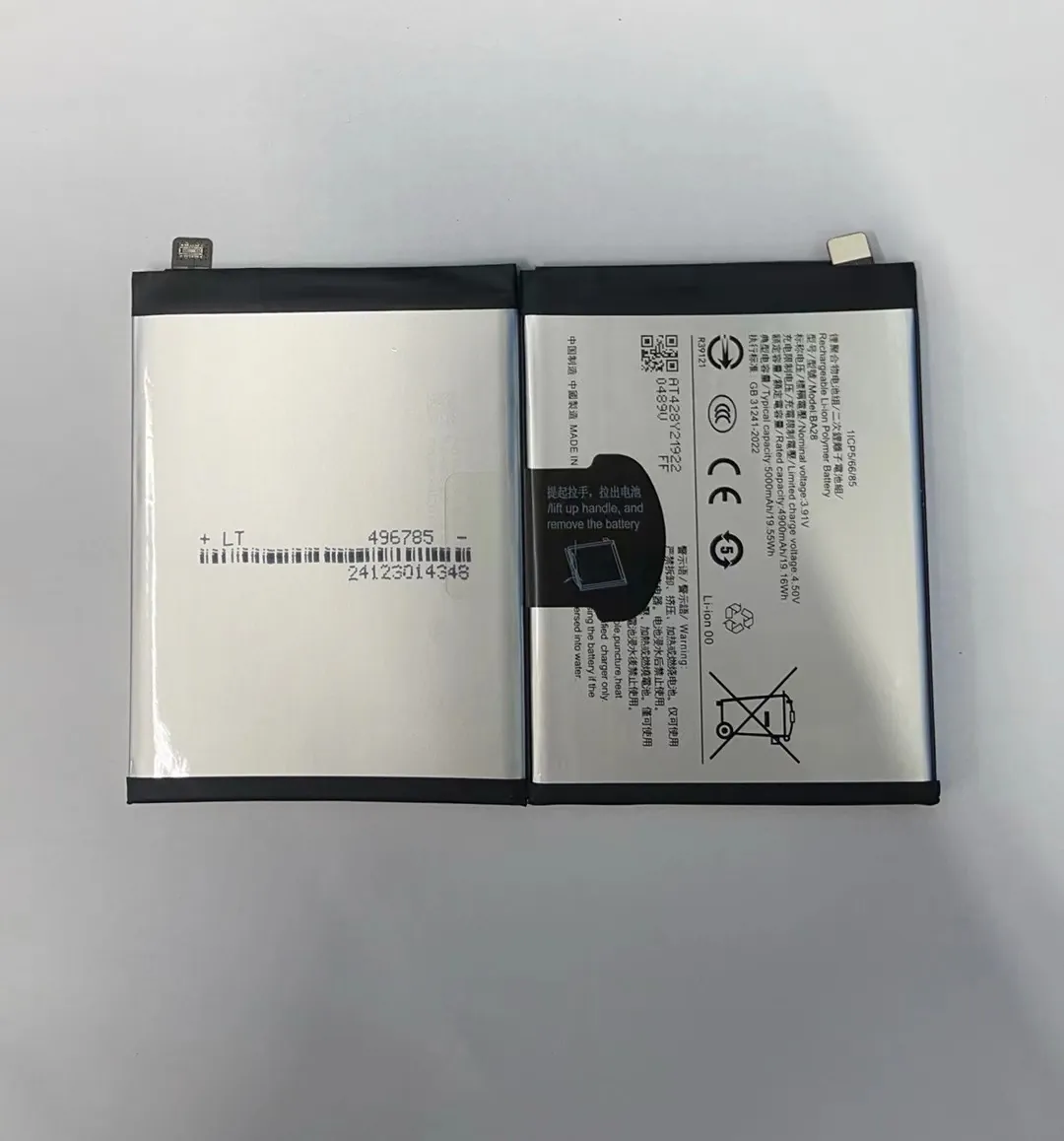
I once searched for a reliable replacement battery for a Virgin Mobile handset and felt uneasy about quality and compatibility.
You can buy compatible “Virgin Mobile” phone batteries via online wholesale sellers, parts-distributors, and global B2B platforms catering to mobile parts.
Let’s walk through in detail what these batteries are, why they matter, how you should pick and use them, and what trends will affect them moving forward.
What is it?
I felt frustrated when the battery in a Virgin Mobile phone ran down fast and I couldn’t find the proper replacement easily.
A “Virgin mobile phone battery” refers to a replacement or original battery designed to power a handset sold under the Virgin Mobile brand; essentially a rechargeable cell (often lithium-ion) matching the specific model of the phone.
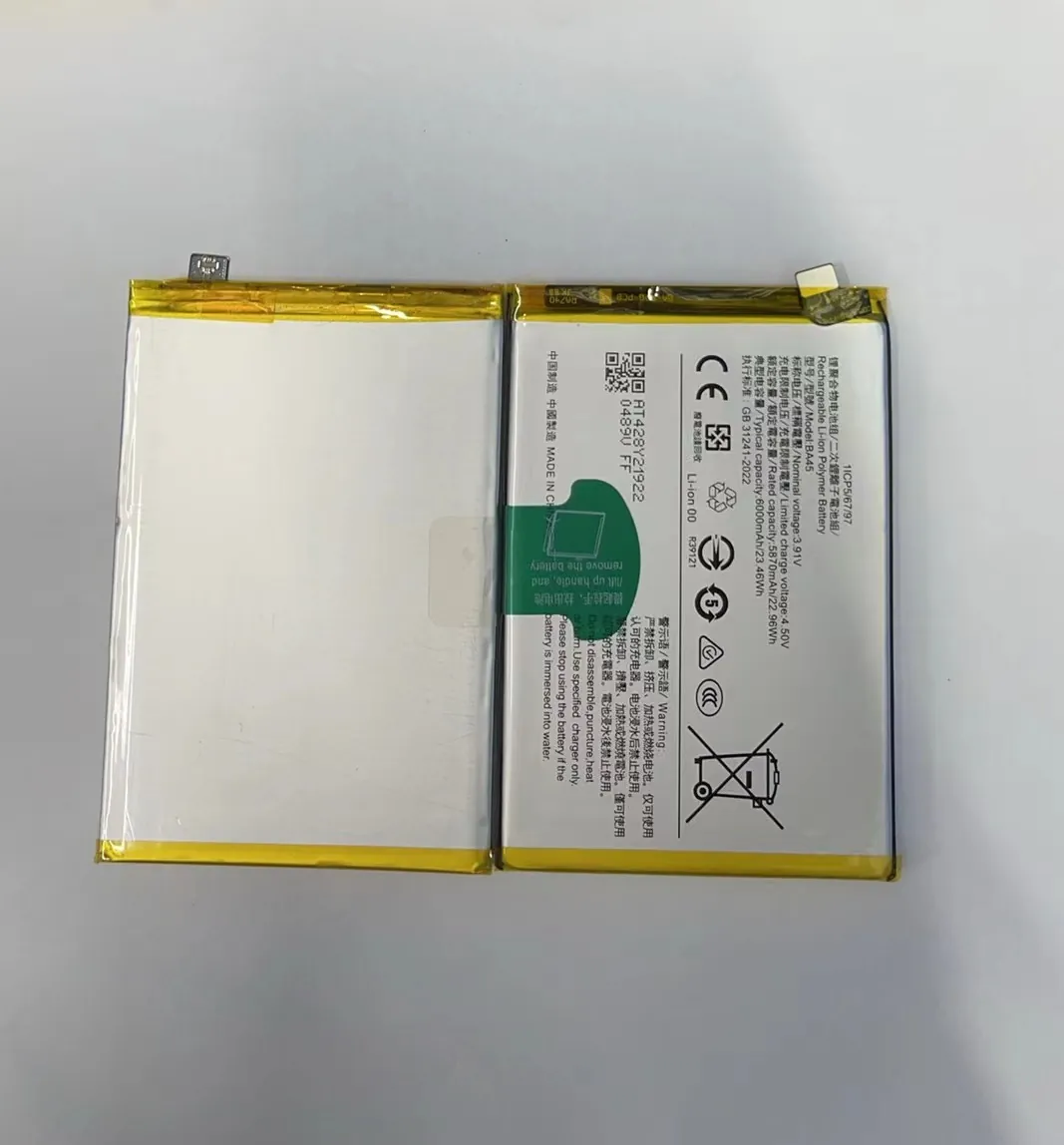
Here’s a deeper explanation:
When a phone is branded or sold by Virgin Mobile (or regionally by other carriers under that brand) the internal battery is the cell that powers the phone’s electronics — the screen, radio, CPU, etc. Over time, the battery’s capacity drops or fails, and a replacement is needed. So when you buy a “Virgin mobile phone battery” you are buying a compatible battery that will physically and electrically match the handset model sold under the Virgin Mobile brand.
Some specifics:
- Many of these replacements are listed as “compatible with Virgin Mobile Venture VM2045 1500mAh” for example.
- They usually list key specs: voltage (e.g., 3.7V), capacity in mAh (e.g., 1500mAh) and chemistry (Li-ion).
- Since Virgin Mobile is a carrier brand (not always the manufacturer of the phone or battery), many of these are aftermarket or third-party replacement batteries.
For your wholesale business context, you would treat these as replacement components: you source in bulk, supply to repair shops/refurbishers that fix phones originally sold under Virgin Mobile, or older models which still need replacement parts.
What is its value?
I discovered the value when a repair job failed because the battery was a wrong specification one — the device shut off randomly and caused a return.
High-quality compatible batteries for Virgin mobile phones carry value because they enable reliable repairs, reduce returns, support refurbishing older devices, and can be sold profitably by wholesalers.
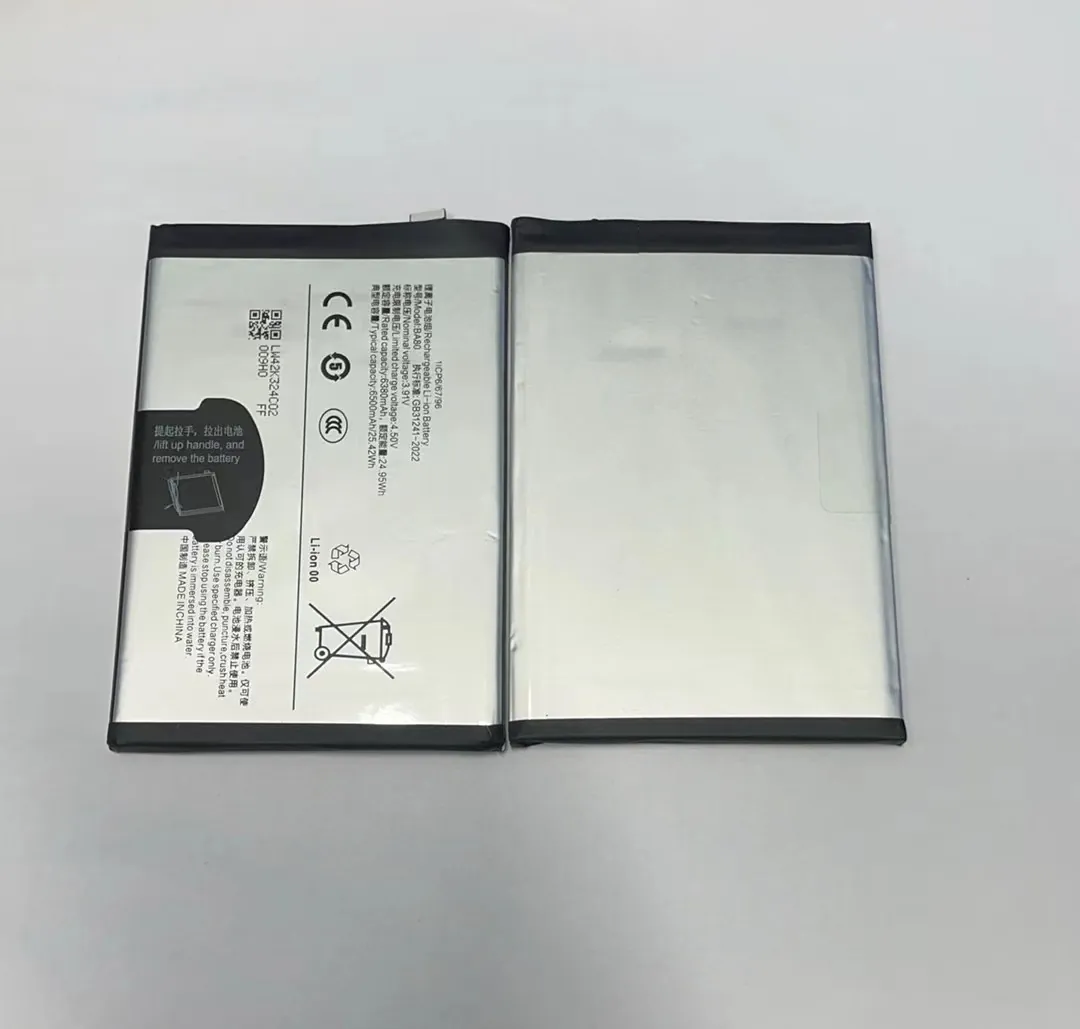
Here’s how the value breaks down:
Repair/Refurbish Value
For repair shops or refurbishers dealing with phones from Virgin Mobile, having the right battery means they can restore the device to full function. That builds customer trust and allows faster turnaround.
Wholesale/Stock-Value
As a wholesaler you can buy compatible Virgin Mobile batteries in bulk. If you offer a broad range of models (especially older Virgin models) you serve a niche: many repair shops still need parts for older handsets.
Quality vs Risk
Low-quality batteries reduce your value: higher failure rates, safety issues (swelling, overheating), returns, reputation damage. Reliable ones command better price and reduce your after-sales cost.
Business Margin
If you buy well and stock key models (for Virgin handsets) you can sell to repair shops or refurbishers at a margin. The more models you cover, the more value you provide.
Table – Value Drivers for Compatible Batteries
| Value Driver | Why It Matters for Virgin Mobile Battery Supply |
|---|---|
| Compatibility with model | Ensures the battery works and avoids wrong install failures |
| Quality & reliability | Low failure rate = fewer returns / better reputation |
| Stock breadth | Cover many Virgin models (older/newer) = more demand |
| Speed of supply | Repair shops value fast supply; distinguishes you |
| Margin potential | Good buying = good profit for wholesaler & reseller |
Example Scenario
Imagine a refurbisher has 50 used Virgin Mobile phones in stock that need battery replacement. If you can supply compatible batteries for all those models quickly, you reduce their downtime and become their preferred supplier. They’ll buy more often, you sell more volume, costs per unit drop, margins improve.
In summary: for your business as a parts wholesaler, these compatible batteries are a key product line—especially if you’ve got the supply chain, stock depth, and quality assurance.
How to use or choose it?
At first I bought the cheapest compatible battery for a Virgin Mobile handset and later regretted it when the device shut down unexpectedly.
Choosing the right replacement battery for a Virgin Mobile device requires checking compatibility (model, specs), chemistry, supplier reputation, warranty, and inventory capability—then using/installing it correctly and storing it properly.

Here’s how I break it down.
Choosing Criteria
When you select a compatible battery for a Virgin Mobile handset, consider:
-
Model & part-number match
- Identify the exact handset model originally sold under Virgin Mobile (e.g., “Venture VM2045”) and the original battery spec.
- Check the replacement listing states compatibility explicitly.
- Dimensions, connector type, voltage should match.
-
Electrical specification & chemistry
- Voltage (e.g., 3.7 V) must match.
- Capacity (mAh) indicates how much charge it holds; higher isn’t always better if size/fit differ.
- Chemistry: most modern phones use lithium-ion or lithium-polymer.
- Verify safety certifications if possible.
-
Supplier reputation & quality assurance
- Work with suppliers/distributors that test their batteries (cycle life, capacity).
- Prefer batteries with warranty or returns support.
- Avoid ultra-cheap generic units with unverified specs.
-
Packaging, shipping, hazard rules
- Lithium batteries are regulated for shipping as hazardous goods.
- Good packaging reduces damage in transit.
-
Inventory & logistics
- If you’re a wholesaler, you want to stock those models that repair shops demand most.
- Offer bulk pricing or trade accounts to repair-shop clients.
Usage / Installation Best Practices
Once you have a proper compatible battery, ensure proper use:
- Use correct tools and be careful when removing the old battery; damage to device or battery is risky.
- After installation, check the device boots, holds charge, and behaves normally.
- For the customer: explain best practice for battery health — avoid extreme temperatures, avoid deep-discharging regularly, use original or certified chargers.
- For inventory: store batteries in cool, dry place, keep track of stock age.
- If you sell to repair shops, offer guidance or installation instructions.
Table – Checklist for Buying & Installing Batteries
| Checklist Item | Action Steps |
|---|---|
| Model & specs match | Verify model, battery part number, voltage, capacity |
| Supplier & quality | Check reviews, warranty, certifications |
| Shipping & packaging | Comply with lithium battery shipping rules, safe packaging |
| Inventory management | Stock common Virgin Mobile model batteries, monitor age |
| Installation guidance | Provide instructions, advise clients on best practices |
My Personal Tip
When I began supplying compatible batteries, I created a “Virgin Mobile handset list” of the top 10 models still commonly repaired. For each model I pre-stocked the battery and labelled it clearly. That gave me fast turnaround and I became known for “yes, I have the battery for your Virgin phone already in stock”. That increased orders and reduced time wasted sourcing rare models.
What are the future trends?
I asked myself “what will the battery replacement market for phones like those from Virgin Mobile look like in the coming years?” and I found the landscape shifting in several ways.
Key trends: higher energy-density batteries, more sealed/unreplaceable designs, sustainability & repairability pressures, supply chain transparency and second-life markets.
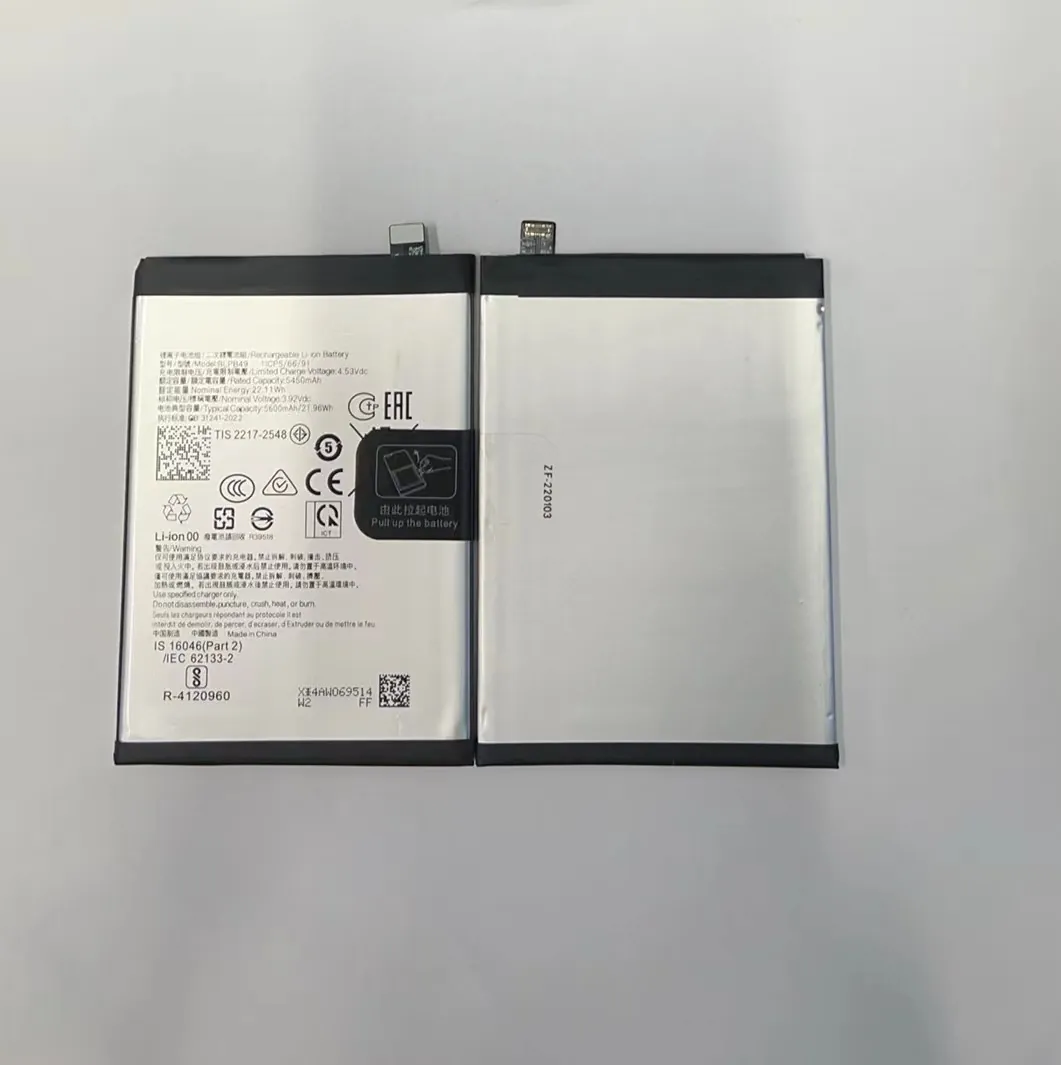
Here’s a closer look.
Higher energy-density / new battery chemistries
Smartphones demand more capacity, faster charging, slimmer bodies. Technologies like solid-state batteries and silicon-carbon anodes are coming. What that means for replacement parts: you may start seeing different battery types, modules harder to source, or older devices may use one chemistry and newer ones another—stock-planning will need to adjust.
Shift to non-removable/sealed batteries
Many modern devices use batteries that are glued in, integrated into modules, or otherwise non-user-replaceable. This reduces simple battery swaps and influences the repair-parts market. For your business, this means the volume of very cheap battery replacements may shrink and the complexity may increase. Offer parts for repair shops that specialise in sealed-device battery swaps.
Sustainability, repairability & regulation
There is increasing regulatory focus on device repairability, battery life, recycling, and supply-chain transparency. Some regions will require spare parts availability and minimum durability for batteries. As a wholesaler supplying compatible batteries, you’ll gain by highlighting certifications, recycling programmes, and verifying your batteries meet regulatory standards.
Second-life markets & refurbishment
As phones last longer and refurbishing becomes common, the market for replacement batteries remains—but also the market for “used or certified-refurbished” batteries may grow. This is relevant especially for phones originally sold under Virgin Mobile that are now older. Providing both new replacement batteries and offering “tested used modules” might be a business opportunity.
Supply chain digitisation & traceability
Wholesale parts suppliers are leveraging better inventory management, digital ordering, real-time stock feeds, and transparent traceability of battery origin. Being able to show your clients “we tested this batch, these are certified, traceable cells” will add trust and differentiate you.
Table – Future Trends & Business Impacts
| Trend | Business Implication for Battery Parts Wholesaler |
|---|---|
| Higher energy-density/new chemistries | Need to update stock, track newer models and specs |
| Sealed/non-removable designs | Might reduce simple swap volume, increase complexity |
| Sustainability & regulation | Offer certified batteries, recycling & transparency |
| Refurbish/second-life market | Expand product range to include used/tested modules |
| Digital supply chain & traceability | Implement inventory systems, show batch data to clients |
Strategic Suggestions
- Stay informed: follow smartphone releases, note changes in battery specs or design.
- Diversify stock: cover both older Virgin Mobile handset models and newer ones.
- Emphasise quality & compliance: highlight capacity testing, warranty, certifications.
- Offer services: custom packaging, bulk terms, fast dispatch into key markets.
- Build supply chain resilience: maintain relationships with reliable factories, monitor shipping/regulatory changes.
In short: the replacement-battery market for phones (including Virgin Mobile devices) is evolving. Your wholesale business will benefit if you anticipate the changes and adapt your stock, service, quality and logistics accordingly.
Conclusion
Compatible batteries for Virgin Mobile phones offer a meaningful business opportunity if you treat them as quality replacement parts, stock effectively, provide strong service, and keep ahead of trends. By choosing the right models, supporting repair/refurbishment markets, and adapting to changes in battery tech and regulation, you position yourself well for the future.
