
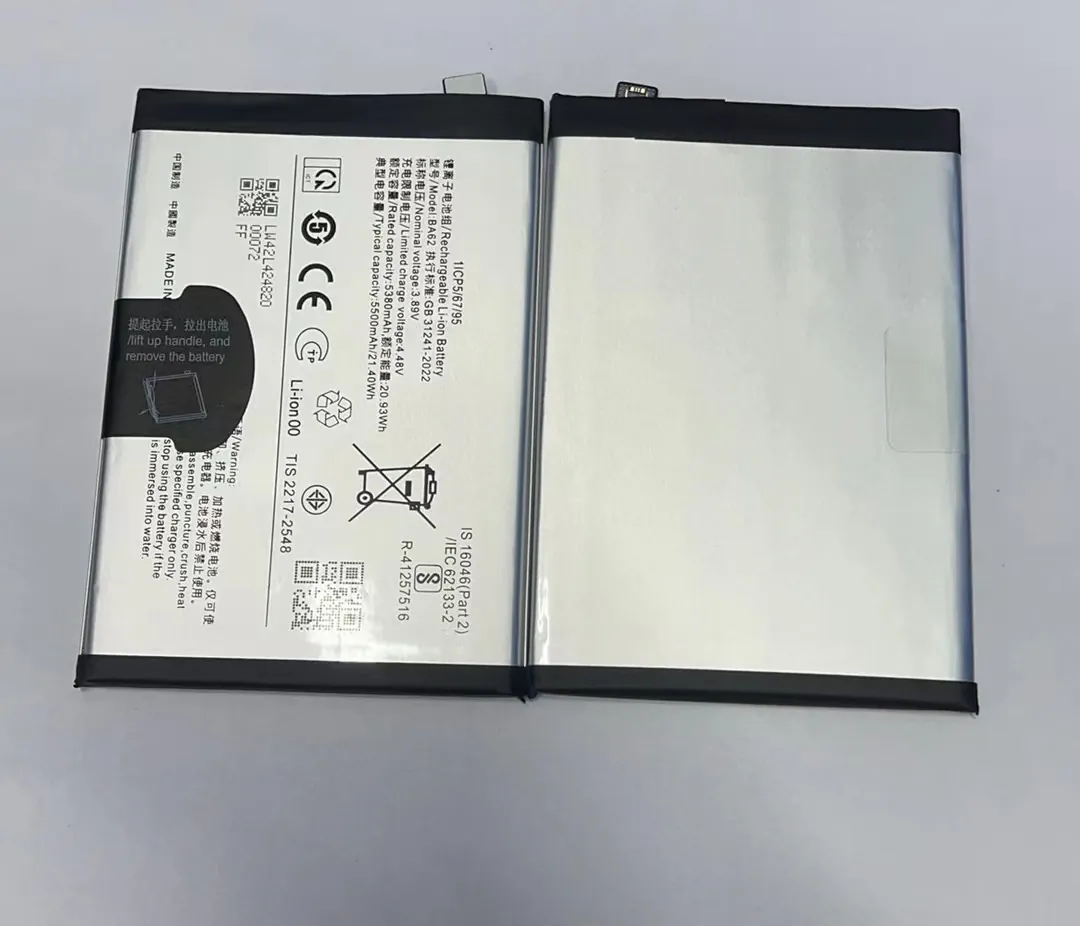
Mobile phones are everywhere and we depend on them every day. One part that matters most is the battery. Without a good battery, the phone dies quickly and we lose communication. Many people ask what types of batteries are inside modern phones and why some are better than others.
This article explains what kinds of batteries are used in mobile phones, how different brands choose their battery chemistry, why lithium batteries dominate the market, and whether eco‑friendly mobile batteries exist.
Understanding phone batteries helps make better choices when buying a phone or replacing a battery. Knowing the basics also helps avoid wrong expectations and bad usage habits.
What types of batteries are in modern mobile phones?
Most modern mobile phones use rechargeable batteries. In early years, phones used nickel‑cadmium or nickel‑metal hydride batteries. These older batteries were heavy and had serious memory effects. Over time, technology changed, and lithium‑based batteries became the standard.
Modern mobile phones mainly use lithium‑ion and lithium‑polymer batteries. These batteries are lightweight, rechargeable, and offer high energy storage for daily phone use.
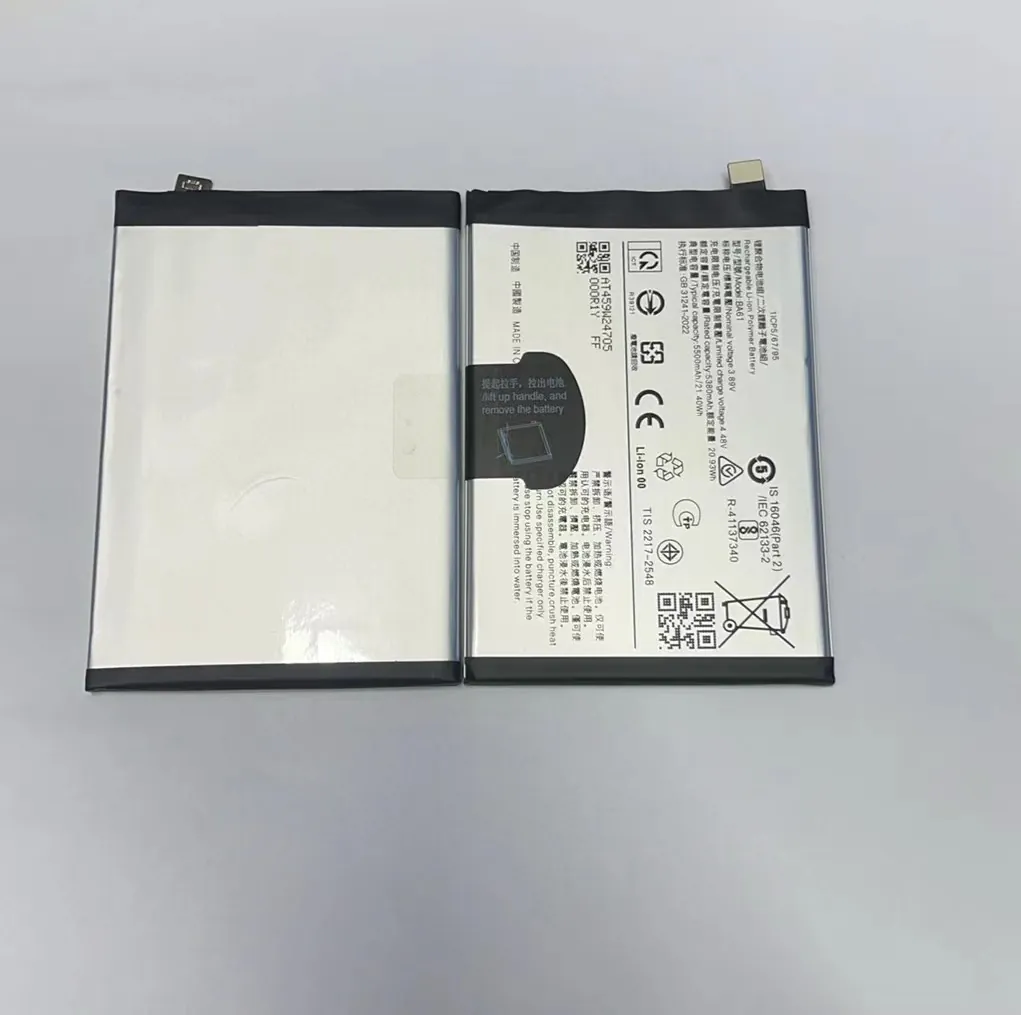
Lithium‑ion batteries are the most common type. They use a liquid electrolyte to move energy inside the battery. This design allows strong performance at a reasonable cost. Many mid‑range and older flagship phones rely on lithium‑ion batteries because they are stable and proven.
Lithium‑polymer batteries are a newer variation. Instead of liquid, they use a gel‑like polymer electrolyte. This allows more flexible shapes and thinner designs. Many modern flagship phones use lithium‑polymer batteries because phone makers want slim designs and lighter weight.
Another important change is battery placement. Most modern phones have non‑removable batteries. This helps manufacturers save space, improve waterproofing, and increase battery size. Removable batteries still exist in some simple phones, but they are no longer common.
Comparison of Modern Phone Batteries
| Battery Type | Electrolyte | Shape Flexibility | Common Use |
|---|---|---|---|
| Lithium‑ion | Liquid | Low | Mid‑range phones |
| Lithium‑polymer | Gel | High | Thin and flagship phones |
Both battery types perform well for daily use. The main difference is design flexibility rather than basic function.
How do battery chemistries vary by phone brand?
Phone brands choose battery chemistry based on design goals, cost control, and performance balance. While most brands rely on lithium‑based batteries, the way they build and manage these batteries can differ.
Battery chemistry varies by brand due to design focus, charging strategy, and safety control. These differences affect battery life, charging speed, and long‑term aging.
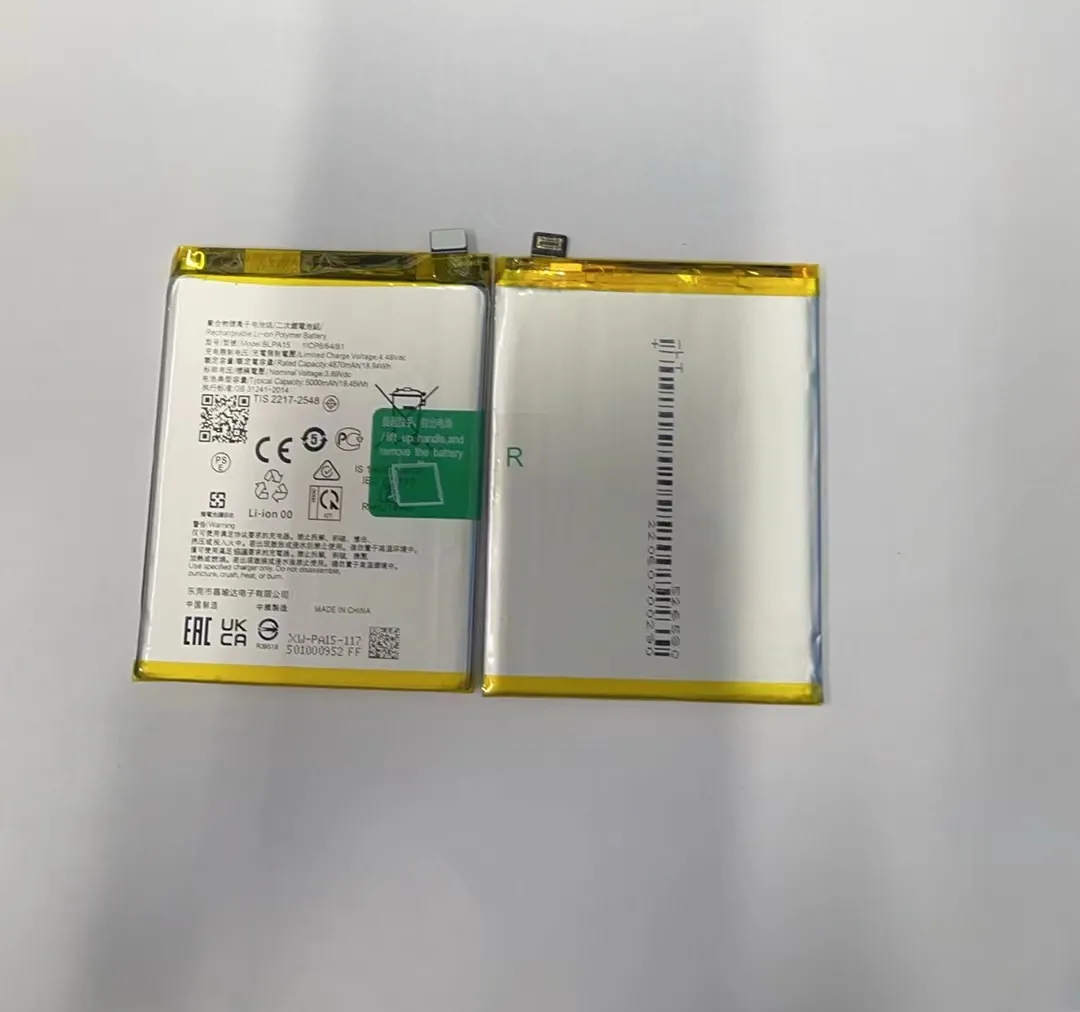
Some brands focus on long battery health. They limit charging speed when the phone gets hot. Others focus on fast charging and allow higher charging power. These choices influence how the battery chemistry is stressed over time.
Premium brands often choose lithium‑polymer batteries to allow thinner designs and curved shapes. Budget brands may use lithium‑ion batteries because they cost less and are easier to source.
Brands that promote fast charging often design batteries with stronger internal protection. This helps prevent overheating during high‑power charging. Brands that focus on durability may use conservative charging limits to reduce battery wear.
Battery Choices by Brand Category
| Brand Category | Battery Type | Main Focus |
|---|---|---|
| Premium phones | Lithium‑polymer | Design and thinness |
| Mid‑range phones | Lithium‑ion | Cost and reliability |
| Fast‑charge brands | Lithium‑polymer | High charging speed |
| Entry‑level phones | Lithium‑ion | Low cost |
Battery chemistry alone does not decide battery life. Software power control, screen efficiency, and processor usage all influence daily battery performance. Two phones with the same battery type may perform very differently in real life.
Why are lithium batteries used in most phones?
Lithium batteries replaced older battery types because they solved many problems at once. Mobile phones need strong power, light weight, and small size. Lithium batteries meet all these needs better than any alternative today.
Lithium batteries are used in most phones because they store more energy, weigh less, support fast charging, and last through many charge cycles.
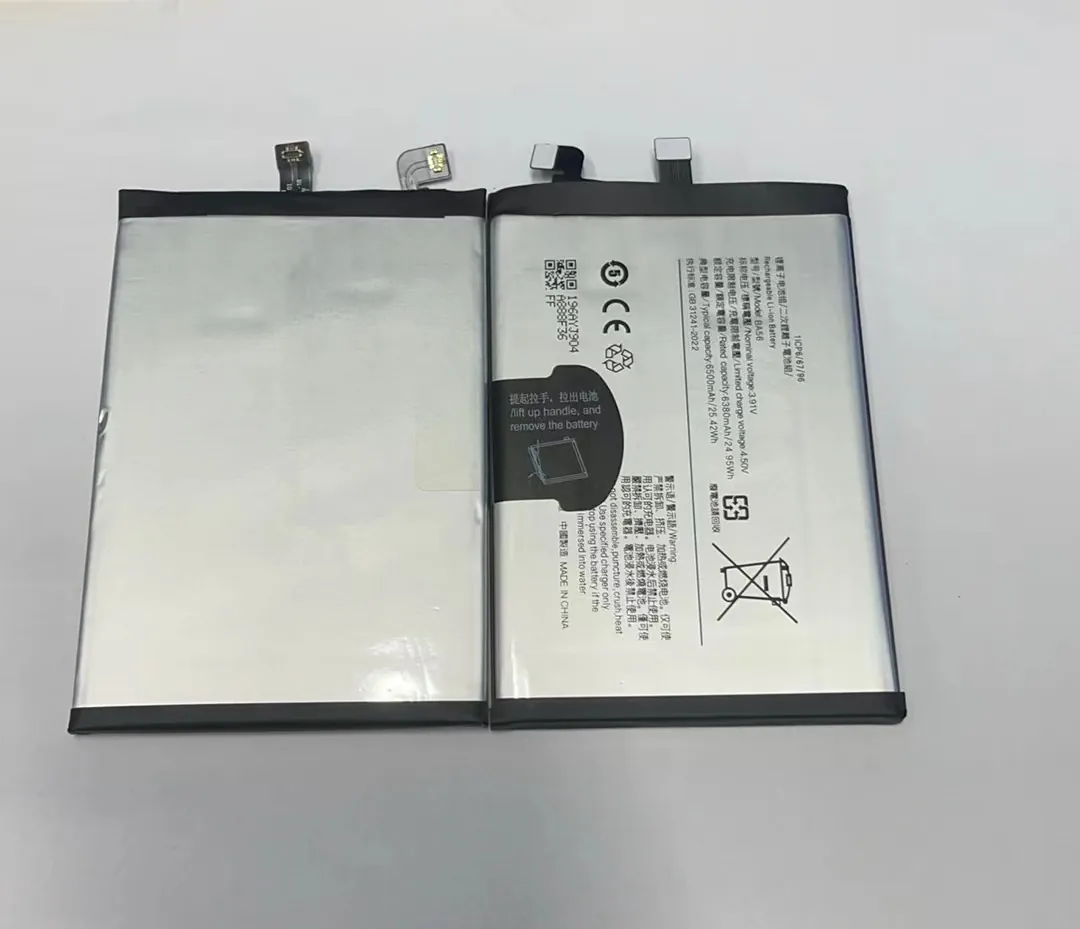
One major reason is energy density. Lithium batteries can store more power in a smaller space. This allows phones to run bright screens, cameras, and fast processors all day.
Another reason is weight. Older batteries were heavy and made phones bulky. Lithium batteries are light, helping modern phones stay slim and comfortable to hold.
Lithium batteries also support fast charging. Modern phones can charge quickly without damaging the battery too fast. This is important for users who rely on their phones all day.
Lithium batteries have a long cycle life. Even after hundreds of charge cycles, they can still hold much of their original capacity. This makes them suitable for devices that are charged daily.
Lithium vs Older Battery Types
| Feature | Lithium Batteries | Older Batteries |
|---|---|---|
| Energy storage | High | Low |
| Weight | Light | Heavy |
| Charging speed | Fast | Slow |
| Memory effect | None | Common |
| Lifespan | Long | Short |
While lithium batteries require careful safety control, modern phones include battery management systems. These systems monitor temperature, voltage, and current to prevent damage.
At present, no other battery technology matches lithium batteries in overall balance for mobile phones.
Are there any eco‑friendly mobile phone batteries?
Environmental concerns around batteries are growing. Mobile phone batteries contain materials that can harm the environment if not handled properly. This leads many people to ask if eco‑friendly phone batteries exist.
There are no fully eco‑friendly mobile phone batteries yet, but progress is being made through recycling, safer materials, and longer battery lifespan designs.

Lithium batteries require mining of materials like lithium, cobalt, and nickel. Mining can impact the environment. Because of this, researchers are working on alternatives that reduce or replace these materials.
Recycling is one major step toward sustainability. Proper recycling allows valuable materials to be reused instead of discarded. Many batteries still end up as waste, but recycling systems are improving.
Some research focuses on sodium‑ion batteries. Sodium is more common and less harmful than lithium. However, sodium‑ion batteries are currently heavier and store less energy, so they are not ready for mainstream phones.
Other research explores solid‑state batteries. These batteries replace liquid electrolytes with solid materials. They may be safer and last longer, but production cost is still high.
Eco Progress in Phone Batteries
| Aspect | Current Status | Trend |
|---|---|---|
| Recycling | Limited but growing | Improving |
| Toxic materials | Still present | Reducing slowly |
| Battery lifespan | Moderate | Getting longer |
| New materials | Research stage | Not ready yet |
Users can help by recycling old phones, avoiding early battery replacement, and using good charging habits. Extending battery life reduces waste and lowers environmental impact.
Conclusion
Modern mobile phones mainly use lithium‑ion and lithium‑polymer batteries because they offer the best balance of power, size, weight, and safety. Battery chemistry varies by brand and design goals, but lithium remains dominant. While eco‑friendly batteries are not fully available yet, recycling and new research continue to improve the future of mobile power.
