
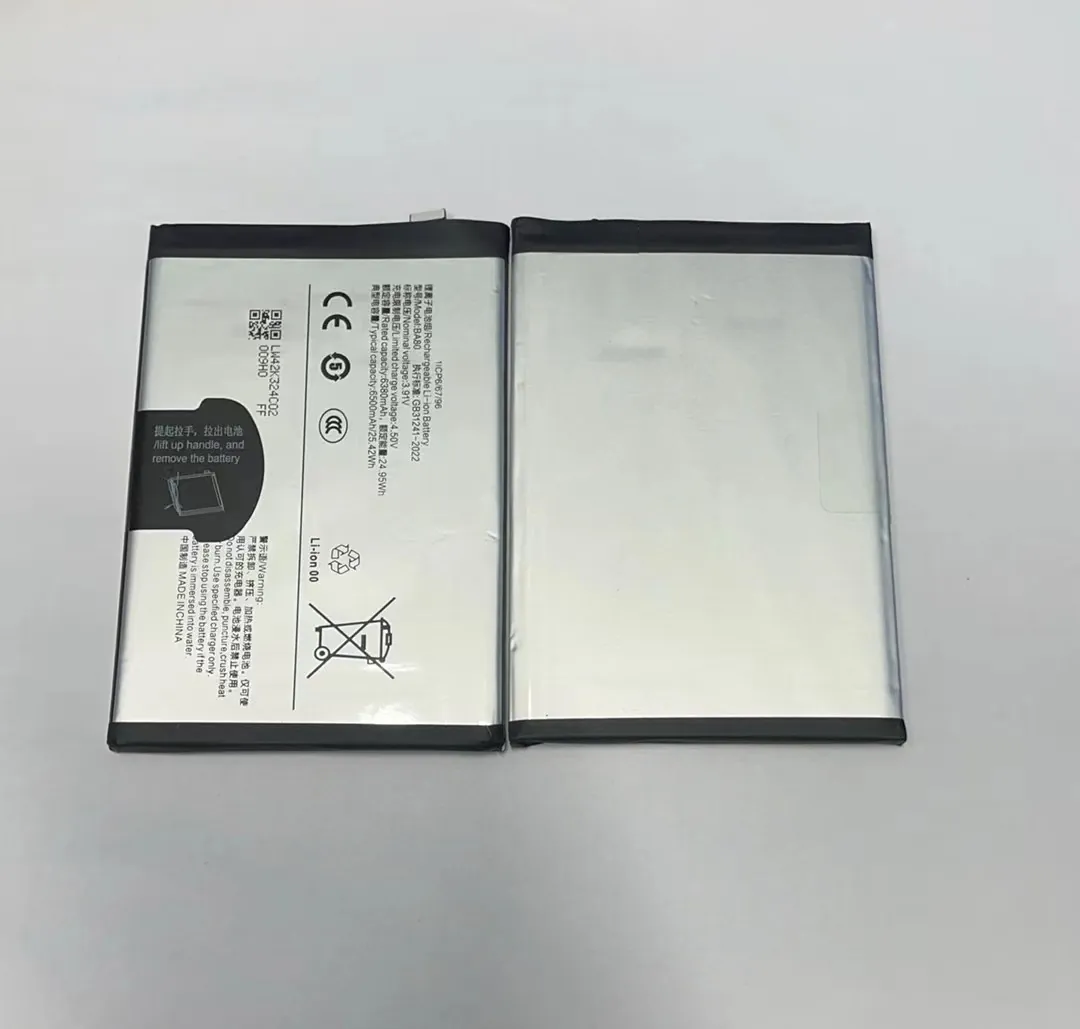
I have often wondered which battery really gives the best mobile phone performance. It can make a big difference in daily use.
The best battery depends on how you use your phone. A battery with high energy density, stable chemistry, and good quality control usually performs better and lasts longer.
Choosing the right battery matters more than just the name. Let’s look deeper at key factors and find which battery type may fit your needs.
How do Li-ion and LiPo batteries differ?
I used to think all phone batteries were the same. Then I learned there are two popular types: Li-ion and LiPo. The differences matter for phone design and performance.
Li-ion and LiPo batteries differ in cell structure and packaging. Li-ion uses rigid metal canister cells. LiPo uses soft pouch cells. This affects size, weight, and shape flexibility.

Basic comparison and structure
Li-ion (Lithium-ion) batteries use a hard metal shell or canister for each cell. Inside is a layered structure of electrodes and electrolyte, all sealed. That rigid shell helps protect the cell. Because it is fixed shape, the battery size and thickness are fixed. Phones using Li-ion often have a predictable shape and need space to fit the rigid cells.
LiPo (Lithium Polymer) batteries use a soft pouch as an outer shell. The pouch holds electrodes and electrolyte in layered form too. The pouch is flexible. This means battery makers can shape the battery more freely. They can make thinner or oddly shaped batteries. This helps phone designers to create slim phones or phones with curved backs. The flexibility gives design freedom.
Because of that, LiPo cells tend to weigh slightly less for the same capacity. Also, they can fit more tightly in a phone’s internal frame. This helps reduce wasted space and optimize volume.
Performance and safety differences
In general, both Li-ion and LiPo have similar energy density per gram. That means for same weight or size, both can store similar energy. In ideal conditions, both can give similar runtime. However, Li-ion cells in rigid shells tend to handle internal pressure better if the cell changes temperature or undergoes stress. The rigid shell helps prevent swelling or leaks under many cycles.
LiPo battery pouches are more vulnerable to physical damage. If bent or punctured, they may swell. That means phone design must protect the pouch carefully. On the other hand, pouch cells dissipate heat a bit more evenly because of softer structure. That may help in some phone designs where heat matters.
Manufacturing factors and cost
LiPo pouches are a bit more complex to manufacture. The sealing of the pouch must be precise to avoid leaks. Also the layered assembly inside must be uniform. These challenges can increase cost slightly. But because the pouch can be shaped more flexibly, manufacturers may save material or optimize size. This can offset cost increases in mass production.
Li-ion cells are easier to mass produce with consistent quality. The rigid shell gives stable containment. That helps with quality control. Because of mature manufacturing processes, Li-ion batteries may have lower defect rates during mass production.
Summary table
| Feature | Li-ion Battery | LiPo Battery |
|---|---|---|
| Shell type | Hard metal canister | Soft pouch |
| Shape flexibility | Fixed shape | Flexible, can adapt to phone body |
| Weight for same energy | Slightly heavier | Slightly lighter |
| Volume efficiency | Moderate | High (less wasted space) |
| Heat handling | Moderate | Often better heat dissipation |
| Durability to stress | High | Medium (needs careful design) |
| Production complexity | Lower | Higher |
From that table I see that LiPo offers design flexibility and better volume use. Li-ion offers ruggedness and stable manufacturing quality. If you care about phone slimness and shape — LiPo may help. If you prefer stable cell containment and proven process — Li-ion may be safer.
I think the difference between Li-ion and LiPo matters for phone makers more than for users. But for me, I prefer LiPo when I want thin phone design and roughly light weight. I prefer Li-ion when I want proven battery stability over many cycles.
What factors define battery quality?
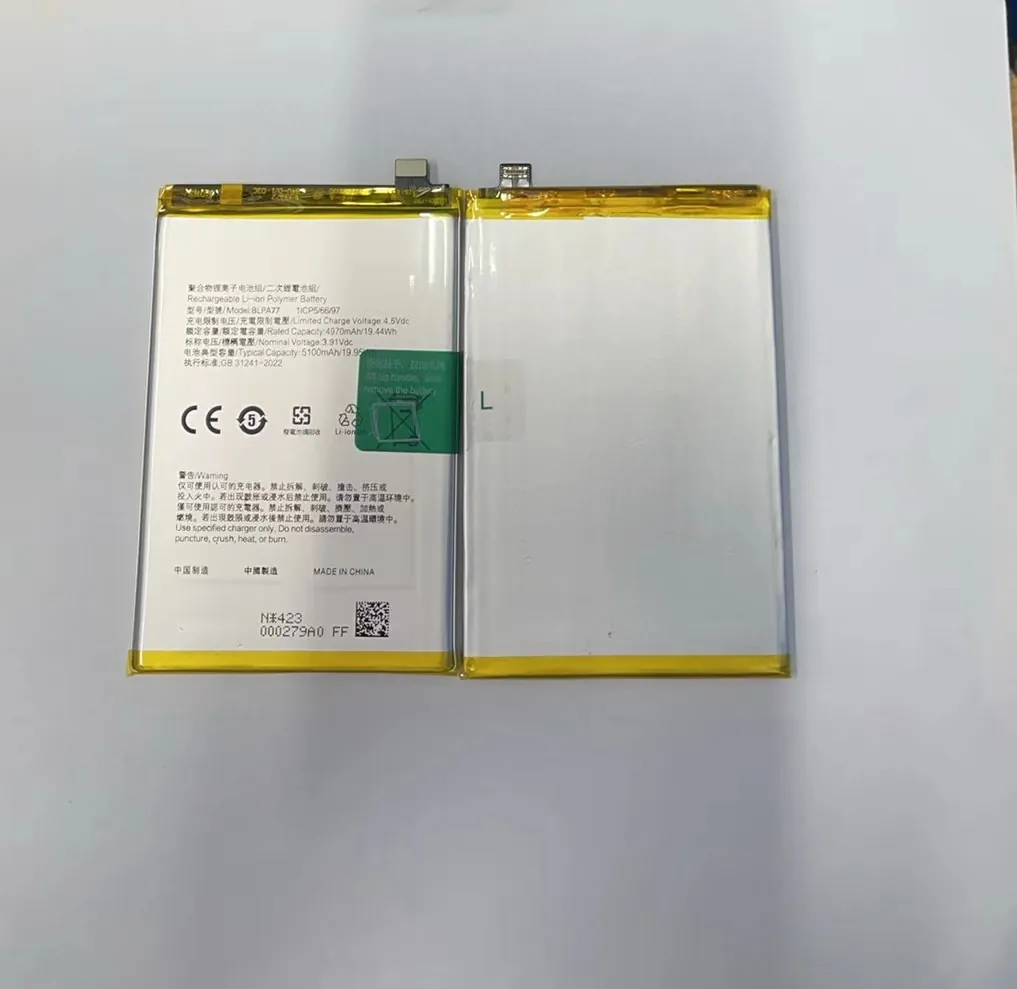
I know many buyers and phone makers say “quality battery matters”. I asked: what does “quality” really mean? Several factors matter. Clean production. Consistent cells. Good materials. Proper testing. Real capacity versus nominal capacity.
Battery quality depends on cell materials, manufacturing accuracy, testing, and consistency across units. A good battery shows stable voltage, holds capacity, and remains safe under many cycles.
Key factors at a glance
When I evaluate battery quality, I check these aspects:
- Real capacity vs labeled capacity
- Battery internal resistance levels
- Cycle count before significant capacity drop
- Safety under temperature and stress
- Manufacturing consistency batch to batch
- Use of good materials (separator, electrolyte, electrodes)
Let me explain more details with headings.
Material quality and internal structure
Battery cells rely on electrodes, electrolyte, and separators. If any component is low grade, battery life drops. For example, if the electrolyte is impure, internal resistance increases. That reduces output power. That also creates heat under load. Heat damages the cell faster. If the separator is weak, batteries may short circuit internally. That can risk safety.
Good quality cells use stable chemicals. They maintain low internal resistance even after many cycles. They use separators that resist puncture and high temperature. They use electrolyte that stays stable across temperature changes. These details sound technical. But they decide how long battery lasts and how safe it is.
Manufacturing precision and consistency
Even if materials are good, poor manufacturing ruins quality. Imagine cell with uneven layering. Or a gap in electrode stack. That may reduce capacity or make cell unstable. If many cells in same batch vary a lot, then some batteries may degrade fast while others remain fine. That means inconsistent product quality.
Good battery makers control process tightly. They test each cell. They measure internal resistance, capacity, leakage. They reject cells that deviate. That ensures batch consistency. As a buyer, I value such consistent batches. Because it reduces failure rate and ensures stable performance across many units.
Real versus nominal capacity
Many suppliers advertise battery with capacity X (e.g. 4000 mAh). But the real measured capacity may be less. Sometimes only 85–90% of labeled capacity. That means battery life per charge is less. For phones under high load, this matters. High quality battery should deliver near‑labeled capacity under real use.
When I test batteries, I run a full discharge test at standard current. If a 4000 mAh battery only delivers 3300 mAh, I question its quality. If another yields 3900–4000 mAh, I trust it. Real output matters more than label.
Safety and durability under cycles
Good batteries keep capacity after many charge cycles. For example, after 300–500 cycles, battery should still hold 80% or more of original capacity. That shows durability. Also battery should resist overheating, swelling, or leakage under stress or high temperature. Safety is not just a marketing word. It prevents failures and hazards.
Bad cells may swell after few cycles. Or lose capacity fast. Users then complain battery drains fast or phone heats up. I avoid such cells. I prefer cells from manufacturers that test cycles and temperature extremes before ruling pass.
Summary table of quality factors
| Quality Factor | Why It Matters |
|---|---|
| Materials (electrode, separator, electrolyte) | Impact on resistance, capacity, safety |
| Manufacturing precision | Ensures consistency and reduces defects |
| Real output capacity | Determines actual battery life |
| Internal resistance | Affects power output and heat |
| Cycle durability | Determines long‑term battery health |
| Safety under stress | Prevents swelling or failure |
In my work, I choose cells only when they meet strict thresholds on these factors. That helps me deliver reliable batteries that users trust.
Why choose high-density cells?
Many phones now promise “long battery life”. What they often mean is high-density cells inside. But what does that mean? And is high density always better? I studied this carefully.
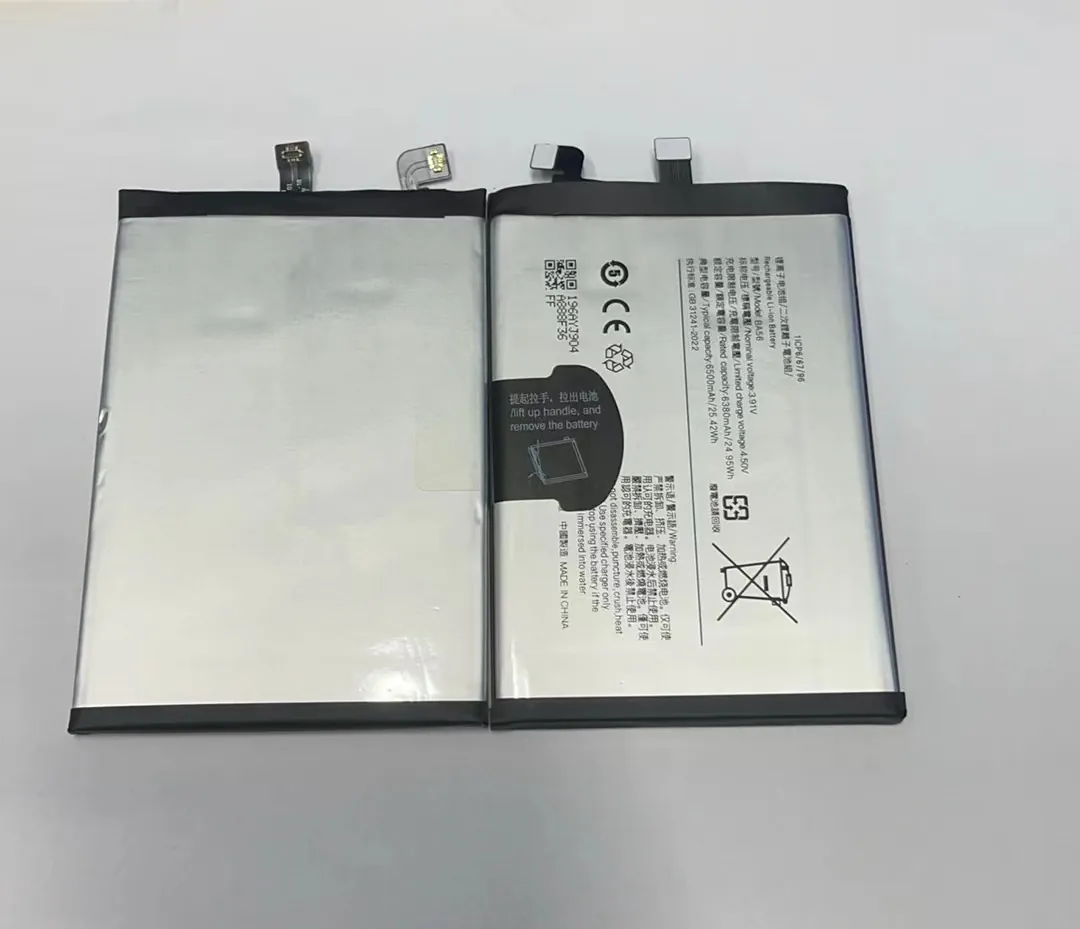
High-density cells store more energy per gram or per cubic centimeter. They allow longer runtime or thinner battery design. This often leads to better user experience if the cell is well-made.
What does “energy density” mean
Energy density refers to how much energy a battery holds per unit weight or volume. For mobile phones, two measures matter:
- Gravimetric energy density: energy per unit mass (e.g. Wh/kg)
- Volumetric energy density: energy per unit volume (e.g. Wh/L)
High-density cells maximize one or both. If gravimetric density is high, battery can be lighter for same runtime. If volumetric density is high, battery can be smaller or thinner for same energy. For slim phones, volumetric density matters more. For lighter phones, gravimetric density helps.
Benefits of high-density cells in phones
When I select batteries for phones or replacements, I like high-density cells when:
- I want long time between charges. For heavy users, high density means fewer charges per day.
- I want lighter phone. For travel or portability, lighter battery helps.
- I want slim phone design. For modern phone shells, high volumetric density allows tight packing.
- I want high performance. High density usually pairs with good discharge rate, giving stable power under heavy load.
People expect a phone to last a full day or more. High-density cell helps meet that expectation. Some phones advertise “5000 mAh battery” but if cell density is low, the phone may be bulky or heavy. With high-density cell you can get 5000 mAh in thinner or lighter form.
Trade‑offs and risks
High-density cells are not magic. They come with demands. If density is pushed too far, cell internal resistance may rise. Also heat under load may increase. That may reduce lifespan. If the manufacturing or materials are not top quality, the high-density promise fails. Battery may swell, lose capacity quickly, or even become unsafe.
I also consider price. High-density cells cost more. Some manufacturers cut corners on materials or quality control to claim high capacity. That leads to poor longevity. I avoid such cheap high-capacity cells. I only pick those with verified performance after testing.
How I evaluate density versus quality
When I source batteries I ask for:
- Discharge test results (how many mAh delivered under standard discharge)
- Internal resistance measurement after production
- Cycle life tests (after 300, 500 cycles)
- Safety testing under heat and charge/discharge stress
If a cell passes all these and still gives high density, I call it high-quality high-density cell. I prefer these over low-density cells for modern phones because they balance runtime, weight, and durability.
Which battery type lasts longest?
I often get this question from customers and friends: “Which battery lasts longest?” The answer depends on many factors. But with good design and quality, some batteries do last longer than others.
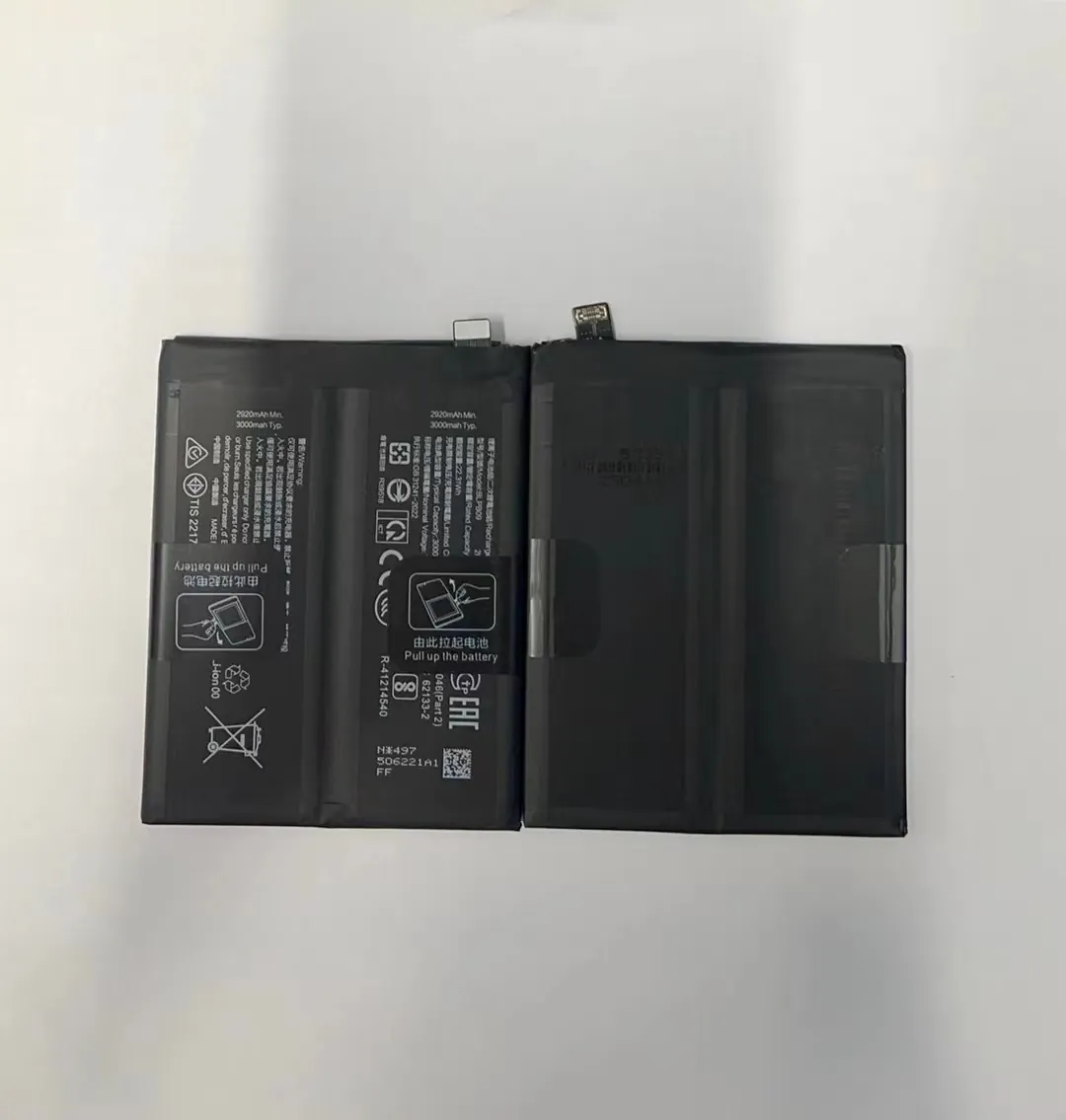
The battery type that lasts longest is the one with stable chemistry, low internal resistance, quality materials, proper usage and decent cycle durability. High‑quality Li-ion or LiPo batteries both can last long if built well.
What “last longest” means
When we say “lasts longest”, we can mean two things:
- How many years does the battery stay usable (calendar life)?
- How many charge cycles before capacity drops significantly (cycle life)?
A battery could keep working for many years but lose capacity quickly if used heavily. Or it could remain near full capacity after many cycles. I measure both when I evaluate battery life.
Typical behavior of Li-ion and LiPo over cycles
In proper quality cells, Li-ion batteries tend to maintain stable chemistry over many cycles. Because they use rigid shells, they resist deformation. That helps preserve electrode structure across many charge/discharge operations. So capacity decline may be slower over cycles compared to poorly made pouch cells.
LiPo battery life depends a lot on how well the pouch is made and how charging is managed. If the pouch seals well and electrodes are uniform, lifespan can be good. But pouch cells are more sensitive to overcharging or deep discharge. If a user overcharges or uses high currents often, a LiPo pouch cell may degrade faster.
Best practices for long battery life
I found some rules help battery last longer, regardless of type:
- Avoid full 0% discharges often. Instead recharge at 20–30%.
- Avoid leaving battery at 100% for long time when phone idle overnight.
- Keep phone in moderate temperature (avoid too hot or too cold).
- Use charger with proper voltage and current control.
- Avoid fast charging repeatedly if not needed.
- Don’t let battery swell or bend (for pouch cells).
If I follow these practices, a good battery stays reliable for 2–4 years with 300–500 cycles before capacity drops below 80%. That feels like durable life for most phones.
Example of long‑lasting battery behavior
Here is a rough life expectancy table under good quality and careful use:
| Battery Type | Usable Years | Cycle Life (80% capacity) | Notes |
|---|---|---|---|
| High-quality Li-ion | 3–5 years | 400–600 cycles | Stable, rigid, good for heavy use |
| High-quality LiPo | 2.5–4 years | 300–500 cycles | Lighter and slim, careful use needed |
| Low-quality cell | 1–2 years | 150–250 cycles | Capacity drops fast, may swell |
I include “low-quality cell” as caution. Many cheap batteries on the market belong here. They fail fast. I always avoid them.
Conclusion
I believe the best battery for a phone is a high‑quality one with stable chemistry and good build. If it is Li-ion or LiPo is less important than its test results and real behavior. Choose dense, tested cells. Use proper charging habits. Then the battery will serve long and safe.
