

Leading problem: Many phone buyers wonder what battery hides inside their device. They fear buying cheap phones with poor batteries.
Most phones today use lithium‑based batteries. These are the standard power source because they give good energy and fit size limits.
Let's look deeper at how phones use batteries. I will show what kind of battery is common. Then we see why phones do not use newer kinds yet.
Are lithium-ion batteries used in all phones?
Many people think “all phones use lithium-ion.” That seems true. But is it always the case?
Not all phones use lithium-ion. Most smartphones use lithium-ion or li‑polymer. Some old basic phones may use Ni‑MH or other batteries.
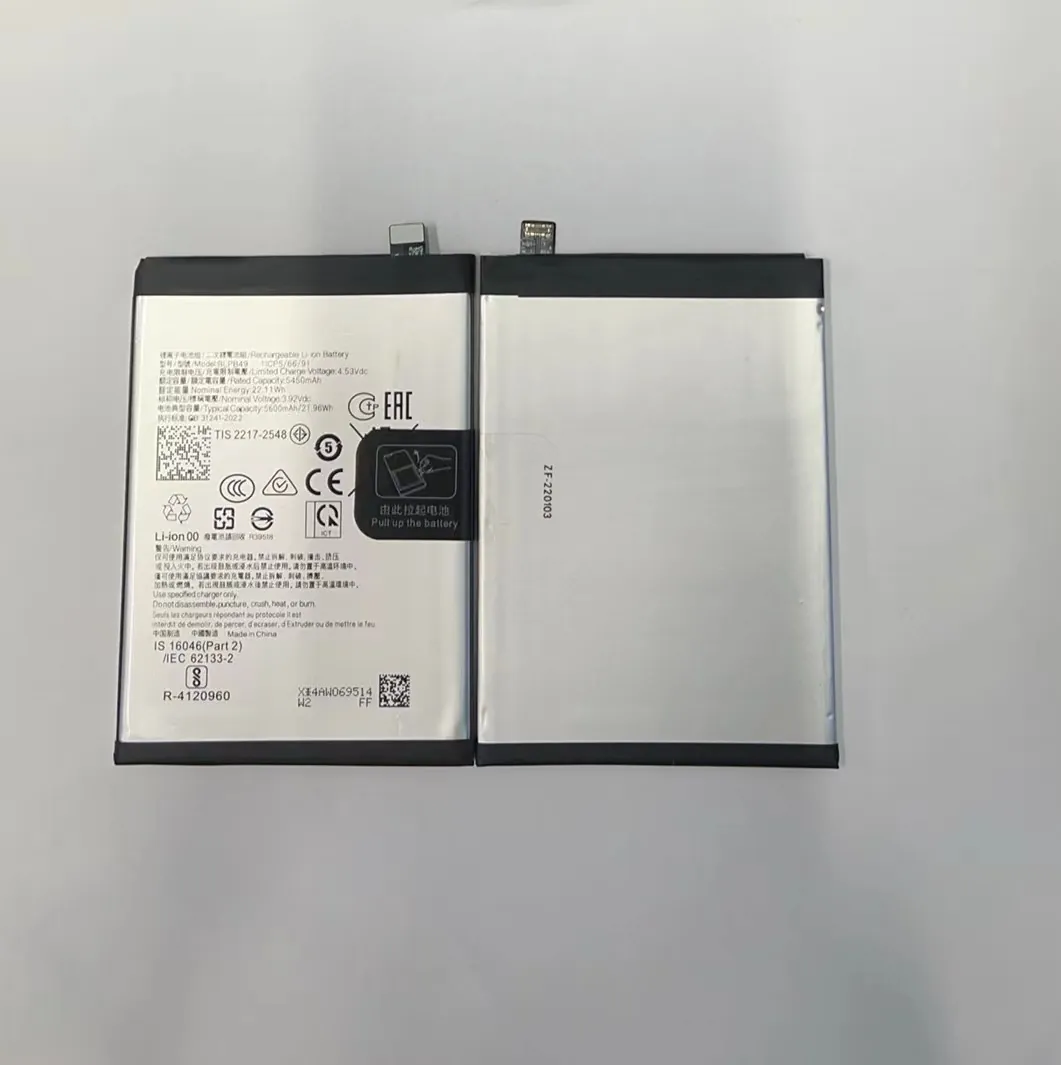
Phones vary by type and age. Cheapest “feature phones,” older phones, or simple models sometimes use older battery chemistry. For example, older phones before mid‑2000s used Nickel-metal hydride (Ni‑MH) or Nickel-cadmium (Ni‑Cd). Those batteries are heavier, have lower energy density, and fade sooner.
Smartphones since the iPhone era mostly switched to lithium-ion. That change happened because lithium-ion holds much more energy per weight and size. This allows slim phones with large screens and long battery life. The shift also lowered weight and improved safety compared to Ni‑Cd.
But using lithium-ion is not universal. Some very cheap phones or toys use standard AA or AAA alkaline batteries. This is rare for phones, but for toy phones or novelty items.
Also, some very old “brick phones” used replaceable battery packs built from Ni‑Cd or Ni‑MH. These older cells needed periodic full discharge to avoid memory effect. Lithium types remove the memory effect, so users get better convenience.
In a few niche phones — like rugged phones made for extreme environments — manufacturers might pick older or different chemical batteries for safety, temperature tolerance, or cost. Such decisions focus less on energy density and more on reliability in harsh conditions.
Here is a rough view of battery types across phone generations and types:
| Phone type / Era | Typical battery chemistry |
|---|---|
| Early 2000s “feature phones” | Ni-Cd, Ni‑MH, removable Ni‑MH packs |
| Mid 2000s onward basic phones | Li‑ion or small Li‑polymer |
| Modern smartphones (since ~2010) | Mostly Li‑ion or Li‑polymer |
| Budget/rugged / unusual phones | Sometimes older chemistry or alkaline (rare) |
That table shows that while lithium‑ion is now the norm, it is not a guarantee for every device.
I saw this when I repaired older phones for clients. Many old phones still worked with Ni‑MH packs. They needed careful charging and limited runtime. Newer phones with lithium types ran longer and felt lighter.
In short: Lithium batteries — especially lithium‑ion or lithium‑polymer — dominate modern phones. But a few older or special phones still use older types.
What differentiates lithium-ion and lithium-polymer?
Many buyers see “Li-ion” and “Li‑poly” labels. They ask: are they the same? Or is one better?
Lithium-ion uses liquid or gel electrolyte in rigid cells. Lithium‑polymer uses gel or polymer electrolyte in flexible pouch cells. The difference affects weight, shape, and packaging.
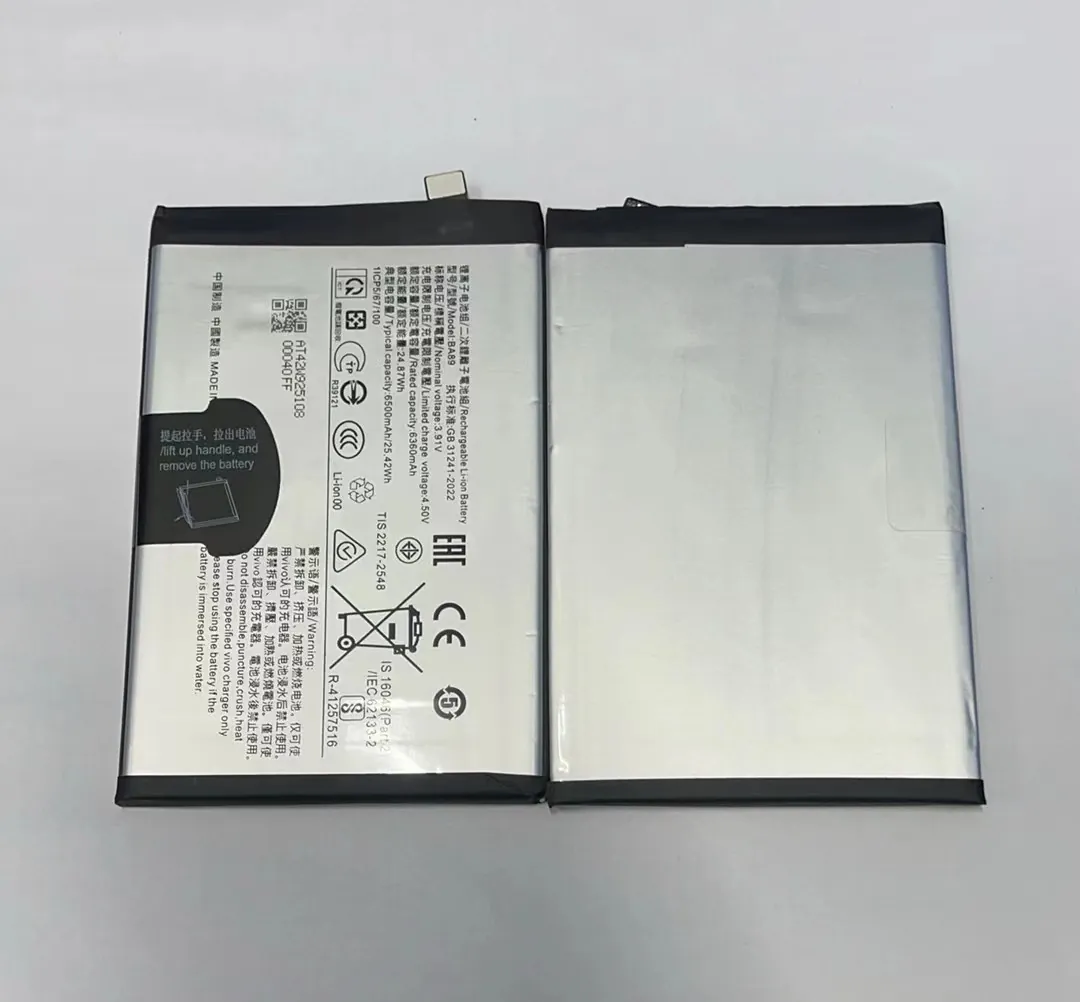
The two battery types share lithium chemistry. But they differ in structure and performance traits.
What are the main differences?
| Property | Lithium‑Ion (Li‑ion) | Lithium‑Polymer (Li‑poly) |
|---|---|---|
| Electrolyte | Liquid or gel inside rigid metal/plastic shell | Gel or solid polymer inside flexible pouch |
| Shape/form factor | Rigid, fixed shape | Flexible – thin pouch can be flat or custom shape |
| Weight | Slightly heavier due to casing | Lighter because no heavy metal casing |
| Energy density | High and stable | Similar or slightly lower than Li‑ion |
| Cost | Often lower cost | Slightly higher cost due to flexible pouch |
| Safety under damage | Prone to leakage or swelling if damaged badly | Safer in case of swelling, pouch may bulge gently |
| Design flexibility | Rigid shape limits design varieties | High flexibility allows slim or odd shapes |
Lithium‑polymer often gets used when the manufacturer wants a slim design. For example, ultra‑thin smartphones, tablets, or small gadgets. The pouch cell can match phone shape better.
Rigid lithium‑ion batteries are common when the phone battery is user‑removable. Older smartphones often had removable Li‑ion packs. The rigid shell made swapping easier and protected the battery.
From a performance view, both give similar voltage and capacity. Real world use shows little difference in battery life. Weight difference may be 5–10%. But phone makers care about thickness and shape.
Safety is a bit tricky. Li‑polymer pouches may swell if overcharged. Li‑ion rigid cells risk rupture if deeply damaged. That is why good battery design includes protective circuits and pressure relief paths.
Also, Li‑polymer allows better packaging. For example, in devices with curved backs or very slim bodies, pouch cells fit better.
For many phone makers, Li‑polymer costs slightly more. But design freedom offsets cost. So mid‑range and flagship phones often use Li‑polymer. Budget phones may use Li‑ion because cost matters.
In short, Li‑ion and Li‑poly share chemistry but differ in build and design. Li‑poly offers shape flexibility and lighter weight. Li‑ion offers rigid case and slightly lower cost. Performance difference is small.
Do flagship phones use special battery tech?
Flagship phones often advertise long battery life, fast charging, or thin build. Some claim “special battery.” Do they really use a different battery type than Li‑ion or Li‑poly?
Most flagship phones still use lithium‑polymer. They rely on design, software, and charging tech, not a completely different battery chemistry.
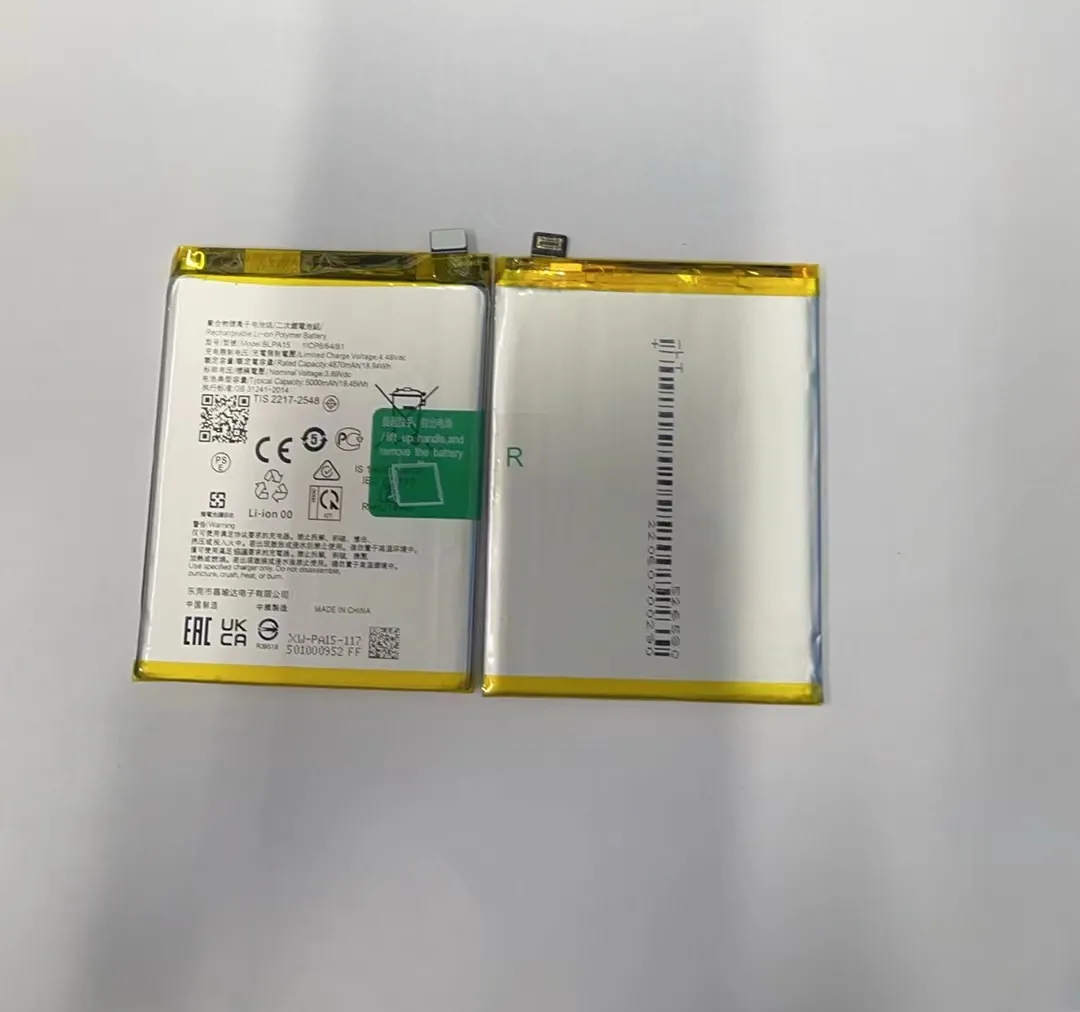
Flagship phones aim to stand out. But battery chemistry usually stays within known lithium types. Instead of new chemistry, brands optimize battery size, charging method, cooling, and battery management.
What “special tech” do flagships use?
Larger capacity batteries
Flagship phones often house large capacity batteries, such as 4500 mAh to 6000 mAh or more. They pack more cells or bigger pouch inside the phone body. This gives long usage time while keeping slim design.
Fast charging and power delivery
Many flagships support very high wattage charging, for example 65 W, 80 W or even 120 W. This demands good battery construction and safety design. Battery protection circuits and temperature sensors help.
Battery management and software optimization
OS and chip makers tune power usage. Screen brightness, CPU load, idle states, background tasks all affect battery use. Good software makes battery last longer without bigger capacity.
Cooling and heat control
Charging and heavy use generate heat. Flagship phones use thermal design (heat pipes, graphite sheets, spreaders) to keep battery temperature safe. This avoids battery damage and prolongs battery life.
Charging curve features (trickle, adaptive charging)
Some phones watch how you charge. They delay full charge during night and finish just before your wake-up time. This extends battery life over months.
Here is how different features compare:
| Feature | Typical mid‑range phone | Typical flagship phone |
|---|---|---|
| Battery chemistry | Li‑poly or Li‑ion | Li‑poly (almost always) |
| Battery capacity | 3000–4000 mAh | 4500–6000 mAh or more |
| Charging speed | 10–25 W | 65–120 W |
| Thermal management | Basic | Advanced (heat pipe, graphite cooling) |
| Software battery optimization | Basic | Advanced (adaptive charging, AI power saving) |
| Fast charge safety design | Standard | Extra safety (sensors, firmware checks) |
Even though the battery inside remains lithium‑polymer, these features make the phone feel advanced. For users, it looks like “special battery tech.”
I saw this in phones I used. A phone with 5000 mAh and 120 W fast charge still used Li‑poly. The difference was in charger, battery protection, and firmware. The battery did not change chemistry.
Thus most flagship phones stay with Li‑poly (or Li‑ion in rare cases). Their advantage comes from design, firmware, and extra features. Not from a brand new battery chemistry.
Why do phones not use solid-state batteries yet?
People hear about the promise of solid-state batteries. They say these will be safer and more efficient. So why do phones not use them yet?
Solid-state batteries are still under development. They face cost, manufacturing, and lifespan challenges. That prevents their use in phones despite advantages.
Solid-state batteries swap the liquid or gel electrolyte with a solid one. This gives high safety and energy density in theory. But they are not ready for mass phone use.
Challenges for solid-state adoption
-
Manufacturing difficulties at scale
Solid electrolyte materials often need careful processing, high pressure, or special temperature. This makes production expensive and slow. For phone makers with millions of units, cost and yield matter. -
Material stability and shelf life
Some solid electrolytes degrade over time or react with lithium metal. They may cause battery failure after many charge cycles. For a phone battery, it must last years. -
Cost per cell is high
Because of rare materials, complex processing, and low yield, solid-state cells cost much more than Li‑poly or Li‑ion. Phone manufacturers focus on cost versus benefit. -
Form factor and integration issues
Solid-state cells may need rigid structure or special casing. That may conflict with slim phone design or flexible battery shape. Manufacturers need to redesign the whole phone. -
Lack of quality supply chain and test results
Currently few solid-state battery makers produce enough cells for phones. They also lack long-term field data under many charge cycles, temperature swings, drops, etc.
What would be needed for phones to use solid-state
- Cheaper materials and simpler manufacturing
- Proven long-term stability over many cycles
- Cells in pouch or thin form to fit phone shapes
- Safe and reliable battery management system
So far, researchers show good test results. But real-life phone usage still poses many unknowns.
Until these issues solved, phone makers stick to lithium-ion or lithium-polymer. These chemistries are well understood. They have tested safety, supply chains, cost, recycling, and performance.
When solid-state batteries become cheap, reliable, and fit phone designs, phones may adopt them. For now, they remain in labs and some early car battery projects.
Conclusion
In most phones today, lithium‑ion or lithium‑polymer batteries power the device. Flagship phones do not use exotic chemistry. They use mature lithium batteries with better design and charging. Solid‑state batteries may power phones in the future. But current problems keep them out of phones for now.
