
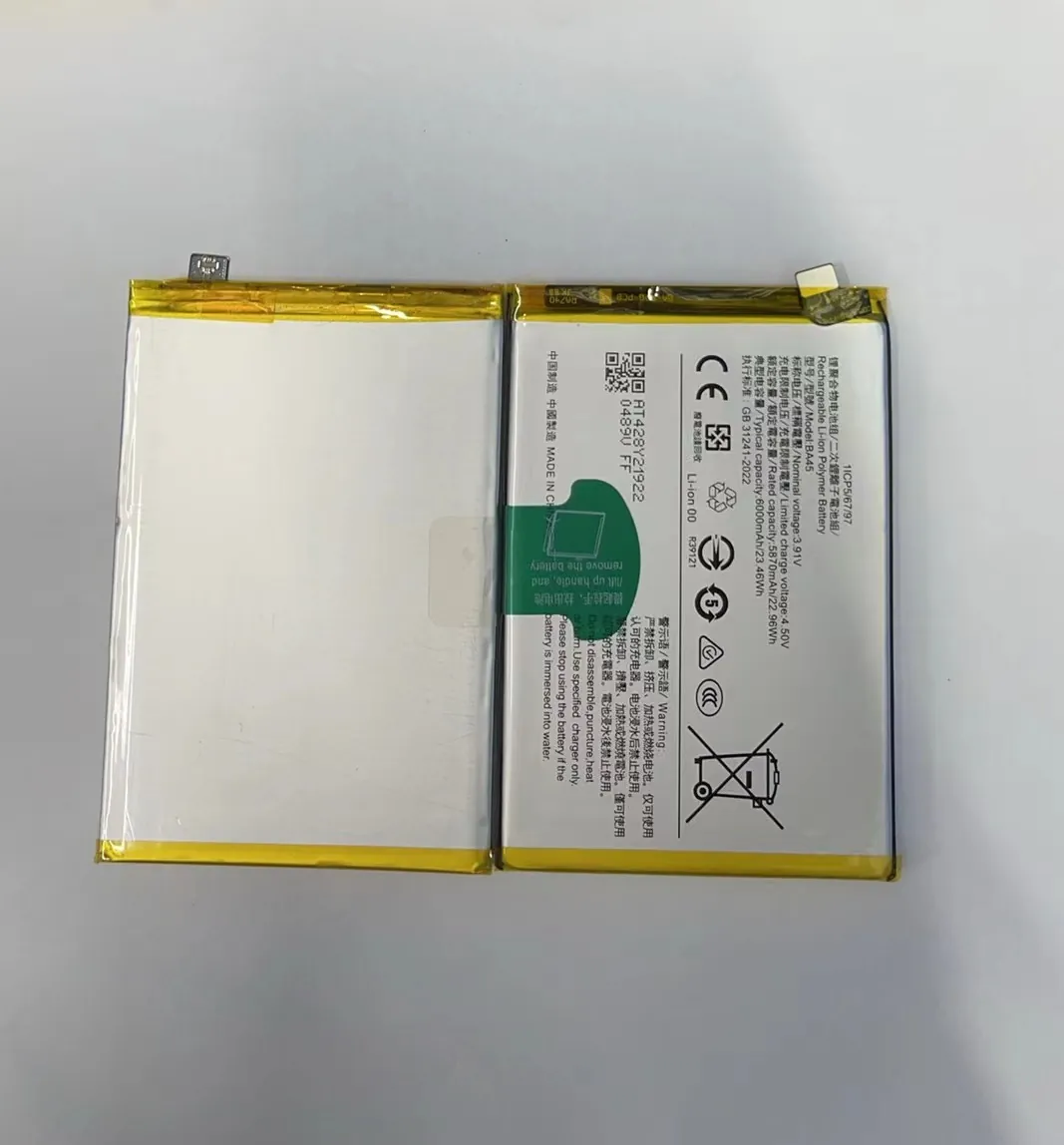
I see many users panic about short battery life and slow charging because they do not know what battery their phone actually uses.
Most modern mobile phones use lithium-ion or lithium-polymer batteries because these chemistries offer high energy density, stable performance, and long cycle life in thin and light designs.
I want to show clear facts in simple words. I also want to guide readers who want to choose better batteries for repairs or replacements. I write this based on my daily work and real cases I meet in the phone parts business.
What chemistries dominate modern phones?
I see many people feel lost when they read terms like Li-ion, Li-polymer, or solid-state. They worry because the names sound complex.
The chemistries that dominate modern phones are lithium-ion and lithium-polymer, which together make up nearly all phone batteries used today.
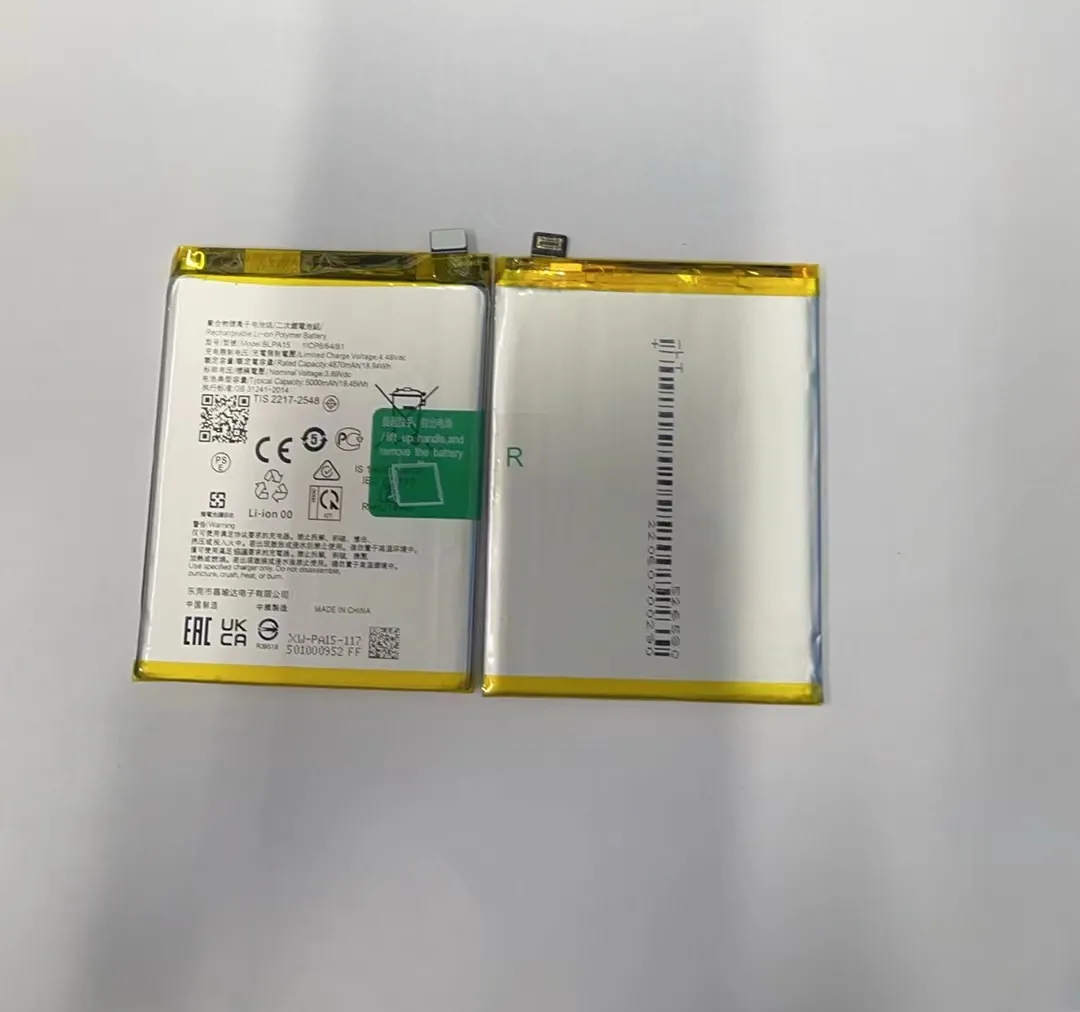
I work with phone batteries every day in my business, and I test many models from different brands. I learn that the chemistry matters because it shapes weight, safety, heat control, and the final price. I want to break this down in a simple way so readers can see what choices exist and why most brands stay with the same battery types.
Main types used today
I see three main types in the market:
| Battery Type | Common Use | Key Strengths | Key Limits |
|---|---|---|---|
| Lithium-ion (Li-ion) | Most smartphones | Long cycle life, stable | Slightly heavier case |
| Lithium-polymer (Li-Po) | Slim phones | Thin design, flexible shape | More expensive |
| Experimental solid-state | Prototypes | High safety, high density | Not mass-produced |
Why brands pick these chemistries
I talk with many repair shops, and they tell me they prefer Li-Po when they want thin batteries for premium phones. They prefer Li-ion for stable stock models because Li-ion handles daily heat better in low-cost phones.
How each chemistry affects the user
I see that Li-ion holds up well under heavy use. The internal cell stays more stable in long hours of gaming or long calls. Li-Po helps designers make slim phones but may cost more.
Simple summary
The chemistries we see today dominate because they give the best mix of safety, price, and shape freedom. In my work I rarely see other chemistries in real orders.
How do specs affect battery choice?
Many users feel confused when they see numbers like mAh, voltage, and watt hours. They want a simple answer.
Battery choice depends on capacity, voltage, discharge rate, size limits, and charge speed requirements, which together guide the best match for each phone model.
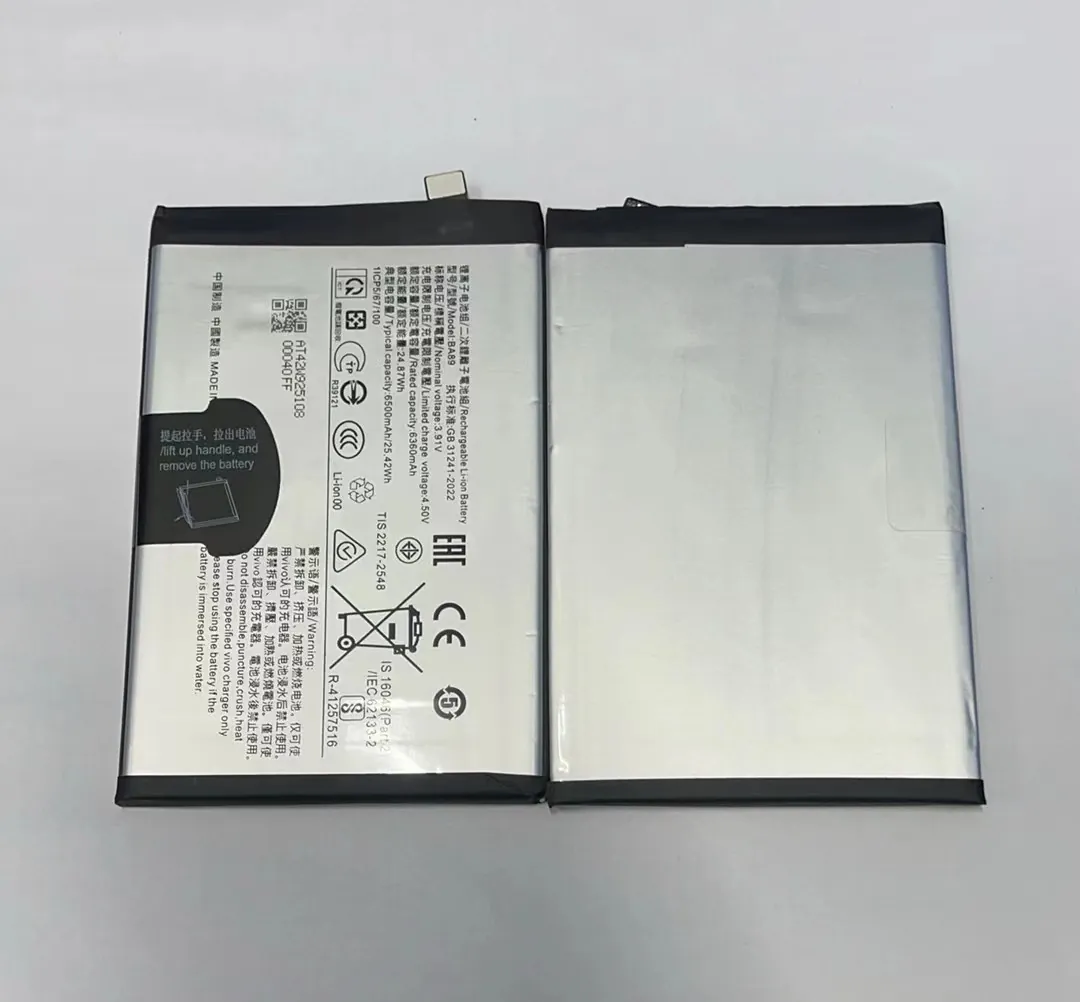
My customers ask me almost every week what battery they should choose for a repair job. They want to avoid returns and complaints. I explain that the battery specs must match the phone design, or problems appear.
Key specs that matter
Here are the main specs I check when I test or source batteries:
| Spec | Meaning | Why It Matters |
|---|---|---|
| Capacity (mAh) | Stored energy | Affects run time |
| Voltage (V) | Electrical strength | Must match phone board |
| Watt-hours (Wh) | Total energy output | Used for safety rating |
| Size (mm) | Shape and thickness | Must fit the housing |
| C-rate | Discharge speed | Helps with fast charging |
| Cycle life | Charge cycles | Affects long-term value |
How these specs change the choice
mAh and real performance
I see many customers focus only on mAh. But I learned that high mAh does not always mean better. If the chemical cells are low quality, the battery may swell fast. I tell customers to look for tested capacity instead of numbers printed on a label.
Voltage and safety
Voltage must match the motherboard. If the voltage is wrong, the phone may restart or heat up. I test voltage levels three times before shipping orders. This helps reduce after-sales issues.
C-rate and fast charging
Many phones support fast charging. They need a battery that can handle high current. If the battery cannot support this, it heats up. Heat destroys the battery life. I see this problem in low-quality stock from unknown suppliers.
Why the right specs reduce returns
I learned that returns often happen when the battery size is off by even 1 mm. A small mismatch can press against the screen. This may cause the screen to lift. This is why I always check the size with a digital caliper before I send a bulk order.
Why lithium-ion leads the market?
Many people ask why phone makers and repair shops still use Li-ion even after years of new technology talk.
Lithium-ion leads the market because it offers the best mix of stable performance, long life, low cost, and proven safety for mass production.
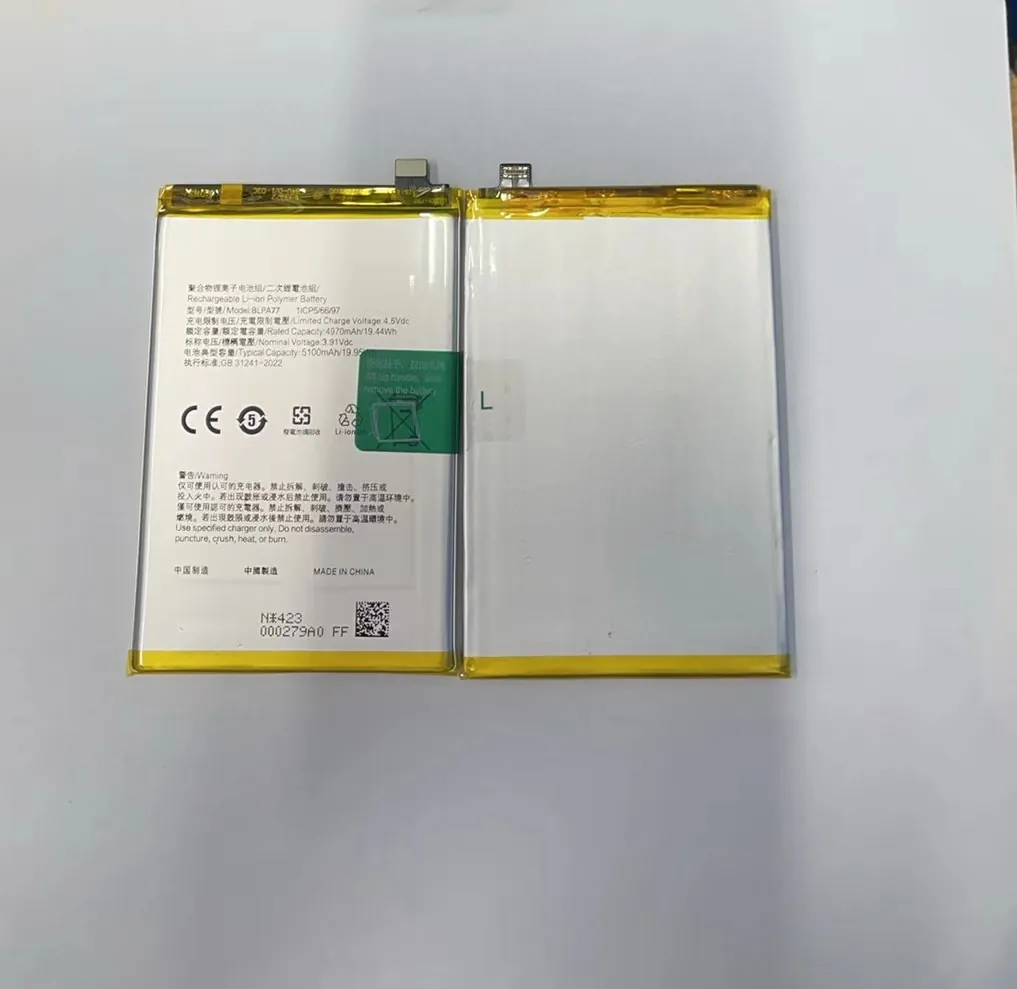
I handle thousands of Li-ion batteries in a year, so I see how stable this chemistry is. It gives predictable results for small and large orders. This stability reduces risk for repair shops.
Why Li-ion stays strong
Proven stability
Li-ion works well under wide temperature ranges. I see that many returns come from swelling caused by heat. Good Li-ion batteries control this better.
Good cost for large orders
Li-ion production lines are mature. The cost is low. Many shops pick Li-ion when they want a reliable battery at a good price.
Ease of testing
I run charge and discharge tests daily. Li-ion reacts in a stable pattern. I can find weak cells early.
Li-ion vs. Li-Po in daily repair work
Li-Po is lighter and thinner. Many flagship phones move to Li-Po. But Li-ion stays popular because it gives more cycles and handles heat well.
The future
I hear a lot of talk about solid-state batteries. But I tell customers that these are not ready yet. Until the cost falls and the production becomes steady, Li-ion will still lead.
Which factors shape battery trends?
Many people wonder what forces push the battery market forward.
Battery trends are shaped by fast charging, high-drain apps, slim designs, new safety rules, supply chain pressure, and brand competition.
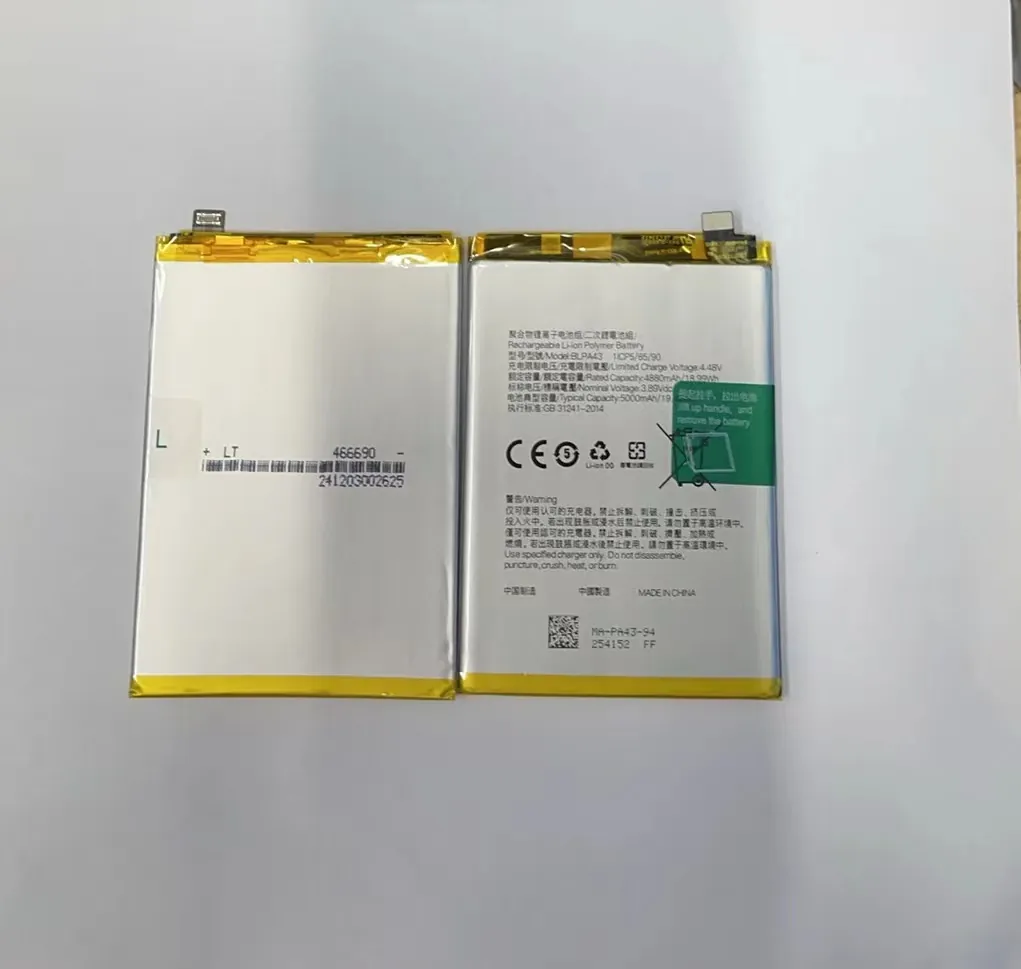
I watch these trends every year in my work, and I see how phone brands and repair shops adjust their orders.
Main factors I see
Fast charging pressure
Many phones now support 65W or higher charging. This demand forces suppliers to build safer and stronger cells. I test each batch with high-current charging to avoid safety problems.
Thinner phone designs
Brands want thin phones. This forces more orders for Li-Po instead of Li-ion. Li-Po shape flexibility helps designers fit the battery better.
Larger screens and heavy apps
Large screens need more power. Games and social apps also drain faster. This pushes up demand for higher mAh batteries.
New safety rules
Some countries ask for better safety standards. This forces factories to upgrade materials. I notice this in cost changes and production timelines.
Market movement I see in orders
More repair shops now ask for batteries with proof of cycle testing. They want stable quality because customers use phones longer. This shifts the market toward better cell grades.
What this means for the future
The market will move slowly to new materials, but mass adoption takes time. I see steady updates, not big jumps.
Conclusion
Most modern phones still use lithium-ion and lithium-polymer batteries because they offer reliable performance, thin designs, and stable safety. These chemistries stay strong due to cost, test results, and user needs. I believe they will remain the main choice for many years.
