
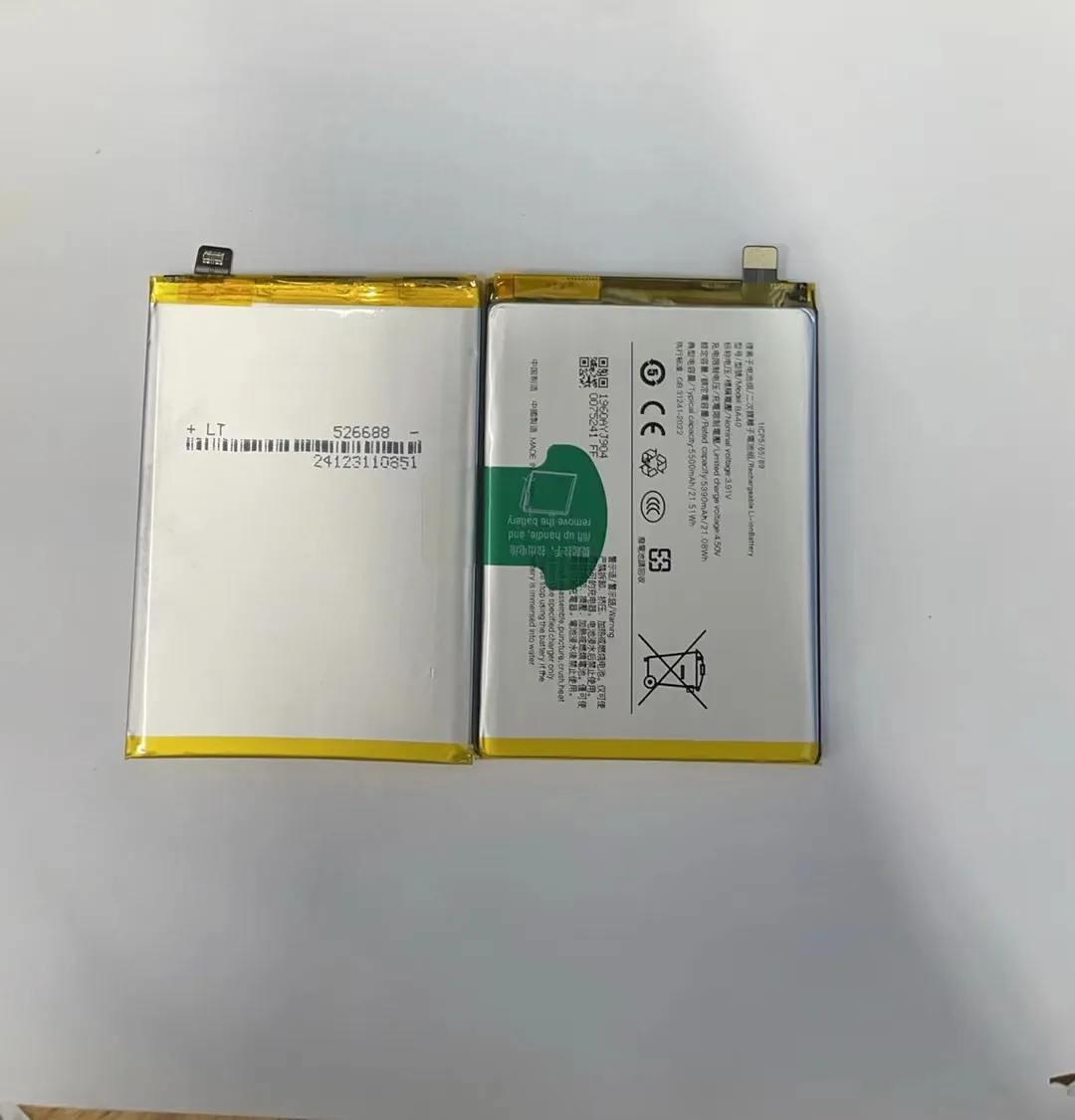
Many phones today drain faster, making people ask: what battery is inside and why? This question matters more than ever.
Most modern smartphones use lithium-ion (Li-ion) batteries due to their energy density, safety, and long lifespan. These batteries power almost every device from basic phones to premium models.
Understanding why certain batteries are used in phones helps phone repair businesses make better decisions and explain products clearly to customers.
What battery types are common in smartphones?
Battery life is often the first complaint users make. The type of battery inside a phone directly affects how long it lasts, how safe it is, and even how thick the phone can be.
Smartphones mostly use lithium-ion or lithium-polymer batteries. Older devices used nickel-based batteries, but those are now outdated and rare.
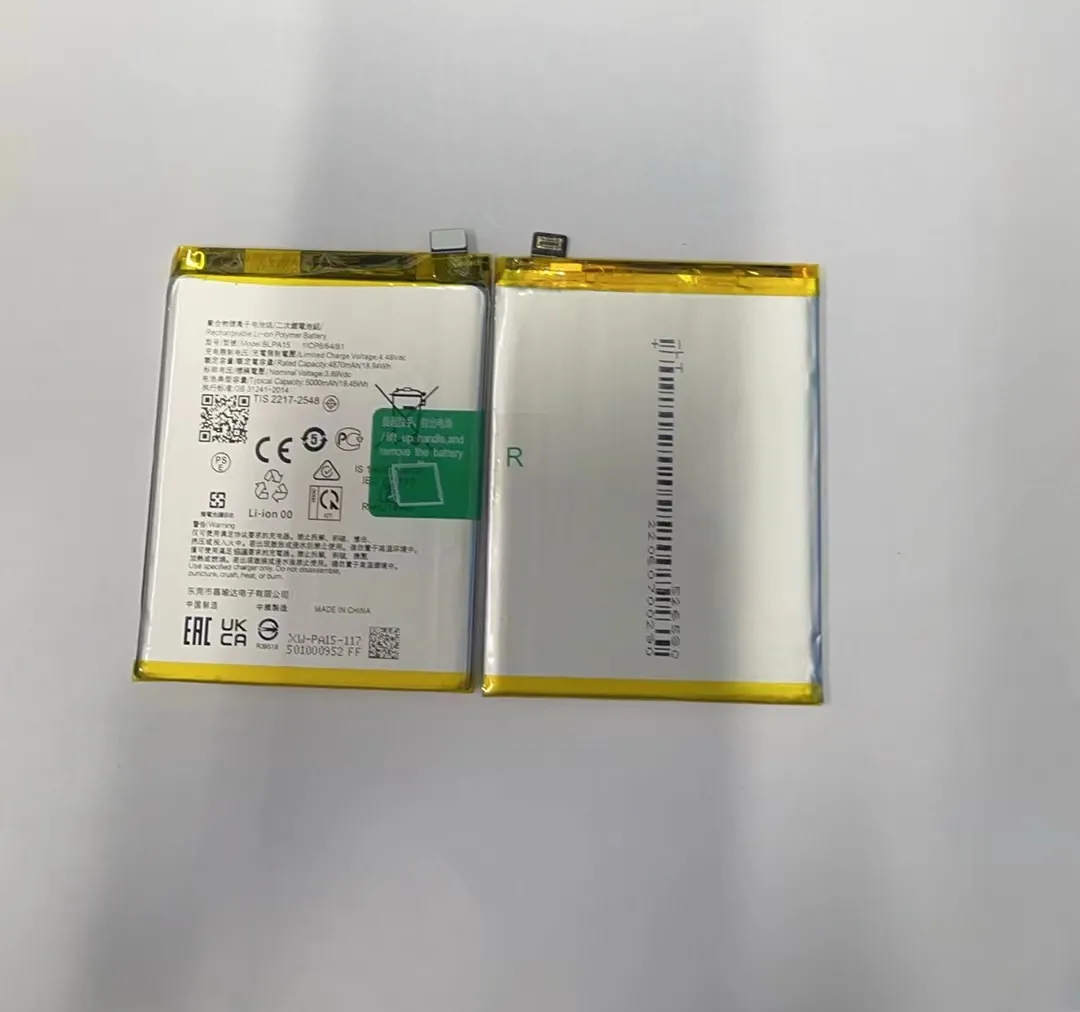
Most Used Battery Types
Smartphone batteries have evolved with technology. Here’s a breakdown:
| Battery Type | Common Use Cases | Strengths | Weaknesses |
|---|---|---|---|
| Li-ion | Most modern smartphones | High energy, long life | Can swell if damaged |
| Li-polymer (Li-Po) | Slim or high-end smartphones | Flexible size, safer | Slightly more expensive |
| Nickel-Cadmium | Early mobile phones | Durable | Memory effect, heavy |
| Nickel-Metal-Hydride | Rare in phones now | Less toxic than Ni-Cd | Low energy density |
Li-ion and Li-Po are now the default. Li-ion is stable and gives more energy. Li-Po is lighter and fits more shapes. That’s why thin phones or custom-size phones may use Li-Po.
Transition from Old to New
Years ago, Ni-Cd and NiMH batteries were common. But they were heavy, lost charge quickly, and had memory issues. As phones got smarter and thinner, battery tech needed to improve.
Li-ion came in and replaced almost everything. It stores more energy for its weight. This changed how phones were made and used.
How do manufacturers select battery chemistry?
Battery failures can harm a brand. So picking the right chemistry is not just a tech choice—it’s also a business decision.
Manufacturers choose batteries based on size, cost, energy needs, safety, and phone design. Li-ion and Li-Po offer the best balance across all these areas.
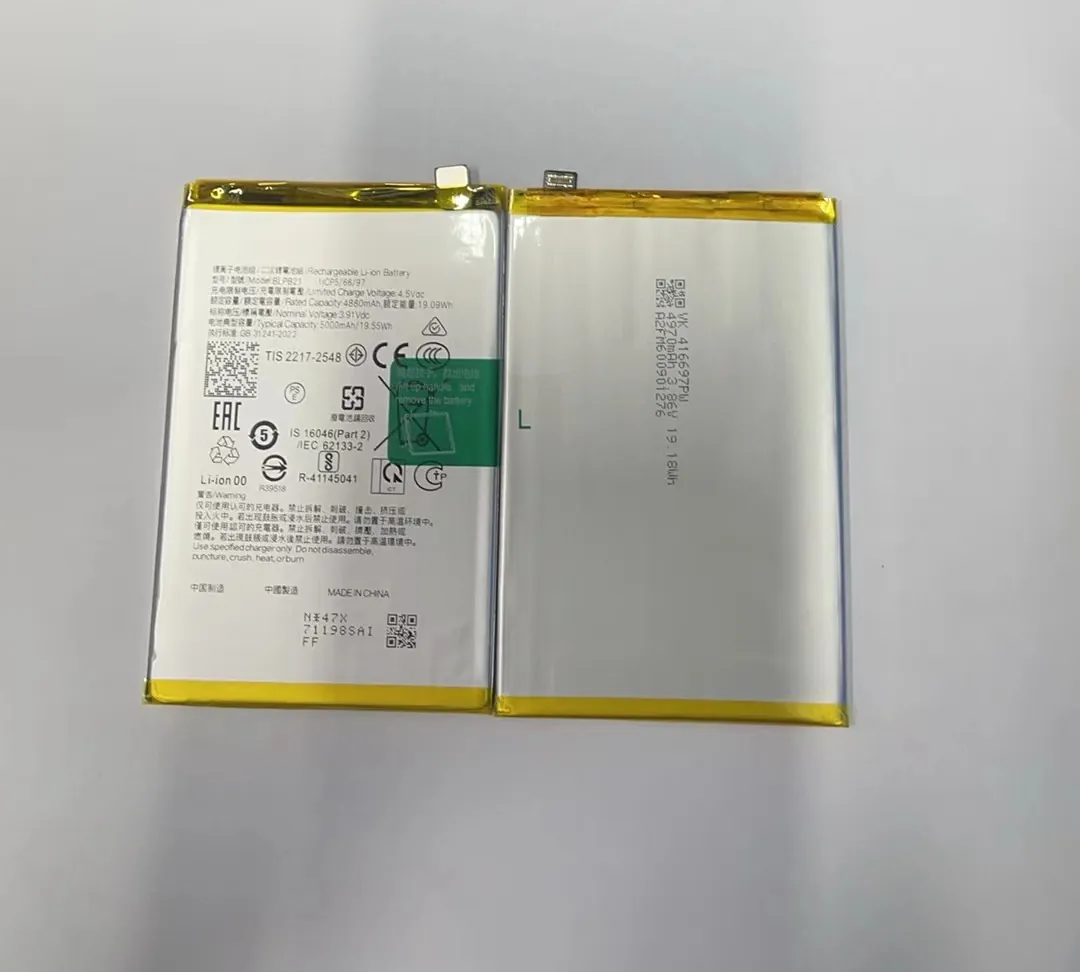
Factors That Influence Battery Choice
Manufacturers don’t choose batteries at random. Here are the key points they think about:
| Factor | Why It Matters |
|---|---|
| Energy Density | Higher energy means longer usage |
| Physical Size | Smaller batteries allow thinner phones |
| Cost | Affects phone pricing |
| Charging Speed | Faster charging is now a user expectation |
| Safety | Prevents overheating or fire |
| Lifespan | Users expect phones to last 2–3 years or more |
For example, a gaming phone needs high performance. So, it might use a larger Li-ion battery. A foldable phone needs flexibility—so it may use Li-Po.
Design vs. Performance
Phone makers always balance size and battery life. Bigger batteries give more hours, but make phones heavier. Small ones look sleek but drain faster.
They also think about market trends. Fast charging is popular now. So, the battery must handle that safely without overheating.
Choosing chemistry is not just technical—it is strategic. One wrong choice can mean more returns, or even bad headlines.
Why is lithium-ion widely adopted?
Users now expect phones to last a day or more and charge in under an hour. Few battery types can meet this demand.
Lithium-ion batteries offer the best mix of power, weight, safety, and cost. That’s why almost all smartphones today use them.

Key Advantages of Lithium-ion
Li-ion changed the electronics world. Before it, batteries were heavy and slow to charge. Li-ion changed that.
Here are the main reasons it’s used:
- High Energy Density: It stores more energy in a smaller space.
- Long Lifespan: It handles many charge cycles.
- Fast Charging: Works well with quick-charge tech.
- Lightweight: Makes phones easier to hold and carry.
- Low Maintenance: No full discharge needed.
- Lower Memory Effect: Keeps performance over time.
Li-ion batteries are also easy to shape into different sizes. This helps phone makers design better phones.
Why Not Something Else?
Other chemistries don’t compare:
- NiMH: Heavier, needs frequent charging.
- Ni-Cd: Toxic and loses charge quickly.
- Lead-acid: Too heavy for handheld devices.
That’s why you don’t see them in phones anymore.
Are newer battery technologies being used?
Tech changes fast, and battery research never stops. Companies always look for ways to charge faster and last longer.
Yes, some companies test solid-state and graphene batteries, but lithium-ion remains the main option for now.
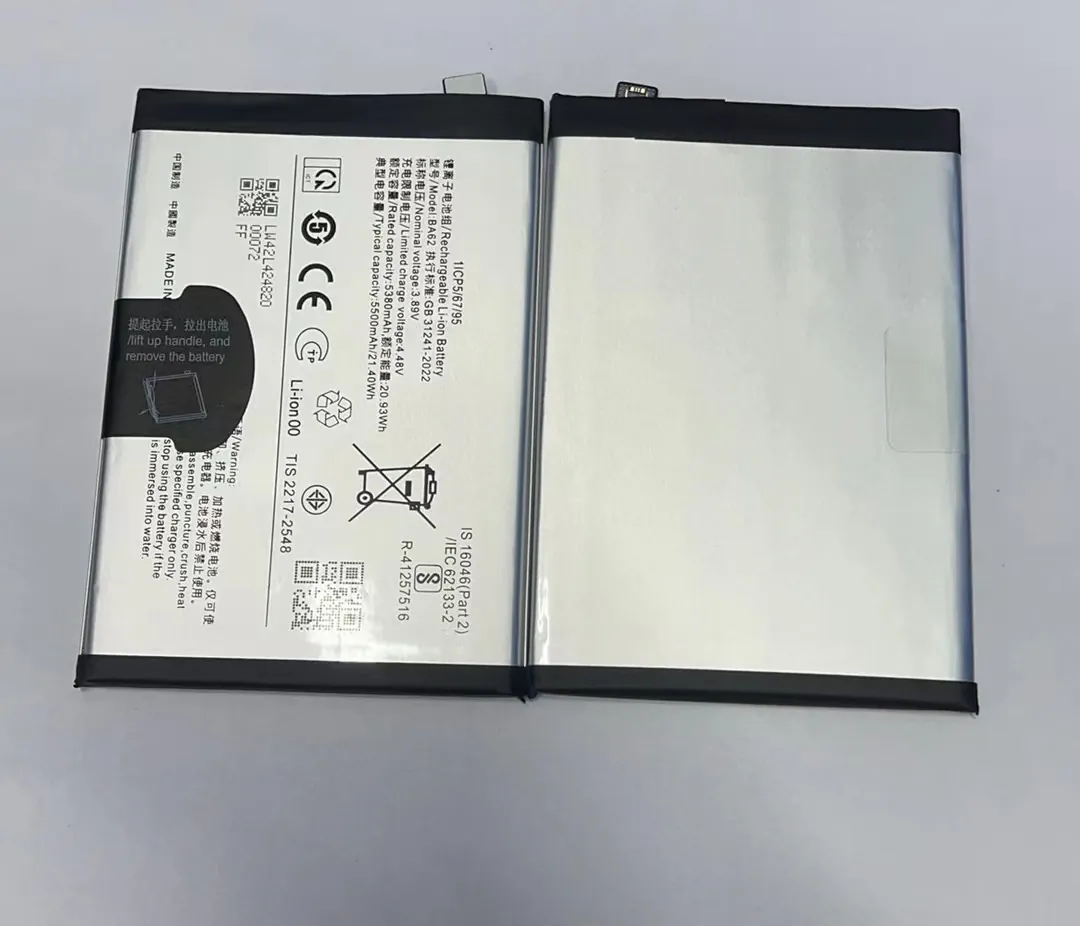
What’s Coming Next?
Battery labs are testing new ideas. Here are some examples:
- Solid-State Batteries: Replace liquid with solid. Safer and denser.
- Graphene Batteries: Charge faster, longer lifespan.
- Lithium-Silicon: Boosts capacity compared to current anodes.
- Aluminum-Air Batteries: Still experimental, very high energy.
But these are not ready yet. Most are in testing or used only in special cases.
Why Change Is Slow
Switching batteries is hard. It’s not just about making a better battery. It’s also about:
- Changing factories
- Passing safety rules
- Designing new phones
- Training staff
- Managing costs
Most brands stick with Li-ion for now. It works. It’s cheap. It’s safe. Until the new tech proves better in real life, change will be slow.
When solid-state or graphene batteries arrive, they could change everything. But that day is not today.
Conclusion
Smartphones almost always use lithium-ion or lithium-polymer batteries. They offer the right mix of energy, size, safety, and price. While newer battery types are being developed, Li-ion remains the best and most reliable choice for now.
