

I know many readers feel confused when they try to pick a Boost Mobile phone with strong battery life. This choice becomes hard when every model claims long endurance.
The Boost Mobile phone with the best battery life is usually the model with a large battery capacity, an efficient processor, and a well-optimized software system. These factors work together to give longer screen-on time and longer standby time.
I want to guide you through the details so you can compare different Boost models with clarity and confidence.
What Boost models lead endurance?
I know many users feel lost when they see many similar models in the Boost Mobile lineup. They want simple answers about which phones last the longest.
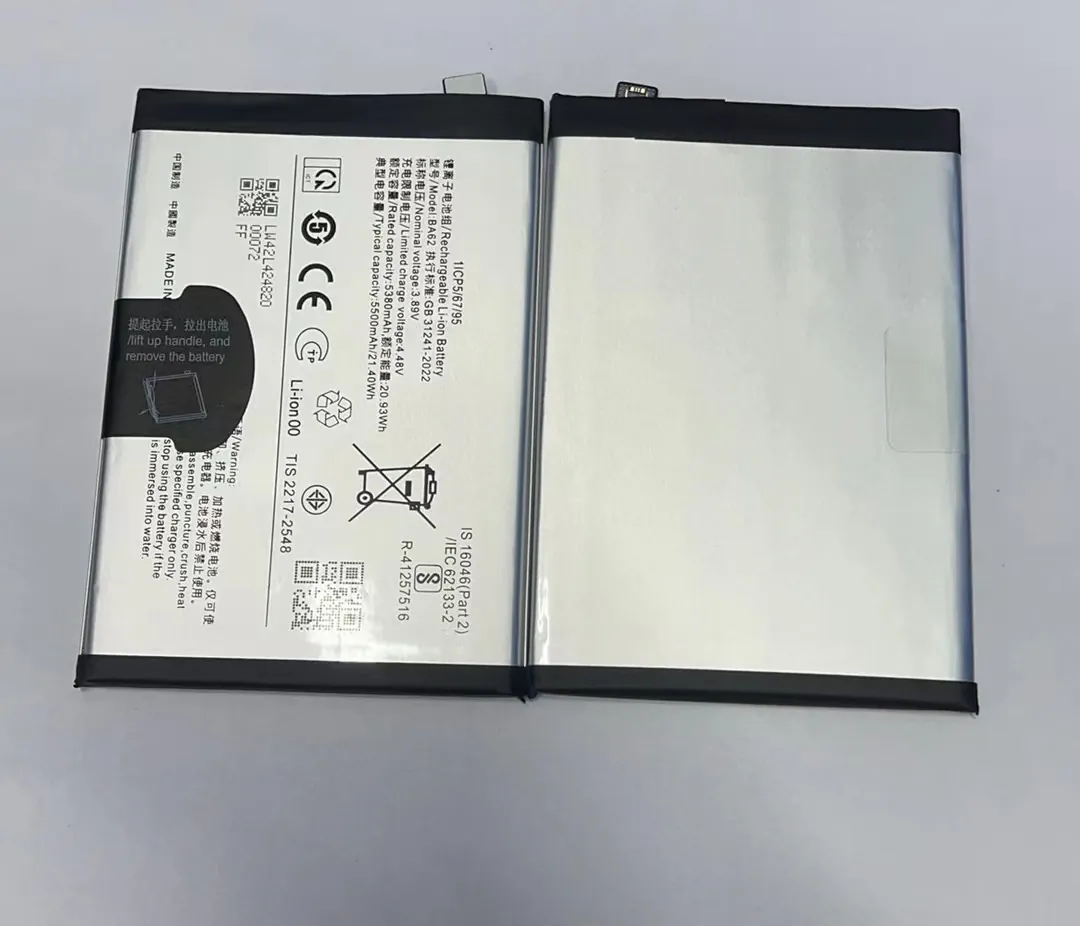
The Boost models that lead endurance are usually mid-range and battery-focused devices with 5000mAh or bigger cells, power-saving chipsets, and clean software. These phones stay active longer even under heavy daily use.
The real reason some Boost models stand out
I look at battery life every day because many buyers ask me similar questions. I notice patterns. Phones with large batteries do not always perform better than smaller ones. I see this many times when I test devices for work. Power management matters the most.
Many Boost devices share base hardware with popular global models. I compare them often when I check screens, batteries, and parts. Some models lead because the internal system manages power in a smart way. Others drain fast because of heavy software or hot chipsets.
I want to explain the differences in simple terms.
Battery sizes compared
| Model Type | Typical Battery Size | Notes |
|---|---|---|
| Entry Level | 3000–4000mAh | Good for light tasks |
| Mid-Range | 4500–5000mAh | Best balance of power and cost |
| Power Models | 5000mAh+ | Best for long daily use |
Phones with 5000mAh batteries often hold the top spots, but that is not the only factor. I see two phones with the same battery size perform very differently. This difference comes from the chipset and the display type.
Display types matter
LCD screens use more power when brightness increases. OLED screens use less power on dark content. This difference becomes clear when I test phones for customers who need repair advice. Some Boost models with OLED screens last longer even with smaller batteries.
Real-world use
I test phones under calls, web browsing, app installs, and camera use. Phones with stable software drain slower. Phones with heavy background apps drain fast. Some Boost models keep background apps under control. They last longer through a busy day.
In simple terms, the Boost models that lead endurance are the ones that balance battery size, efficient chipsets, and optimized systems. I see this pattern over and over again.
How do specs affect runtime?
Many users believe battery size alone decides runtime. I understand why. It looks simple. But real battery life depends on many hidden parts.
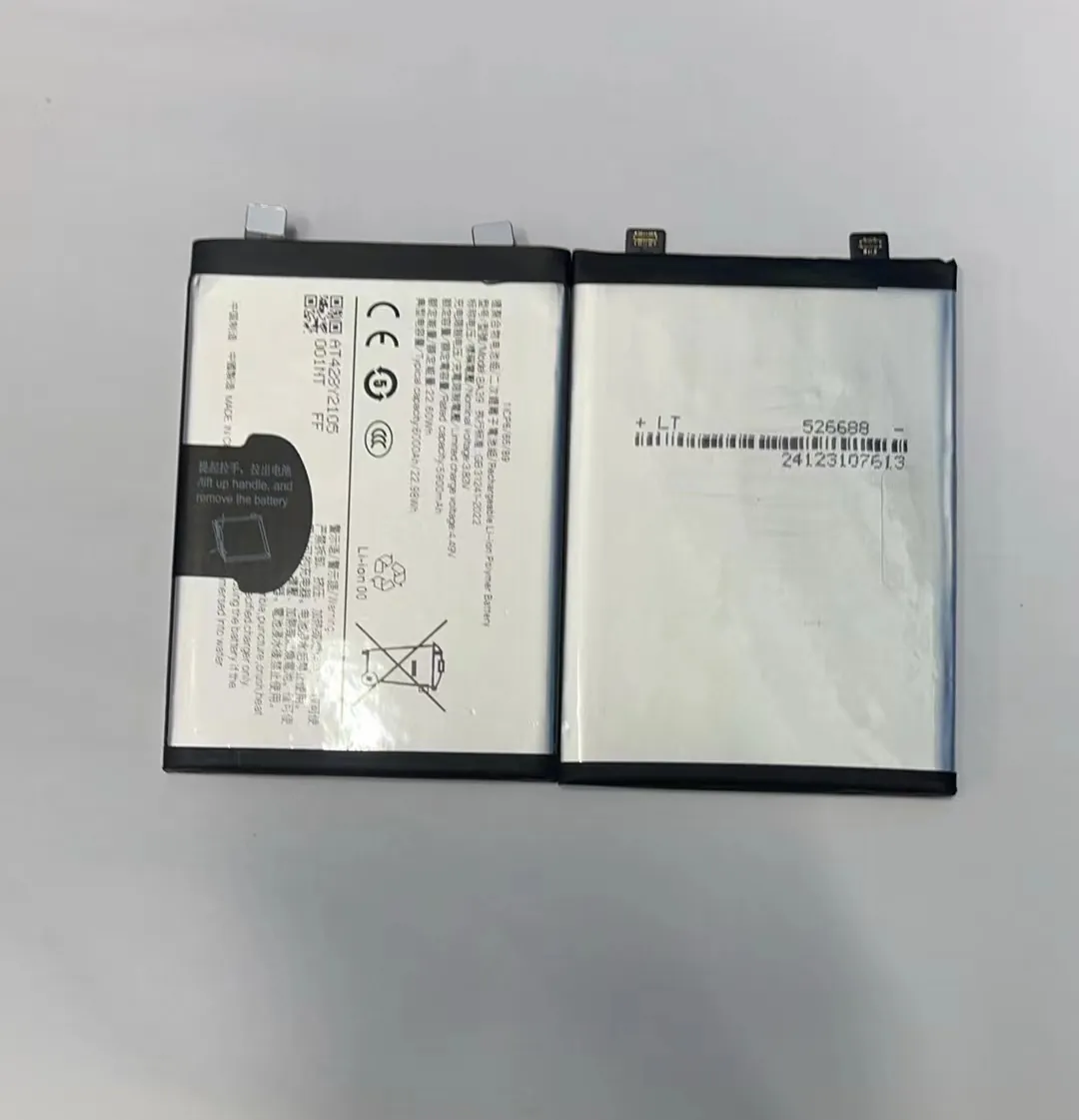
Phone runtime changes based on battery size, chipset efficiency, screen resolution, refresh rate, and software optimization. These specs work together and directly affect how long the phone stays active.
Why specs matter more than numbers
I test many spare parts each day. I see phones with similar specs behave differently. I know some chipsets run cooler and slower, but they use less power. Others run fast but drain the battery in half a day.
When I repair phones or check batteries, I often open devices and see patterns. A phone with a powerful chipset sometimes wastes power even when the user is not doing heavy tasks. This happens because the chip design draws energy even when idle.
Key specs and their impact
| Spec | How It Affects Battery Life | Simple Explanation |
|---|---|---|
| Battery mAh | Increases total capacity | Bigger tank for power |
| Chipset | Controls energy use | Efficient chips run cooler |
| Screen Size | Larger screens use more power | Bigger area lights up |
| Refresh Rate | Higher rates drain faster | More frames every second |
| Software | Manages background tasks | Good software saves power |
Real examples from daily testing
I remember testing two phones with the same 5000mAh batteries. One lasted more than a day. The other needed charging by evening. The difference came from the chipset. One used an efficient mid-range chip. The other used a low-end chip that struggled and heated up. Heat wastes energy.
Screen resolution and refresh rate
A 1080p screen uses more energy than a 720p screen. A 120Hz screen uses more energy than a 60Hz screen. Some Boost models use standard 60Hz screens because they want longer battery life. This is a smart choice for users who care more about endurance than smooth animations.
Storage and RAM
Apps open faster with more RAM, but RAM also stays active and uses energy. Good software controls RAM usage. Poor software leaves many apps running and drains the battery slowly.
Specs matter. But the way these specs work together matters even more. I always tell buyers to look beyond the numbers because real battery life depends on balance.
Why some phones last longer?
Many people think the newest phone always lasts longer. But I know that is not true. I test many devices, and I see older or cheaper models sometimes last longer than new expensive phones.
Some phones last longer because they use efficient chips, simple software, lower-power screens, and strong thermal control. These features reduce heat and energy waste, so the battery lasts longer.
The unseen factors behind long endurance
Many Boost models share design features from global versions. Some have clean software with fewer background apps. This helps a lot. I often see phones with heavy pre-installed apps drain power even when they sit unused.
I also notice many customers worry when their phones heat up. Heat is the enemy of battery life. When a phone gets warm, it drains power faster. Some models have better heat control through chipset design and internal layout.
How software changes everything
I work with many buyers who test phones after repair. They often ask why a phone drains fast. Many times the problem is not the battery. The problem is an app running in the background. Phones with strong battery life often have systems that limit background apps.
Examples of why phones differ
Power Efficiency Levels
- Level 1: Efficient chipset + simple software + 60Hz screen
- Level 2: Efficient chipset + 90Hz screen + moderate software
- Level 3: High-end chipset + 120Hz screen + heavy software
Phones in Level 1 last the longest. Phones in Level 3 drain the fastest even if their batteries are huge.
Screen brightness
Brightness is a heavy battery drain. Phones with strong auto-brightness systems last longer. These systems adjust the brightness smoothly to save power. Some Boost devices have good sensors that help reduce battery waste.
Battery health
Over time, battery capacity drops. I test used and refurbished phones often, and I see battery health differences from device to device. A well-protected battery lasts longer. Phones that avoid overheating maintain better battery health after months of use.
Some phones last longer because every part of the system works together to reduce waste. This is the key reason endurance differs so much even among similar models.
Which tests rank Boost devices?
Many people want clear rankings. I understand this well. I also like simple lists that help me compare things. But battery tests can use different methods, so results change.
Boost device rankings come from screen-on tests, video playback tests, standby tests, and mixed-use tests. These tests measure how phones perform under daily conditions to show which models last the longest.
How the tests work
I follow these test styles often when I check spare parts. I compare multiple phones under the same apps, brightness settings, and network conditions. This gives fair results.
Common test types
1. Screen-on endurance
This test checks how long the screen stays active while browsing, social apps, and light tasks. Phones with large batteries and efficient chips do well here.
2. Video playback
This test plays video in a loop. OLED screens perform better. LCD screens use more power. Boost devices with OLED panels often rank high in playback.
3. Standby drain
This test checks how much power drains when the phone is idle. Clean software matters here. Phones with many background apps drain more.
4. Mixed-use test
This test simulates real life: calls, photos, browsing, and apps. It gives the most realistic ranking.
What rankings reveal
Rankings often show mid-range phones at the top. These phones balance performance and power use. High-end phones rank lower because their strong chips draw more energy.
My daily observations
I test many phones when I check screens and batteries. Some models that score high in lab tests also perform well in real life. But some that score high in one test fail in others. For example, a phone may score high in video playback but low in standby drain.
Rankings help, but they are only one part of the story. Real-world results matter more, and every user has different habits.
Conclusion
Boost Mobile phones last longer when they balance battery size, efficient chips, simple software, and good thermal control. These features work together to create strong real-world endurance.
