

I see many people feel stressed because their phones die fast, and they do not know which brand offers the best battery life.
The best mobile phone for battery life is the one that balances a big battery, efficient hardware, clean software, and smart power management. Phones with strong endurance often use optimized chips, simple systems, and large battery capacities.
I want to guide you through the key things that make a phone last longer, so you can make a choice that feels right and works well every day.
What brands lead battery endurance?
I notice that many users feel confused because every brand claims great battery life, but the real results are very different.
Brands like Asus, Samsung, Xiaomi, and Apple often lead battery endurance because they pair optimized chips with stable systems and efficient displays. They focus on power management, not just battery size.
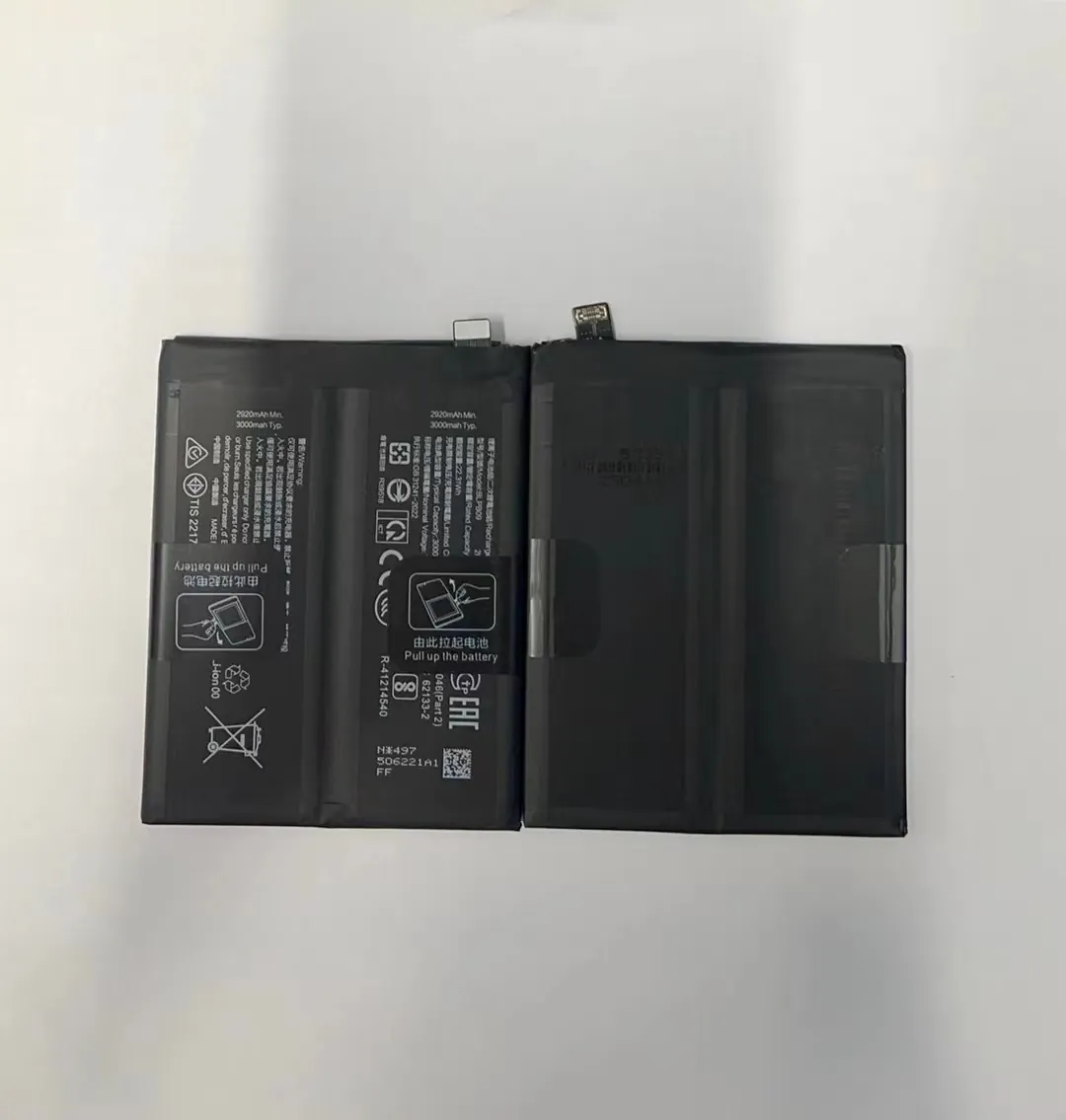
Why some brands stand out
I like to study how different companies design their phones. I see the same pattern every year. The brands that win battery tests do not always use the biggest battery. They win because they build a full system that saves power. They match the chip, software, display, and battery so they work smoothly together.
How I compare endurance leaders
I will show you a simple table that I often use when I compare phones for battery life. This table focuses on four important parts: battery size, chip efficiency, software optimization, and fast-charge support.
| Brand | Battery Strength | Chip Efficiency | Software Optimization | Fast Charging |
|---|---|---|---|---|
| Asus | Very strong | Very high | Very stable | Very fast |
| Samsung | Strong | High | Stable | Fast |
| Xiaomi | Strong | High | Moderate | Very fast |
| Apple | Moderate | Very high | Very strong | Moderate |
A deeper look at brand performance
When I test phones from these brands, I see clear differences. Asus often wins because it uses clean software and efficient gaming chips. Samsung does well because its displays are efficient and its software is more refined each year. Xiaomi usually gives large batteries and strong fast charging, but its system uses a bit more power. Apple often uses smaller batteries, but the chip and software work so well together that real-life use still feels strong.
I also see that some brands try to impress customers with big numbers, but the numbers do not always tell the full story. A big battery helps, but the system must understand how to use it wisely. Phones with smart power control last longer in standby, in games, in video streaming, and in daily apps. So when I look for the best brand for battery life, I check balance, not size.
How do specs affect longevity?
Many people ask me why two phones with the same battery size still have very different battery life.
Battery longevity depends on battery size, display type, refresh rate, chip efficiency, software design, network conditions, and fast-charge heat control. These factors decide how fast a phone drains power.
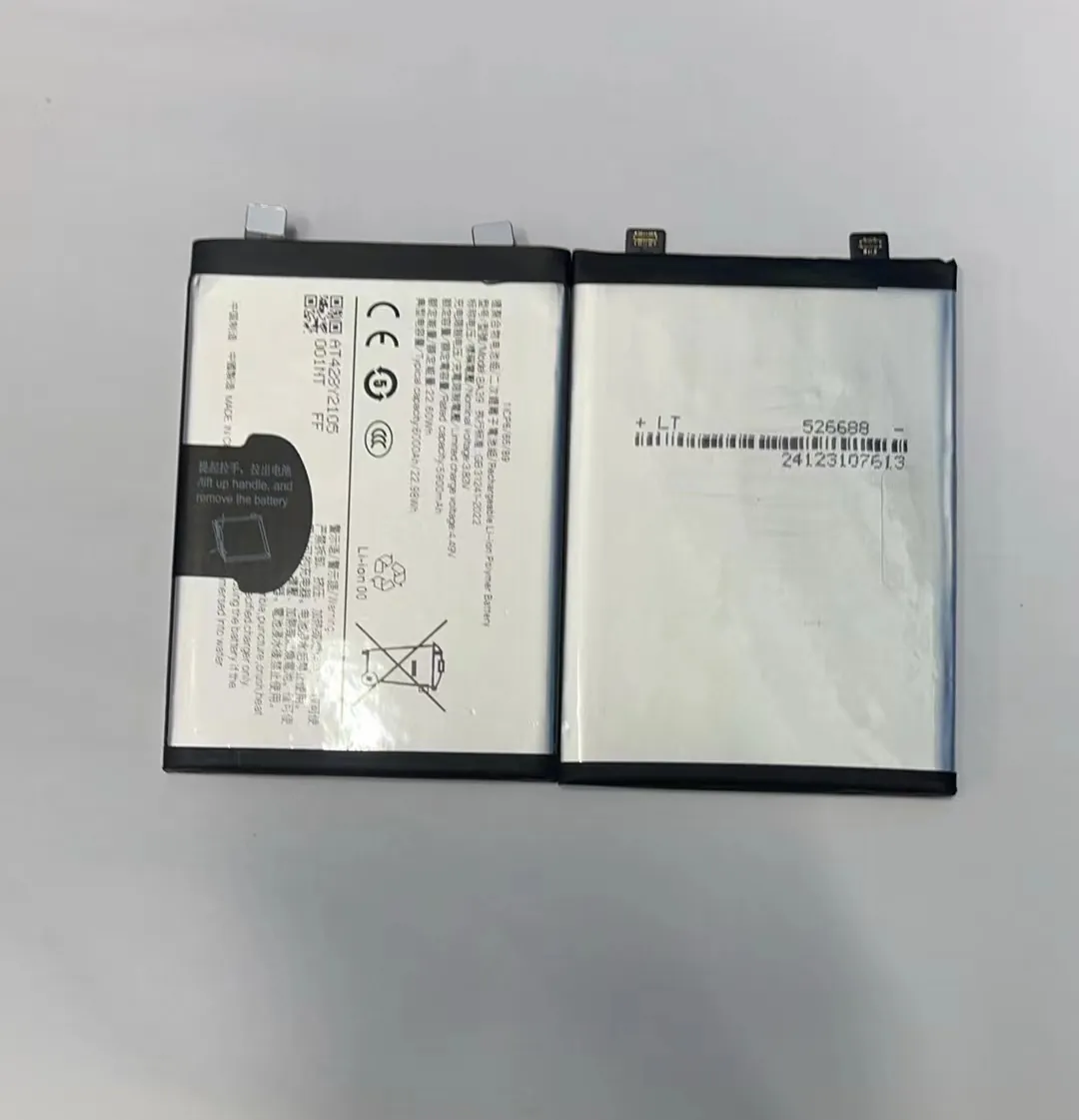
The specs that shape battery life
I learned over time that every spec plays a role. A phone is like a small machine. Every part uses power. When one part uses too much, the whole system drains faster. I like to break the phone down into several key pieces, so it is easier to understand.
Spec impact table
| Phone Spec | How It Affects Battery Life | My Notes |
|---|---|---|
| Battery size | Gives total capacity | Bigger helps but not enough alone |
| Display type | OLED saves more power | Cheap LCD drains more |
| Refresh rate | High Hz drains faster | Adaptive refresh helps |
| Chip efficiency | Controls overall use | Newer chips usually last longer |
| Network | 5G drains faster | Weak signal drains even more |
| Software | Controls background apps | Clean systems last longer |
A deeper breakdown of battery-draining specs
I want to show you some simple examples from my daily tests. When I run a phone with a 120Hz display, the battery drops fast if the screen does not adjust the refresh rate. But when the phone uses an adaptive refresh system, the screen lowers its rate when you scroll slowly or read. This saves a lot of power.
Chip efficiency also matters. Newer chips use less power because they can perform the same work with less stress. This means the phone stays cool. A cool phone drains less. A hot phone drains more. I learned this from many long gaming sessions where older chips would heat up fast.
Software also plays a big part. Some systems keep many apps running in the background. This makes the phone drain even when you do nothing. A clean and well-tuned system sleeps deeper and wakes smarter. When I test phones with different systems, I see how this small detail makes a big gap in endurance.
Many people forget network signals. When the signal is weak, your phone boosts its power to stay connected. This drains the battery very fast. So when I test phones, I test them in areas with both strong and weak networks. Some phones handle weak signal better and lose less power.
Why do some phones outperform others?
Many users feel puzzled when a phone with a smaller battery lasts longer than one with a bigger battery.
Some phones outperform others because they use efficient chips, adaptive displays, clean software, thermal control, and optimized background processes. These factors keep the phone cool and reduce power waste.

I often see people judge phones only by battery size. But I learned that battery winners are usually smart, not big. These phones focus on saving power in every small place. They lower refresh rate. They reduce background activity. They cool the chip when it gets hot. They close apps that do not follow rules.
Key elements of battery performance
Here are some of the most important elements that make one phone beat another:
1. Thermal control
A phone that stays cool lasts longer. When a phone heats up, the system boosts the fan curve (if available), reduces efficiency, and drains power fast. I see this every time I run heavy apps.
2. Background process control
Some phones let apps run too freely. Many apps stay active. This drains power silently. Good phones monitor this and close or freeze apps that use too much.
3. Display power tuning
The display is the biggest power user in a phone. A good display lowers brightness smartly, adjusts refresh rate, and manages color output.
4. Chip and system teamwork
The chip must understand the system. When they work together well, they reduce power use in small but important ways.
A deeper look at why performance varies
I want to share an example from a long test I did. I tested two phones with the same 5000 mAh battery. Phone A used an older chip and a fixed 90Hz screen. Phone B used a newer chip and an adaptive 120Hz system. Phone A drained faster even though it used a lower refresh rate. The reason was simple. Phone B reduced power use when the screen was still. Phone A stayed locked at 90Hz and wasted energy.
Another example is software behavior. Some phones from certain brands start too many services. These services run in the background. They check notifications. They sync data. They refresh apps. All of this uses power. A phone with cleaner software shuts many of these down when the screen is off.
I also learned that heat is a big enemy. When the phone becomes hot, the chip uses more power even for small tasks. Good phones manage heat better. They use better cooling materials. They reduce background load. They slow the chip when needed. These small steps make battery life better in real use.
Which tests reveal top performers?
Many people ask me how reviewers find which phones have the best battery life.
Battery endurance tests like video playback loops, web browsing cycles, gaming stress tests, standby drain tests, and real-life mixed-use tests reveal the top performers. They show how a phone behaves in different situations.
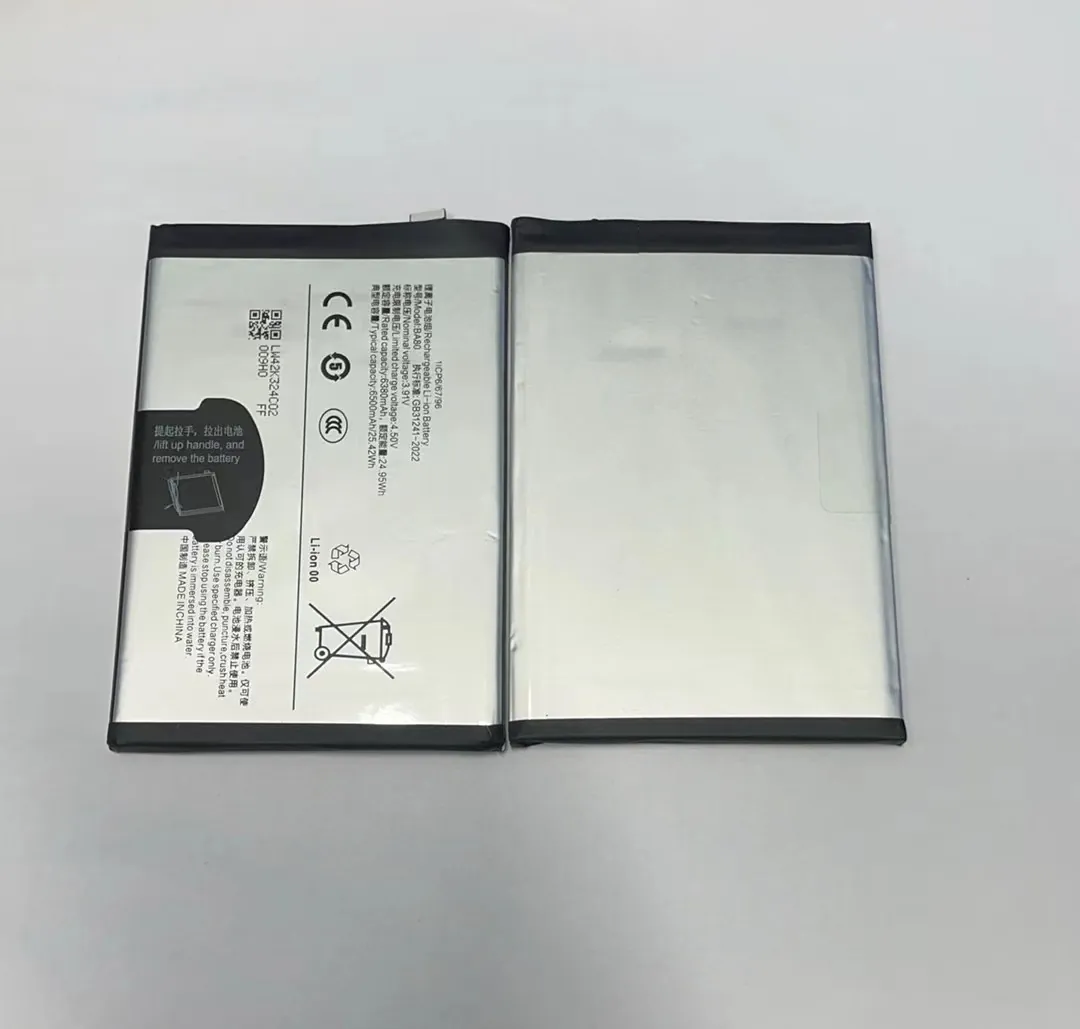
The most useful tests
I rely on several test types when I check battery life. Each test shows a different side of the phone. Some phones do well in video tests but not in gaming tests. Some phones do well in standby but drain fast in social apps.
The main test categories
Here is a list of the tests I trust most when I compare battery life:
1. Video playback test
This shows how a phone handles long media sessions. The display and chip play key roles here. A phone with a good display lasts longer.
2. Web browsing test
This test simulates scrolling and loading pages. It shows how the phone handles light but steady tasks.
3. Gaming endurance test
This test reveals heat and chip efficiency. Heavy games push the phone to its limit. A good phone stays cool and stable.
4. Standby drain test
This test shows how the phone behaves when you do nothing. A phone with good software drains very little in standby.
5. Real-life mixed-use test
This test mixes video, social apps, browsing, photos, and calls. It shows the true daily experience.
A deeper look at testing methods
When I run tests, I try to keep all settings the same. I set brightness to a fixed level. I turn off extra features. I connect to the same network. This gives a fair result.
In video tests, I often see OLED screens last longer than LCD screens. OLED screens save power by turning off black pixels. LCD screens need backlight all the time.
In gaming tests, a strong chip helps, but heat management matters more. I once tested a phone with a powerful chip that drained faster than a weaker one because it got hot very fast.
Standby tests also show big differences. Some phones drain almost nothing overnight. Some lose 8–10% for no reason. This usually means the system has too many active processes.
When I combine all these results, I can clearly see the top performers. These phones show stable performance across all tests. They do not win only in one area. They win in real life.
Conclusion
The best phone for battery life is not the one with the biggest battery. It is the one that balances efficient hardware, smart software, and good thermal control to deliver long and steady endurance every day.
