
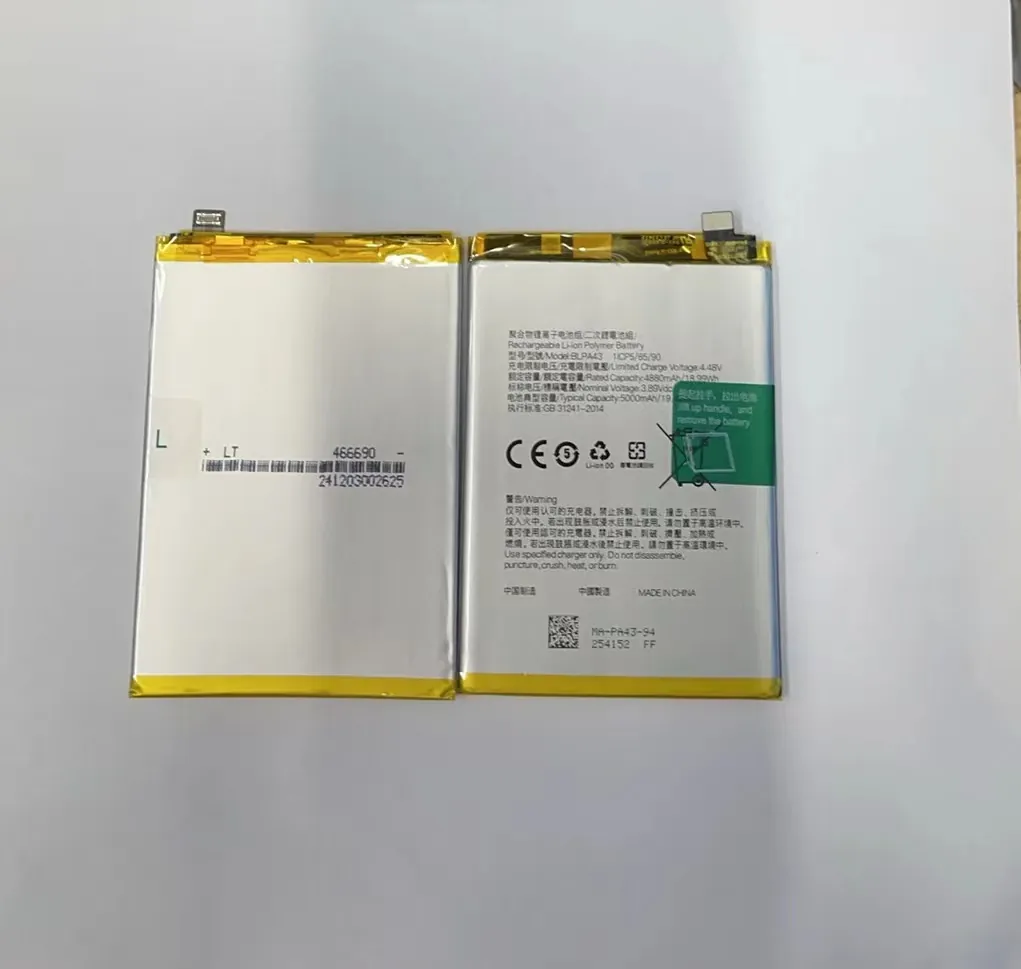
Mobile phones need power that lasts all day. Many people ask why lithium is used most. The reason is linked to energy storage and weight. Batteries must be light and strong.
Lithium is the main metal used in most mobile phone batteries because it holds a lot of energy in a small space. Phones must be thin and light, and lithium helps make that possible. It also moves charge fast, which phones need for apps and video.
Many metals are part of phone battery design. Each metal has a job. Some help store charge, others protect safety, and some extend life. It is not just one metal but a mix that makes good batteries.
Why is lithium the primary material?
Lithium is light and works well to store energy. Batteries with lithium are much lighter than older types like nickel‑cadmium. Phones must be easy to carry. Too much weight makes a phone feel bulky.
Lithium works well because it stores more energy for its weight than other metals. Phone makers want more battery life without bigger phones. Lithium makes this possible.
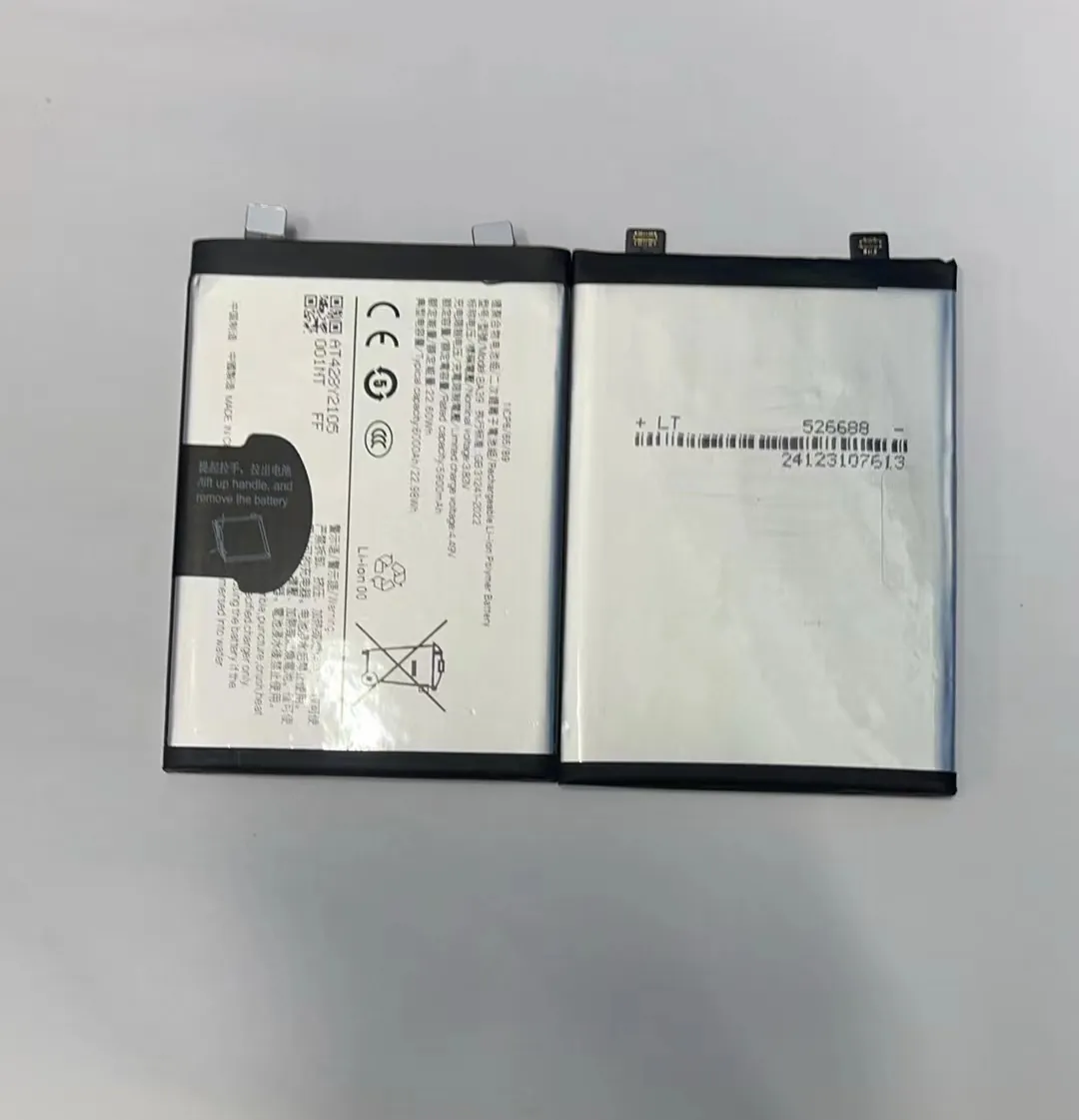
Lithium metal is in the core of the battery. In a lithium battery, lithium ions move between two sides when the phone charges and discharges. This movement stores and releases energy. Other metals help, but lithium is the main actor.
Why lithium stores more energy
Lithium atoms are small and light. A light metal can move easily inside the battery. Small atoms mean more atoms in the same space. More atoms can store more energy.
Older battery types like lead‑acid or nickel‑cadmium were heavier. They also gave less energy. For phones, users want long battery life but in a small case. Lithium beats these older types.
Safety and lithium
Lithium itself can be reactive, so battery design must control it. Battery makers put separators and safety circuits in the battery. This design keeps lithium from causing short circuits. Even with these safety parts, lithium still has a high energy density compared with alternatives.
How lithium compares to other materials
| Metal type | Weight | Energy Storage | Common use in phones |
|---|---|---|---|
| Lithium | Very light | High | Yes |
| Nickel | Medium | Medium‑High | Yes |
| Cobalt | Medium | Medium | Yes |
| Lead | Heavy | Low | No |
| Cadmium | Medium | Low | Rare in phones |
Lithium has the best mix of weight and energy for phones. It is why nearly all current phones use some form of lithium‑based battery.
What roles do cobalt and nickel play?
Cobalt and nickel are not main energy carriers like lithium, but they are very important. They help make the battery more stable and give more capacity.
Cobalt helps keep the battery stable and safe when charging and discharging. It also helps maintain capacity over many charges.
Nickel boosts how much energy the battery can hold. It can push the total energy capacity higher. Many battery makers increase nickel content to make longer battery life.
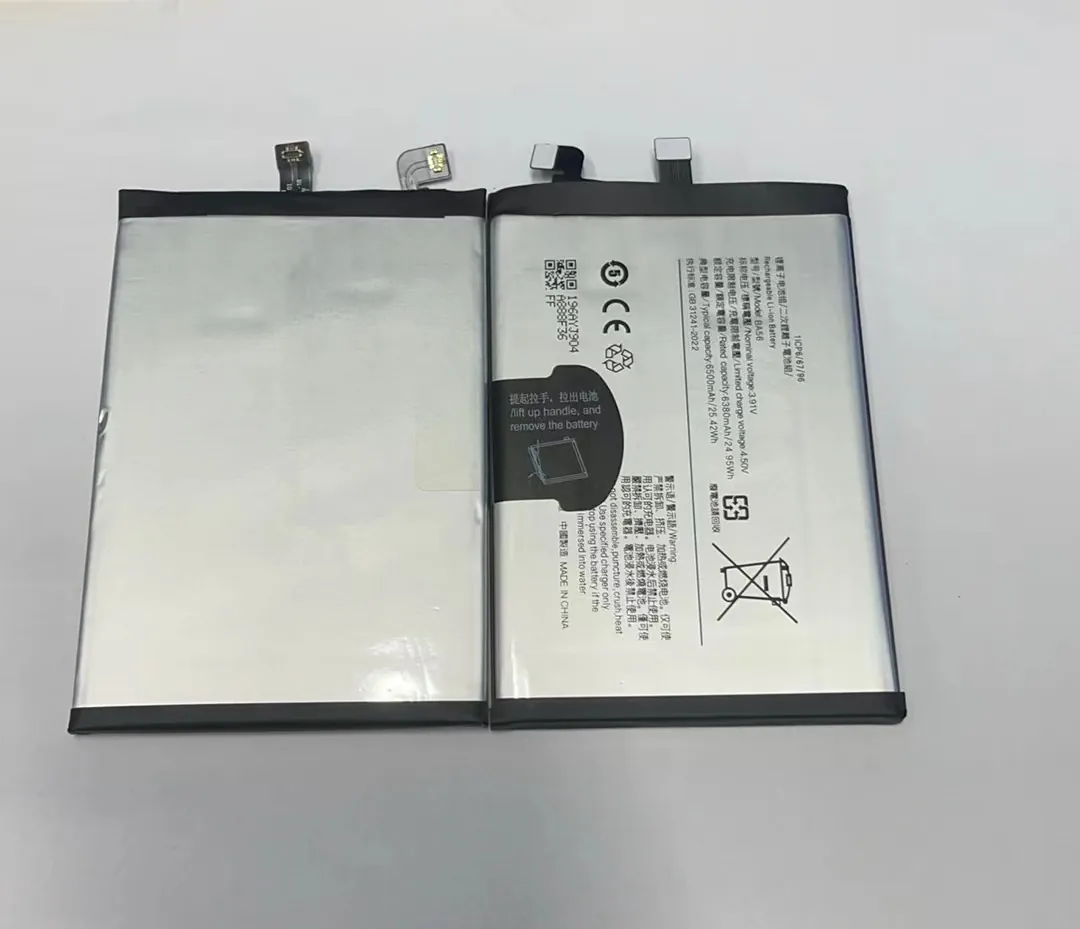
Cobalt’s role in the battery
Cobalt sits in the cathode part of the battery. The cathode is one side of the battery where lithium ions go when the battery charges. Cobalt helps maintain the structure so it does not break down over time.
When a battery charges and discharges many times, the materials can change shape or crack. Cobalt makes the cathode stronger. This reduces capacity loss over many cycles.
Nickel’s contribution
Nickel also goes in the cathode, but it has a different job. Nickel stores more energy than cobalt, so more nickel means more energy in the same space.
Battery chemistries like NMC (nickel‑manganese‑cobalt) and NCA (nickel‑cobalt‑aluminum) mix these metals to balance capacity, stability, and cost.
How they work together
In an NMC battery, nickel gives high capacity, manganese helps stability, and cobalt holds the structure. This mix balances performance and safety.
Here is a simple table of their roles:
| Metal | Role in battery | Effect |
|---|---|---|
| Cobalt | Stabilizes cathode | Better cycle life, safety |
| Nickel | Increases capacity | Longer battery life |
| Manganese | Structural support | Safety and cost balance |
| Aluminum | Light and stable | Improves stability in some designs |
Why not use only lithium?
Lithium alone cannot make a good cathode that stays stable. Other metals help by making the cathode tough and able to handle many charge cycles. Combining metals gives a battery that lasts longer and is safer.
Which metals improve stability?
Besides cobalt and nickel, other metals help stability. Manganese and aluminum are common. They do not store much energy but help the battery hold up.
Manganese and aluminum are used to make the battery more stable and safer over many cycles. They do not add much energy but they protect the battery’s structure.
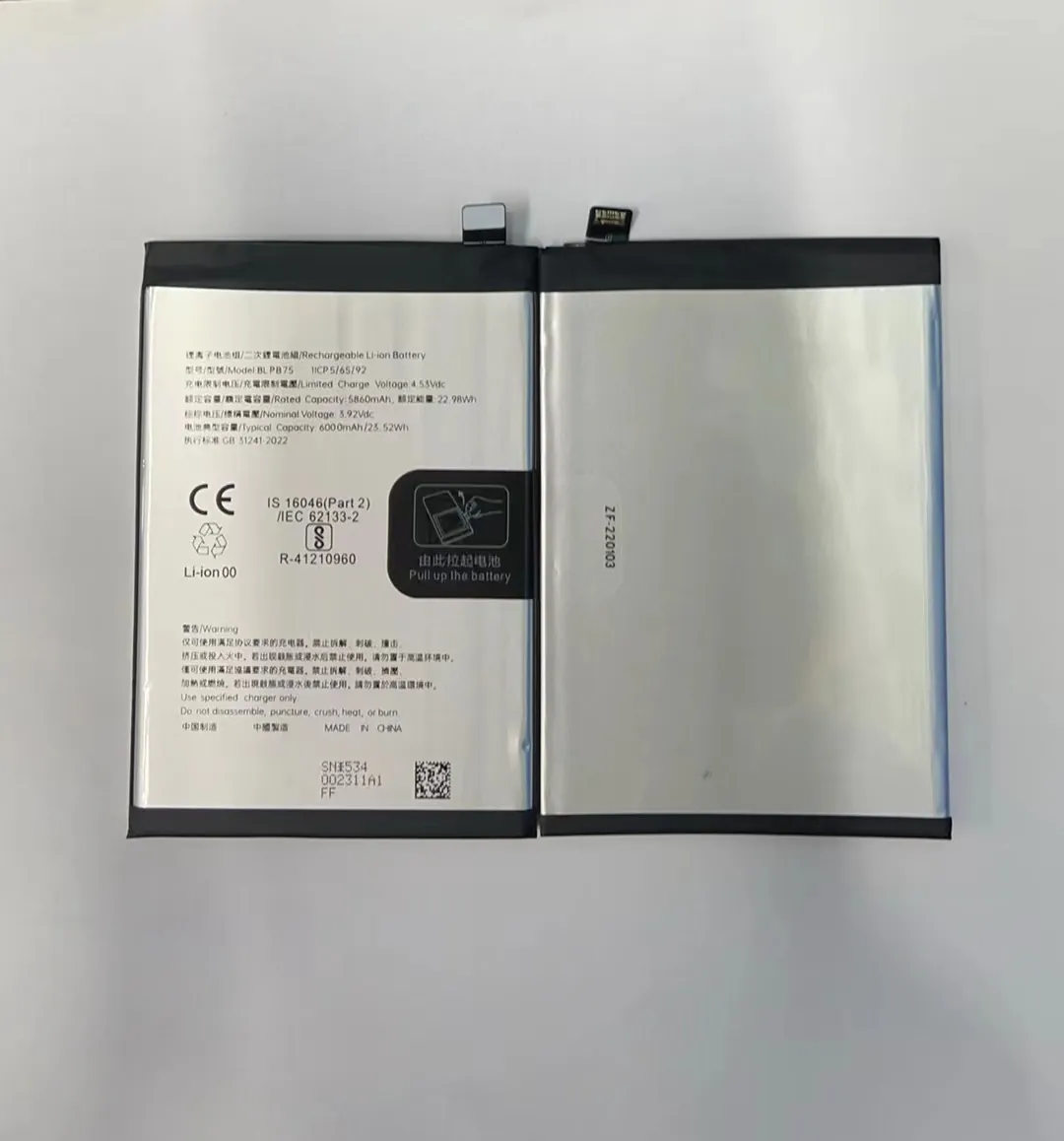
Manganese in batteries
Manganese is often part of NMC battery chemistry. It acts like a buffer. It helps keep the cathode from breaking down. When the battery charges and discharges, the cathode material changes shape. Manganese helps reduce damage.
Aluminum’s role
Aluminum appears in NCA batteries. It helps keep the cathode stable at high charge levels. Without enough stability, batteries can heat up or age faster.
Some battery designs use traces of other metals for safety or stability. These include:
- Iron — used in lithium iron phosphate batteries (LFP). LFP is very stable but stores a bit less energy.
- Titanium — used in some research cells but less common in phones.
Stability vs. energy density
Stable batteries last more cycles. They change capacity less over time. But some stable chemistries hold less energy. Phone makers must choose the right mix of metals to balance stability and battery life.
Here is a simple comparison of stability properties:
| Battery chemistry | Energy density | Stability | Common use |
|---|---|---|---|
| NMC | High | Medium‑High | Phones |
| NCA | High | Medium | Phones |
| LFP | Medium | Very High | Some EVs, not common in phones |
| LCO (Lithium Cobalt Oxide) | Medium | Medium | Some phones in past |
Why stability matters
If a battery is not stable, capacity drops fast. The phone battery may hold less charge after many cycles. Stability also affects safety. A stable battery is less likely to overheat or swell.
How do materials affect lifespan?
A battery’s lifespan is how many times it can charge before its capacity drops too much. Materials play a big role in this.
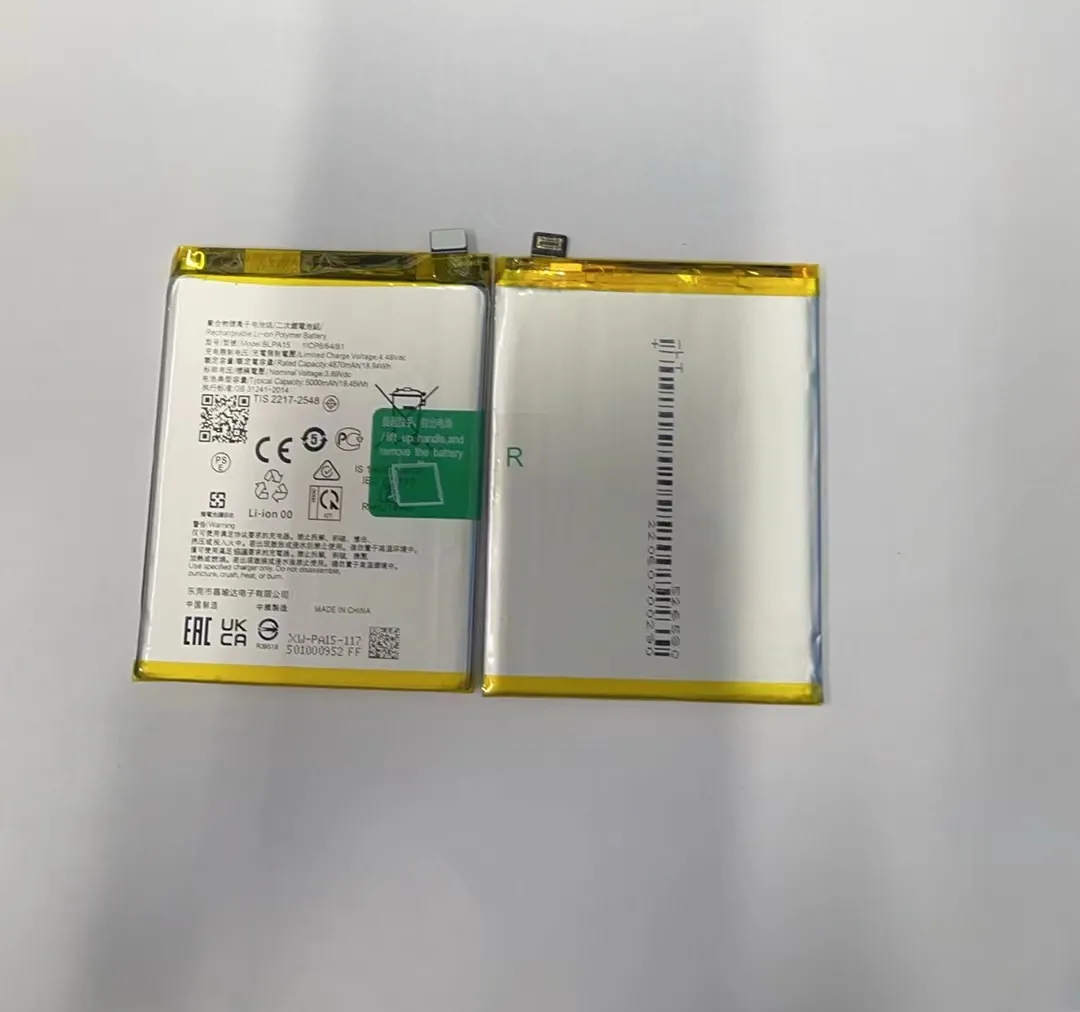
Battery materials like cobalt, nickel, manganese, and additives influence how long the battery keeps its capacity. Better mixes reduce aging and extend useful life.
What happens when a battery ages
Over time, batteries lose capacity. This means the phone holds less charge. The causes include:
- Breakdown of cathode materials
- Growth of solid layer on anode
- Heat damage from high charge/discharge
Different metals slow or speed these processes.
Cobalt and lifespan
Cobalt slows cathode breakdown. When cobalt is higher, the battery can keep capacity longer. This means more charge cycles before losing much capacity.
However, cobalt is expensive and has supply concerns. Battery makers try to reduce cobalt while keeping good lifespan.
Nickel and lifespan
Nickel raises capacity but can make stability harder. Too much nickel may age faster if not balanced with other metals.
Battery designers mix nickel with manganese and cobalt to balance long life and high capacity.
Additives and coatings
Some batteries use additives in the electrolyte or coatings on particles. These are not metals but help protect materials. They reduce damage during cycling.
Real‑world lifespan factors
Many things affect how long a battery lasts in real use. Materials are key, but also:
- How often the phone charges
- Heat exposure
- Charge level range used
- Fast charging habits
Good materials help the battery handle real use habits.
Comparing lifespan by chemistry
| Chemistry | Typical Cycle Life | Notes |
|---|---|---|
| LCO | ~300‑500 cycles | Older phones |
| NMC | ~500‑1000 cycles | Modern phones |
| NCA | ~500‑1000 cycles | Some phones |
| LFP | ~1000+ cycles | Very stable, not common in phones |
Metal influence summary
Good lifespan comes from stable cathode materials. Cobalt and manganese help with this. Nickel gives more capacity but needs support to keep lifespan high.
Metals are not the only factor. How a phone is used matters too. But choosing the right mix can make a battery last longer before its capacity drops.
In summary, lithium is key to energy. Cobalt, nickel, manganese, and aluminum shape stability, capacity, and lifespan. Mobile phone batteries are the result of careful balance among these metals. Good design makes the battery last long, stay safe, and fit into thin devices.
