

I see many people feel confused when they try to understand which metals sit inside a mobile phone battery.
A mobile phone battery mainly uses lithium as the core metal, supported by cobalt, nickel, manganese, aluminum, copper, and graphite. Each metal plays a unique role in storing and releasing energy.
I know this question can feel too technical at first, but the answer becomes clear when I break down each metal’s job inside the battery. I will guide you step by step so you can see how everything works.
What metals form battery electrodes?
I often notice that many people do not know that mobile phone batteries use several metals at the same time.
Mobile phone batteries use lithium, cobalt, nickel, manganese, aluminum, copper, and graphite as electrode materials. The cathode uses metals such as cobalt and nickel, while the anode mainly uses graphite with copper foil.
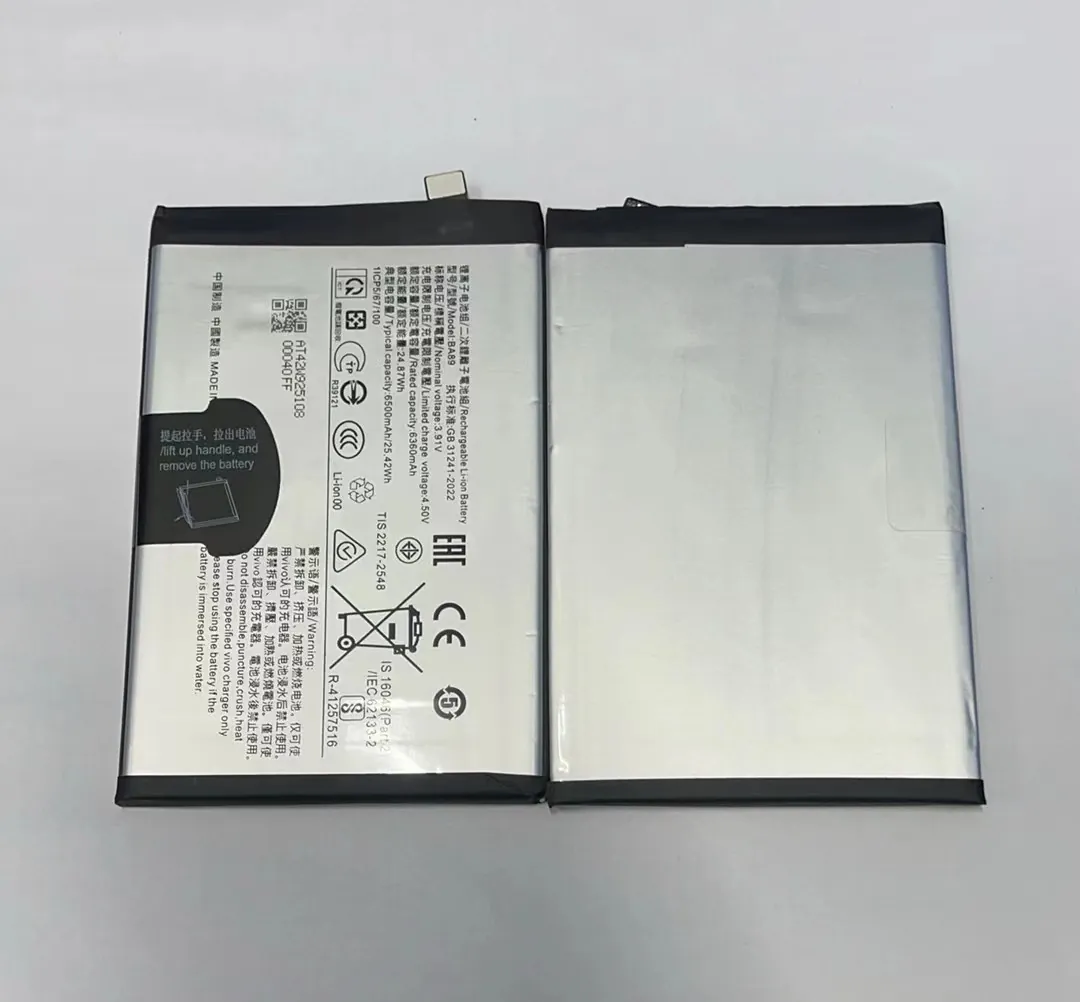
When I look at a mobile phone battery, I always see two main parts: the cathode and the anode. These two parts sit on thin metal foils, and each metal inside these parts affects how the battery behaves. I want to explain each one in a simple way so you can understand why phone batteries need different materials.
The role of each electrode metal
Each metal helps the battery move lithium ions back and forth. This movement creates power. I break the metals into two groups: cathode metals and anode metals.
Cathode metals
The cathode is the positive side of the battery. It stores lithium ions when the battery is fully charged. The most common cathode metals include:
| Cathode Metal | Main Function |
|---|---|
| Cobalt | Improves energy density |
| Nickel | Increases capacity |
| Manganese | Adds stability and safety |
| Aluminum | Acts as a foil to support cathode coating |
Anode metals
The anode is the negative side. It holds lithium ions during discharge. The anode uses:
| Anode Material | Main Function |
|---|---|
| Graphite | Stores lithium ions safely |
| Copper | Works as the anode foil |
Why these metals matter
I see that every metal affects performance in a clear way. Cobalt gives strong energy storage. Nickel gives higher capacity. Manganese keeps the battery safer. Aluminum and copper act as strong carriers for the chemical layers. Graphite allows lithium ions to sit in a stable structure.
When I explain this to people, many feel surprised that a small mobile battery uses so many different materials. But each one is important. These metals work together to balance energy, safety, and battery life.
How does lithium enable energy storage?
Many people ask me why lithium is so important when there are so many other metals used in a battery.
Lithium stores and moves charge because it is the lightest metal and can travel quickly between electrodes. Its small size and high reactivity allow fast charging, slow degradation, and high energy capacity.
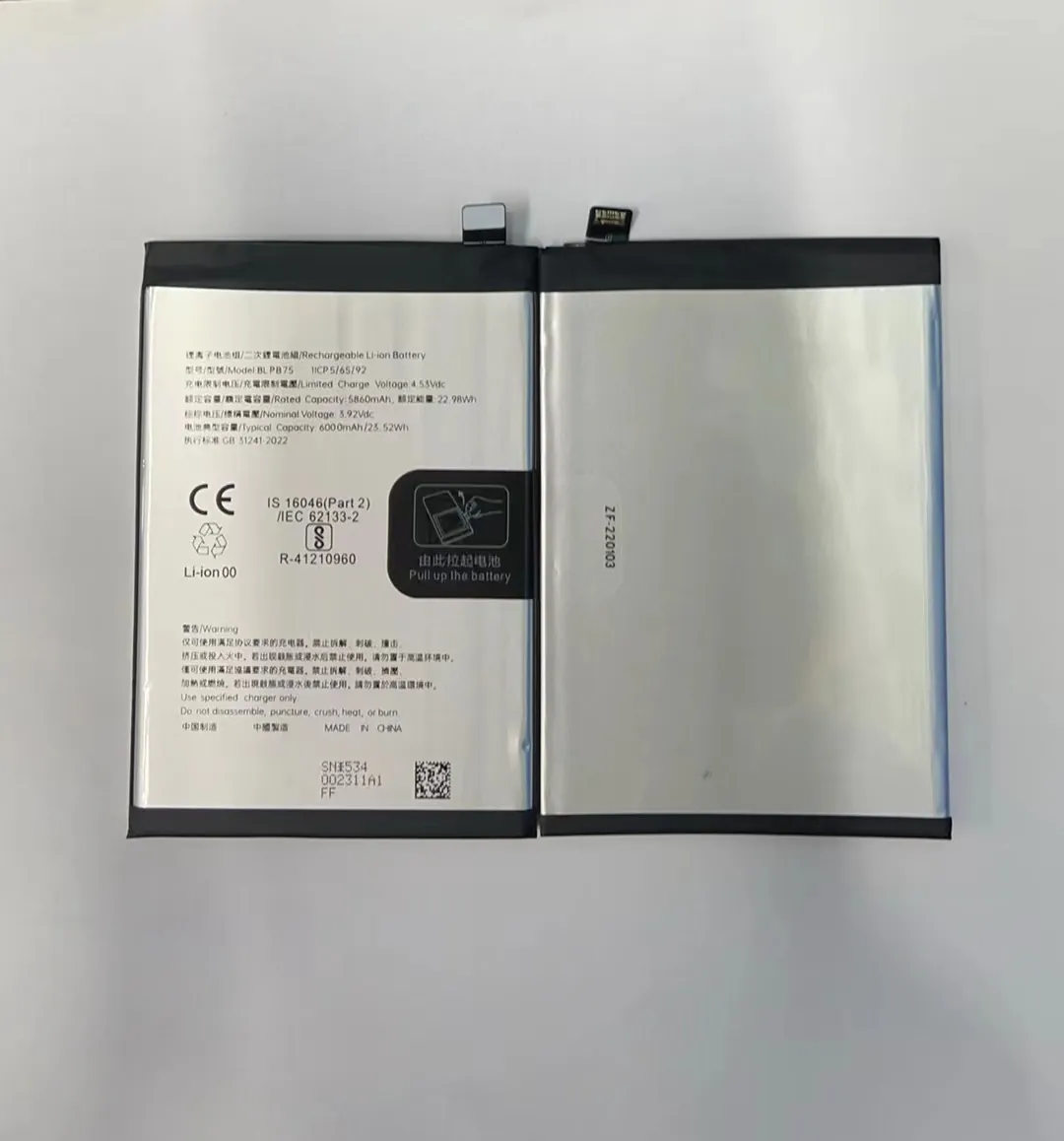
I always see lithium as the heart of the battery. Without lithium, the battery becomes slow and heavy. I want to explain how lithium really works inside the battery because this helps people understand why every phone brand uses lithium-ion batteries today.
Why lithium is special
Lithium is the lightest metal. It has only three electrons. Because of its simple structure, lithium can move faster inside the battery. This movement is what drives the electric current that lets your phone turn on. I often explain that lithium ions work like small runners moving between two stations. The cathode is one station. The anode is the other. The ions move back and forth during charge and discharge.
How lithium moves inside the battery
During charging, lithium ions leave the cathode and move to the anode. They sit inside the graphite layers. During discharging, they move back to the cathode. This movement is what creates usable electricity for the phone. The metals inside both electrodes help guide this movement and give the ions stable places to stay.
Why lithium improves battery life
I see that lithium keeps the battery stable even after many cycles. The ions do not damage the electrodes easily because they fit well into the electrode structures. They also move smoothly, so the battery does not heat too much when designed well.
The impact on modern mobile phones
This is why modern phones can be slim but still last many hours. Without lithium, phones would need larger and heavier batteries. Lithium technology allows better charging speed, longer daily use, and safer operation.
Why are cobalt and nickel common?
I hear many questions about cobalt and nickel because people read about these metals in news and tech discussions.
Cobalt and nickel are common in mobile phone batteries because cobalt increases energy density and stability, while nickel increases capacity and improves output. Together, they give a strong balance of performance and safety.
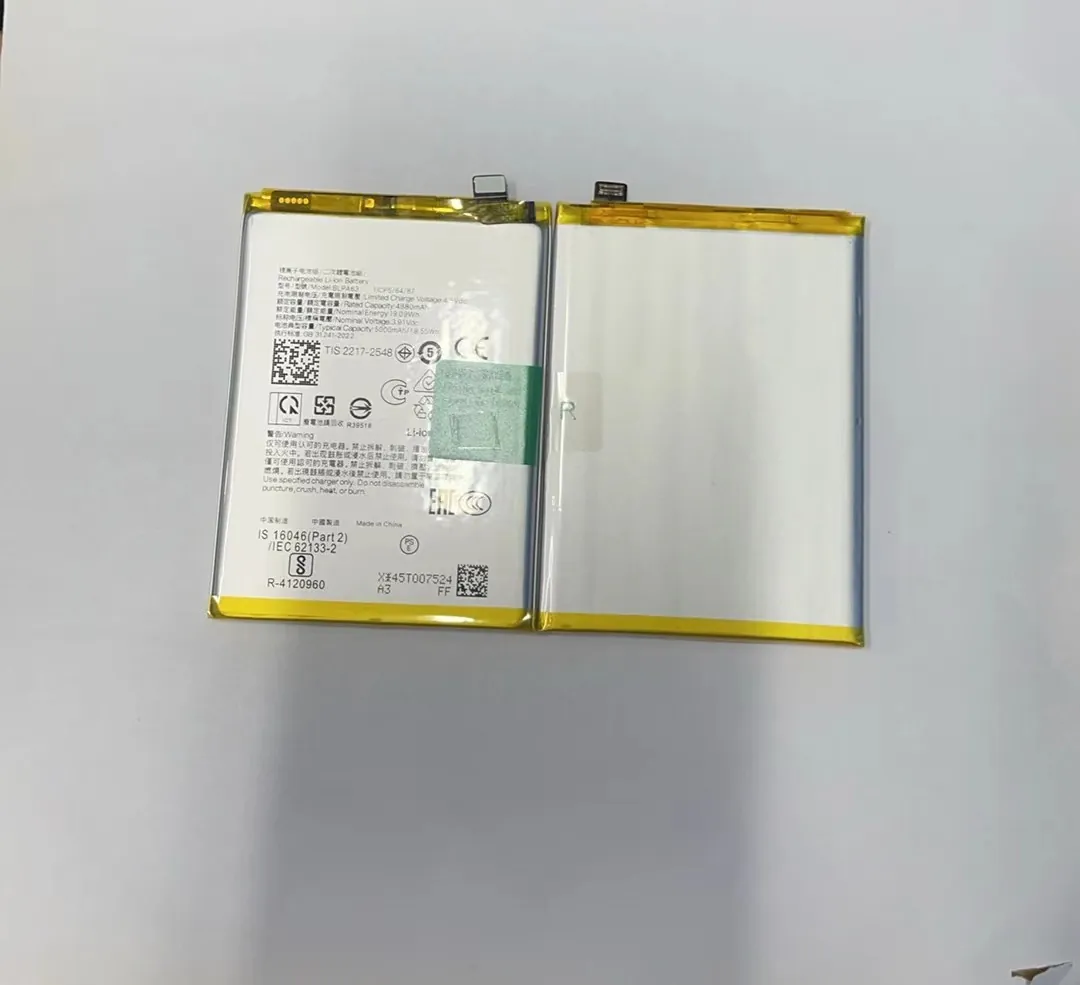
When I deal with batteries, I always see manufacturers choose cobalt and nickel because these two metals solve different problems. I want to explain how each one works so you can understand why they stay important even as technology evolves.
The job of cobalt inside the battery
Cobalt helps the battery hold more energy in a small space. It also keeps the structure of the cathode strong. When lithium ions move in and out, the structure can become unstable, but cobalt keeps it firm. This gives longer life and stable performance.
Cobalt also reduces the chance of thermal runaway. Many people worry about overheating. Cobalt helps control heat. This is why older phones used higher cobalt content. Today some manufacturers reduce cobalt to lower cost, but they still keep some amount because it works well.
The job of nickel inside the battery
Nickel increases capacity. When nickel levels go up, the battery can store more charge. This means longer screen time and longer daily use. I see many brands move toward high-nickel battery designs because users want long battery life.
Nickel also helps push higher current output. This helps phones run strong apps, gaming, and multitasking.
How cobalt and nickel work together
I notice that most phone batteries use a mix. Cobalt gives safety. Nickel gives power. When combined, they provide a good balance between energy density, stability, cost, and lifespan.
As the industry grows, some people expect cobalt to decrease because of cost and sourcing issues, but it still plays an important role. Nickel continues to rise because of its strong capacity advantages.
Which metals improve stability?
When I speak with people about battery safety, they often want to know which metals help keep the battery stable during use.
Metals such as manganese, aluminum, and graphite improve stability by strengthening the electrode structure, reducing heat, and supporting safe ion movement. They protect the battery during charging, discharging, and long-term cycling.

I always pay special attention to stability metals because users care about safety. Phones get warm, apps push heavy loads, and people charge many times per day. So I want to walk through how these metals help the battery stay safe and strong.
Manganese as a stability booster
Manganese improves structural strength. It keeps the cathode stable when lithium ions move. It also lowers the cost while keeping safety high. Many manufacturers use nickel-manganese-cobalt (NMC) because manganese balances the active metals in a simple and effective way.
Manganese also reduces heat generation. When I test batteries, I see that manganese-rich designs stay cooler under heavy load.
Aluminum and its quiet job
Aluminum acts as the foil for the cathode. This seems simple, but it plays a big role. The foil holds the cathode material and helps with electron flow. It also resists corrosion and keeps the battery lightweight. Aluminum stays stable across a wide temperature range, which supports safety.
Some cathode designs also mix small amounts of aluminum in the material to strengthen the structure. This helps the battery last more cycles.
Graphite and long-term stability
Graphite is the main anode material. It stores lithium ions without breaking down easily. I always see graphite as one of the most important stability materials. It expands and contracts gently when ions move, so the anode keeps its shape for many cycles.
Graphite also stays stable under different temperatures. This protects the battery from swelling, overheating, or losing capacity too fast.
Copper as a supportive metal
Copper acts as the anode foil. It gives strong conductivity and low resistance. It also handles high current without damage. This helps protect the battery during fast charging.
I see copper as the backbone of the anode. It does not react with the electrolyte, so it stays stable for the life of the battery.
Putting stability metals together
When I look at all these metals, I see that stability does not come from one material. It comes from how all materials work together. Manganese keeps the cathode safe. Aluminum supports the whole structure. Graphite stores ions gently. Copper moves electrons without stress. These combined elements create a safe, long-lasting battery inside every mobile phone.
Conclusion
Mobile phone batteries use a group of metals that work together to store energy, deliver power, and stay safe. Each metal has a clear job, and the balance between them creates the performance we expect from modern phones.
