
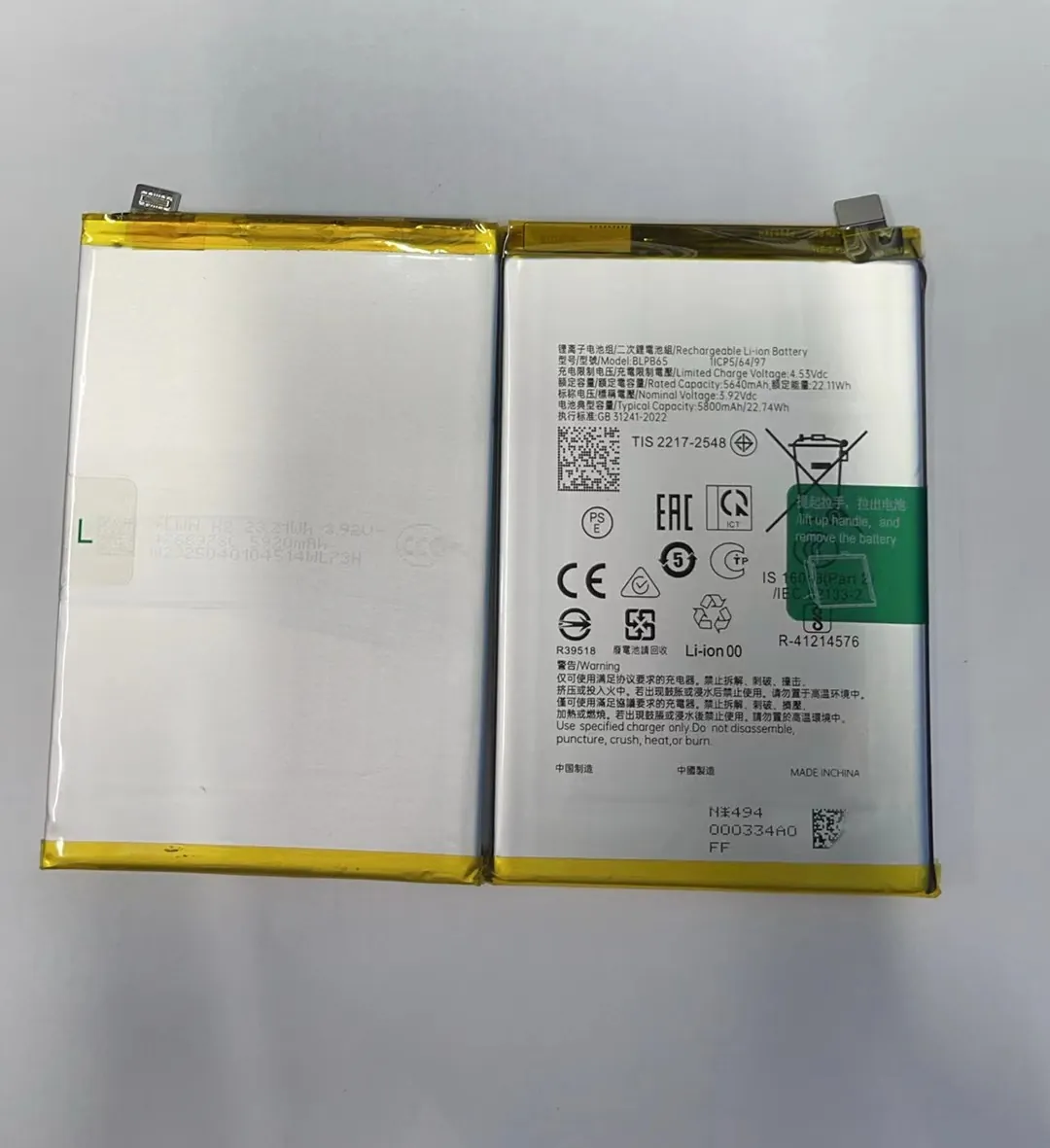
Life without smartphones is hard. Many people never think about the metals inside their devices until battery problems arise. The metals inside matter a lot — not just for power, but for safety and longevity.
Metal selection shapes battery strength, safety, and lifespan. The right metal mix gives power, stability and keeps the battery safe.
In the sections below, you will learn how different metals work in phone batteries, why some metals are being reduced, and where these metals come from. This helps understand why battery quality changes over time.
How do metals affect battery performance?
Metal choices in a battery shape its capacity, safety, and lifespan more than most people realize. The metal mix makes a big difference in how well a battery works.
Metals inside a battery decide how much energy it can store. Strong metals allow more charge. Stable metals make battery safer. Cheap metals lower cost but may reduce performance.
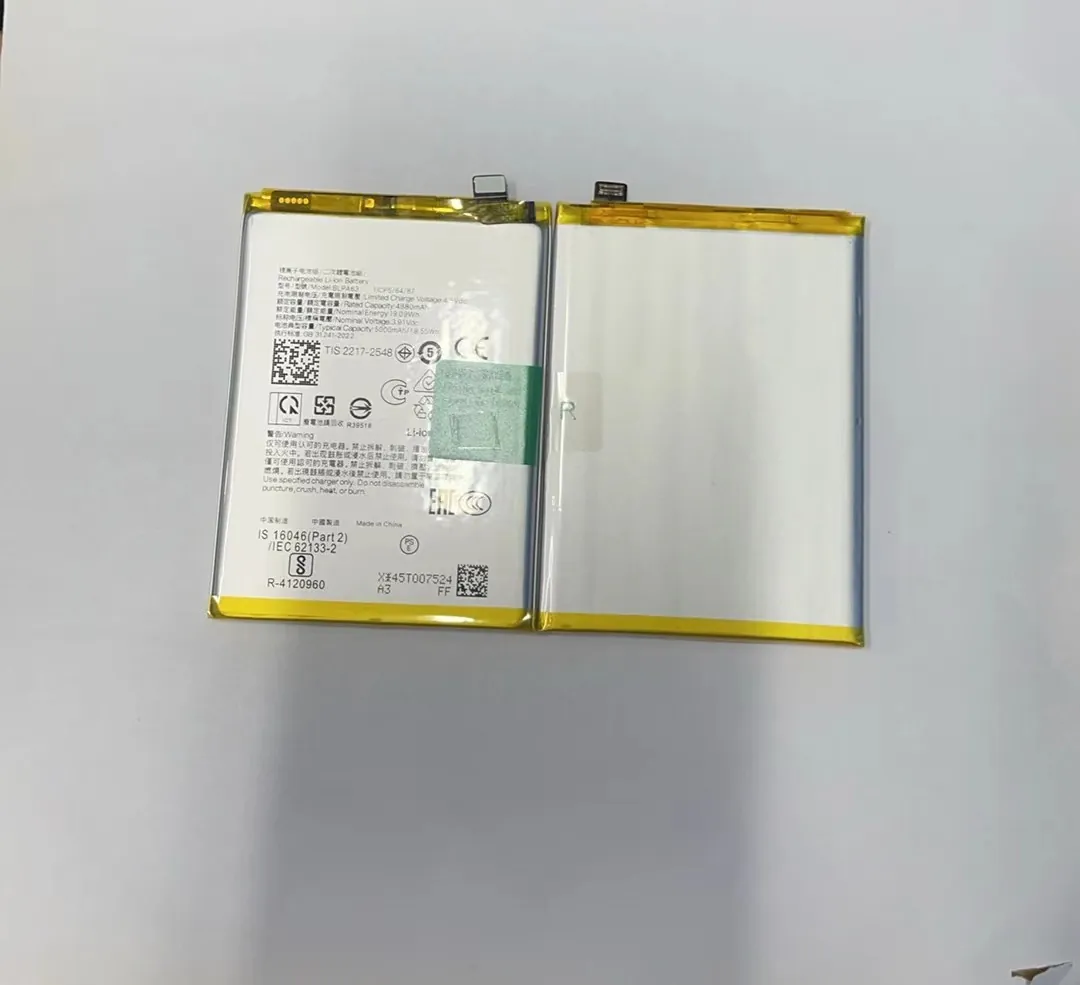
Battery function depends on chemical reactions. Metals inside electrodes help move ions during these reactions. Different metals change how fast and how safely ions move. Better metals let phones hold more charge, work longer, and avoid overheating.
Key metal effects
Different metals play different roles:
| Metal | What it does | Impact on battery |
|---|---|---|
| Light, high‑energy metals (like lithium) | Store and release ions efficiently | Higher energy density = longer battery life |
| Stable transition metals (like cobalt, nickel, manganese) | Form stable electrodes | Better cycle life, less risk of breakdown |
| Conductive / structural metals (like aluminum, copper in casing) | Provide electrical paths and structural support | Help efficiency and safety but do not store energy |
When a battery uses a high‑energy metal, it can store more power in small size. That matters a lot for mobile phones. The stable metals keep the battery safe and let it be recharged many times. The supporting metals help current flow and keep the cell together.
Bad metal choice leads to weak battery, fast degradation, or safety risk. If the metal is unstable, the battery may swell or leak. If the metal is heavy or dense, phone becomes bulky. If the metal does not conduct well, charging becomes slow or inefficient.
Because of this, manufacturers choose carefully. They aim to balance energy density, safety, cost, and weight. For phones, they want high energy, light weight, long life, and safe operation. So they often use a mix of metals rather than a single one.
When battery chemists test a new metal mix, they measure things like energy per volume, energy per weight, how many charge cycles, temperature behavior, and safety under stress. Only a few metal combinations pass all tests. That is why most phones use similar battery recipes worldwide.
In short, metals shape almost all aspects of battery performance. Without the right metals, a phone battery would be heavy, short‑lived, or even dangerous.
What role does lithium play in batteries?
Lithium stands out among metals used in phone batteries. It gives high energy and light weight. That makes phones thin yet powerful.
Lithium ions move easily inside the battery. That helps store and release energy quickly and efficiently. Phones rely on lithium for long battery life.
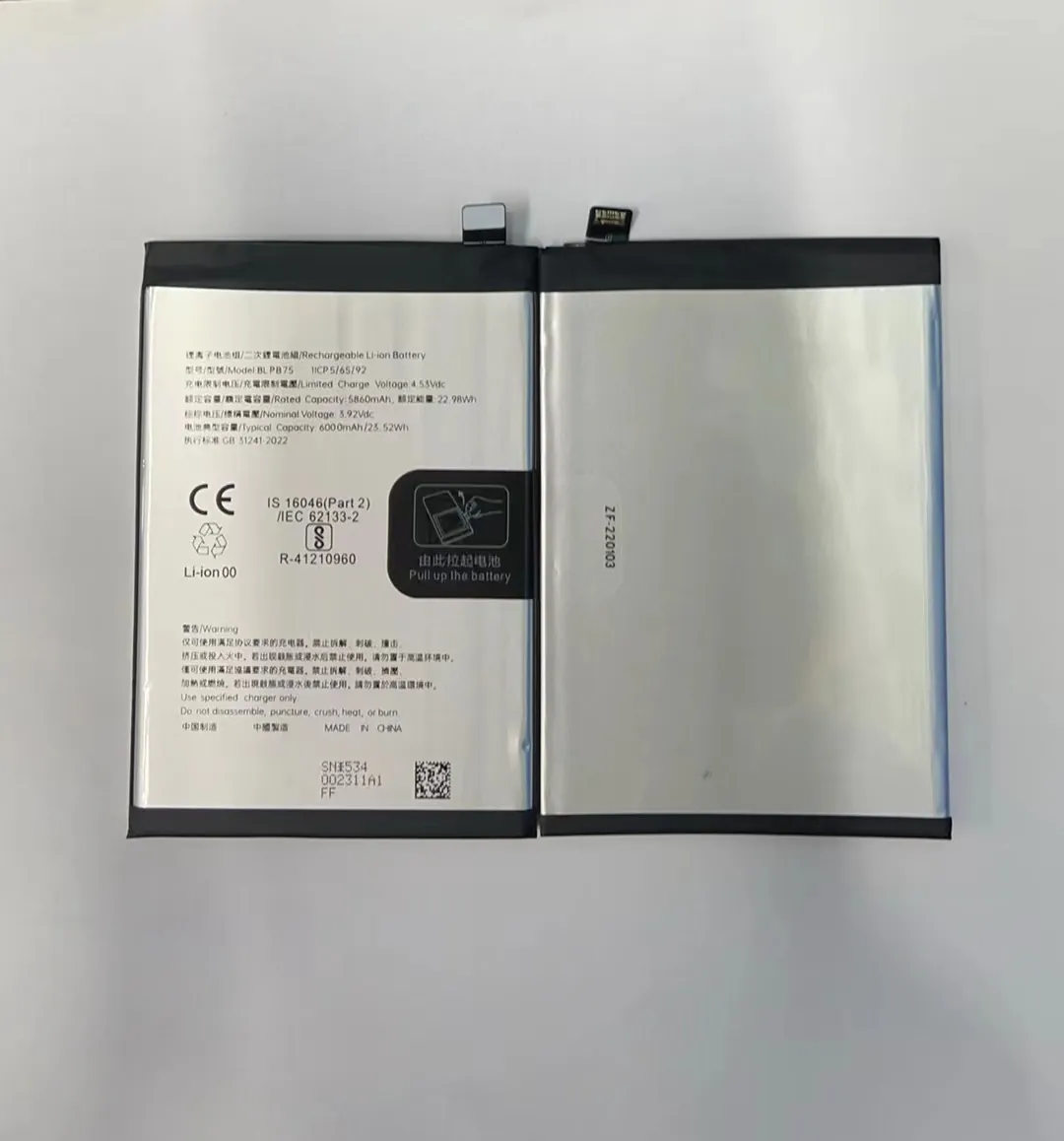
Lithium is a light metal. Because it is light, it helps produce a battery that stores a lot of energy while staying small and light. For a phone, that means a thin body and long usage per charge. If battery used heavier metal, the phone would become bulky or battery life would shrink.
Inside a battery cell, lithium ions travel between two electrodes. One electrode holds lithium when the battery is full. The other accepts lithium when battery is empty. This ion flow causes the electric current that powers the phone. The ease and speed of lithium ion movement make charging and discharging more efficient. That efficiency improves battery lifespan.
Because lithium is reactive and light, it yields high energy per weight and per volume. That is why lithium‑ion batteries beat older battery types (like nickel‑cadmium). They store more energy with less metal mass. For mobile phones, that means longer use time in a smaller shell.
Still, lithium alone is not enough. Pure lithium is too reactive and unstable. Battery designs mix it with other materials in the electrodes. The metal mix shapes how well the battery charges, how many times it can recharge, and how safe it stays. That is why battery makers combine lithium with stable metals like cobalt, nickel, manganese, or iron phosphate. Each mix trades some energy density for increased safety or lower cost.
Lithium also defines battery capacity in a clear way. The capacity rating (e.g. 3000 mAh) reflects how many lithium ions move during charge and discharge. More lithium ions moving means more energy stored. That shows directly in battery life.
Because lithium is central to ion movement, battery research often looks for ways to keep lithium advantages while reducing risks like overheating or aging. Designers try to make safer lithium‑ion chemistries, or find new metals that mimic lithium’s performance without downsides.
In summary, lithium enables mobile phone batteries to be light, efficient, and long‑lasting. It powers the phone quietly behind the scenes. Without lithium, modern smartphones would be bulky or have much weaker battery life.
Why are cobalt levels being reduced?
Cobalt used to be a key metal in many phone batteries. Recently battery makers reduce cobalt use. This change is driven by cost, supply risk, and ethics.
Cobalt was popular because it helps electrodes stay stable and supports long battery life. But cobalt is rare, expensive, and many mines have ethical concerns. For these reasons, many makers try to cut cobalt level or replace cobalt altogether.

Cobalt helps battery perform well under many charge cycles. It helps keep electrode structure stable, so battery works longer without losing capacity. That is why early lithium‑ion batteries used high cobalt content. But cobalt has problems. Cobalt mines are expensive to run and sometimes involve unsafe labor conditions. Supply often comes from politically unstable regions. That causes cost spikes and supply uncertainty.
Because of these issues, battery makers reduce cobalt content. They shift to battery formulas with more nickel or manganese. These metals are cheaper and more stable in supply. They can also give good performance, though sometimes with tradeoffs. For example, using more nickel can increase energy density but slightly reduce safety compared to cobalt‑rich cells.
What changes when cobalt drops
| Change | Why it happens |
|---|---|
| Cost goes down | Nickel and manganese cost less than cobalt |
| Supply becomes more stable | Nickel/manganese are more common globally than cobalt |
| Ethics and sourcing improve | Less reliance on conflict‑region cobalt mines |
| Battery chemistry shifts | Adjustments to ensure stability and safety |
As cobalt levels go down, battery engineers adjust how the electrodes are made. They design new mixes where nickel or manganese take cobalt’s place. The new mixes aim to keep energy density high and cycle life long, while lowering cost and avoiding ethical issues.
Some battery kinds now use almost no cobalt. In those cases, battery designers add stabilizing materials to avoid problems like overheating or capacity loss. They also add safety coatings or use safer electrolytes. That makes modern batteries still reliable even with low or zero cobalt.
Reducing cobalt is a sign that the industry adapts. It shows that battery makers care about cost, supply, and social impact. It also shows that battery tech is not fixed. It can change when needed. For everyone who uses phones, this shift can mean lower cost batteries soon and more stable supply. It also helps avoid dependence on risky metal sources.
In short, cobalt reduction reflects a balance. Engineers trade a bit of traditional stability for lower cost and better ethics. They keep battery performance high with new formulas. This shift helps smartphones remain affordable and sustainable.
Where do battery metals come from?
Battery metals come from mines around the world. These metals go through mining, refining, and manufacturing before they reach phone batteries. The path is long and involves many steps.
Battery metals often come from countries with rich mineral resources. Lithium, cobalt, nickel, manganese — each one has a small number of major producing countries. Mining and refining need heavy equipment and careful handling. Then metals move to factories that build battery cells. That makes supply chains complex.
The supply chain for battery metals has several stages:
- Mining raw ore from ground.
- Refining ore to extract useful metals.
- Processing metals into battery‑grade materials (like lithium salts, metal oxides).
- Shipping materials to battery makers.
- Assembling battery cells.
Large scale mining can affect local environment and communities. Some regions have rules for safe mining and fair labor. Others may overlook those issues. That affects how ethical and stable metal supply is.
Global sources and challenges
| Metal | Main producing regions | Key concerns |
|---|---|---|
| Lithium | Australia, Chile, Argentina, China | Water usage, ecological impact |
| Cobalt | Democratic Republic of Congo, Russia, Cuba | Mining ethics, child labor, political risk |
| Nickel | Indonesia, Philippines, Russia, Canada | Deforestation, pollution |
| Manganese | South Africa, Australia, China, Gabon | Environmental damage, ore quality |
Many companies audit their supply chains. They check where metals come from. They aim to avoid mines with poor labor practices or unsafe conditions. They also seek stable supply to avoid price spikes or shortages.
Refining and processing metals require energy. That can cause pollution or high carbon output. Battery makers try to buy from greener mines or use recycled metals. Recycling helps lower dependency on new mining. It also reduces environmental harm.
Consumers rarely see these supply chain details. Most people only know that phone battery lasts long or not. But supply source and mining ethics can matter for the environment and human rights. As battery demand grows, these issues become more visible. Some battery makers publish sourcing reports or join ethical mining initiatives. That creates pressure for cleaner supply chains.
In conclusion, battery metals come from far away. They travel through many steps before being part of a phone battery. The path from mine to battery is long. That path affects cost, ethics, and environment. Understanding that helps appreciate what is inside your phone.
Conclusion
Battery metals shape more than just power. They shape cost, safety, ethics, and our planet’s future. Understanding them helps choose better phone batteries — that benefit everyone.
