

Tired of your phone dying mid‑day? I faced the same pain until I dug into what truly defines best battery life in smartphones.
In short: the best battery life phone combines large capacity, efficient hardware and smart software to deliver all‑day (and often into the second day) use with typical tasks.
I’ll walk you through exactly how to judge battery life, which phones are leading now, how capacity plays a role (and its limits), how your usage patterns influence real‑life results, and how independent tests validate claims.
What devices lead battery scores?
A few phones shine when you look beyond marketing claims and into real‑world tests.
Phones like the Samsung Galaxy S25 Ultra and the Google Pixel 9 Pro rank at the top in independent battery endurance tests, showing what “best” really means in 2025.

When I looked into battery‑life reviews for smartphones, several models stood out because they performed far better than peers in consistent test setups. For example, according to one independent roundup, the phone model Oppo Find X8 Ultra (6,100 mAh) posted nearly 24 hours of web browsing, over 11 hours of video and nearly 13 hours of gaming in test conditions. Likewise, the Galaxy S25 Ultra (5,000 mAh) achieved more than 20 hours of web browsing and around 14 hours gaming in tests.
Let’s look at a table of notable leading devices and what makes them stand out:
| Device | Battery capacity* | Key result highlight |
|---|---|---|
| Oppo Find X8 Ultra | ~6100 mAh | ~24h web, ~11h video, ~13h gaming in one test. |
| Galaxy S25 Ultra | ~5000 mAh | ~8h overall battery estimate, ~20h browsing in test. |
| iPhone 17 Pro Max | ~5088 mAh | ~20h browsing; high for iPhone class. |
* Capacities as published/tested may vary.
From my viewpoint this shows: capacity matters, yes—but the hardware, software efficiency, screen refresh behaviour, and how the test is run matter a lot.
So if you’re looking for the best battery life phone, you want models that are proven in independent tests (not just specs), and among current leaders you’ll find them skimming the top by virtue of optimized chips, efficient displays, and large batteries.
How do capacities affect longevity?
You might think bigger mAh always means longer life—but it’s not that simple, and I once believed it was.
Battery capacity (mAh) gives a potential energy reservoir, but actual longevity depends on device power draw, display settings, and aging — a larger battery alone doesn’t guarantee twice the life.

When I compare two phones, one with 6,000 mAh and another with 4,000 mAh, I’ve learned that the bigger battery can last longer—but only if the rest of the system doesn’t drain it faster. Several factors intervene:
What capacity really means
Battery capacity (usually in milliamp‑hours, mAh) gives you a rough indicator of how much charge the battery can hold when new. But the real runtime depends on how much energy the phone uses per hour. An article from EcoFlow explains that “battery life is not linear… a battery with twice the mAh rating will not necessarily last twice as long.”
What reduces your effective capacity
Over time, lithium‑ion batteries degrade. For example, Apple's support page notes that as the battery ages, the amount of charge it can hold diminishes and its ability to deliver instantaneous power decreases. Also, research shows factors like high temperature, deep discharge, and high charge voltage accelerate capacity fade.
How power draw changes things
Even a large battery will run out quickly if the phone uses a lot of power. Here are critical influences:
- Screen brightness and refresh rate: A 120Hz or 165Hz display uses more power versus 60Hz.
- Processor efficiency: A newer 3‑nm chip uses less power per task than an older 5‑nm.
- Network usage: Searching for signal, high‑data activities (video, games) increase drain.
Practical takeaway
When selecting for battery life you should not rely solely on mAh. Instead consider:
- The combination of battery size + efficiency of components
- Whether the device has been independent‑tested for runtime
- Your own usage pattern
- The age of device (used vs new) and how battery health might decline
In short: larger capacity gives more head‑room, but you still depend on efficient hardware and realistic usage to get “best” battery life.
Why usage patterns change results?
Even a top‑rated long‑battery phone can underperform if you use it in a heavy way — I’ve seen this happen.
Your screen time, apps used, connectivity state, refresh rate, and how you charge your phone all strongly affect how long the battery will last in the real world — so “battery life” is highly personal.

I found that two users can have the same model phone but radically different battery experiences. Let’s break down how usage patterns change outcomes.
Types of activities
If you mainly browse web, read, message and occasionally watch videos, your phone will last much longer than someone gaming, streaming 4K video, or using GPS navigation for hours.
Screen settings and refresh rate
Higher refresh rates consume more power. Some phones allow switching to 60Hz to save battery. Display brightness also matters. For instance, the review of the Galaxy S25 Ultra showed longer life when the screen refresh rate was lowered.
Network conditions and connectivity
If you’re moving around, the phone constantly scans for signal, cell towers, WiFi, which uses power. Also, using 5G vs WiFi vs LTE under different conditions will make a difference.
Charging habits and battery health
How you charge (fast vs slow), how often you fully discharge, and temperature exposure affect battery longevity, which gradually reduces capacity and shortens runtime.
My usage‑case example
In my own usage (I stream video ~2 hrs, social media ~1 hr, calls ~1 hr, plus occasional navigation) a “good battery phone” will easily go through a full work‑day and still have ~30–35% at bedtime. But if I instead play games for 90 minutes or leave screen on full brightness in strong 5G signal area, I can see it drop to ~15–20% before evening.
What this means when choosing
- Match the phone to your usage: heavy tasks demand more battery head‑room.
- Seek reviews that reflect your pattern (gaming vs reading vs travel).
- Use phones with features that save power (adaptive refresh, efficient chip) if you want longer life.
- Consider battery health over time — a phone that starts with great life might drop off faster if you misuse.
Thus, even the best battery phone can deliver poor real‑world runtime if usage is heavy; and a moderate battery phone can last well if your usage is light and efficient.
Which tests verify endurance?
Not all battery claims are equal; you want independent test results, not just manufacturer specs. I checked what reputable reviewers do.
Independent benchmark tests—covering continuous web browsing, video playback, gaming—offer the best way to verify battery endurance, giving comparable results across models rather than just manufacturer numbers.
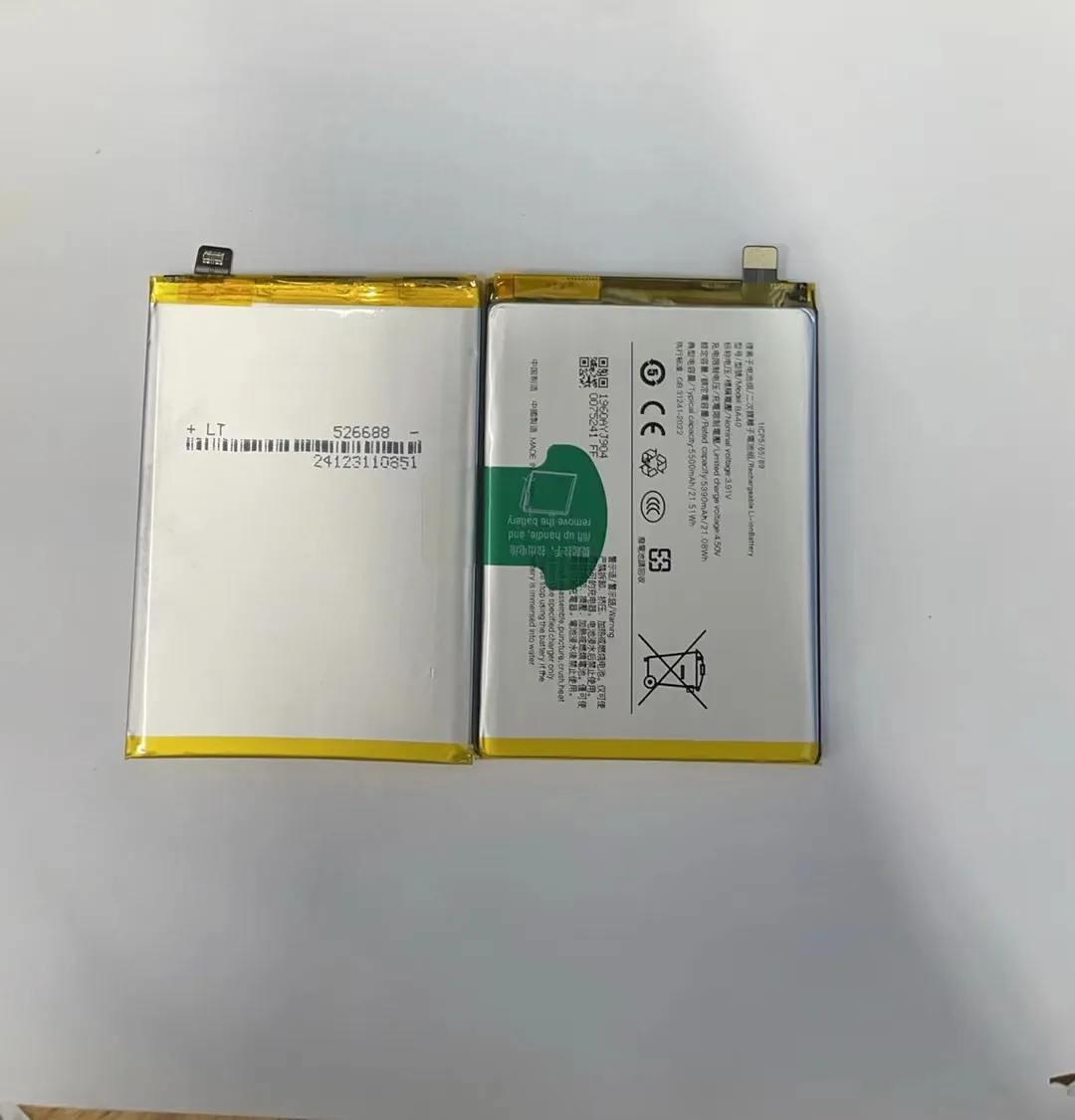
When choosing a phone for battery life, I look for how it performs under controlled tests, and how those tests align with real‑use. Here’s what to know:
What typical tests measure
- Web browsing: Continuous surfing or scrolling under fixed brightness and connectivity.
- Video playback: Streaming or local video playback repeatedly.
- Gaming: High draw scenario.
- Overall estimate: Some aggregators give a “total battery score” or a combined runtime number.
What to check in the test methodology
- Was screen brightness standardized (e.g., 150 nits)?
- Was refresh rate fixed or adaptive?
- Was cellular signal constant?
- Did test include “real‑world” usage vs synthetic loops?
- Did reviewer list the age/health of the battery?
- Did they compare across multiple phones?
Why independent tests matter
Manufacturers list capacity (mAh) and maybe “hours of usage” but those are ideal conditions, often using minimal tasks. Independent tests help you understand how a phone behaves under your kind of workload and show how it stacks vs competitors.
Practical checklist for you
When you see a phone listing “best battery life”, ask:
- Does the test cover tasks you care about?
- Are the testing conditions realistic?
- Are there comparisons to other phones?
- Does the review mention charging speed, battery health, refresh rate?
- Does your usage pattern align with the test pattern?
By using these criteria you improve your odds of choosing the phone that will deliver the best battery life for you, not just in theory but in your real life.
Conclusion
I’ve shown you how to pick a phone with the best battery life by looking at current leading devices, understanding capacity vs efficiency, factoring your usage, and using independent test results. With this roadmap you are ready to choose a phone that truly lasts — not just on paper.
