
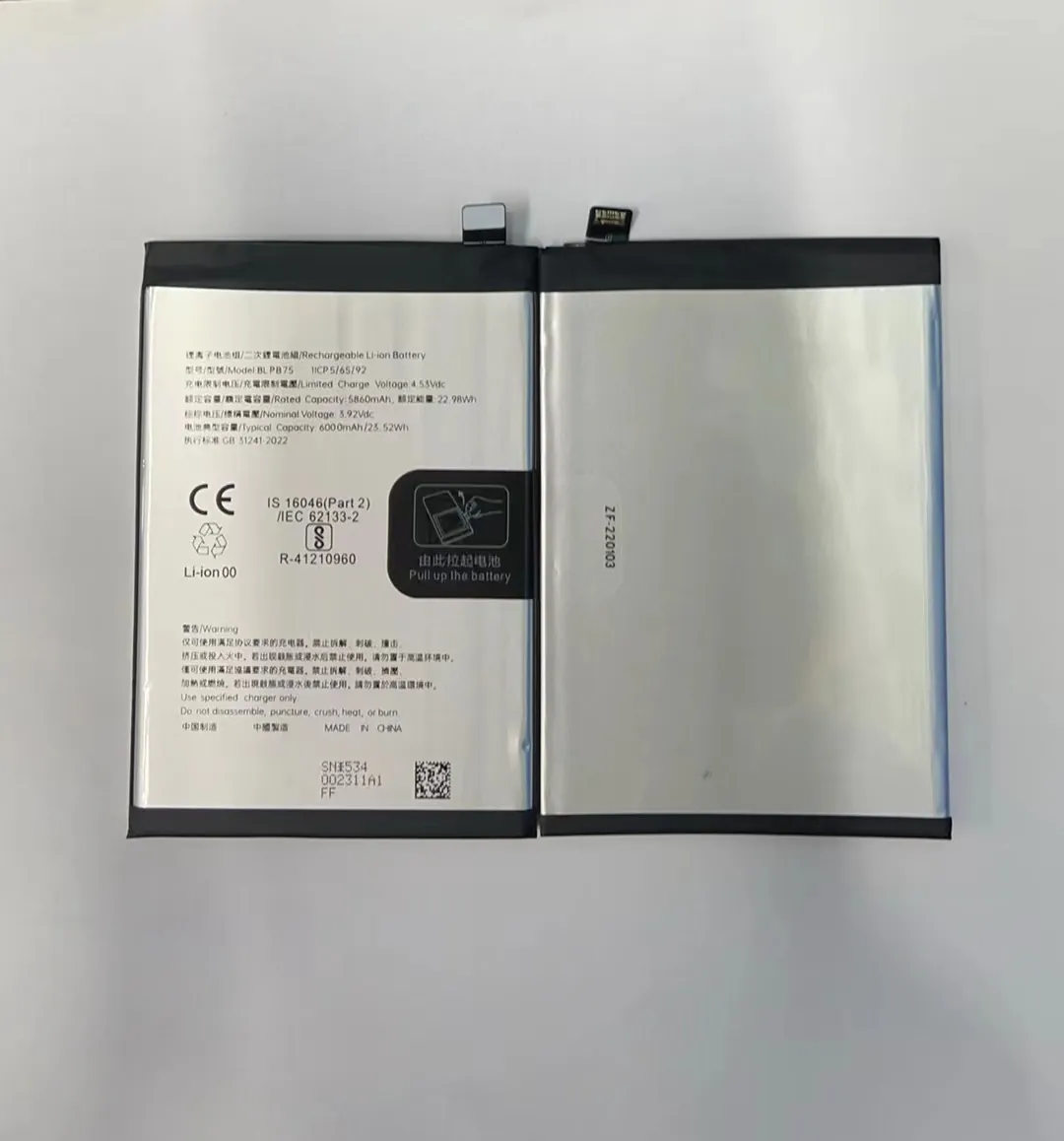
People keep asking if any phones still have removable batteries. Many users miss old phones that let them swap batteries fast.
Some current models still offer removable batteries, though they are rare. Knowing which phones have this feature helps buyers who value long life and easy repair.
This guide shows which phones you can buy now, why the industry changed, and how removable batteries affect repair and water resistance.
What current phones come with removable batteries?
Many modern phones do not have removable batteries. Most makers sealed batteries inside the phone. But a few brands and models still offer removable battery designs for users who want it.
A handful of new phones still come with removable batteries, mostly rugged and business‑oriented devices. These are usually not high‑end flagship phones.

Removable batteries are common in rugged phones used in work sites or outdoor activities. They give users a spare battery that can be swapped in seconds. This is useful when there is no charger or power bank.
Phones with Removable Batteries in 2025
Here are some phones known to have removable batteries recently:
| Brand | Model | Battery Capacity | Notes |
|---|---|---|---|
| Samsung | Galaxy XCover Pro | ~4050 mAh | Targeted at enterprise users |
| Samsung | Galaxy XCover FieldPro | ~4500 mAh | Rugged, enterprise focus |
| Fairphone | Fairphone 5 | ~4500 mAh | Modular design, eco‑focused |
| Cat | S62 Pro | ~4000 mAh | Rugged phone for field workers |
| Kyocera | DuraForce Ultra 5G | ~3500 mAh | U.S. carrier rugged model |
These models show that removable batteries are still available. They are mostly rugged or niche phones, not mainstream flagships.
Why These Phones Still Offer It
Some phones designed for specific use cases still include removable batteries:
- Work sites and heavy field use where charging is not easy
- Outdoor and hiking where carrying spare batteries is useful
- Enterprise and industrial settings where phones are shared
These users want quick battery swaps without tools.
How to Find Removable Battery Phones
To check if a phone has a removable battery:
- Look for user‑replaceable battery in specs.
- Search the brand’s official site for battery removal guides.
- Watch teardown videos showing the back cover and battery.
If the phone has a removable back cover and a battery you can lift out, it is a removable battery phone.
Limitations of Available Models
Removable battery phones are not common in flagship phones like the Galaxy S series or iPhones. They are usually:
- Midrange or rugged phones
- Focused on utility, not premium design
- Less mainstream in retail channels
This limits choices for users who want both high specs and removable batteries.
Newer Phones with Partial Modularity
Some phones have modular designs where parts like the camera or battery can be replaced with tools. These are not truly removable batteries, but they make repair easier.
Brands like Fairphone focus on repairability and user‑replaceable modules.
Why did the industry move away from removable designs?
The phone industry changed design strategy over the last decade. Phones used to have removable batteries, plastic backs, and user‑friendly designs. Now most phones have glued backs and sealed batteries.
The industry moved away from removable batteries because manufacturers wanted thinner phones, better durability, and more advanced features that were hard to fit with a removable battery design.
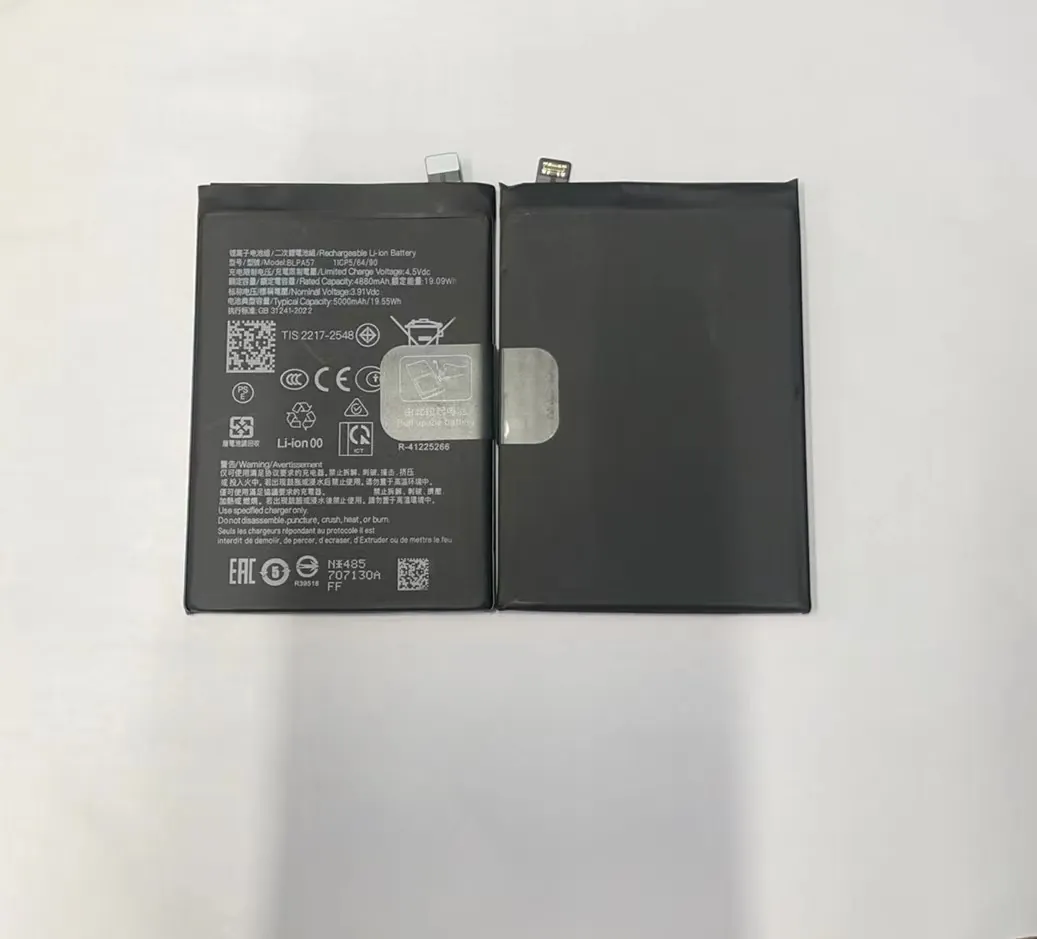
The trend toward sealed phones was driven by several reasons. These include improving water resistance, building sleek designs, and increasing internal space for larger batteries and components.
Main Reasons for the Shift
Here are key reasons why removable batteries declined:
Thinner and Lighter Phones
Manufacturers push for slimmer designs. A removable battery requires extra space for clips and a removable cover. This made it harder to build very thin phones.
Better Water and Dust Resistance
Sealed phones can be protected with rubber gaskets and glue. This gives ratings like IP67 or IP68 for water and dust resistance. Removable batteries make this sealing harder.
Bigger Batteries and More Features
Non‑removable designs allow makers to fit larger batteries, more sensors, bigger cameras, and advanced antennas. The space saved from a sealed design goes to better components.
Stronger Structural Integrity
A phone with a sealed back can be stronger. Glue and internal frames give the phone more rigidity. This helps reduce bending and improves durability.
Market Trend and Thin Bezel Focus
Customers began to value sleek screens, thinner bezels, and premium glass designs. These trends pushed manufacturers to seal phones.
Industry Statements on Design Choices
Many makers explained their choice:
- Apple said sealed designs helped improve waterproofing.
- Samsung highlighted stronger build quality and better thermal design.
- Google noted internal space for bigger batteries and cameras.
These statements show the priorities guiding design changes.
How Consumer Preferences Changed
User needs shifted too. People now charge often from power banks or wireless chargers. They do not carry spare batteries as much.
Also, battery life improved significantly with larger battery capacity and power‑efficient chips, reducing the urgency for battery swaps.
Trade‑offs of Removing the Option
The move away from removable batteries brought trade‑offs:
- Pros: Better waterproofing, sleeker phones, bigger batteries
- Cons: Harder to replace the battery, higher repair cost, and less DIY repair
These trade‑offs favor mainstream users and premium design.
Are removable battery phones more repair‑friendly?
Removable battery phones are often easier to repair. When you can take out the battery without tools, you can reduce repair time and cost.
Phones with removable batteries are usually more repair‑friendly because the battery is one of the most replaced parts, and removing it is simple and safe.
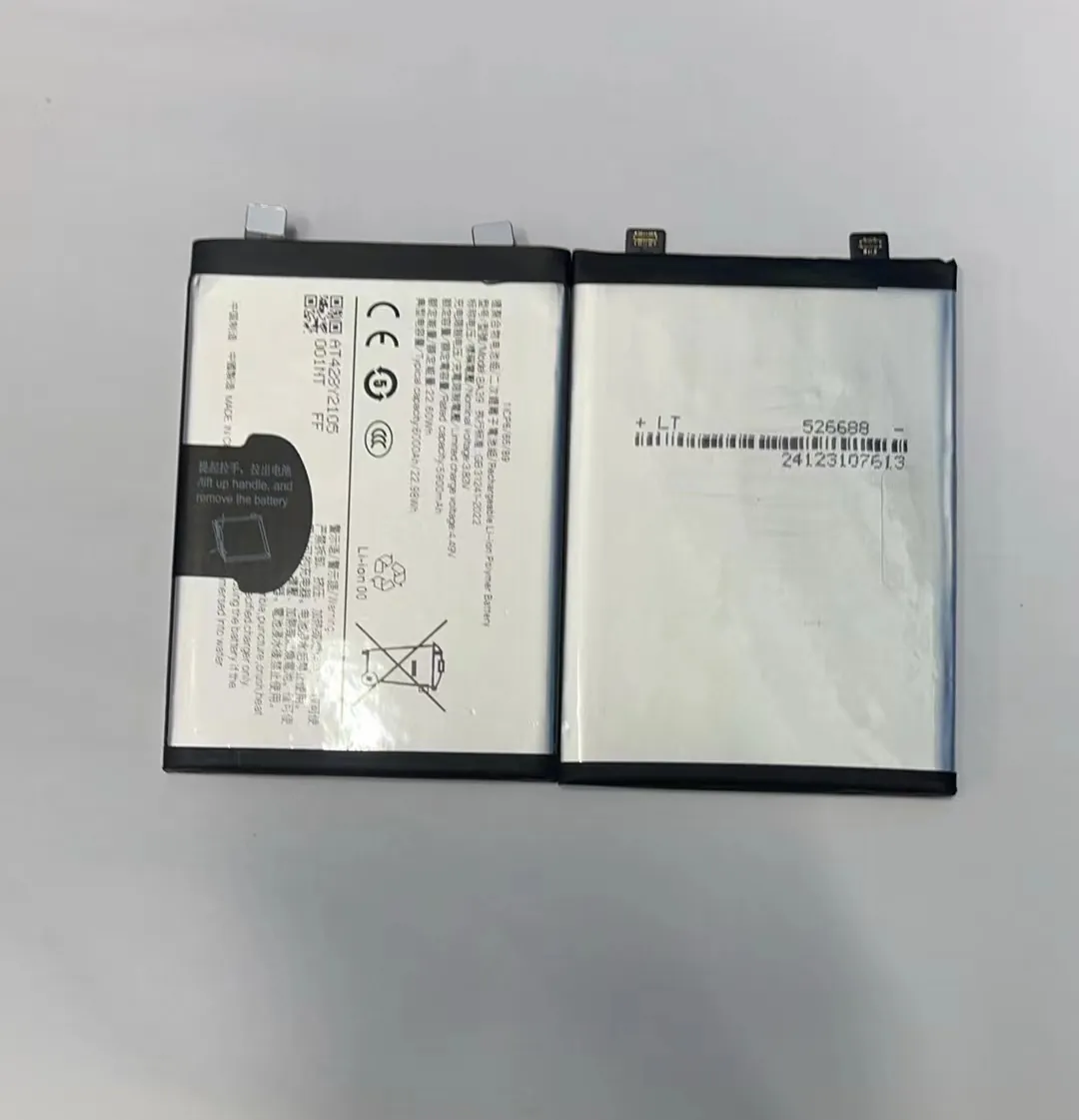
Battery replacement is a common repair. Removable battery designs let users change their battery without a repair shop. This can save money and extend the phone’s life.
What Makes a Phone Repair‑Friendly?
A repair‑friendly phone typically has:
- Removable parts like battery or back cover
- Standard screws not glued parts
- Easy access to components
- Official parts and guides available
Removable battery phones often check at least one of these boxes, making repairs simpler.
Battery Replacement Made Easy
With removable batteries:
- Turn off the phone
- Remove the back cover with your fingers
- Take out the old battery
- Insert the new battery
No heat gun or special tools required. This is a big advantage over sealed models where technicians must heat or pry open the case.
Repair Checklist for Removable Battery Phones
Here’s a simple evaluation of repair friendliness:
| Feature | Yes/No | Notes |
|---|---|---|
| Battery easy to remove | Yes | No tools needed |
| Battery replacement cost | Lower | DIY possible |
| Screen repair | Varies | Depends on design |
| Parts availability | Good for popular models | Varies by brand |
| Service Guides available | Yes | Most rugged phones provide docs |
The table shows that removable batteries help with one major part of repair.
Other Repair Advantages
Removable battery phones often use plastic or simple frames. This can make it easier to replace:
- SIM trays
- Back covers
- Speaker modules
These parts are more accessible.
Limits to Repair‑Friendliness
Removable battery does not guarantee full repairability. For example:
- Some phones still glue the screen
- Internal parts may still require advanced tools
- Spare parts may be limited
So removable battery is one factor, not a complete solution.
DIY Repairs vs Professional Repair
DIY repairs are more possible with removable battery phones. Users can change batteries at home. For other parts, professionals may still be needed.
This lowers repair costs and speeds up the process.
Comparison with Sealed Battery Phones
Sealed battery phones often need:
- Heat guns to soften glue
- Suction cups to remove glass
- Special tools
- Advanced skills
This increases repair cost and risk of damage.
Impact on Phone Lifespan
A replaceable battery can extend a phone’s usable life. When the battery degrades, you just swap it. This can give the phone years more life.
Sealed batteries degrade over time and need a technician to replace.
Do removable batteries impact phone waterproofing?
Removable batteries change how waterproofing is done. Most sealed phones have higher water resistance. Removing the battery cover makes it harder to fully seal the phone.
Removable batteries usually reduce a phone’s waterproof rating because seals cannot be as tight as in fully sealed designs.
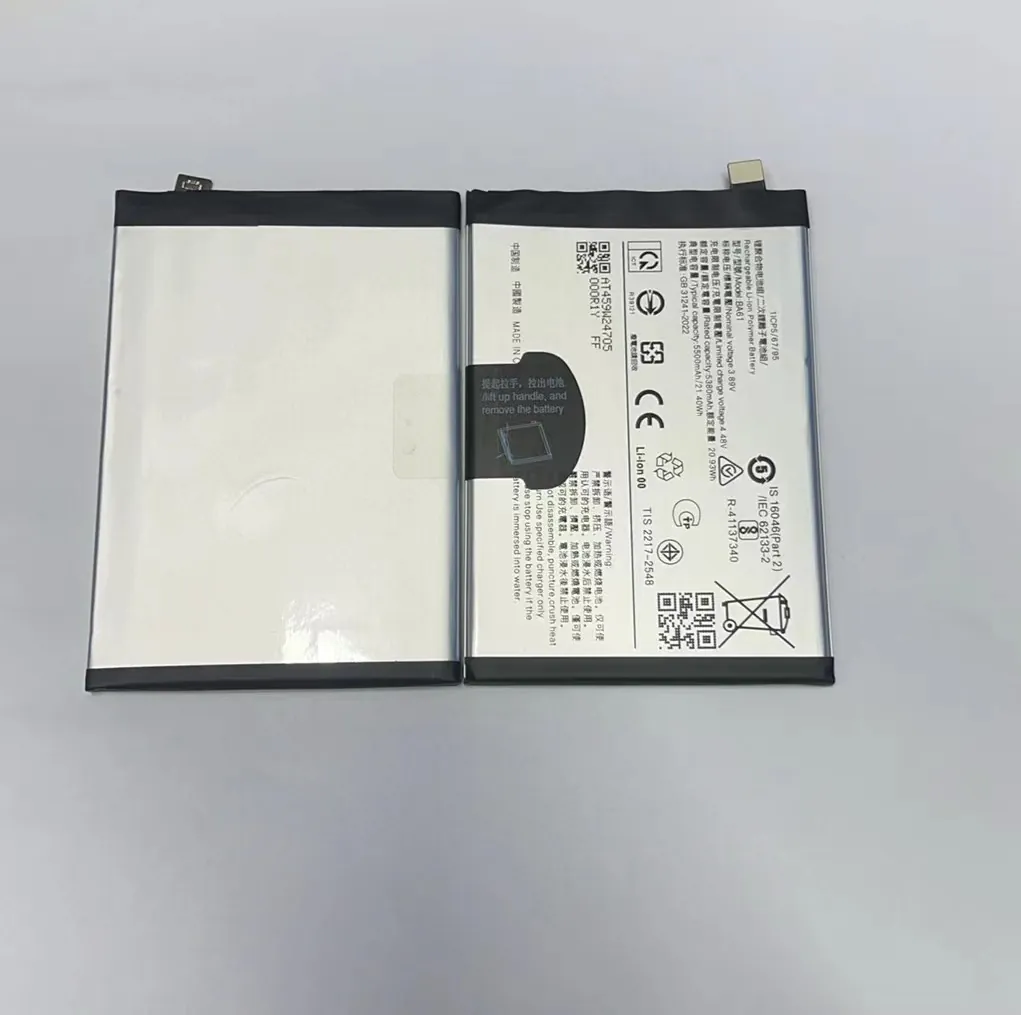
Waterproofing needs rubber gaskets and tight fit parts. When the back is removable, the seal is weaker than glue‑sealed phones.
How Waterproofing Works
Waterproofing uses:
- Gaskets and seals around openings
- Glue and pressure to block water
- Minimal entry points
Sealed phones use precise factory sealing. This is hard to match with removable designs.
Typical Waterproof Ratings
Here are common IP ratings:
| Rating | Meaning |
|---|---|
| IP53 | Splash resistant |
| IP67 | Dust tight, water immersion up to 1 m |
| IP68 | Dust tight, deeper water resistance |
Most flagship phones aim for IP68. Removable battery phones often score lower or have no official IP rating.
Removable Batteries and Water Resistance
Removable backs usually mean lower water protection. Some rugged phones improve water resistance with strong seals, but:
- They still may not match IP68 in deep water
- Seals can wear with repeated removal
The more you open and close a removable cover, the more the gasket wears, reducing effectiveness.
Rugged Phones and Waterproofing
Some rugged phones balance removable batteries with good water resistance. They use:
- Strong clips
- Thick rubber seals
- Locked covers
Even then, users should treat them as water‑resistant for short periods, not fully waterproof for deep water.
User Tips for Waterproofing
If your phone has a removable battery:
- Check the seal every time you close it
- Clean the gasket to remove dust
- Avoid deep water even if rated
- Replace worn seals
These steps help maintain water resistance.
Comparison: Sealed vs Removable
| Feature | Sealed Battery Phone | Removable Battery Phone |
|---|---|---|
| Water resistance | High (IP67/IP68) | Lower or variable |
| Ease of battery change | No | Yes |
| Repair cost | Higher | Lower |
| Battery lifespan extension | Harder | Easier |
| Design flexibility | More | Less |
This table shows the trade‑offs between designs.
Why Some Users Choose Removable Anyway
Even if water resistance is lower, users still want:
- Easy battery swap
- Long trips without charger
- Less repair cost
- DIY repair
These benefits outweigh weaker waterproofing for some buyers.
Final Thoughts on Waterproofing
Removable batteries do weaken water seals. But good design and careful use can still offer reasonable resistance to splashes and brief exposure.
conclusion
Removable battery phones still exist, mostly in rugged and niche markets. The industry moved away to make sleeker, more water‑resistant phones. Removable batteries help repairability but often reduce waterproofing. Choose based on what matters most to you.
