
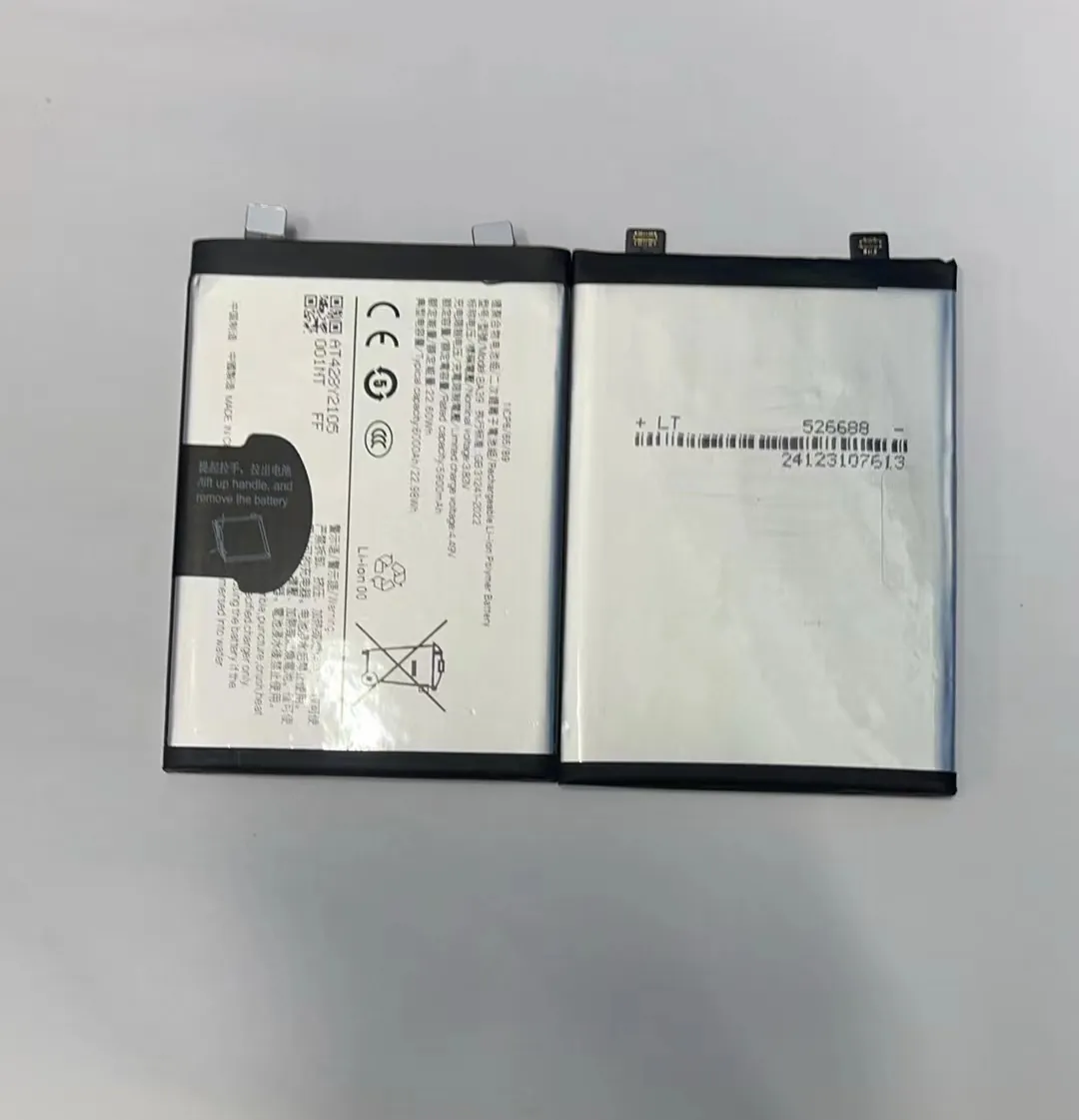
I have seen many debates about battery life. People worry that their phone dies too fast. This article looks at phones with strong battery life and what makes them last long.
When I examine all options, the best battery life comes from careful balance of capacity, software, and user habits. This article answers the key questions and helps you choose the right phone for long endurance.
Battery life matters more than ever because we use phones for work, social life, and directions. If your phone dies during a trip or work call, the stress is real. This article guides you through reputable brands, real comparisons, and choices that fit different needs.
What phone brand offers the longest battery life?
I know many people ask what brand lasts longest. Everyone wants a phone that stays alive from morning till night, even with heavy use.
Some brands are known for long battery life because they build phones with large battery capacity and efficient software. These brands often lead in endurance tests and real world use.

When I compare brands, I look past marketing claims. I want real results from tests and user reports. Battery life depends on many factors. These include battery size measured in mAh, how the operating system saves power, screen size, and chip efficiency. Some brands focus on big batteries and tight power control. Others focus more on performance or camera quality, which can reduce real life battery duration.
Leading phone brands for battery life
Here is a simple chart to show brands with strong battery life, based on models that regularly last long in real use:
| Brand | Known for Battery | Typical Capacity (mAh) | Notes |
|---|---|---|---|
| Samsung | Yes | 5000–6000 | Good optimization with Exynos/Snapdragon |
| Xiaomi | Yes | 5000–6000+ | Often large batteries with good value |
| Motorola | Yes | 5000 | Focus on endurance in midrange phones |
| Apple | Moderate | 3000–4500 | Efficient iOS but smaller batteries |
| Moderate | 4000–5000 | Good optimization, smaller than some rivals |
Some brands like Oppo and Realme also make phones with big batteries, but they vary across models. What matters most is how the brand tunes software to use power wisely.
Why brand matters for battery life
When brands design phones, they choose chips, screens, and software. Each choice affects power use. Some brands keep battery life high by using slower refresh rate screens or better sleep mode for apps. Others push performance, which can drain battery faster.
Also, regional versions of phones may differ. A phone model in one country may use a different chip or network setup, which changes battery life.
In short, the longest battery life often comes from brands that put capacity and efficiency first, not just flashy features.
How does battery capacity compare across models?
Battery capacity is one key number people check before buying. But it is only part of the story in real life usage.
Battery capacity shows how much energy a phone can store, measured in milliamp hours (mAh), but real life battery life depends on how the phone uses that energy.
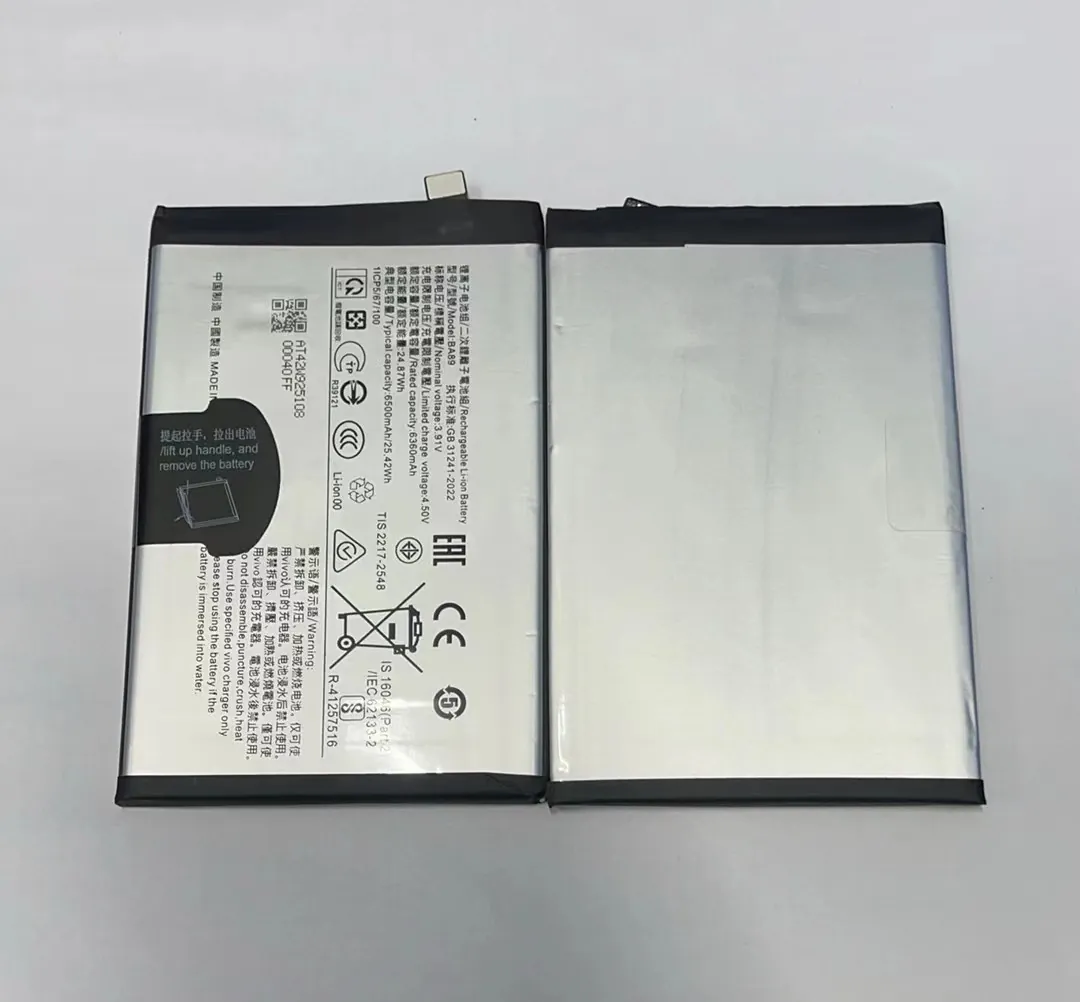
When I compare models, I look at both capacity and how quickly the phone uses power. Two phones with the same capacity can have very different battery life if one uses a high resolution screen and fast CPU while the other uses simpler hardware.
Here is a comparison of battery capacity across popular models:
| Model | Battery (mAh) | Screen | Chip | Estimated Screen-On Time |
|---|---|---|---|---|
| Samsung Galaxy Ultra | 5000 | 6.8" AMOLED | Snapdragon | ~8–9 hours |
| Xiaomi Redmi Note | 6000 | 6.5" LCD | Midrange | ~9–10 hours |
| Apple iPhone Pro | 4350 | 6.1" OLED | A-series | ~7–8 hours |
| Motorola G Power | 5000 | 6.6" LCD | Midrange | ~10–11 hours |
| Google Pixel | 4600 | 6.3" OLED | Tensor | ~7–8 hours |
These numbers show capacity and screen size together because screen tech and size influence power use. A big OLED may use more power than a smaller LCD, depending on brightness and refresh rate.
Real life vs battery size
A phone with a 6000 mAh battery sounds great. But if the screen is very bright and the software does not save power, you may not get more hours than a phone with a smaller battery that uses power smarter.
For example, phones with adaptive refresh rate screens (120 Hz) can show smoother motion. But this can use more power if the refresh rate stays high. Some phones can lower refresh rate only when needed, which helps battery life.
Software and power management matter
Some brands add power saving modes. These modes limit background activity, reduce brightness, and stop non-essential tasks. This can add hours of life when you need it most.
Also, newer chips are more efficient. A newer Snapdragon or Apple A-series chip can do more work per unit of power than older versions.
In my experience, battery capacity is a guide, not a guarantee. Always check real life tests and user reviews to understand how a phone performs in everyday use.
Which phones balance performance and battery life best?
People want both performance and long battery life. A phone that lasts many hours but runs slow is not ideal. Likewise, a fast phone that dies early is a problem.
The best balanced phones deliver strong performance for apps and gaming while also keeping battery life long enough for a full day of use.
When I say balance, I mean phones that allow heavy use like video, games, and multi-tasking without fast battery drain. These phones usually have efficient chips, smart software, and decent battery size.
Examples of balanced phones
Here are some well known balanced phones:
- Samsung Galaxy S series – These flagship phones combine high performance chips with software that manages power well. They may not have the very largest battery, but the system optimization helps them last long with mixed use.
- iPhone Pro models – iOS is known to balance tasks and battery use. Apple chips deliver strong performance without huge power waste. Many iPhone users report full day use with heavy tasks.
- Google Pixel series – Google tunes Android for clean operation. Pixels often last through a day with moderate use, though heavy gaming can drain battery faster.
- Motorola midrange with big battery – Phones like the G Power use less powerful chips but very large batteries. They balance everyday performance with excellent endurance.
What makes a balanced phone
To balance performance and battery life, several parts must work well together:
- Efficient chip: A modern CPU that does not waste energy on simple tasks.
- Smart software: The system puts inactive apps to sleep and manages background services.
- Battery size: Enough capacity to support long sessions.
- Display tech: A screen that uses less power, such as adaptive refresh rate or dark mode.
I often see reviews that stress only one aspect, like how fast a phone can run benchmarks. Benchmarks are useful, but they do not show battery life under real conditions. I prefer to see tests that measure both performance and battery life in everyday scenarios.
My advice on balanced phones
If you use your phone for work, games, and media, pick a phone with at least 4500 mAh or strong optimization. Also read reviews that test both performance and battery life. This will help you avoid phones that shine in one area but fail in the other.
Do rugged phones have better battery endurance?
Rugged phones are built to survive drops, water, and dust. Many rugged phones also claim to last longer on a single charge. But is that always true?
Rugged phones often have large batteries, but true battery endurance depends on how the phone uses that energy, not just the battery size.
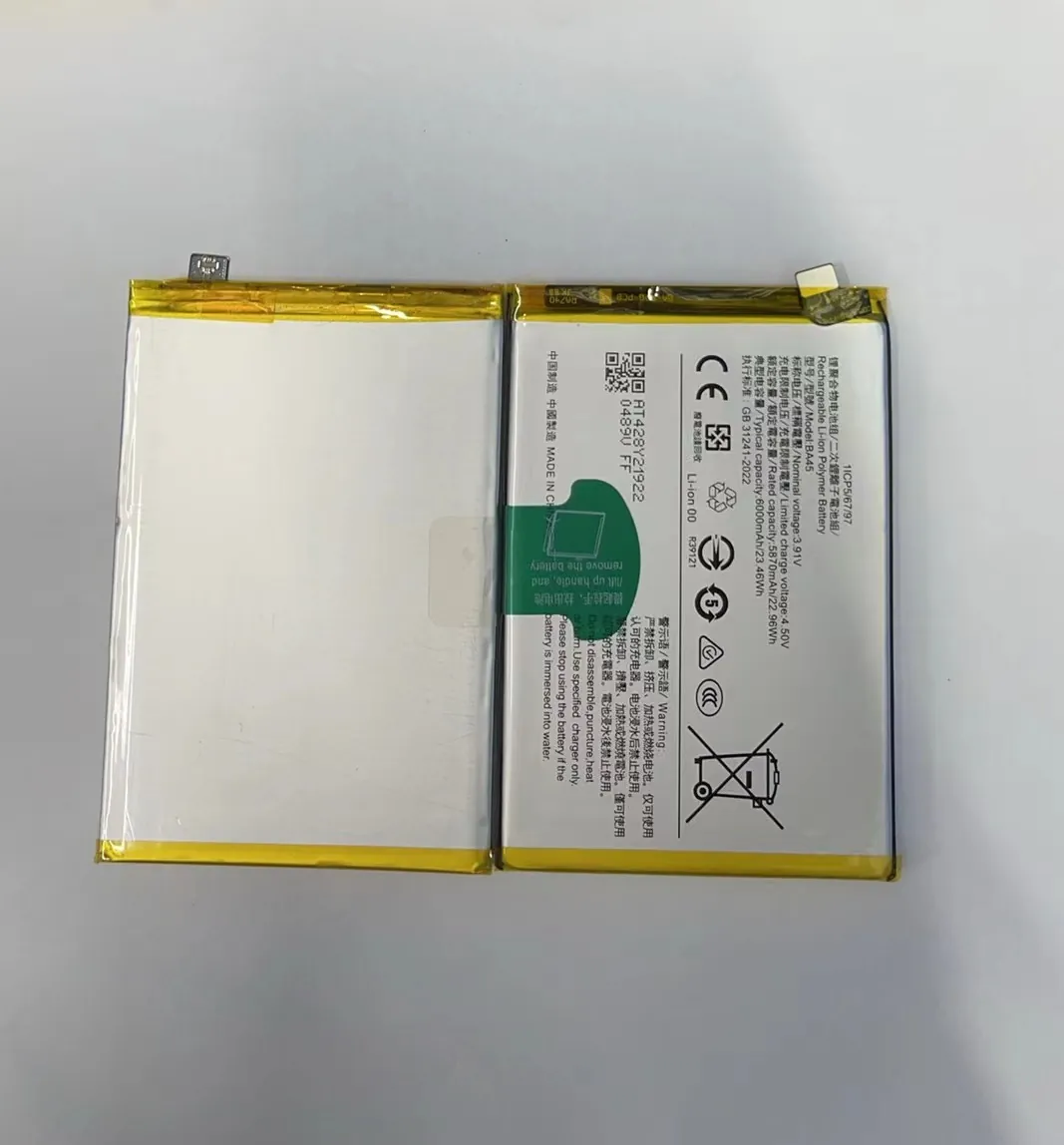
Rugged phones face special demands. Users may be outdoors, away from chargers, or in harsh conditions. So makers often include big batteries to meet these needs. But rugged phones may also have power-hungry features like bright screens, radio hardware for field use, or sensors that use extra power.
Typical rugged phone battery specs
Rugged phone batteries vary, but many models go beyond the usual capacity:
- Phones with 5000–7000 mAh are common.
- Some rugged models include power-saving modes for field work.
- Extra features like walkie talkie apps, thermal cameras, or GPS can add power use.
A simple list of rugged phones and their battery size might look like this:
| Rugged Model | Battery (mAh) | Standby Time | Special Power Features |
|---|---|---|---|
| Rugged Phone A | 7000 | ~3 days | Solar charging support |
| Rugged Phone B | 6000 | ~2.5 days | Power saving profiles |
| Rugged Phone C | 6500 | ~3 days | Extra GPS modes |
These example models show that rugged phones tend to include large batteries. But the true test is how long they last under heavy use.
Why rugged phones can last long
Rugged phones may last long because:
- They often use large batteries to meet outdoor needs.
- Their screens may be optimized for lower power in bright light.
- They may include hardware designed to reduce waste in standby.
Also, because rugged phones aim at specific users (e.g., construction, outdoors), they include modes that restrict background apps and focus battery on essential tasks.
Why rugged phones can also lose battery fast
On the flip side, rugged phones may include:
- High brightness screens that use more power outdoors.
- Extra sensors that run continuously.
- Constant GPS or radio use in field apps.
These can drain battery faster if not managed well.
In real life, a rugged phone may last long if you use conservative settings and take advantage of power modes. But just buying a rugged phone does not guarantee amazing battery life if the screen and features use energy quickly.
Conclusion
I find that the best battery life comes from phones that balance capacity, software, and chip efficiency. Rugged phones often have big batteries, but real life use matters most. Choose a phone based on your daily needs and how you use it, not just the battery number.
