
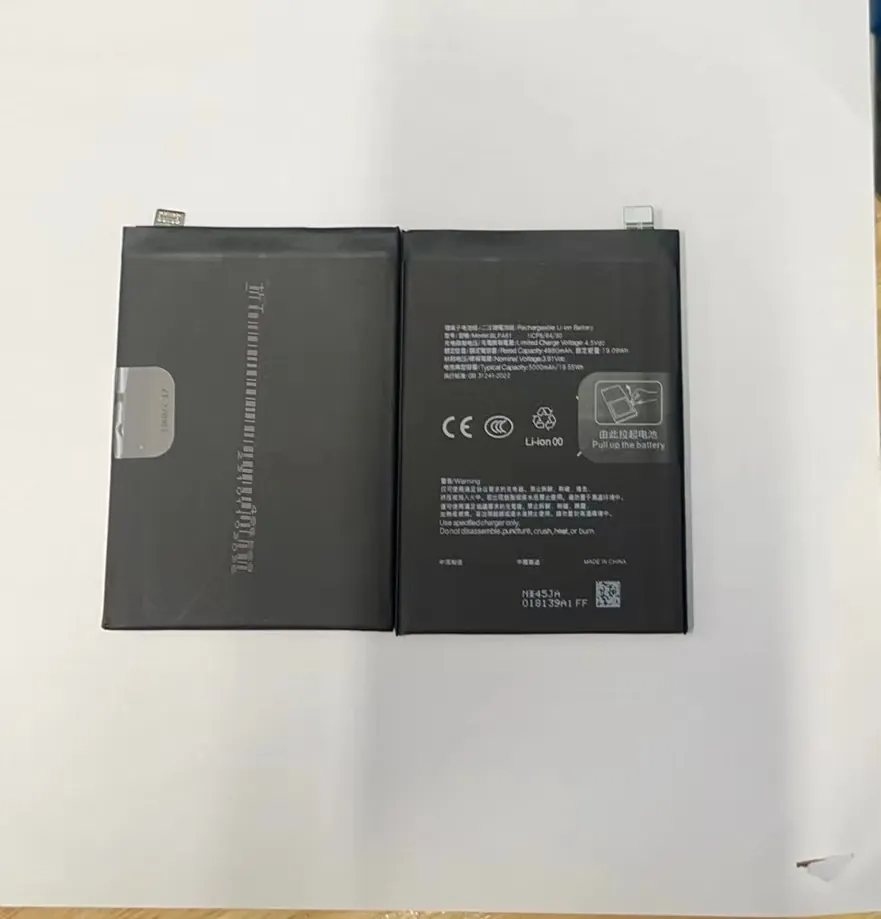
Running out of battery in the middle of your day is frustrating. It disrupts work, communication, and your peace of mind.
In Australia, some smartphones lead the pack in battery performance, giving users confidence to power through even the longest days.
Let's explore which phones stand out, why they last longer, and what makes them better suited for Australian conditions.
What are the top long‑lasting phones in Australia?
Long battery life is a top feature Australians look for when buying a new phone. Whether it's for work, travel, or staying connected, a reliable battery makes all the difference.
The top phones with long battery life in Australia include the Samsung Galaxy S25 Ultra, iPhone 17 Pro, and Google Pixel 9a. These models are known for lasting a full day or more on a single charge.
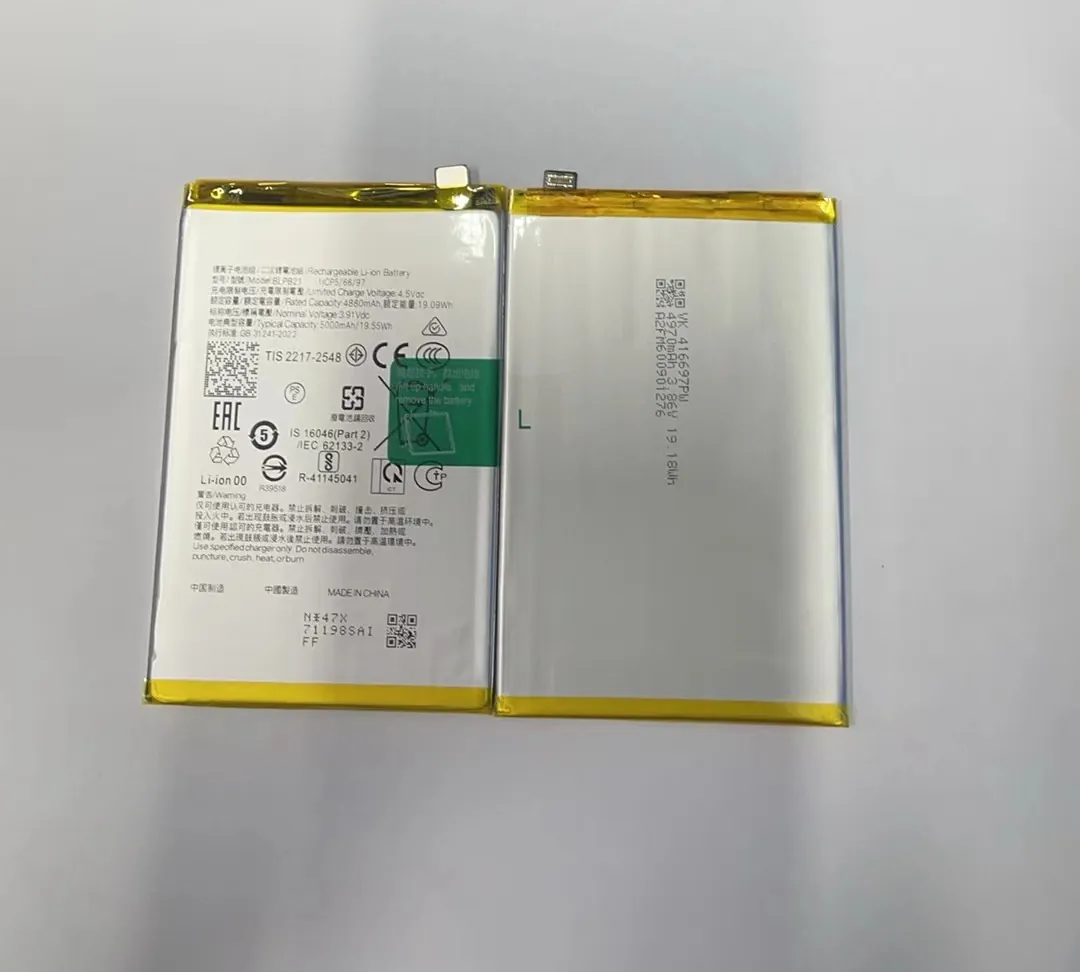
Top 8 long‑lasting phones in 2025:
| Phone Model | Battery Life Estimate (Mixed Use) | Battery Capacity | Key Strengths |
|---|---|---|---|
| Samsung Galaxy S25 Ultra | 1.5–2 days | 5000mAh | Flagship specs, power-efficient |
| iPhone 17 Pro | 1.5 days | ~4400mAh | Optimized iOS power management |
| iPhone 17 | 1–1.5 days | ~4200mAh | Balance of size, weight, and life |
| OnePlus 13R | 1.5–2 days | 5500mAh | Large battery, fast charging |
| Pixel 9a | 1.5 days | 5000mAh | Stock Android, low drain apps |
| Nothing Phone (3a) Pro | 1–1.5 days | 4800mAh | Mid-range with great efficiency |
| Galaxy S25 | 1.5 days | 4700mAh | Flagship performance and life |
| Galaxy S25 FE | 1–1.5 days | 4500mAh | Affordable with good battery life |
These phones are often tested under real-world use: web browsing, video, calls, and standby time. Phones with better battery optimization consistently last longer under the same usage.
Notably, the OnePlus 13R and Pixel 9a punch above their weight for price vs battery life. The Samsung Galaxy S25 Ultra, though expensive, is a power user’s dream.
How does battery life compare among Australian models?
Battery life is not just about capacity. It's about how well software and hardware work together. Australian buyers care about lasting through full workdays, long commutes, and remote travel.
In Australia, phones vary in battery life depending on price range, usage needs, and power efficiency — not just battery size.
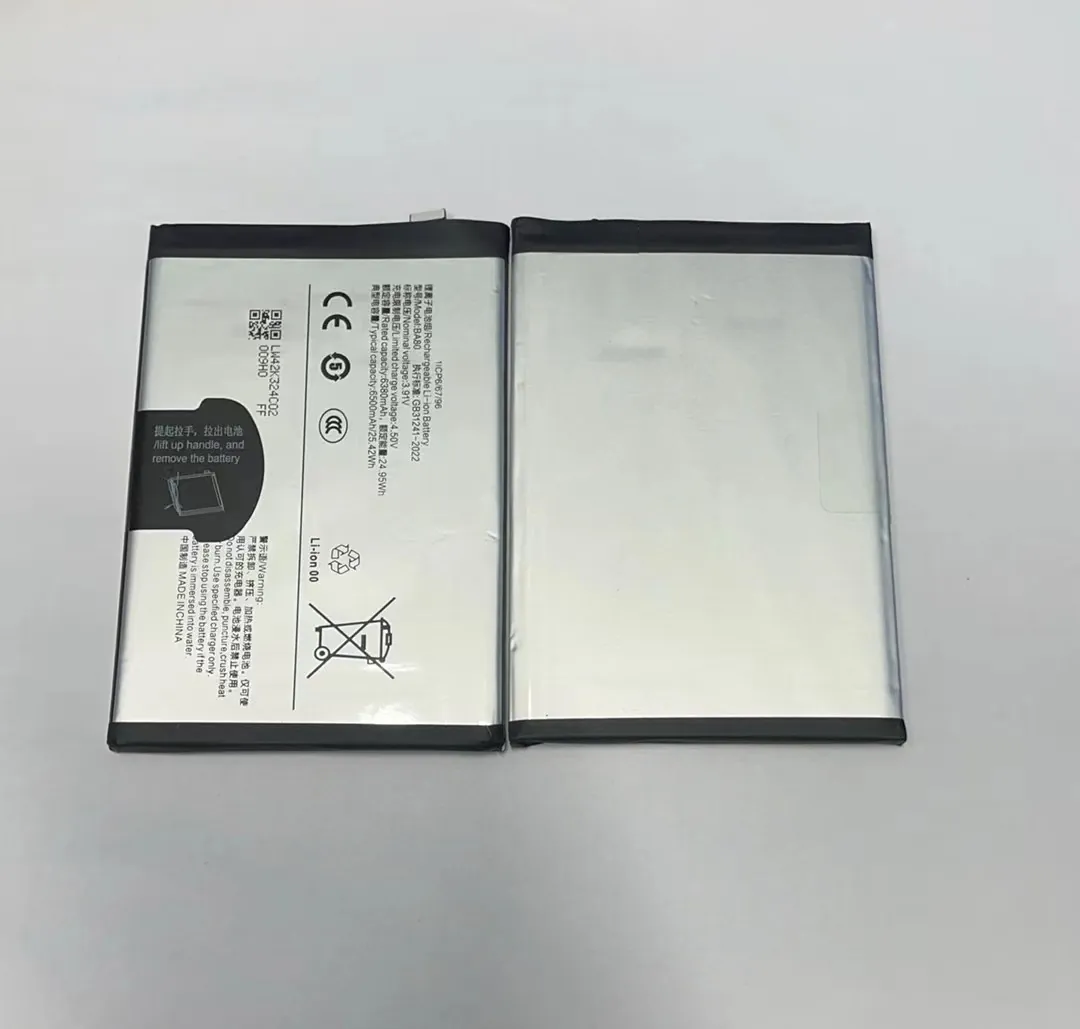
Performance by category:
| Category | Battery Life | Notes |
|---|---|---|
| Premium flagships | 1.5–2 days | Strong processors with good optimization |
| Mid-range phones | 1–1.5 days | Balanced between price and battery |
| Budget phones with big battery | Up to 2 days | Focus on battery capacity over performance |
| Gaming / heavy usage phones | 1–1.2 days | Fast drain under load but charge quickly |
What affects battery performance:
- Display size & refresh rate – Higher refresh rates (120Hz) use more power.
- Chipset efficiency – Some processors drain less power during normal use.
- 5G connectivity – Uses more battery, especially in areas with poor signal.
- Software management – Some brands close background apps better.
In real tests, Google Pixel phones and iPhones perform better than expected because of excellent system-level battery management. On the Android side, OnePlus and Samsung show strong consistency across their models.
Why do some phones perform better in Australian conditions?
Australia has unique usage challenges — heat, long distances, poor signal in rural areas, and outdoor-heavy lifestyles. These things push batteries harder than usual.
Phones that perform better in Australia usually combine large batteries, smart software, and reliable network management.
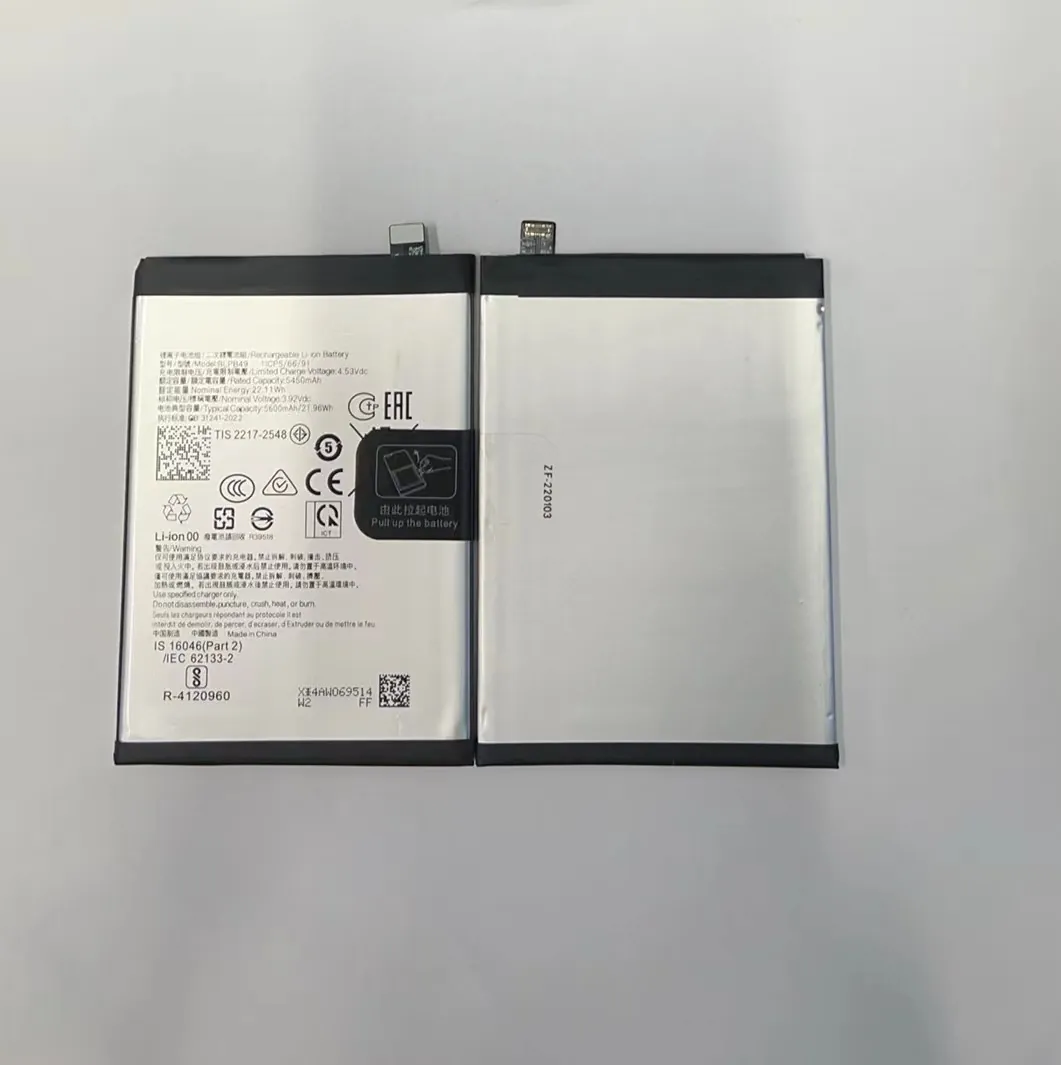
Key reasons:
1. Hot temperatures drain batteries
Australia's warm climate affects phones more than you’d expect. Heat speeds up chemical wear in lithium batteries. Phones with better thermal management last longer and charge more safely. Models like Samsung’s flagship S-series have improved cooling systems.
2. Poor signal = more drain
In rural or remote areas, phones constantly search for signal. This drains batteries fast. Phones with smart network switching and signal control can stretch battery life. iPhones and Pixels are good at this.
3. Outdoor lifestyle = screen time
Australians often use phones outdoors — for maps, rideshare, travel, and entertainment. Bright sunlight means higher screen brightness, which burns more power. Phones with AMOLED displays and auto-brightness perform better in these conditions.
4. Long travel = standby optimization
Travelers need phones that can sit in standby and still last. Smart standby management helps. Again, this comes down to good software — an area where Apple, Google, and Samsung excel.
5. Power availability
In remote or travel-heavy areas, fast charging is important. Phones like the OnePlus 13R charge to 80% in 30 minutes — very useful in the outback or on the go.
Which brands lead in battery optimization in Australia?
Not all phones with big batteries perform the same. Optimization is the difference. Some brands know how to squeeze every bit of energy from the battery.
Samsung, Apple, and Google lead battery optimization in Australia by combining software efficiency and smart hardware choices.

Brand breakdown:
| Brand | Optimization Strengths | Common Traits |
|---|---|---|
| Samsung | Efficient screens, balanced power modes | Available in many price ranges |
| Apple | Deep iOS-hardware integration, smart app control | Even smaller batteries last long |
| Minimalist Android, adaptive power saving | Regular updates, very clean software | |
| OnePlus | Fast charging + large batteries | Mid-range king for performance + battery |
| Nothing | Power-efficient chips, clean software, unique design | Strong standby, good brightness control |
What sets them apart:
Samsung
Their One UI includes battery saving modes and limits background drain. Flagships like the S25 Ultra adapt screen refresh rate based on use, saving power.
Apple
Even with smaller batteries, iPhones last longer because iOS controls background apps tightly. Plus, updates improve battery life over time.
Pixels with Android 14+ have Adaptive Battery features. These learn user behavior and limit unnecessary usage.
OnePlus
OnePlus devices feature Battery Health Engine and hyper-efficient chips. Coupled with massive batteries and 80W+ charging, they're built for endurance.
Nothing
Nothing Phones combine large capacity with clean Android skins and power-saving visuals. They tend to avoid battery-draining features unless necessary.
Conclusion
Battery life is still one of the top reasons Australians choose one phone over another. Whether you’re commuting across the city or exploring remote areas, a phone that lasts can make a big difference. Models like the Galaxy S25 Ultra, iPhone 17 Pro, and Pixel 9a offer some of the best battery life options in 2025 — with choices for every budget and use case.
