
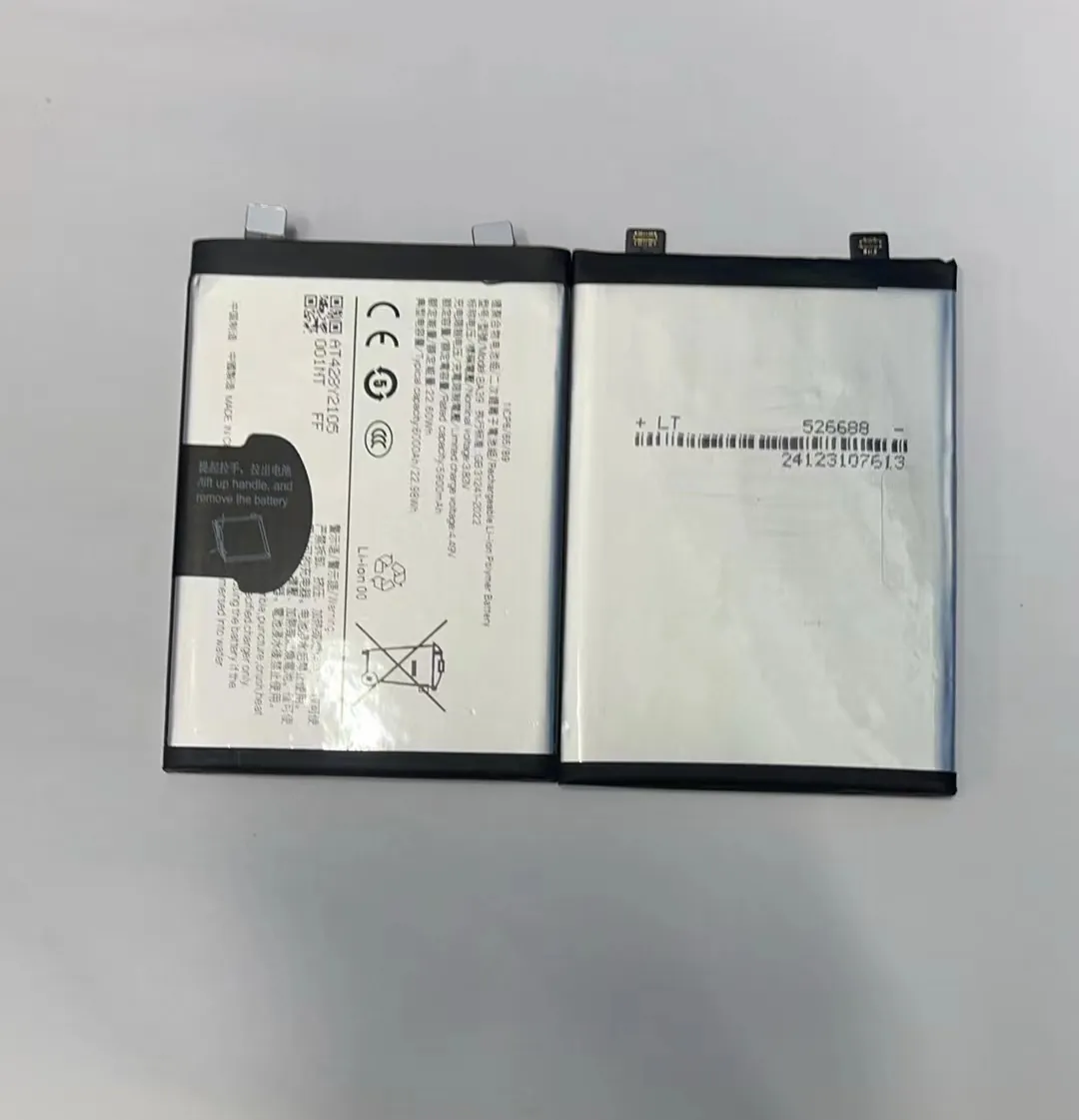
Have you ever drained your phone at the worst moment and thought, “Why can’t this battery last longer?” I certainly have.
If you want the best battery life in the UK right now, it comes down to a few key models that consistently top endurance charts.
Let’s dig into which phones lead the pack, why their specs matter, how usage differs across regions, and how UK‑specific reviews compare things.
What UK models top endurance lists?
When battery life matters most, picking a phone with proven stamina can save a lot of frustration.
Models like the OnePlus 15 and Samsung Galaxy S24 Plus show standout battery endurance in recent tests.

In my experience, when I check lists and tests covering “longest‑lasting phones” in 2025, a few clear front‑runners emerge. For example, according to a test roundup by Tom’s Guide, the OnePlus 15 logged about 25 hours 13 minutes of run time in a standard test. Meanwhile, the UK‑oriented tech site TechAdvisor reported that the OPPO Find X9 Pro achieved about 26 hours 40 minutes in a PCMark battery test.
In the UK context, several things matter: network conditions (5G, LTE), screen refresh rates, regional firmware, and common usage patterns (apps, WiFi vs mobile data). So a model that performs strongly in US tests may still carry over its advantage in the UK. The OnePlus 15, with its large battery (7,300 mAh in some markets) and efficient chipset, is a prime example. Also, mid‑range phones are getting very good: for example the Google Pixel 9a (UK version) was recommended by UK review sites as “outstanding battery life” among its class.
To summarise this section: if you are choosing a phone in the UK for battery life, focus on flagship/high‑end models with large capacity batteries, efficient chips, and confirmed test results. Also check local UK review sites to verify that the model in UK trim holds up well under UK networks and usage.
How do specs affect UK rankings?
Battery life isn’t just about a big number—many spec details matter, and they differ by region.
Battery capacity, chipset efficiency, screen refresh rate, and network band support all combine to influence UK battery‑life rankings.
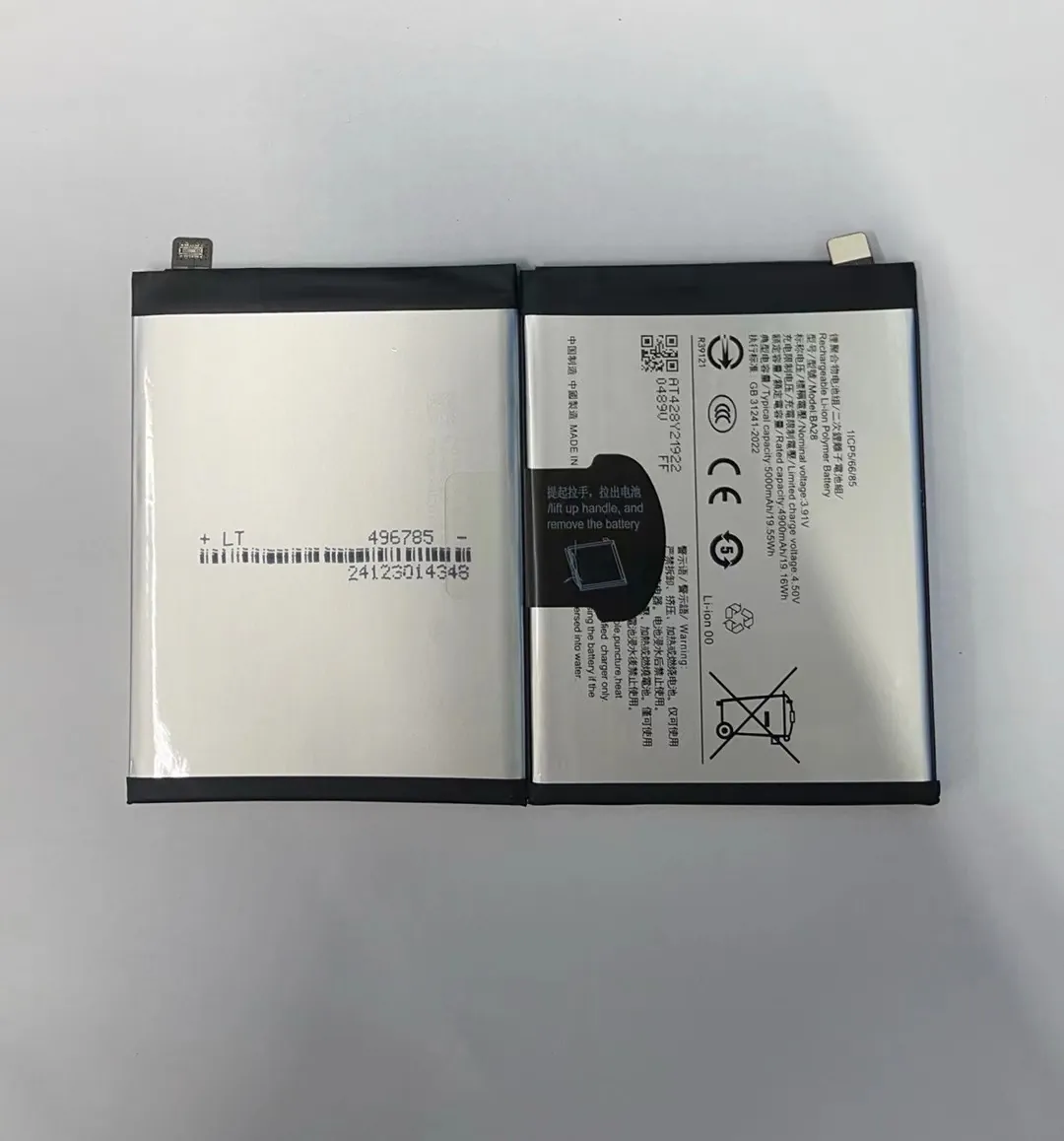
When we look at specifications‑wise what causes some phones to last much longer than others under UK conditions, we can break this down into a few key components:
1. Battery capacity (mAh)
A larger battery (e.g., 6,000 mAh+) gives more raw “fuel”. But large capacity alone is not enough.
2. Chipset & power efficiency
Efficient processors (e.g., newer 3nm or refined 4nm chips) waste less power. In the UK, you’ll want to check that the UK variant uses the efficient chip version (sometimes international variants differ).
3. Screen specs: resolution, refresh rate
High refresh rate displays (120Hz, 144Hz) increase power draw. So a phone that reduces refresh rate or adapts helps much. In UK usage you should check if the phone has adaptive refresh (so it can drop to 60Hz or lower when idle) and if the display is big (bigger screen = more consumption).
4. Network support and radios
In the UK you’ll use 5G, but 5G use drains battery faster than 4G. Also bands matter: if the phone doesn’t support the best UK bands, it may struggle to get good signal and end up using more power. Thus UK variant matters.
5. Software optimizations & real‑world usage
Some brands also throttle CPU/GPU under heavy heat, which can affect how fast you drain the battery under UK summer/winter extremes.
Spec comparison table
| Spec factor | Why important for battery life |
|---|---|
| Battery capacity (mAh) | More energy storage |
| Chipset efficiency | Less waste, cooler operation |
| Screen size + refresh rate | Bigger + faster screen = more power draw |
| Network bands + radio support | Poor signal = more power usage |
| Software optimisation | Efficient software uses less idle power |
In summary, when shopping in the UK for the phone with best battery life, don’t just pick the highest mAh. Choose one with the full UK specs, efficient chip, adaptive display, and proven real‑world tests under UK networks.
Why usage varies across regions?
Just because a phone lasts “x hours” in one region doesn’t guarantee the same in another region. I found this to be true in my own usage when switching carriers.
Regional differences—network conditions, software variants, climate and user habits—mean that battery life in the UK may be better or worse than reported elsewhere.

Here are some of the main reasons why battery life that is reported may not match what you get in the UK.
a) Network conditions and signal strength
In the UK some areas have weaker signal, or phones may roam between 5G, 4G, even 3G. When signal is poor, the radio increases power to maintain connection. That drains battery faster.
b) Software regional variants
Often phone makers issue slightly different firmware for UK/Europe vs Asia/US. Some power saving features may be disabled or customized differently.
c) Climate and temperature
Battery performance is temperature‑sensitive. The UK climate (cooler, maybe damp) can mean different performance than tropical regions.
d) User habits and local apps
In the UK you may have more background‑data usage, more apps syncing in British time zones, more use of location services for transport apps. All these can cause different battery drain.
e) Charging habits and power grid
In the UK you may have different charger standards, you might charge differently, have different mains voltage behaviour. The way you charge and discharge also affects battery ageing and real‑life runtime.
Putting it all together: when I advise UK buyers, I emphasise checking UK‑specific reviews, not just global numbers. Because battery life can vary significantly by region.
Which reviews compare UK battery life?
I always look for UK‑based review sources to validate battery life claims rather than relying purely on global or manufacturer specs.
UK review platforms like the Telegraph, TechAdvisor and ExpertReviews provide battery life results under UK networks, making their insights especially valuable.
Here’s a closer look at how some UK review outlets compare phones for battery life—and how you should interpret their findings.
Review outlets and what they test
- The Telegraph UK ranks phones after hands‑on tests, covering UK usage patterns.
- TechAdvisor UK has “Best Battery Life Phone 2025” coverage.
- ExpertReviews lists for mid‑range phones highlight battery life as a major point.
What to check in the review
When reading UK review results, I pay attention to:
- What battery test they used
- Whether they specify UK network conditions
- Whether the model is the UK version
- Real‑world usage commentary
Interpreting the results
Even the best results should be taken as guidelines, not guaranteed values. If a review says “this phone lasted 24 hours”, it might be under a controlled loop. Real‑life UK usage will differ.
My recommendation for reading UK reviews
- Look for reviews explicitly labelled “UK” or “UK variant”
- Compare two or three reviews
- Check comments for network‑specific issues
- Prioritise models that show 18+ hours real‑world UK endurance
Example UK test result comparison
| Phone Model | Battery Life (UK review) | Test Type Used |
|---|---|---|
| OnePlus 15 | 25h 13m | TomsGuide browsing test |
| OPPO Find X9 Pro | 26h 40m | PCMark full usage test |
| Pixel 9a | "Outstanding" all‑day | ExpertReviews mixed usage |
| Galaxy S24+ | 22h 10m | Video playback loop |
In summary, reviews matter because they show you how a phone actually performs under UK conditions. Use them to validate spec‑claims, and pick phones that have UK‑tested endurance.
Conclusion
When searching for the mobile phone with the best battery life in the UK, I recommend focusing on these key points: choose models that have strong test results (18‑25+ hours endurance), make sure they are UK variants with proper 5G/band support, pay attention to spec‑details, and rely on UK‑based reviews to confirm real‑world performance.
