
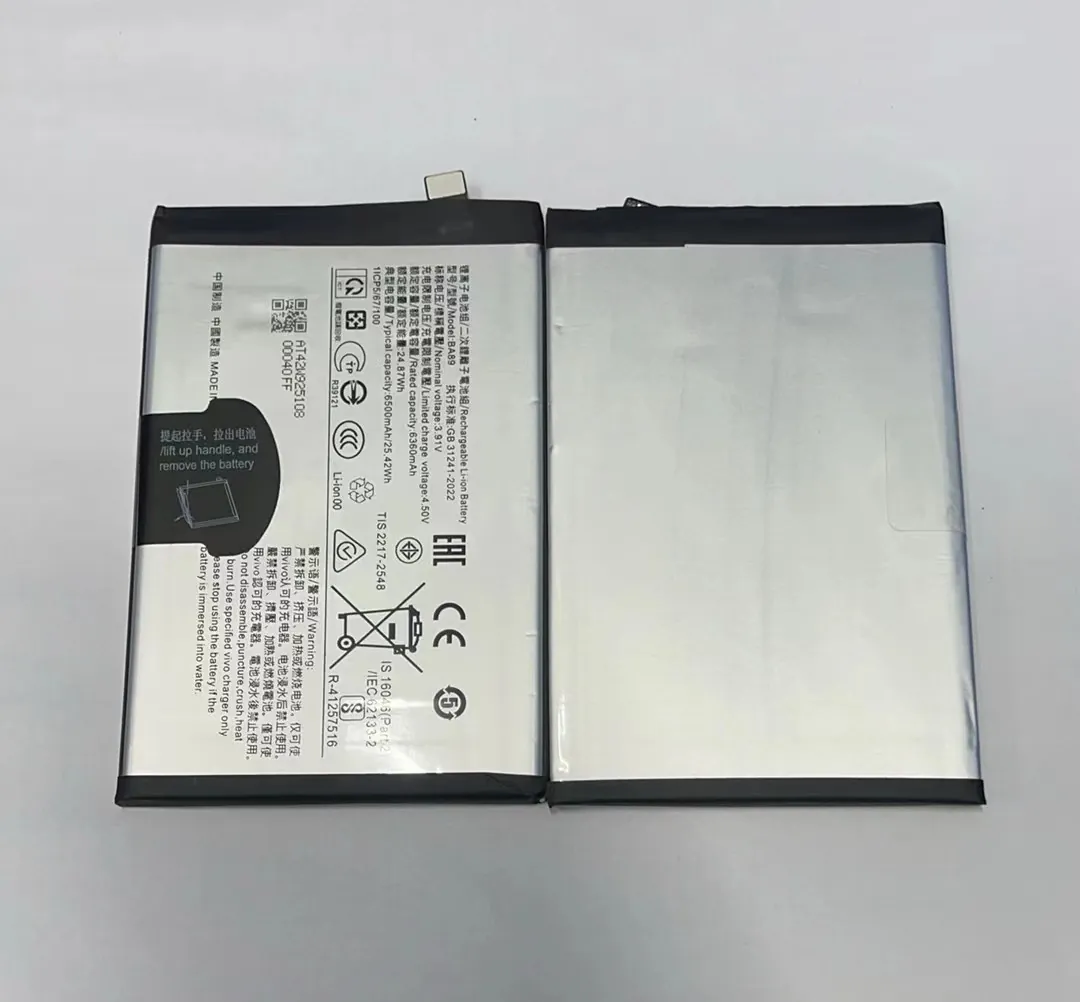
Most people hate running out of battery. You think a big number like 6000mAh will save you, but by the afternoon your phone is dead. It's frustrating.
The phone with the largest battery capacity available today is the OPPO Find X9 Pro, with a massive 7,500mAh battery.
This phone pushes the limits of power and design. But is battery size all that matters? Let's look at the facts, trade-offs, and why not all phones go for max capacity.
What is the current largest battery capacity in phones?
A bigger battery often promises longer life. But which phone leads the pack in 2025?
The OPPO Find X9 Pro has the biggest known battery today, offering 7,500mAh in a slim body. Some rugged or niche phones go beyond 8,000mAh.
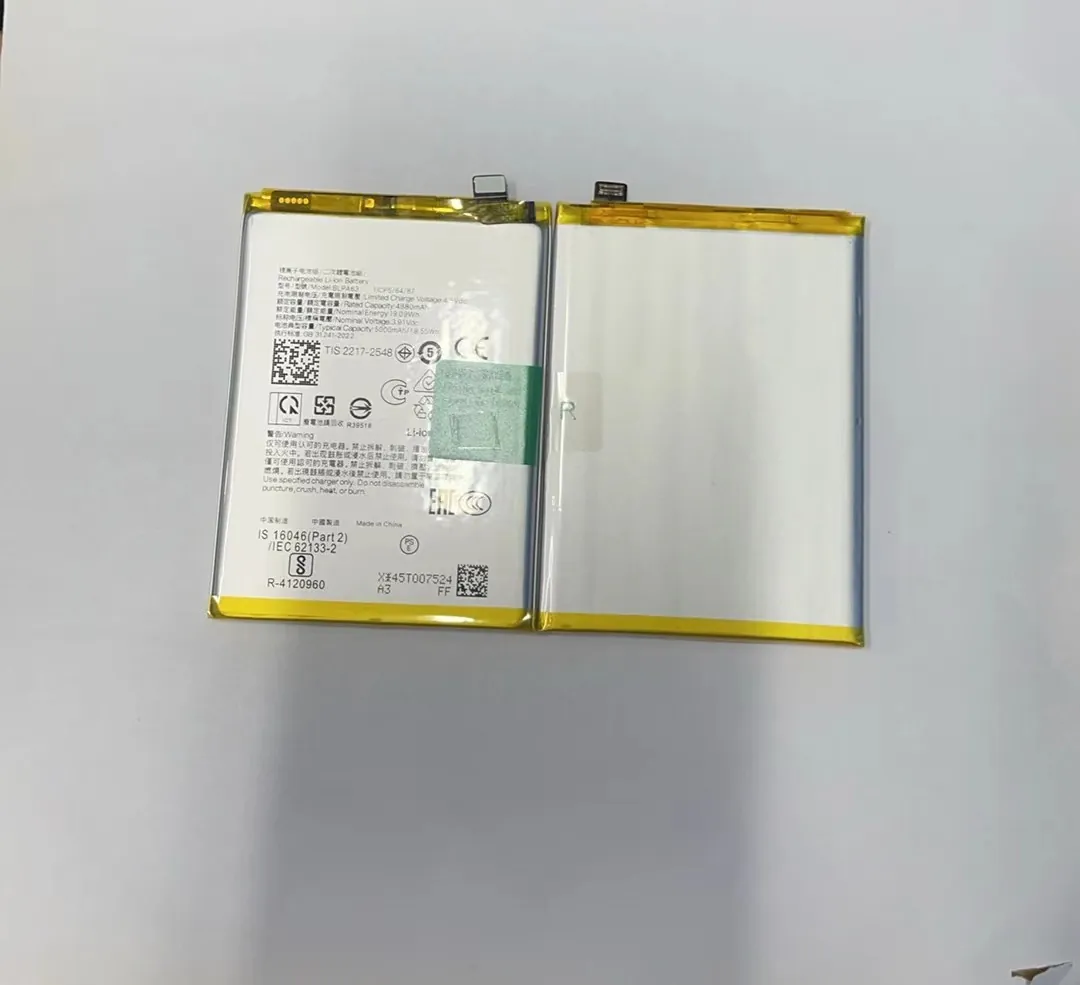
Breaking it down
Here are some of the phones with the largest batteries right now:
| Phone Model | Battery Capacity | Type |
|---|---|---|
| OPPO Find X9 Pro | 7,500mAh | Flagship |
| Unihertz Tank 3 | 7,200mAh | Rugged |
| Doogee V Max | 22,000mAh | Rugged/Outdoor |
| Oukitel WP19 | 21,000mAh | Rugged/Outdoor |
| Energizer P18K Pop | 18,000mAh | Prototype/Niche |
Mainstream flagships now hover around 5,000–6,000mAh. Rugged models go far beyond but often compromise in size and design.
How battery size is calculated
Battery size is measured in milliampere-hours (mAh). More mAh means more stored power. But real battery life depends on:
- Screen brightness and resolution
- Processor efficiency
- App usage
- Operating system optimization
Just like a car’s fuel tank, capacity alone doesn't determine mileage.
How does battery size impact phone design?
More battery usually means a bigger or heavier phone. But companies are getting creative to fit more power into smaller bodies.
Battery size affects phone thickness, weight, cooling, and internal layout. A larger battery means trade-offs in other parts of the phone.
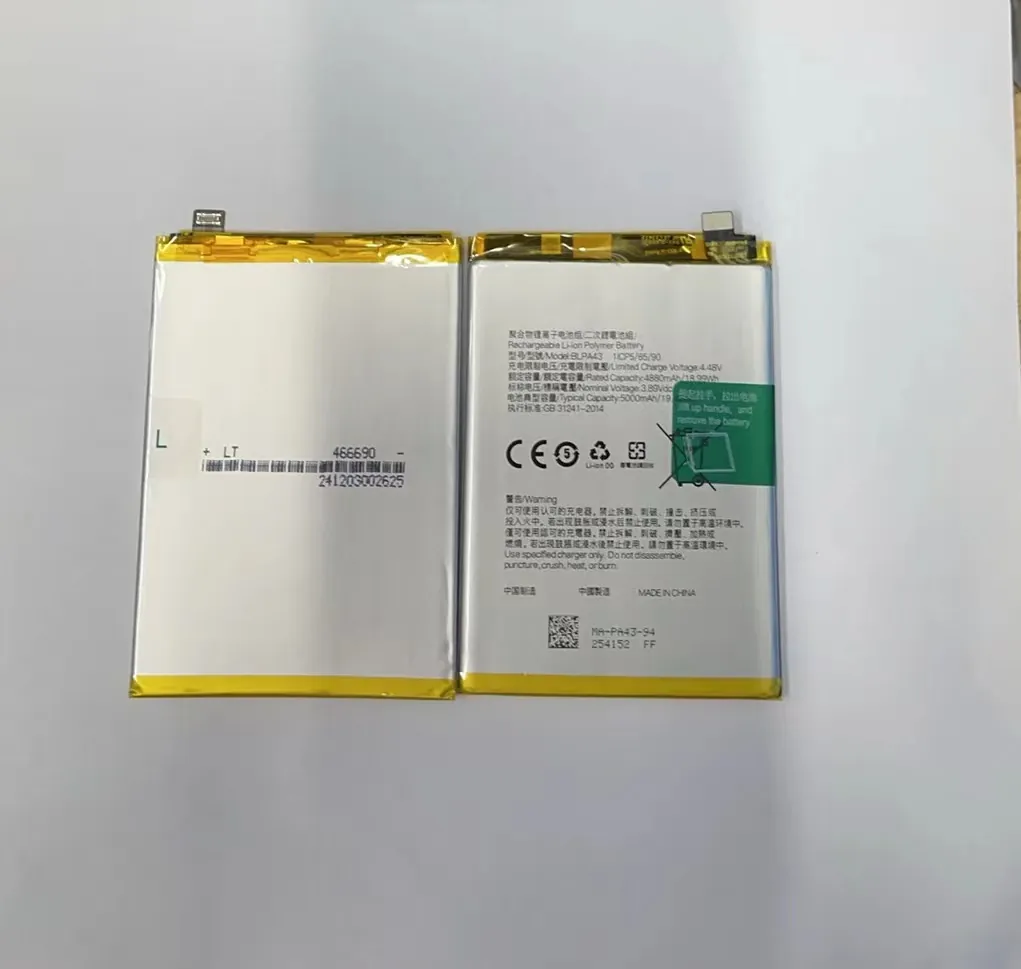
Major impacts of battery size
1. Thickness and weight
The OPPO Find X9 Pro is only 8.25mm thick, thanks to its new silicon-carbon battery. But many big-battery phones, like rugged models, are over 15mm thick.
| Feature | Impact of Larger Battery |
|---|---|
| Thickness | Phone becomes bulkier |
| Weight | Heavier in hand |
| Materials | May need plastic instead of glass |
| Pocketability | Less convenient to carry |
2. Cooling and safety
Big batteries produce more heat. More heat means more risk, especially during fast charging. Manufacturers must design cooling systems using:
- Graphite heat spreaders
- Vapor chambers
- Copper sheets
3. Internal layout changes
More battery space can limit:
- Camera module size
- Space for wireless charging coils
- Speaker placement
A phone is like a puzzle — every piece must fit perfectly. A bigger battery means reshuffling many internal parts.
Are big batteries always better in real use?
Some users buy phones with giant batteries but still charge daily. Why?
Big batteries can help, but without power-efficient hardware and smart software, the benefit is lost.
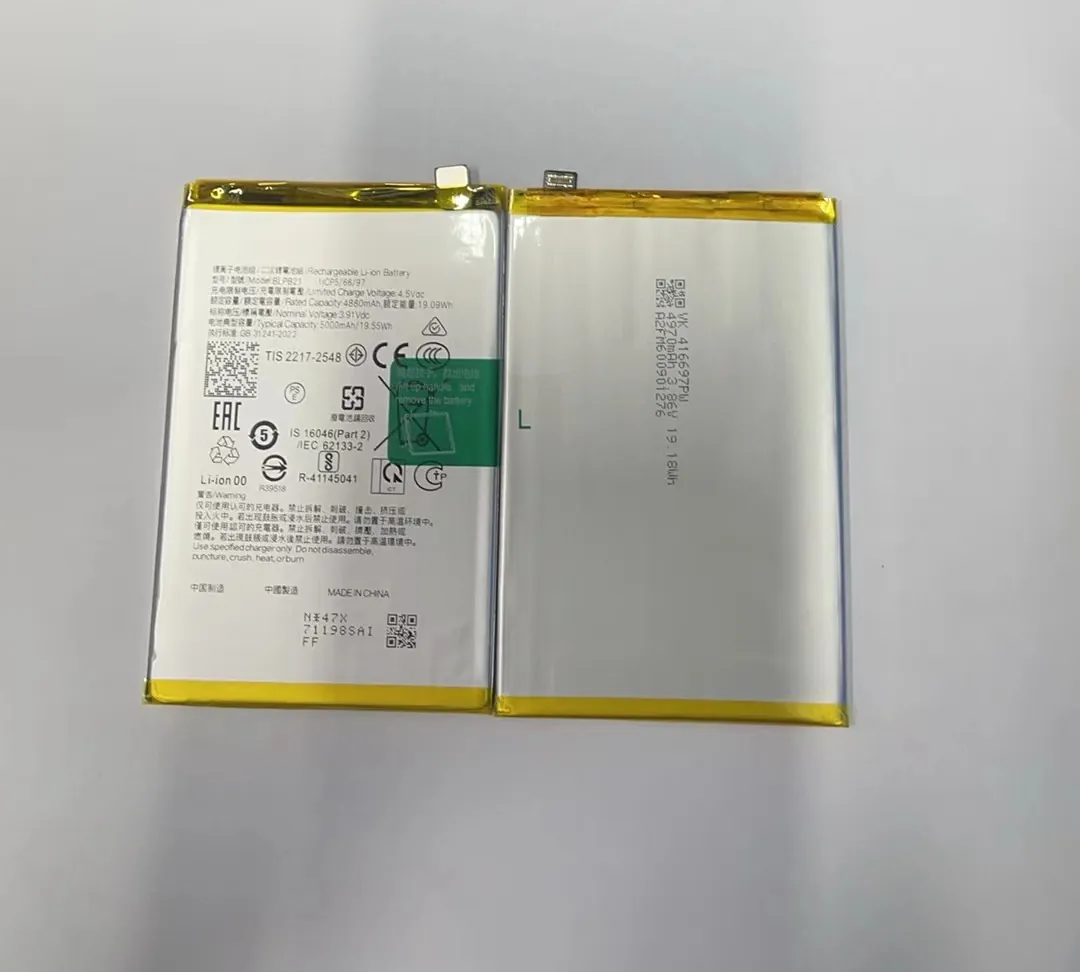
Real usage vs. raw capacity
Let me share what I’ve experienced. I used a 7,000mAh phone that lasted 2 days — amazing. But I also tried a 6,000mAh phone that barely made it through one. Why? Because it had:
- A poorly optimized OS
- A hot processor that drained power
- No power-saving modes
What really matters?
✅ Good combinations:
- Big battery
- Efficient chip (like Snapdragon 8 Gen 2)
- AMOLED display with low power draw
- Smart background app control
❌ Bad combinations:
- High refresh rate screen always on
- Background apps running all the time
- GPS, Bluetooth, 5G always active
Tip: Look at screen-on-time (SOT)
Battery life = Battery size + Efficiency. The true test is screen-on-time.
Phones with smaller batteries but better optimization can outperform bigger ones with poor efficiency.
Why do some phones limit battery size?
If big batteries are good, why don’t all phones use them? The answer lies in design, market strategy, and user needs.
Phone brands limit battery size due to design goals, safety regulations, cost, and user expectations for thin, light devices.

Top reasons for battery limits
1. Slim design preference
- Most users want thin, light phones.
- A 22,000mAh battery means a 1-inch thick phone — too bulky for pockets.
2. Cost and technology
- New battery tech like silicon-carbon is expensive.
- Companies must balance price and performance.
3. Heat and safety risks
- Bigger batteries generate more heat.
- Fast charging + big capacity needs perfect cooling — which adds more cost and weight.
4. Regulatory constraints
Some countries restrict battery capacity due to shipping or airline safety rules. That’s why many phones have slightly smaller batteries in global versions.
5. Different user needs
| User Type | Preferred Battery Strategy |
|---|---|
| Power user | Big battery, efficient chip |
| Casual user | Small battery, thin phone |
| Traveler | Battery priority with fast charging |
| Gamer | Needs cooling + long battery |
So, not all phones aim for the biggest battery. It's a balance — one size doesn’t fit all.
Conclusion
Phones like the OPPO Find X9 Pro show that huge batteries are possible in elegant designs. But battery size is just one part of the equation. To get great real-life performance, you need efficient hardware, smart software, and smart habits.
