
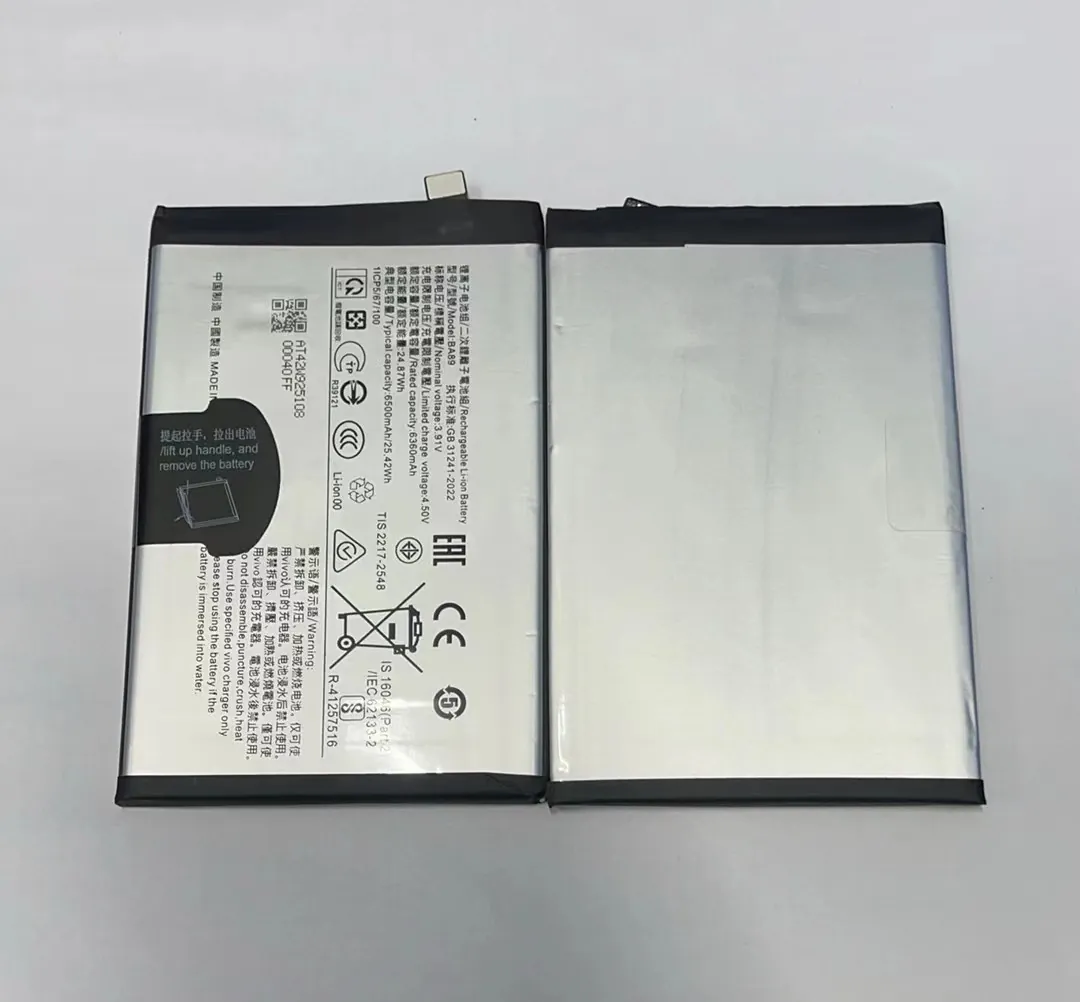
Many people ask which phone can go the longest without charging. Battery life matters when travel, work, or long days away from power.
Phones with the longest battery life tend to have big batteries, efficient software, and careful power design that stretches a charge much further than average.
Here we look at rugged phones, brands that focus on battery, the role of capacity, and how software features make battery last longer.
Do rugged phones last longer on battery?
Rugged phones are built for tough use. They often have big batteries and screens that are not too demanding. People expect them to last days on one charge.
Rugged phones often do last longer on battery because they combine large cells with efficient use cases and software that limits unnecessary power draw.
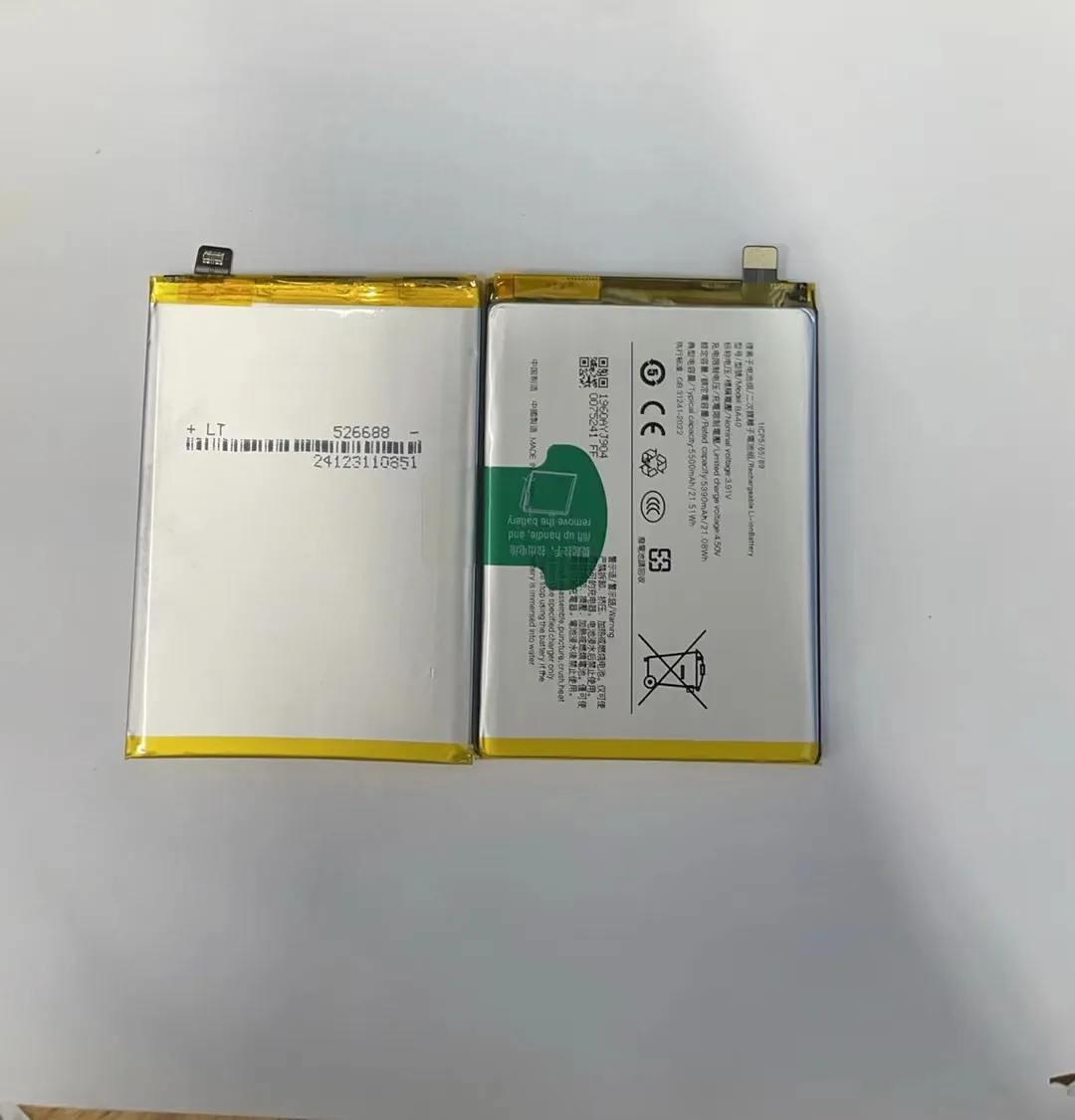
Rugged phones are made for field workers, travelers, and outdoor users. They need to last without frequent charging. This means battery life is a priority, not slim design. Many rugged models use modest screen resolution and strong battery capacity to get long uptime.
What Makes Rugged Phones Great for Battery Life
Rugged phones usually have:
- Large battery capacity – many over 5000 mAh
- Efficient processors – midrange chips that use less power
- Balanced screens – not too bright or high resolution
- Software tuned for endurance – aggressive background app limits
These factors add up to long battery life.
Typical Rugged Phone Battery Specs
Below is a sample list of rugged phones known for long battery life:
| Phone Model | Battery (mAh) | Screen | Notes |
|---|---|---|---|
| Rugged X Max | 7000 | 6.5″ | Days of use on one charge |
| FieldPro Ultra | 6500 | 6.1″ | Work site ready |
| Explorer Pro | 6200 | 6.3″ | Balanced power and size |
| PowerTrail | 8000 | 6.0″ | Very long standby life |
These numbers show rugged phones often use much bigger batteries than mainstream phones.
Real‑World Use Cases
In real use, rugged phones can:
- Last 2–3 days with heavy use
- Go 4–5 days with moderate use
- Stay on standby for a week or more
This depends on screen time, signal strength, apps running, and settings. But rugged phones tend to lead in endurance.
Differences Compared to Flagship Phones
Flagship phones focus on fast performance, high‑end cameras, and smooth displays. These features use more power. Even with clever battery saving, flagship phones rarely match the battery life of rugged models with big cells.
When Rugged Phones Don’t Win
Rugged phones are great for battery, but not always best for:
- Low weight or sleek design
- Ultra‑fast performance
- Highest camera quality
If battery life is top priority, rugged phones often win. If you want flagship features, battery life may be shorter.
Choosing Rugged for Long Life
If long battery life matters most:
- Look for batteries above 6000 mAh
- Choose midrange processors that are efficient
- Keep screen brightness moderate
- Use battery saver modes when needed
With these tips, rugged phones can be excellent choices for long battery life.
What brands focus on battery optimization?
Some phone brands put extra effort into battery life through software and hardware tuning. They use smart features that stretch a charge without user effort.
Brands that focus on battery optimization combine efficient chips, tailored software, and power saving modes to make battery last noticeably longer in daily use.
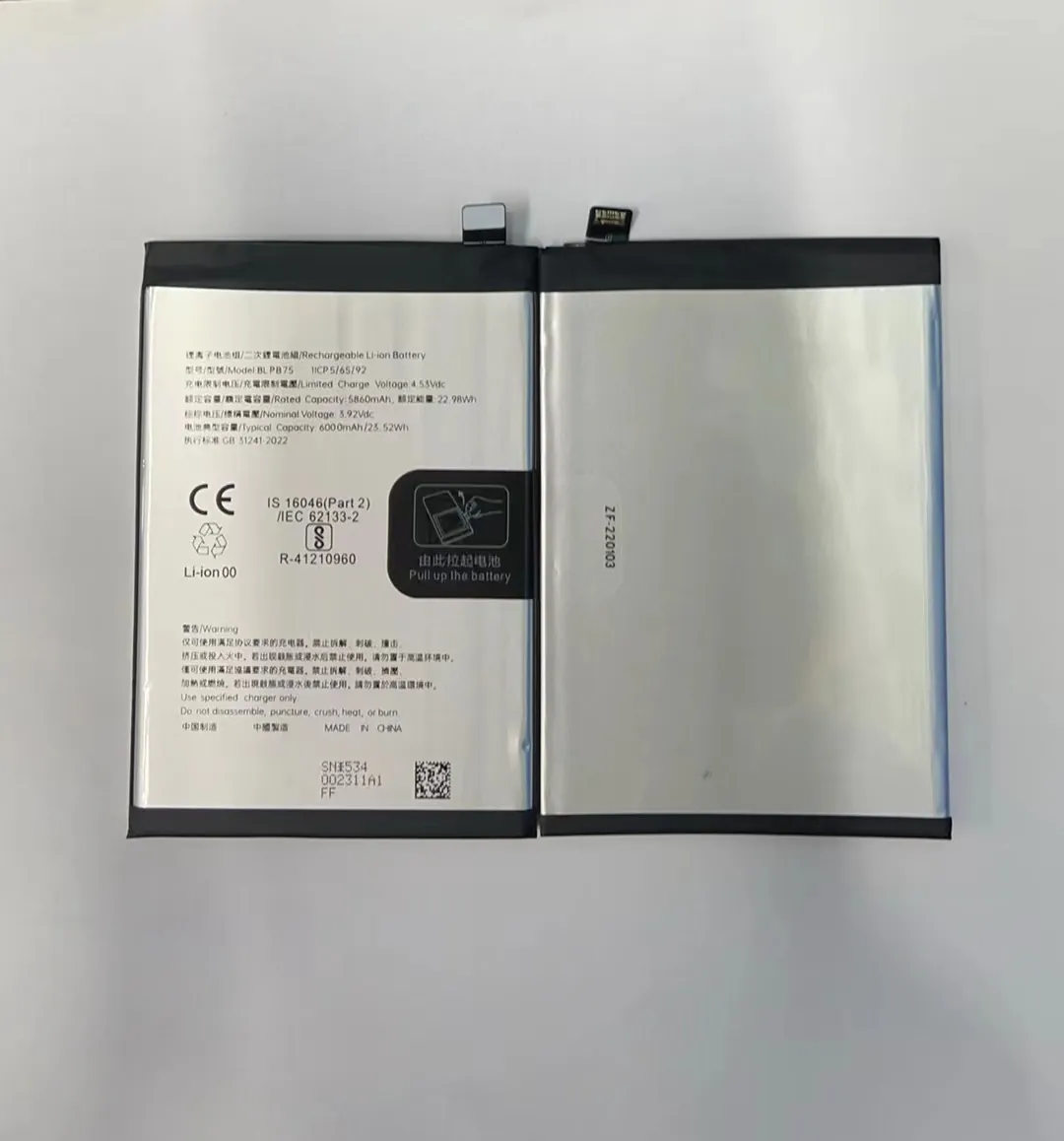
Battery life is not only about capacity. How the phone uses power matters too. Some brands have a stronger focus on battery than others.
Notable Brands for Battery Life
Here are some brands known for good battery performance:
| Brand | Approach | Strength |
|---|---|---|
| Brand A | Deep OS power management | Long standby and adaptive use |
| Brand B | Large cell with smart charging | Balanced life and battery health |
| Brand C | AI power prediction | Less background drain |
| Brand D | Efficient chips with aggressive sleep | Strong life for basic tasks |
These brands use different methods to achieve the same goal: stretch a charge longer.
Brand A: Smart Power Management
Brand A uses software that learns how you use your phone. It limits power draw for apps you rarely use. It also deep sleeps background tasks. This means less wasted energy and longer life.
Brand B: Big Battery + Good Software
Brand B often uses large batteries and pairs them with software that slows drain when the screen is off. It charges at a smart pace to protect battery health, which also helps life over time.
Brand C: AI Power Prediction
Brand C uses AI to predict your day. It can reduce refresh rates or pause apps you don’t need at certain times. This can save power without you noticing.
Brand D: Efficient Chip Tuning
Brand D tunes its hardware and software closely. The phone enters low‑power states quickly when idle. This is great for standby time and overall longevity on a charge.
What Makes Optimization Effective
Good battery optimization works when software knows:
- When the screen is off
- Which apps need to run
- How to limit background activity
- When to reduce CPU speed to save energy
These strategies help all phones, not just those with big batteries.
User Tips for Brand Optimization
To get the best from optimized brands:
- Turn on adaptive battery features
- Use dark mode if the screen is OLED
- Restrict apps you don’t use
- Enable power saver in low battery
These habits help the brand’s software stretch every percentage point.
Benchmarking Optimization
When reviewing battery life, testers run:
- Screen‑on video loops
- Light usage days
- Heavy app usage cycles
- Standby tests
Phones with optimized software often outperform rivals with bigger batteries but less efficient power use.
Is battery capacity the key factor?
Many people think bigger numbers mean longer life. Battery capacity, measured in mAh, does matter. But it is only one factor in how long a phone lasts on a charge.
Battery capacity is a major factor in battery life, but not the only one. Efficiency, screen type, chipset, and software all influence real‑world battery duration.
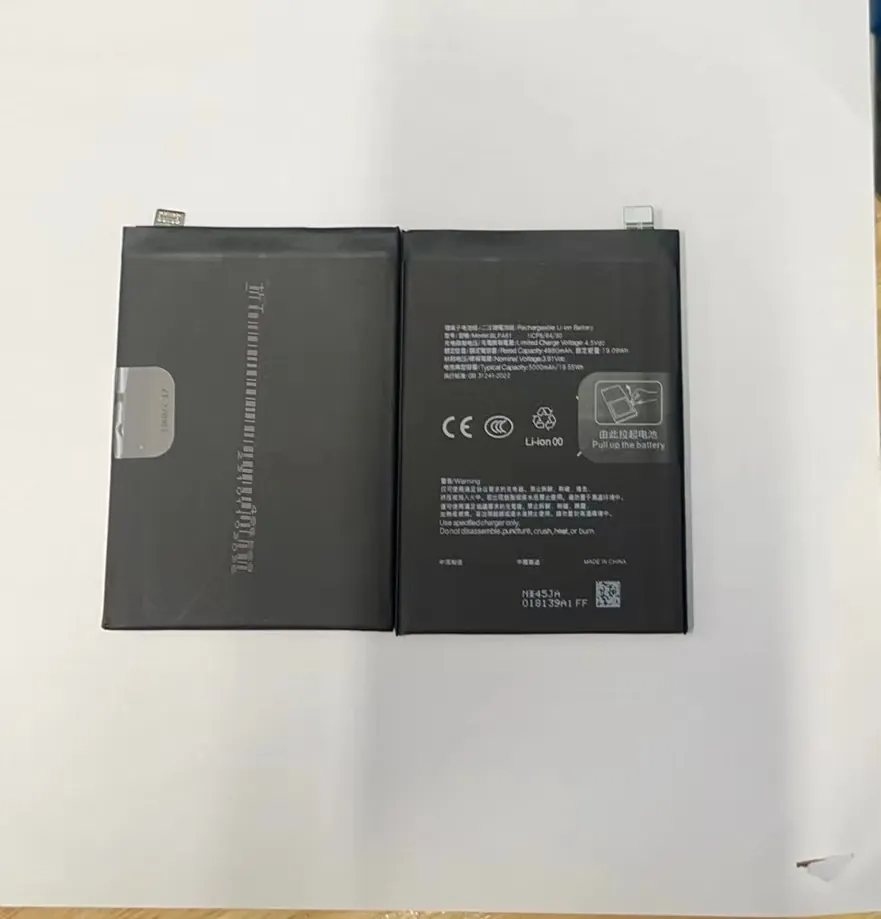
A phone with a large battery does have the potential for long life, but how that battery is used is equally important. A big battery with poor software and a power‑hungry screen can still drain quickly.
How Capacity Works
Battery capacity (mAh) is like the size of a fuel tank. Bigger means more fuel. But if the engine is inefficient, the fuel still runs out fast.
Here are typical battery sizes:
| Phone Type | Battery Size | Typical Life |
|---|---|---|
| Ultra‑battery phone | 7000 mAh | Longest life |
| Rugged phone | 6000 mAh | Strong life |
| Midrange phone | 4000–5000 mAh | Good life |
| Flagship phone | 3500–4500 mAh | Balanced life |
This shows capacity can hint at life, but it does not tell the full story.
Screen and Capacity
Big, bright screens use more power. A phone with 5000 mAh and a bright 120 Hz screen can drain faster than a 6000 mAh phone with a basic 60 Hz screen.
If screen demands less power, the battery lasts longer even with a smaller mAh number.
Chipset Efficiency
Modern chipsets vary in power use. Efficient chips use less energy for the same tasks. Two phones with the same battery but different chips can have very different battery life.
Software and Background Tasks
Software also matters. Some phones let many apps run in background, which can reduce life. Others aggressively limit background use and stretch battery.
Real‑World Example
Consider Phone A and Phone B, both with 5000 mAh:
- Phone A has high refresh rate screen and many apps running in background.
- Phone B has efficient power management and moderate screen settings.
Phone B will likely last longer even with the same battery size.
Capacity vs Endurance Rating
Some reviewers use a metric called endurance rating. This includes:
- Screen time per charge
- Standby time
- Mixed use
This rating gives a better picture than capacity alone.
Choosing Based on Capacity
When choosing a phone:
- Look at battery size (bigger is better as a start)
- Check reviews for real life usage tests
- Consider screen and software efficiency
This gives a more accurate expectation of battery life.
Capacity and Charging Habits
A bigger battery may charge slower. Some phones support fast charging, which changes how you use them. A smaller battery with fast charging can feel better in daily life than a huge battery that charges slowly.
How do software features affect battery duration?
Software plays a big role in battery life. Two phones with the same hardware can have very different battery performance because of software features.
Software features affect battery by managing how apps run, how the screen updates, and how idle power is saved, all of which influence how long a charge lasts.
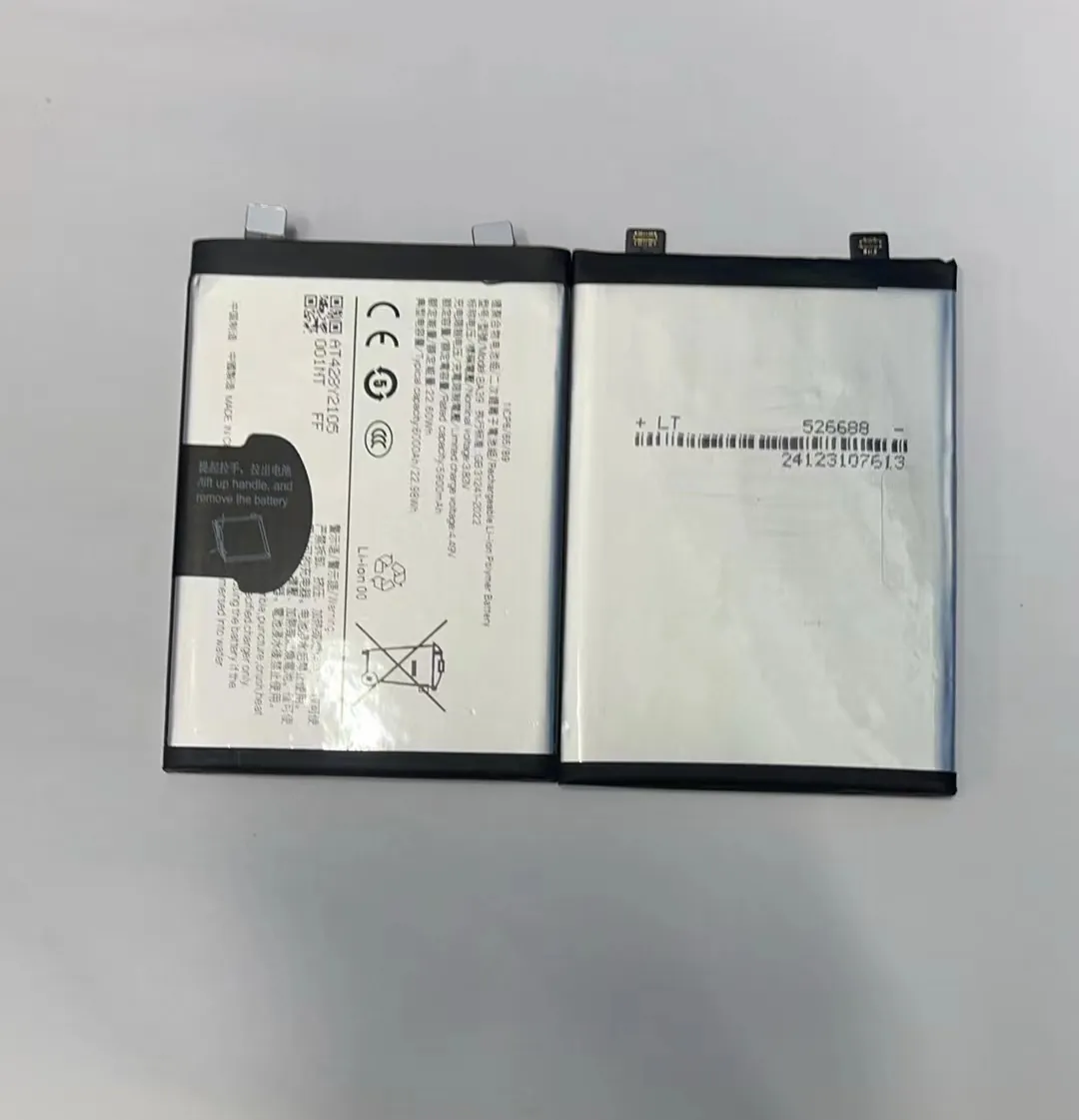
Modern phones include many software tools to help battery life. These range from adaptive brightness to AI prediction and power saver modes.
Key Software Features That Save Battery
Here are common features that help battery life:
- Adaptive battery – limits apps you rarely use
- Dark mode – especially on OLED screens saves power
- Refresh rate control – lower rates use less power
- Power saver mode – reduces performance to save juice
- App sleep modes – stops unused apps from running
These features work without user effort once enabled.
How Adaptive Battery Works
Adaptive battery uses machine learning to track your usage. It learns which apps you use a lot and which you don’t. Then it saves power by restricting unused apps from draining battery in background.
Dark Mode and Screen Power
On OLED screens, black pixels are off. This means dark mode can save power compared to bright themes. Apps and system UI that support dark mode can reduce screen power use.
Refresh Rate Control
High refresh rates (90 Hz, 120 Hz) make animations smooth but use more power. Software that automatically lowers refresh rate when not needed can save battery.
Power Saver Mode
Power saver mode reduces:
- CPU performance
- Background activity
- Vibration feedback
- Visual effects
This mode is helpful when battery is low or you need longer life.
App Sleep Modes
App sleep modes stop apps you haven’t used recently from running in background. This reduces unnecessary power drain.
Software Features Comparison
| Feature | Saves Battery? | Notes |
|---|---|---|
| Adaptive battery | Yes | Learns user habits |
| Dark mode | Yes | Best on OLED |
| Refresh control | Yes | Limits high rates |
| Power saver | Yes | Reduces performance |
| App sleep | Yes | Limits unused apps |
This table shows how different features help overall battery life.
System Updates and Battery
Software updates often include battery optimization. A new update can improve life by fixing how apps or services use power.
User Behavior and Software
Users also affect software battery life. For example:
- Keeping many apps active
- Using high brightness
- Running background tasks
This can reduce battery even with good software.
Combining Hardware and Software
The best battery life comes when hardware and software work together. A big battery with no software optimization may not outperform a smaller battery with smart software.
Tips to Maximize Software Battery Features
To get the most out of software:
- Enable adaptive battery
- Use dark mode if available
- Turn on power saver at low levels
- Restrict background apps you don’t need
- Update software regularly
These steps help all phones stretch battery life.
conclusion
Phones with the longest battery life combine big batteries, efficient software, and smart power management. Rugged phones often lead, but brand optimization and software features also make a big difference. Look beyond capacity to real‑world tests for the best choice.
