
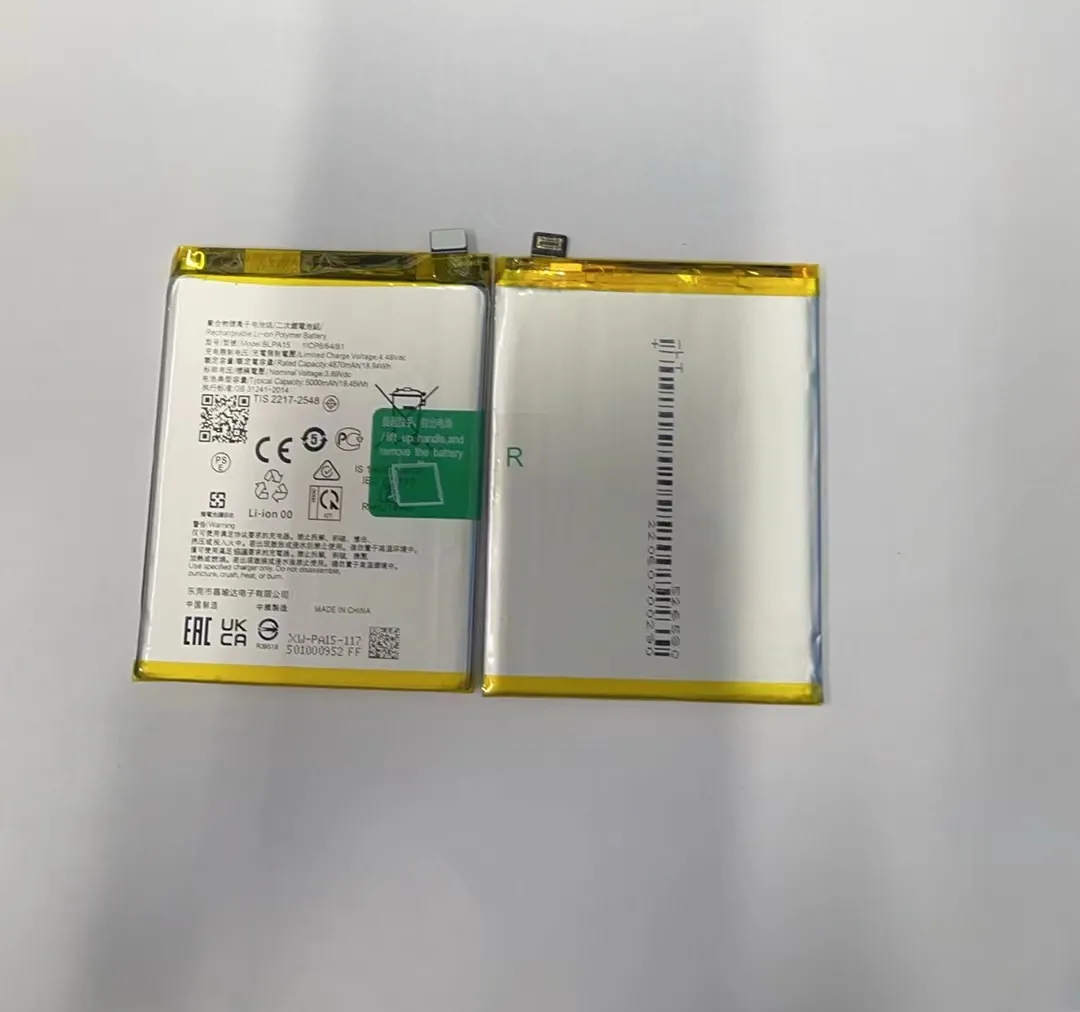
I’ve seen how frustrating it is when a phone dies mid‑day. You worry. You hesitate. Then you search for a device that will just last.
The best battery‑life phones are typically those from brands that combine large battery capacity, efficient chips and smart software tuning.
In the sections that follow I’ll walk you through four key questions: which brands lead in endurance, how specs drive runtime, why some models last longer, and which testing methods show top performers.
What brands lead endurance tests?
You’ve probably noticed some brands always show up in “longest battery” lists. That’s no accident.
Brands such as Apple and Oppo often lead in battery life tests because they optimise hardware and software together.
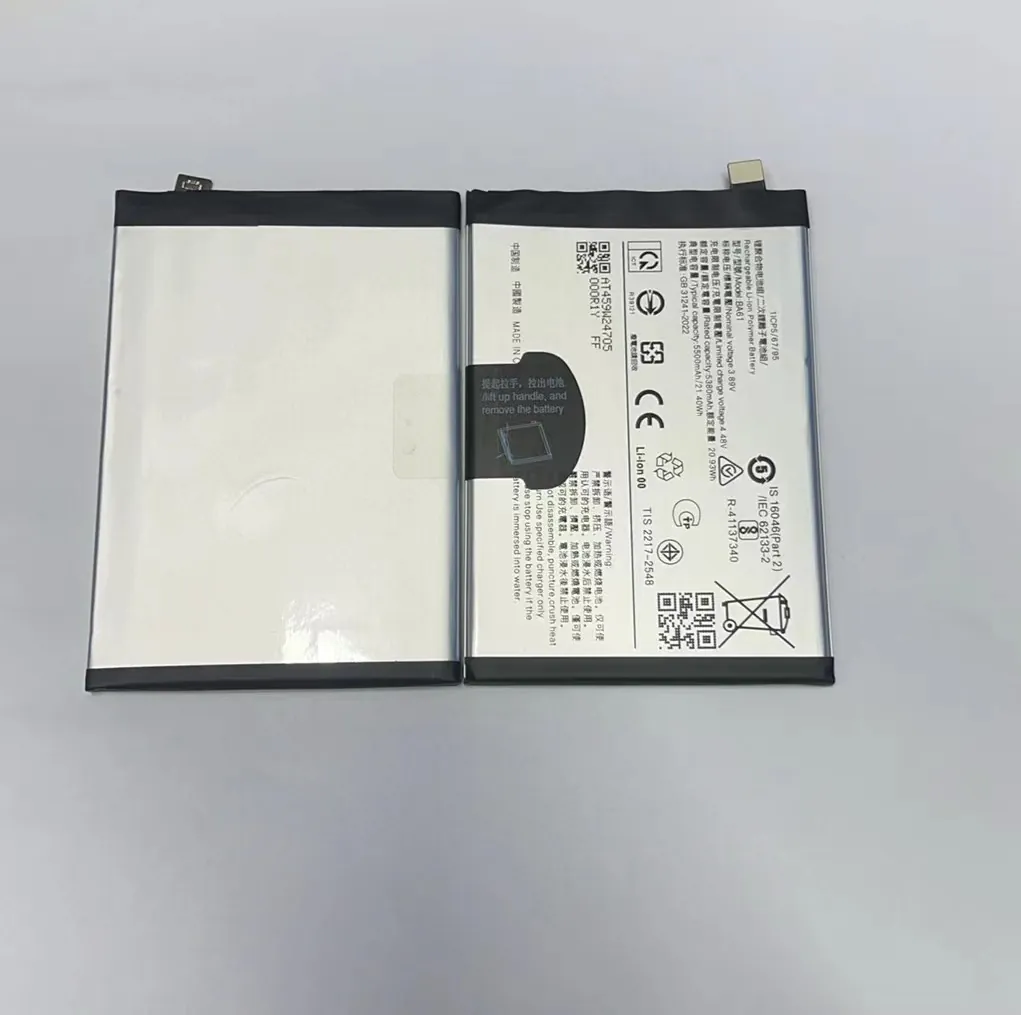
When I look at recent independent reviews I see recurring names. For example, Business Insider says the iPhone 16 Pro Max had the best battery life overall in their testing. Meanwhile, TechAdvisor reports that the Oppo Find X9 Pro “isn’t just the company’s best battery phone… it’s the best battery phone you’ll find anywhere right now.”
Here are some reasons why certain brands lead:
Hardware + software integration
Brands like Apple control both the chip and the operating system. That tight integration means less wasted power. Similarly, Oppo invests heavily in bigger batteries and efficient SoCs. This synergy gives them an edge.
Battery capacity and cell technology
Big batteries help. For instance, many phones on the endurance list have 5000 mAh or more. Phones with 6000 mAh+ show very strong endurance figures.
Efficient processors and screen tech
A large part of power draw comes from the screen and the processor. Brands that adopt latest low‑power chips, efficient displays (e.g., LTPO, lower refresh rates when idle) will naturally last longer. Also, the brand’s decision to limit background tasks, optimise OS behaviour, and implement smart power modes all matter.
Testing and marketing strategy
Brands that invest in battery performance tend to push that in marketing and product design. This means they often show up in “best battery” lists. That creates a positive feedback loop: they build for endurance → they are rewarded in reviews → they emphasise it again.
Table: Example brands and their battery‑strength focus
| Brand | Key battery strength | Notable model |
|---|---|---|
| Apple | Optimised software + decent capacity | iPhone 16 Pro Max |
| Oppo | Large batteries + efficient hardware | Find X9 Pro |
| Samsung | Flagship hardware + good battery tuning | Galaxy S25 Ultra |
So when you’re looking for a phone that lasts, leaning toward brands with a strong track record in battery endurance is a wise move.
How do specs influence runtime?
You might think “bigger battery = better life” and partly you’re right—but specs do more than just that.
Battery capacity, screen resolution/refresh‑rate, processor efficiency and software optimisation all combine to influence how long a phone runs.

Let me break this down further. When I review different phones and their specs I see multiple factors at play—not just the mAh number.
1. Battery capacity (mAh)
The higher the milli‑amp hour (mAh) rating, the more charge energy the phone can store. Phones with 6000+ mAh often last 30+ hours in endurance tests. But capacity alone doesn’t guarantee runtime.
2. Screen size, resolution, refresh rate
The display is one of the largest drains on battery. A large screen, high resolution, and high refresh rate (120 Hz, 165 Hz) consume more power. Efficient brands will include adaptive refresh rates, dimming of unused pixels, or always‑on display tweaks.
3. Processor and chip efficiency
The SoC (system‑on‑chip) matters. Newer generations are more power‑efficient, meaning same tasks use less energy. Optimised processors allow brands to use slightly smaller batteries but get longer life.
4. Software optimisation and power management
How the OS handles background tasks, push notifications, idle state, thermal management – all these matter. If a phone is poorly optimised, it may burn power even when idle. Brands leading endurance usually have refined software.
5. Real‑world usage vs specs
We should remember that specs are only part of the story. A higher capacity phone may last less if the user plays games, uses high brightness, or streams video. Conversely a smaller battery phone with excellent optimisation and light usage might outperform it.
Table: Spec factor vs impact on runtime
| Spec | Impact on runtime |
|---|---|
| Battery capacity (mAh) | More stored energy → potential for longer life |
| Screen refresh rate & resolution | Higher rates/resolution → more power draw |
| Processor generation & efficiency | Newer, efficient chips → less power per task |
| Software power management | Smart management → less wasted energy |
| Usage pattern & features | Heavy use/features like 5G, GPS → reduce runtime |
So when choosing a phone for battery life I advise you to look beyond the mAh number. Consider how the brand balances display tech, chip efficiency, and software optimisation together with capacity.
Why some models last longer?
If two phones have similar capacity but one lasts much longer, then something else must be at work.
Models that last longer combine large batteries, efficient hardware, lower‑power screens, and smart power‑saving features.
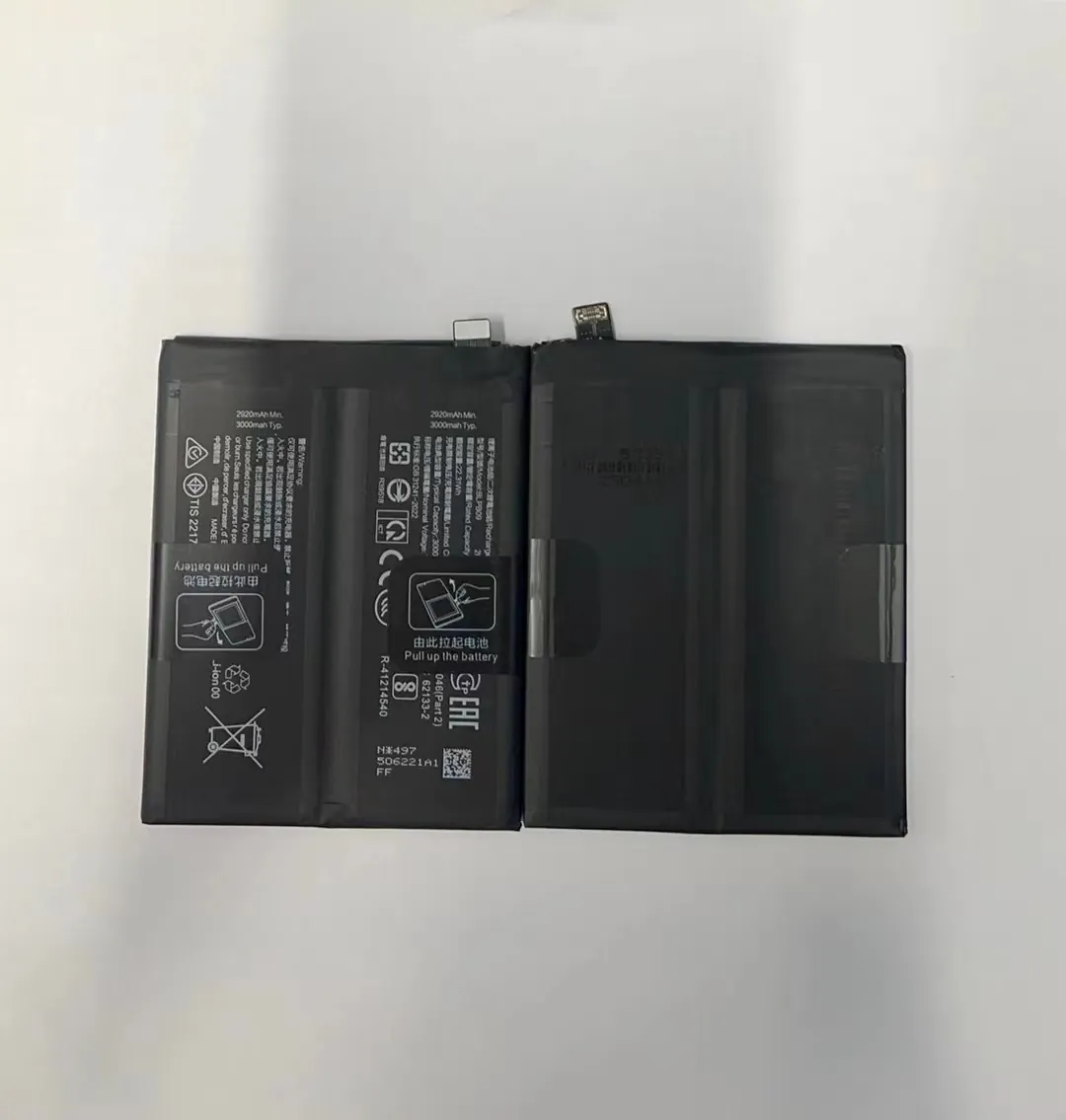
Here I’ll pull apart what makes a model “last longer” in the real world.
Large battery + efficient hardware
A phone with 6000 mAh or more has a baseline advantage. Beyond that, if the phone uses a very efficient chip and cooler thermal behaviour, it will draw less power at given tasks.
Display behaviours matter
A phone that can throttle refresh rate from 120Hz down to 60Hz or 30Hz when idle will save significant power. Some models also reduce screen brightness, switch off unused components, or tune GPU usage when not needed.
Background and idle power consumption
The best models spend less energy when idle or in standby. That means fewer wake‑ups, fewer background app refreshes, fewer sensors active. This discipline extends runtime.
Software updates and ongoing optimisation
Over time, software updates can improve power usage. If a brand supports long‑term updates and tweaks power behaviour, the phone might last even longer than its spec suggested.
Good thermal and energy management
When a phone overheats, battery drain increases. The best models keep cool, regulate performance, and prevent large swings in power draw. That leads to consistent runtime rather than large drops under load.
Table: Why a model lasts longer – factors in one view
| Factor | Explanation |
|---|---|
| Huge battery (≥5000 mAh) | More stored charge to begin with |
| Efficient SoC and architecture | Less energy per task, better idle behaviour |
| Display optimisation | Adaptive refresh, lower resolution when idle |
| Minimal background/idle drain | Fewer wake‑ups, better standby battery |
| Thermal/power management | Cooler running means less waste |
| Software updates & optimisation | Long‑term improvements extend life |
In short: a phone may look similar on paper (battery size, brand) but it lasts longer because the manufacturer has considered every layer—battery, hardware, software, display, standby behaviour.
Which tests rank top performers?
You might ask: “Which models actually perform best in real‑world battery tests?” The answer lies in independent lab testing and ranking sites.
Some top‑ranked models in endurance testing include the Samsung Galaxy S25 Ultra, Apple iPhone 17 Pro Max, and OnePlus 13R—each combining strong specs and efficiency.
Let’s look at how tests rank phones, what metrics matter, and which models stand out.
What do battery tests measure?
Independent reviewers often test phones using standardised tasks: web‑browsing over cellular, video playback, gaming until battery depletion, standby time. These metrics help compare models objectively.
Top performers in recent tests
- OnePlus 13: Reached ~19h 45m in one test with a 6000 mAh battery.
- iPhone 17 Pro Max: Featured among test leaders; in web‑browsing test it recorded ~17h 54m.
- Galaxy S25 Ultra: Lasted 17h 14m in web surfing mode and 18h 35m when set to 60Hz screen mode.
Why some models with smaller batteries still rank high
Because of efficiency and reduction of wasted power. For example the Galaxy S25 Ultra has a smaller battery than some 6000 mAh rivals, yet with efficient chip and display mode it achieves similar or better runtime.
Table: Sample test rankings and what they mean
| Model | Battery size | Approx runtime in test | Why it did well |
|---|---|---|---|
| OnePlus 13 | 6000 mAh | ~19h 45m | Big battery + efficient chip |
| Apple iPhone 17 Pro Max | ~5088 mAh | ~17h 54m | Software/hardware integration |
| Samsung Galaxy S25 Ultra | 5000 mAh | ~17h 14m (or ~18h 35m at 60Hz) | Efficient display mode + refined OS |
In conclusion, when you choose a phone for battery life it’s wise to look at these test results rather than just the battery size. The models above show that balanced design wins.
Conclusion
If you care about battery life then pick a brand known for optimisation, check specs like capacity, chip, display and software, and finally look at real‐world test results. You’ll end up with a phone that actually lasts.
