
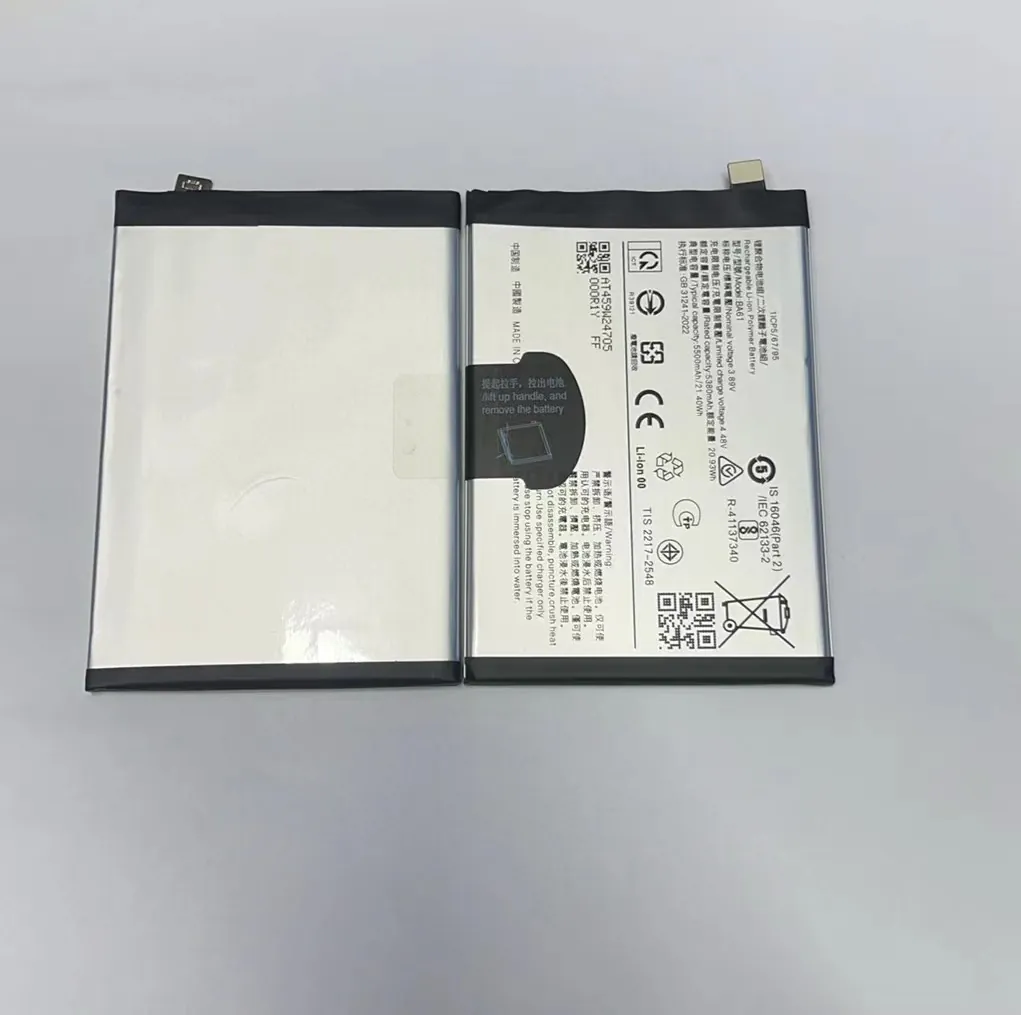
Many people miss the old days when you could just pull out your phone’s battery and replace it. Now, most phones are sealed, and repairs get expensive.
Smartphones with removable batteries are rare now, but some brands still offer them, especially for durability and easy maintenance.
This article explains the value of removable batteries, why most phones no longer have them, which brands still do, and how it affects repairs and long-term use.
What are the benefits of removable batteries?
People often get frustrated when their phone battery gets weaker. Replacing it in sealed phones is not easy. You may need tools or even professional help.
Removable batteries make it easier to extend phone life, change batteries on the go, and save repair costs.
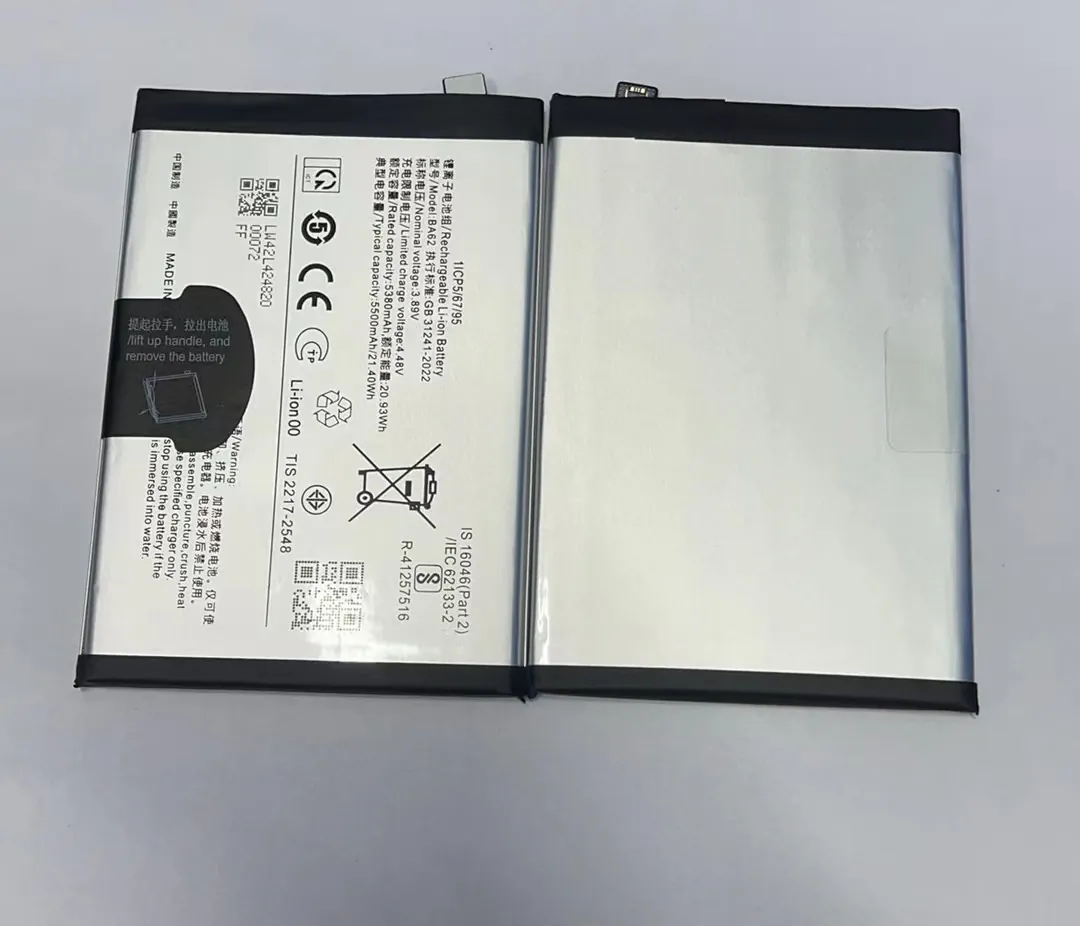
Having a removable battery means you can carry a spare and change it any time. No tools. No waiting. Just pop out the old battery and put in a new one. This is helpful for people who travel a lot or work outside, like photographers or delivery drivers.
When the battery gets old or swells, you can replace it without throwing away the whole phone. That reduces waste and saves money. Plus, people in areas with unstable electricity can carry two or three charged batteries. This way, they can stay connected all day without needing a charger.
In fact, many users keep old phones alive for years just because they can swap batteries easily. These phones also tend to be cheaper to maintain, especially in regions where new phones cost a lot.
Here’s a quick summary of the benefits:
| Benefit | Explanation |
|---|---|
| Easy Replacement | Swap battery in seconds, no tools needed |
| Cost Saving | Avoid repair shop fees or device replacement |
| Travel Friendly | Carry spares and extend battery life |
| Eco-Friendly | Reduce e-waste, only change battery, not the whole phone |
| Emergency Ready | Quick power switch in critical situations |
Why are modern phones shifting away from them?
If removable batteries are useful, why did most phone makers stop offering them? There are several reasons, and most of them come from design and marketing decisions.
Phone makers prefer sealed batteries for thinner phones, better water resistance, and tighter control over repairs.

Sealed batteries allow companies to build slim phones. There’s no need to add a removable back cover, battery latch, or protective shell. This makes the design smoother and often lighter.
Water resistance is another big reason. Sealed phones can be closed more tightly, making it easier to get IP ratings like IP67 or IP68. That helps the phone survive rain or splashes. Removable battery covers are hard to seal fully, so water can get in more easily.
Companies also like to keep control over repairs. When the battery is sealed, users must go to service centers or official stores to fix it. That means more revenue for the company. They also control the supply of parts, which gives them pricing power.
Here’s a comparison of key points:
| Reason for Sealed Batteries | Impact |
|---|---|
| Slim Design | Sleeker phones, no removable covers |
| Water Resistance | Higher IP ratings, more durable in wet conditions |
| Design Uniformity | Phones look and feel more premium |
| Repair Revenue | Users depend on brand repair services |
| Performance Optimization | Internal space used more efficiently for battery and parts |
So while users lose the convenience of battery swaps, companies gain better designs and more repair control. That’s why most phones today are sealed.
Which brands still offer removable battery models?
Even though most brands have stopped making phones with removable batteries, some still do—mainly for work use, tough conditions, or eco-conscious users.
Samsung, Fairphone, and some niche rugged phone brands still sell models with removable batteries.
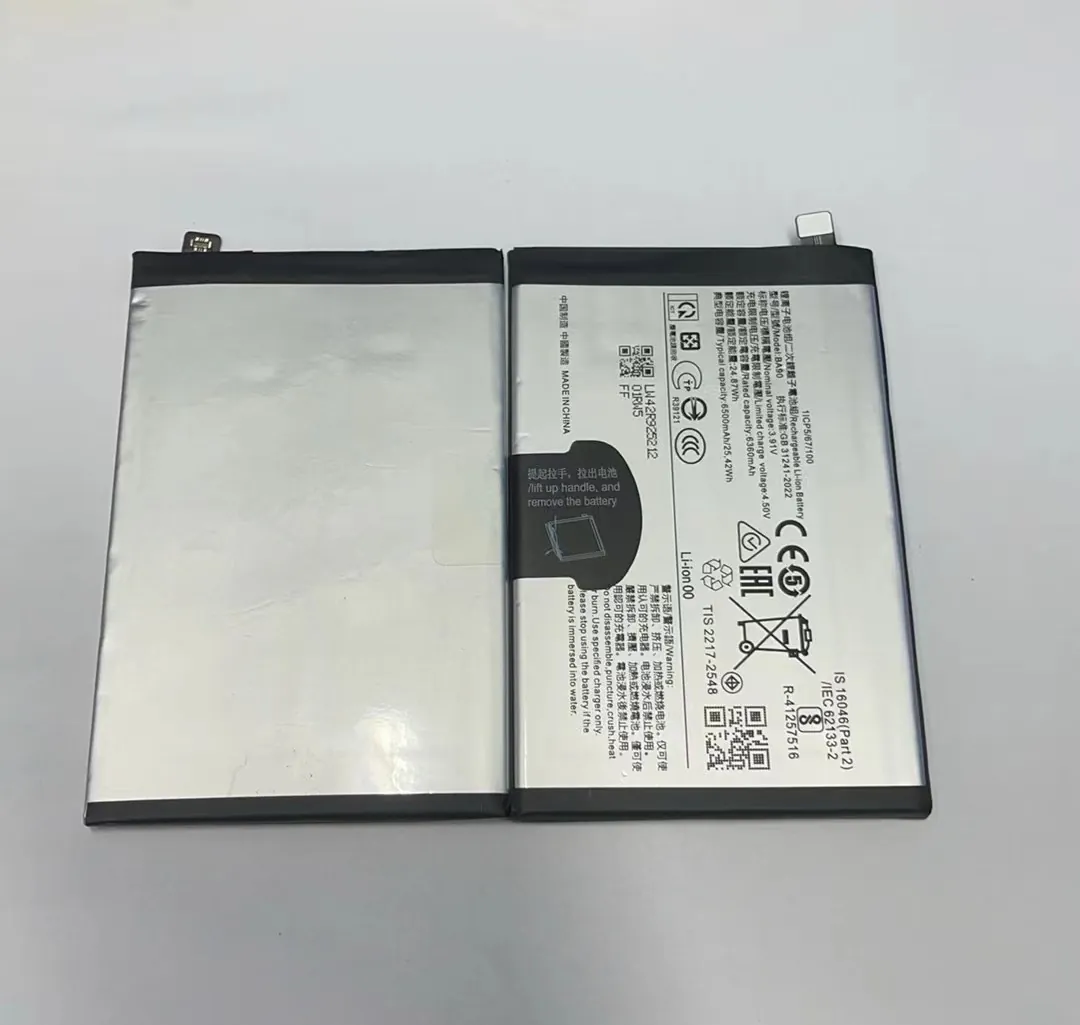
Here are some examples of phones with removable batteries as of 2024:
| Brand | Model | Battery Size | Key Feature |
|---|---|---|---|
| Samsung | Galaxy XCover 5 | 3000 mAh | Rugged phone, field-ready |
| Fairphone | Fairphone 4 | 3905 mAh | Ethical, modular, eco-friendly |
| Nokia (HMD) | Nokia 2660 Flip | 1450 mAh | Simple flip phone with removability |
| Motorola | Moto E6 (older model) | 3000 mAh | Budget phone with battery swap |
| AGM | M7 | 2500 mAh | Rugged feature phone |
Fairphone is a standout. It’s one of the few brands focused on ethical production and repairability. They design phones with long-term use in mind. Their phones allow you to change not just the battery, but also the screen and camera modules.
Samsung’s XCover series is designed for outdoor work. These phones are rugged, often used in logistics, construction, and field service. They support easy battery replacement for users who need quick power in the field.
Some older Motorola and LG models also have removable batteries. You can still find them new or refurbished. They’re often sold in markets where phone repair is expensive or hard to access.
So even though the options are limited, they do exist—mainly in rugged, eco-focused, or budget categories.
Do removable batteries improve repairability?
Repairing a sealed phone can be risky and expensive. The back is glued shut. You may need heat guns, special tools, and skill to avoid breaking something.
Removable batteries make phone repair much easier, cheaper, and safer for both users and repair shops.

When you can open the back cover and take out the battery with your fingers, repairs are much simpler. You don’t need to go to a service center just to replace a weak battery. That saves money and time.
For repair shops, this also helps. They don’t need to buy expensive tools or spend time opening phones. They can serve more customers faster and at a lower cost. This is great for small businesses.
Let’s break this down clearly:
Repair Comparison Table
| Feature | Removable Battery | Sealed Battery |
|---|---|---|
| Tools Needed | None or basic | Special tools, heat gun |
| Replacement Time | Less than 5 minutes | 30 minutes to 1 hour |
| Risk of Damage | Very low | Higher (glue, flex cables) |
| Repair Cost | Low | Medium to high |
| User Do-It-Yourself Option | Yes | Rare or risky |
Also, removable batteries support long-term use. When the battery dies, you don’t have to throw away the whole phone. You can just change the battery. This keeps phones in use longer and reduces e-waste.
Many phones today are hard to repair by design. Some even require software pairing between parts. This limits independent repair. But removable battery phones give back control to users and repair shops.
So, for people who want to fix their phones without spending too much, or without risking damage, removable battery models are the smart choice.
Conclusion
Phones with removable batteries are not common today, but they are still valuable. They let users fix issues fast, save money, and keep phones running longer. If you care about repair, freedom, or low maintenance, these phones are still worth buying.
